
The Nieuwe Kerk and the Town Hall on the Dam in Amsterdam — History & Facts
When did color learn to lie? In the delicate interplay of light and architecture, hues whisper truths that reality often conceals. They invite us to glimpse not just the physical but the divine essence woven into the fabric of our surroundings. Focus on the shimmering reflections that dance upon the water's edge in the foreground. Notice how the artist meticulously captures the intricate details of the Gothic spires and classic façades, inviting your eyes to trace their elegant lines.
The soft palette, awash in muted blues and warm earth tones, draws you deeper into the composition, creating an atmosphere where time seems suspended. Each brushstroke evokes a sense of harmony between the earthly and the celestial, allowing the structures to feel almost ethereal against the tranquil backdrop. Yet, beneath this serene facade lies a world brimming with tension. The juxtaposition of the towering Nieuwe Kerk and the stately Town Hall symbolizes the delicate balance between faith and governance, where the sacred and the secular coexist.
The stillness of the water reflects not only the buildings but also the weight of history, hinting at the stories of those who walked these streets and the decisions that shaped their time. This tranquility belies the ongoing struggles of identity and power, each ripple suggesting a deeper undercurrent of change. In the late 18th century, Ouwater painted this scene during a period of significant transition in Europe, marked by Enlightenment ideals and burgeoning nationalism. Living in Amsterdam, he found himself in a city that was both a commercial hub and a center for artistic innovation.
This work reflects not only his personal style but also the broader shifts in artistic expression, as artists began to explore themes that encompassed both natural beauty and the complexities of human experience.
More Artworks by Isaac Ouwater
Browse all →
The Bookshop and Lottery Agency of Jan de Groot in the Kalverstraat in Amsterdam
Isaac Ouwater
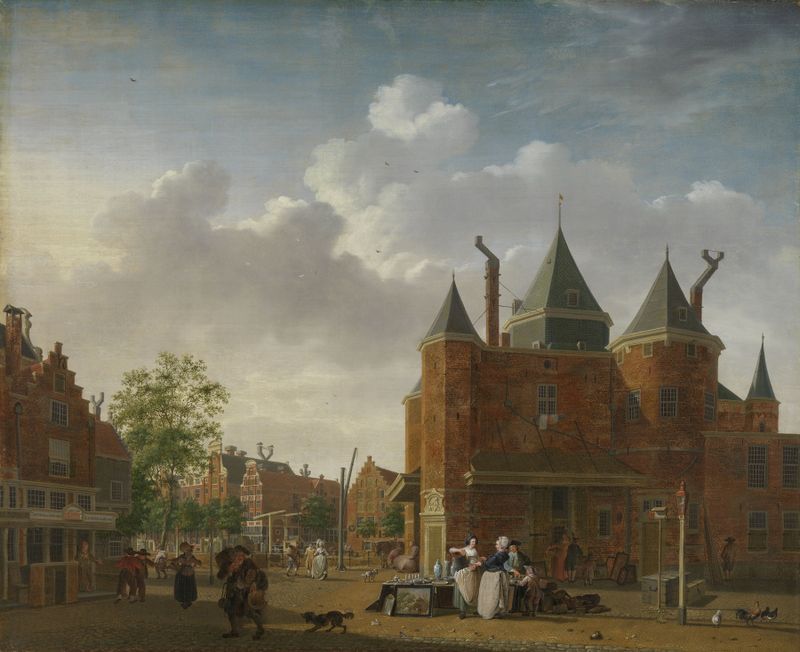
The Sint-Antoniuswaag in Amsterdam
Isaac Ouwater

De boekhandel en het loterijkantoor van Jan de Groot in de Kalverstraat te Amsterdam
Isaac Ouwater
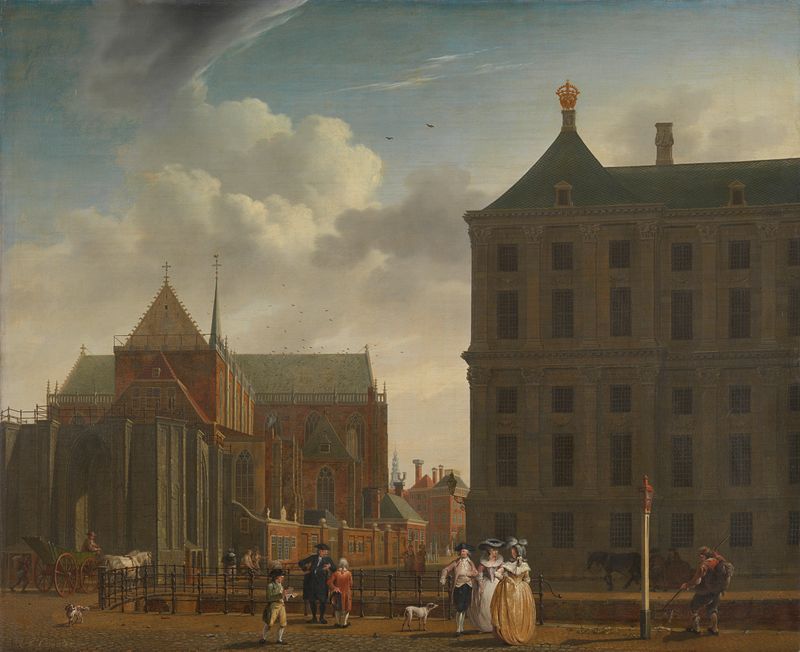
The Nieuwe Kerk and the Town Hall on the Dam in Amsterdam
Isaac Ouwater

View Of The Westerkerk Seen From Across The Keizersgracht, Amsterdam
Isaac Ouwater
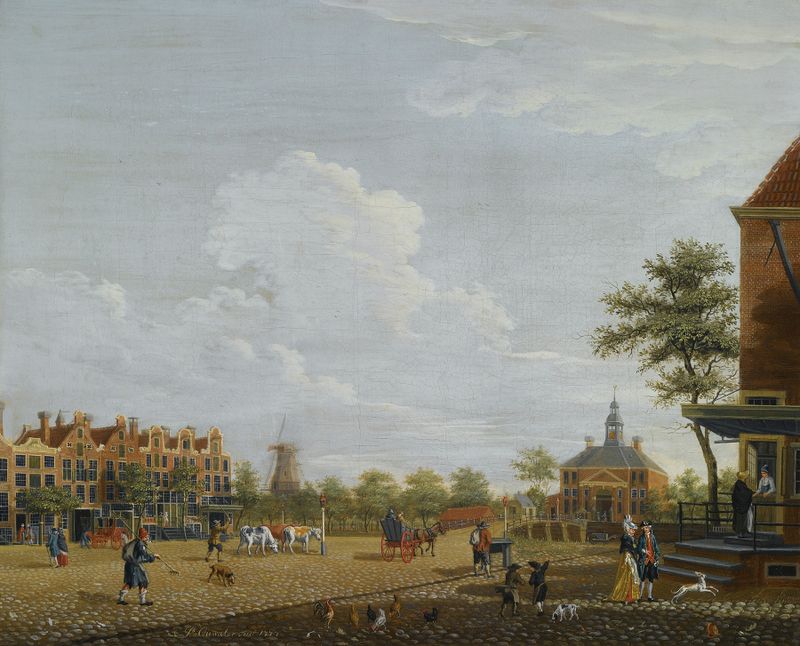
Amsterdam, A View Of The Weesperplein With The Weesperpoort, The Corn Mill ‘het Fortuyn’ On The Fortification Weesp In The Background
Isaac Ouwater
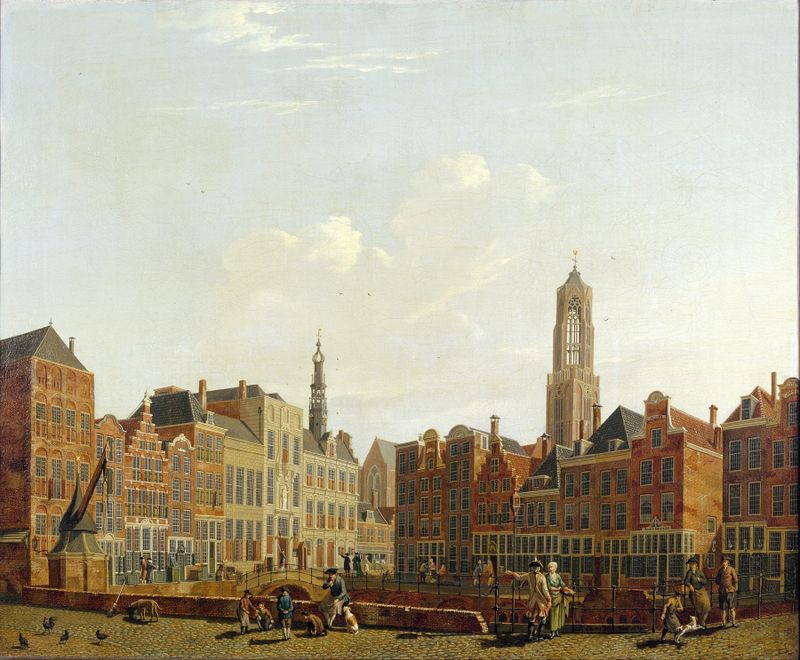
Utrecht Town Hall Bridge with Surroundings
Isaac Ouwater

Landschap met herberg
Isaac Ouwater
More Architecture Art
Browse all →
The statue of Liberty
Frédéric Auguste Bartholdi

View of Houses in Delft, Known as ‘The Little Street’
Johannes Vermeer

View of Houses in Delft, Known as ‘The Little Street’
Johannes Vermeer

The Cathedral in Rouen. The portal, Grey Weather
Claude Monet

The yellow house
Vincent van Gogh

The Church in Auvers-sur-Oise, View from the Chevet
Vincent van Gogh