Landschap met molens bij water — History & Facts
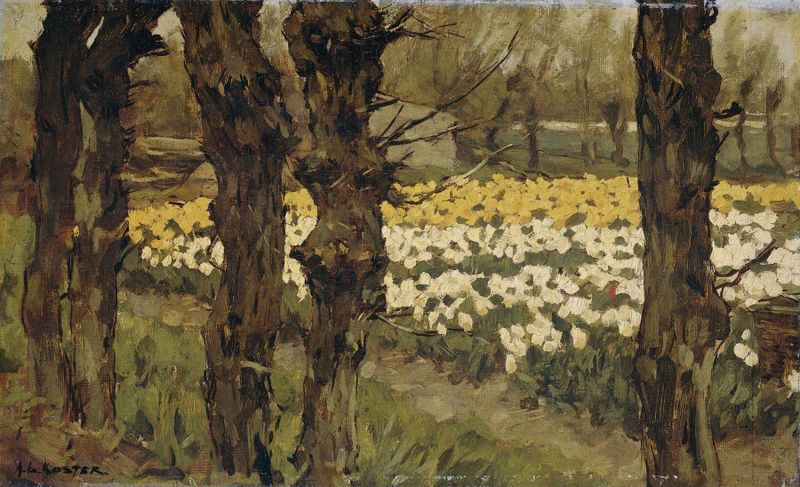
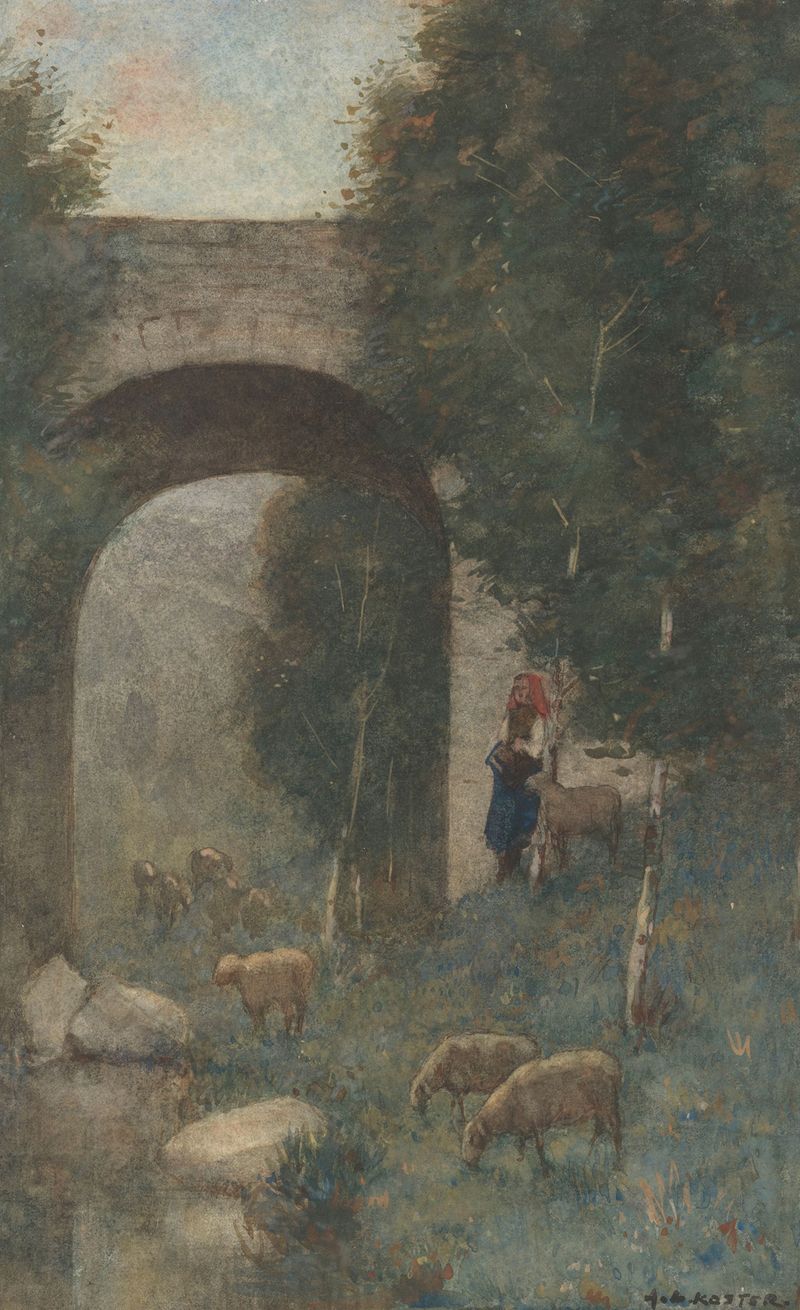
In that stillness, transformation breathes, quietly beckoning the viewer to discover the essence of nature captured in brushstrokes. Look to the horizon where the soft, muted greens and blues blend seamlessly, revealing a tranquil landscape punctuated by iconic windmills. The sky, a canvas of gentle pastels, reflects tender light upon the water's surface, creating a symphony of color that invites contemplation. Notice how Koster's delicate handling of paint evokes the subtle movement of clouds drifting lazily, while the stillness of the water mirrors the serenity of this pastoral scene. Yet, beneath this serene beauty lies a deeper narrative.
The juxtaposition of the windmills, steadfast against the elements, symbolizes resilience in the face of change. The surrounding landscape, lush and fertile, hints at the cyclical nature of life—the contrast between permanence and transience. Each brushstroke whispers stories of the land, reflecting both the passage of time and the enduring spirit of rural existence. Created during the late 19th century, this piece emerged amid a rich period of artistic exploration in the Netherlands.
Koster, deeply influenced by the Impressionistic movement, sought to capture the essence of natural beauty rather than mere representation. It was a time when many artists were turning away from traditional forms, seeking to embrace the transformative power of light and color, harmonizing with the broader European art movements of the era.