
Landschap met papegaaien 1001346 Bonnefanten Museum — History & Facts
A flash of impossible color catches the eye: the long, iridescent tail of a parrot, perched with two quieter companions against a misty, half-imagined garden. The birds are not just painted, but staged—framed by an ornate trompe-l’oeil border that turns the whole scene into a window or a stage set, inviting the viewer to step into a world where nature is both wild and carefully arranged. The urn, festooned with climbing roses, signals cultivated beauty, while the broken, twisting branch on the right hints at the untamed.
The central parrot, with its sharp gaze and brilliant plumage, commands attention, while the pale and shadowy birds beside it seem to hover between presence and absence. Light spills softly from the left, illuminating the birds and drawing the eye into the hazy distance, where the garden path disappears into a gentle, golden fog. Painted in 1780, this work by Aert Schouman belongs to a world fascinated by the exotic and the ornamental. In the late eighteenth century, Dutch collectors and naturalists vied for rare birds and plants, and artists like Schouman were sought after for their ability to bring these marvels to life on canvas, panel, or even wall.
Such paintings often adorned the interiors of wealthy homes, blurring the line between art and decoration, nature and artifice. The elaborate frame painted within the picture itself is a nod to the Rococo taste for playful illusion and theatrical display. Now in the Bonnefanten Museum, this painting is a reminder of an era when the boundaries between the real and the imagined were as fluid as the brushstrokes that conjure these birds from the mist—inviting us to linger, to look again, and to wonder what else might be hidden in the painted garden.
More Artworks by Aert Schouman

Gezicht op Dordrecht met de Rietdijkspoort en windmolens
Aert Schouman
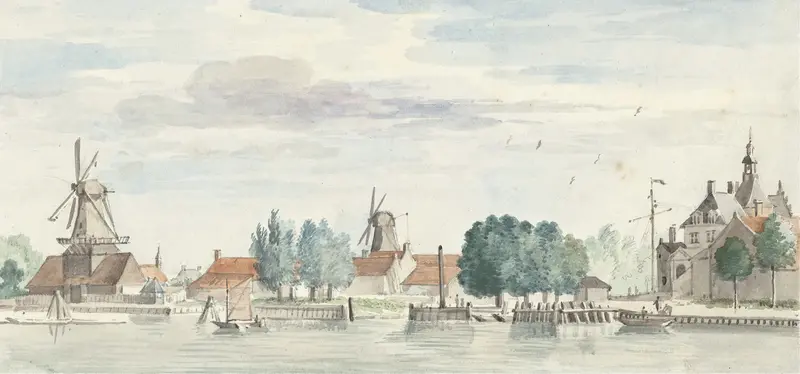
Gezicht op Dordrecht met de Rietdijkspoort en windmolens
Aert Schouman
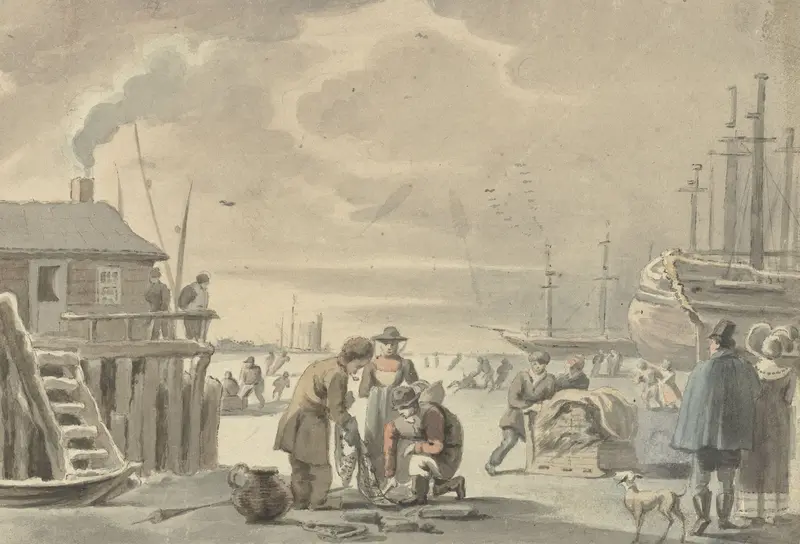
Gezicht op de bevroren Merwede bij Moerdijk
Aert Schouman
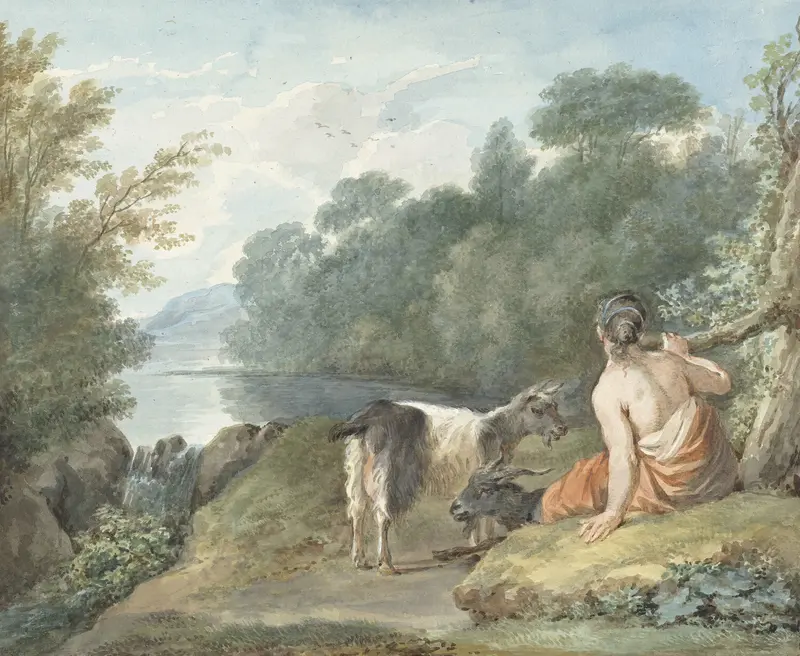
Herderin met geiten in een landschap met een meer
Aert Schouman
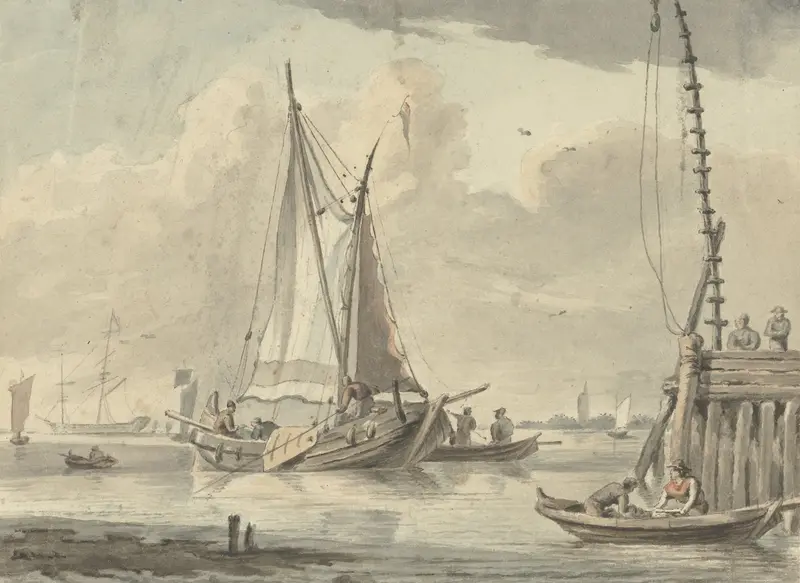
Zeilschepen op de rivier bij Dordrecht
Aert Schouman

Zeilend schip op de Beneden Merwede bij de Papendrechtse dijk
Aert Schouman
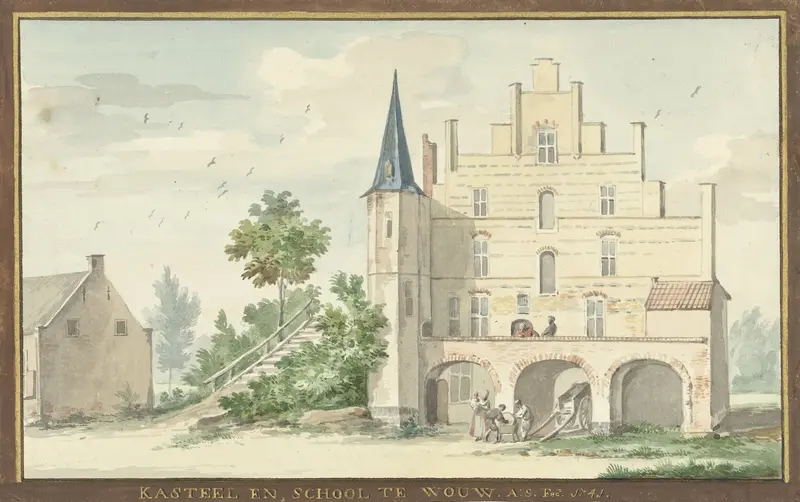
Het kasteel en school te Wouw
Aert Schouman
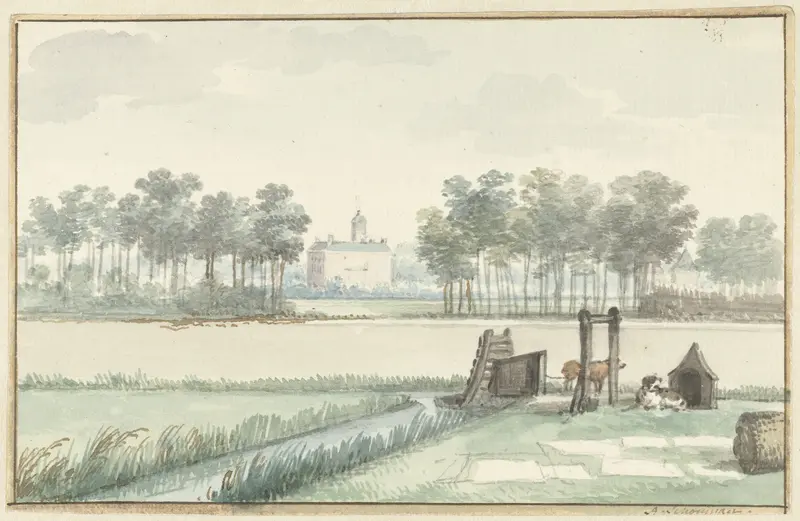
Het kasteel Ter Hooge op Walcheren
Aert Schouman
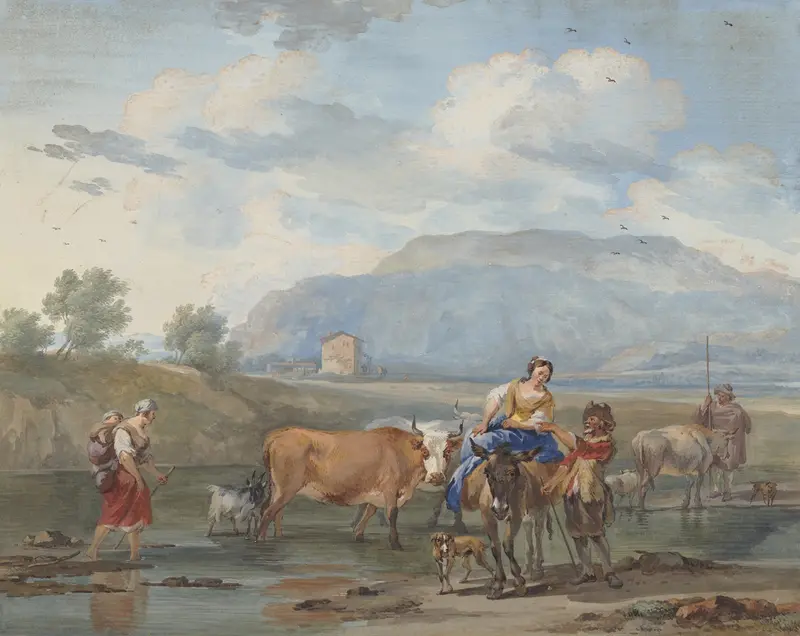
Hirten treiben Kühe durch ein Wasser, links trägt eine Frau ihr Kind auf dem Rücken, rechs reitet eine andere auf einem Esel
Aert Schouman
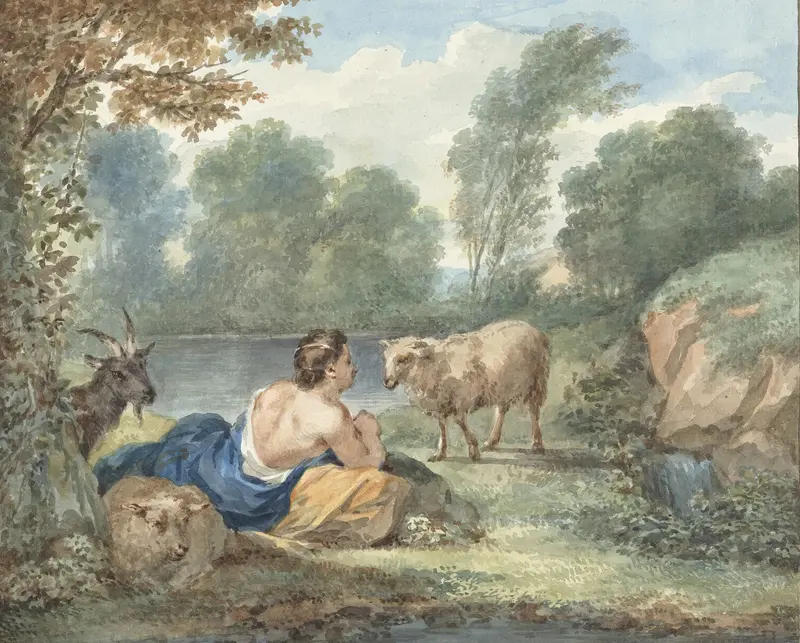
Herderin met schapen in een landschap met een meertje
Aert Schouman
More Landscape Art

The Starry Night
Vincent van Gogh

View of Delft
Johannes Vermeer

Water Lilies
Claude Monet

The Grand Canal, Venice, looking north-west from the Ca' Corner to the Ca' Contarini degli Scrigni, with the campanile of Santa Maria della Carità
Canaletto

Windsor Castle
Canaletto

The Grand Canal looking North-East from the Palazzo Dolfin-Manin to the Rialto Bridge
Canaletto