
Landschap met schaap op heuvel en bomen — History & Facts
What if beauty was never meant to be finished? In the tranquil expanse of Landschap met schaap op heuvel en bomen, a solitary sheep rests on a gentle hill, surrounded by the whispers of ancient trees, invoking a sense of serenity that transcends time. Look to the left at the rich, verdant trees, their leaves catching the soft light that dances across the canvas. Notice how the sheep, central yet unassuming, draws your eye with its stillness, contrasting sharply against the vibrant hues of the landscape. The brushwork is deft, with strokes that imbue the scene with texture and life, while the warm color palette of earth tones envelops the viewer in an embrace of nature’s splendor. Beneath the surface, the painting hints at a deeper narrative of solitude and coexistence.
The sheep, a symbol of pastoral tranquility, embodies the essence of simplicity in life. Yet, the empty spaces within the landscape evoke an unsettling void, a reminder of nature's impermanence. This duality between beauty and absence invites reflection on our connection to the world around us and the fleeting moments that define it. During the period between 1610 and 1650, Jan van Brosterhuyzen created this piece amidst a flourishing artistic environment in the Netherlands.
It was a time when landscape painting began to gain prominence, reflecting the era's appreciation for nature and its intricate beauty. As the artist explored this burgeoning genre, he embraced the balance between reality and idealism, contributing to a legacy that celebrated both the ordinary and the enchanting.
More Artworks by Jan van Brosterhuyzen
Browse all →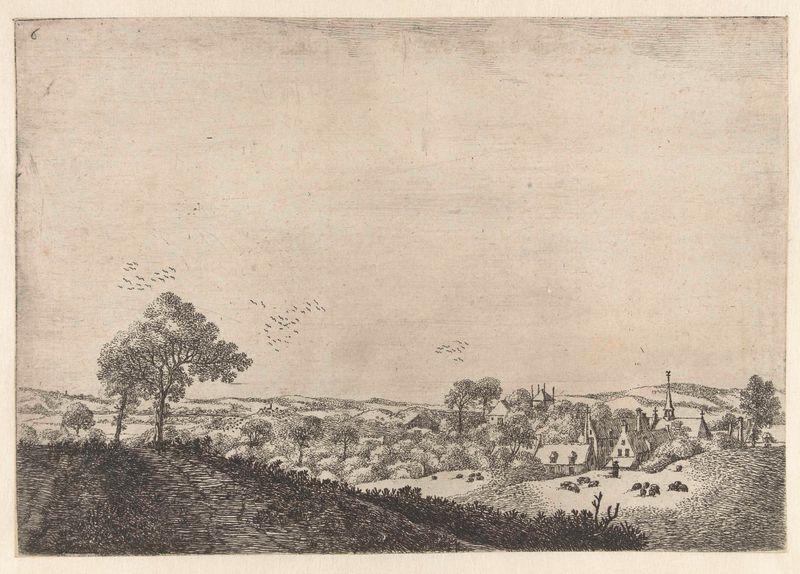
Landschap met dorp en herder met kudde
Jan van Brosterhuyzen
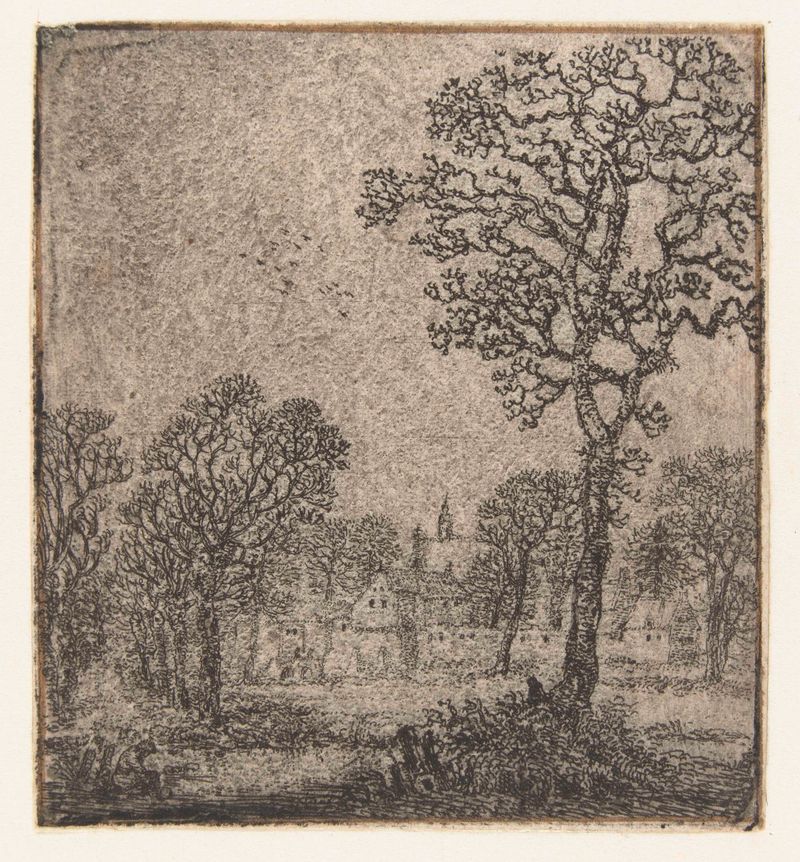
Winterlandschap met gezicht op een dorp
Jan van Brosterhuyzen
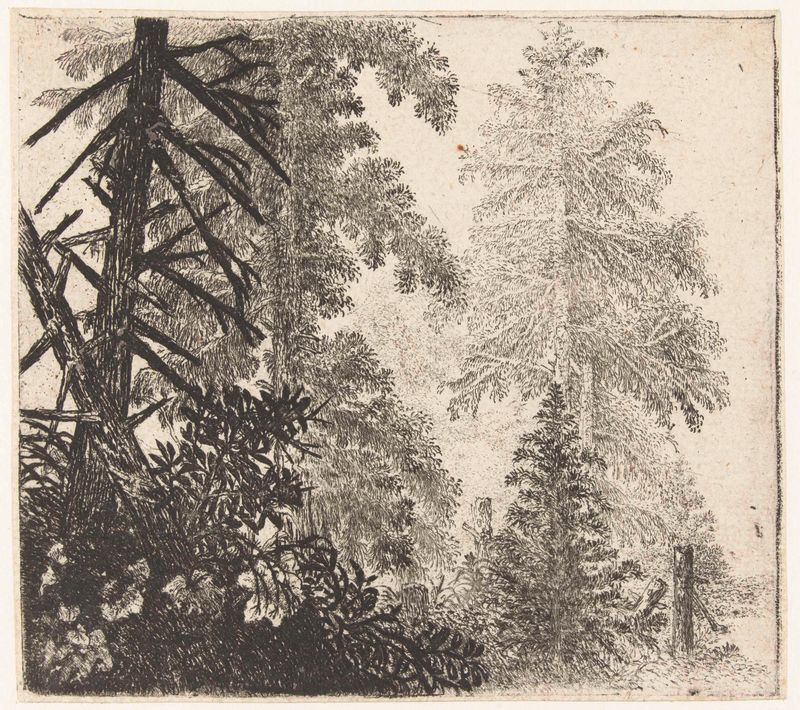
Landschap met de twee sparren
Jan van Brosterhuyzen
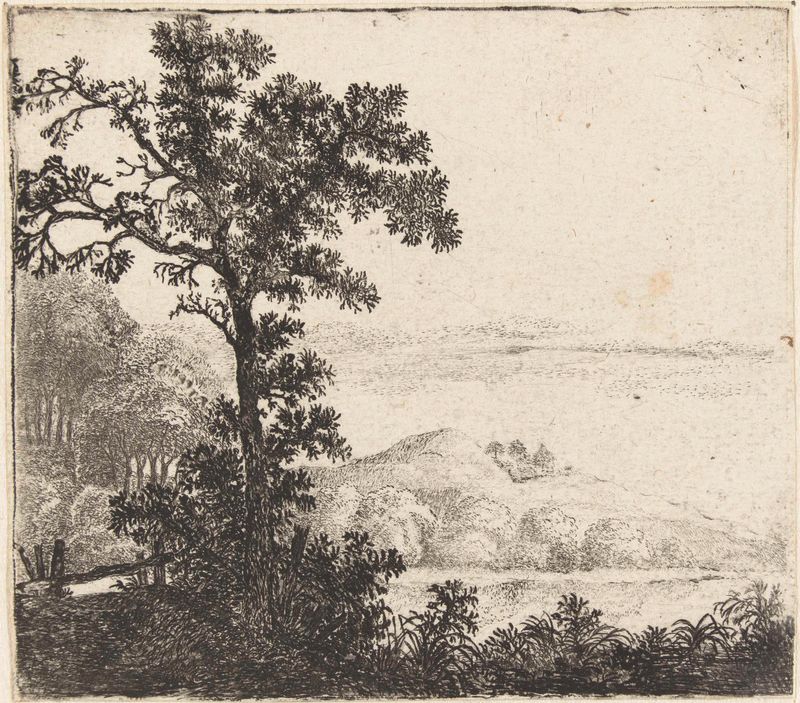
Landschap met boom bij een rivieroever
Jan van Brosterhuyzen
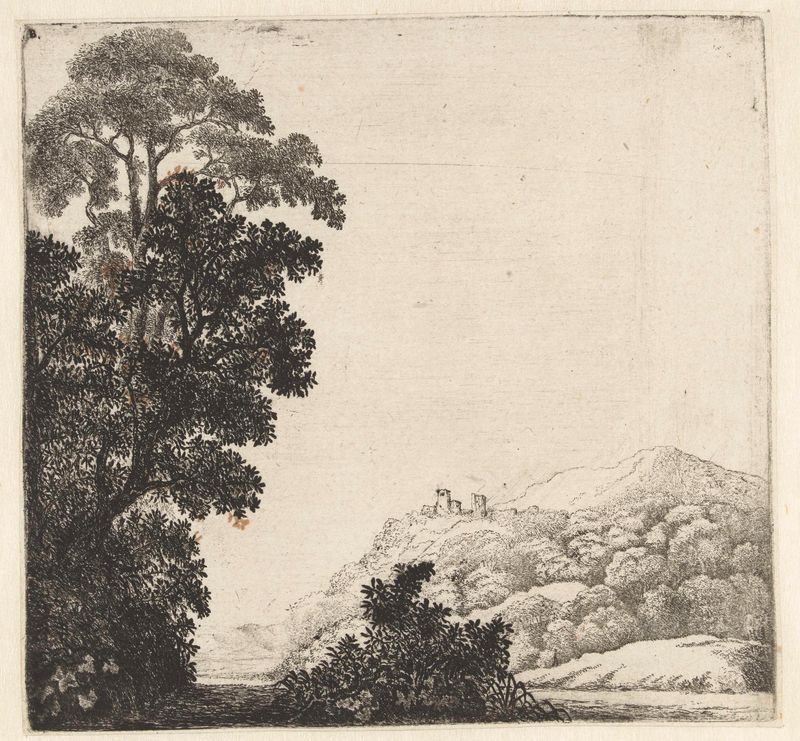
Landschap met ruïne op heuvel
Jan van Brosterhuyzen
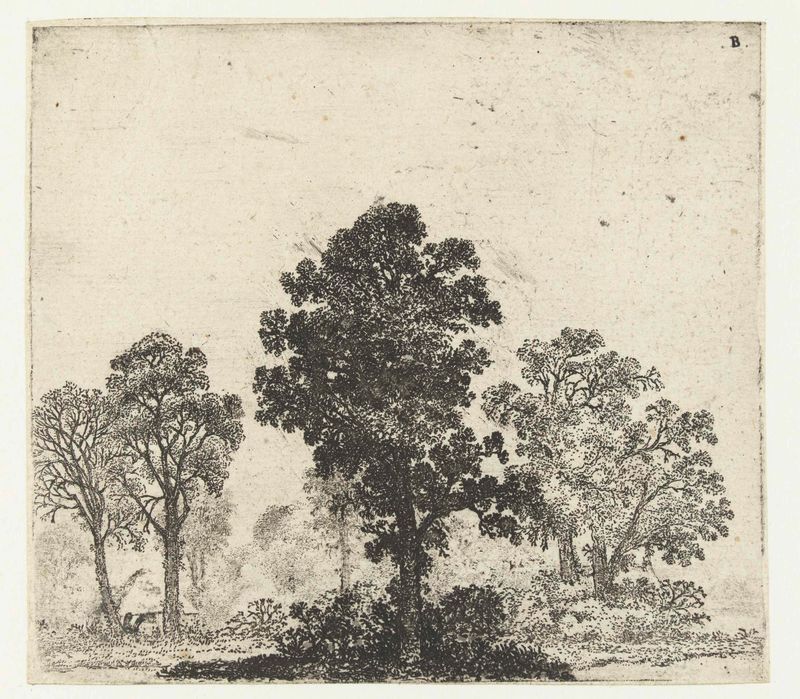
Landschap met boom in het midden
Jan van Brosterhuyzen
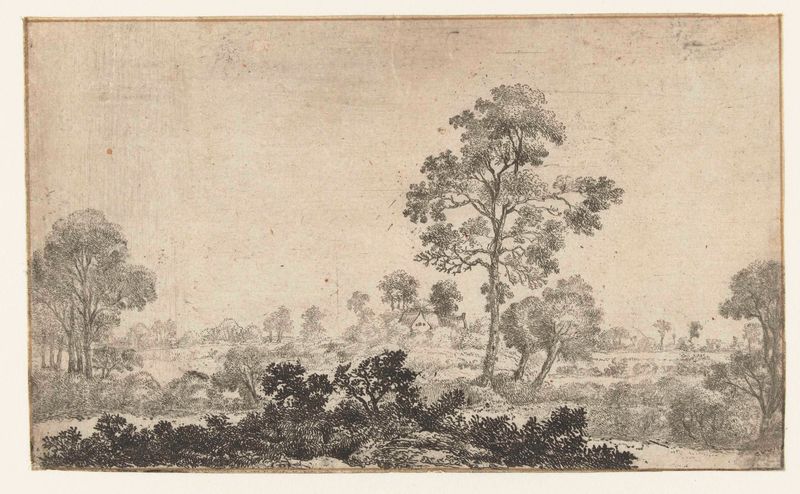
Landschap met twee wilgen bij grote boom
Jan van Brosterhuyzen

Gezicht op een kasteel
Jan van Brosterhuyzen

Landschap met boerderij bij een vijver
Jan van Brosterhuyzen

Landschap met gezicht op dorp en man in boot
Jan van Brosterhuyzen





