
Landschap met een herder en zijn kudde — History & Facts
Where does light end, and longing begin? In the soft haze of Landschap met een herder en zijn kudde, the boundary blurs, inviting introspection as it captures a pastoral dreamscape tinged with the weight of decay. Look to the left, where the shepherd stands, enveloped by gentle hills, a solitary figure against the expanse of muted greens and browns. The brushwork is fluid and expressive, rendering the wind in the grass, while soft light filters through, creating a warm golden glow that contrasts with the cooler tones of the distant landscape. Notice how the grazing sheep, scattered like clouds, echo the rhythm of the land, their white forms punctuating the canvas and guiding your eye deeper into the horizon. The emotional tension here lies in the juxtaposition of life and decay; the sheep symbolize a serene existence, yet their presence also hints at the inevitable passage of time.
The fading light reflects not only a setting sun but also an impending end, as the landscape itself holds whispers of both beauty and loss. Shadows lengthen as the day wanes, fostering a quiet contemplation on the nature of existence and the ephemeral quality of pastoral life. Created between 1637 and 1679, this work emerged during a period of tranquility in the Netherlands, where artists like Philips Augustijn Immenraet sought to capture the serene beauty of the countryside. Amidst the flourishing of Dutch landscape painting, he focused on portraying the simplicity and poignancy of rural life, reflecting both the harmony and fragility of nature in a changing world.
More Artworks by Philips Augustijn Immenraet
Browse all →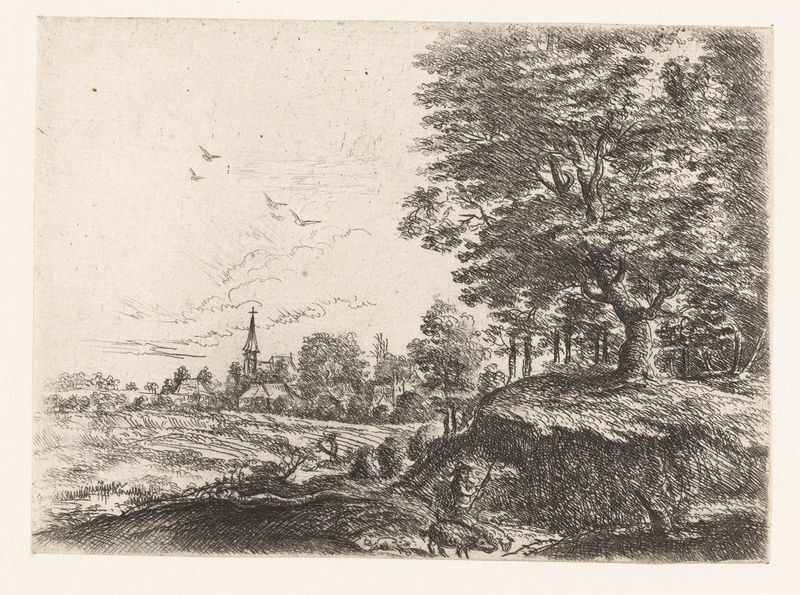
Landschap met een man met varkens
Philips Augustijn Immenraet
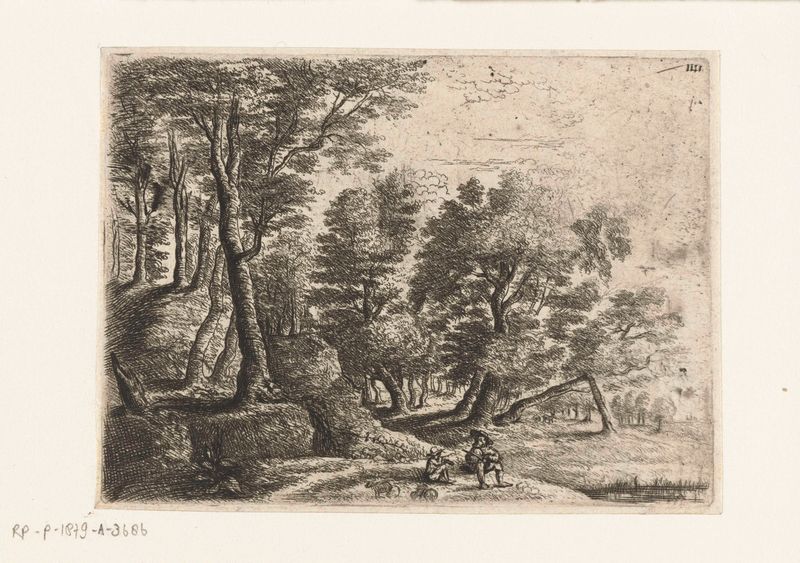
Landschap met zittende jongen en herder
Philips Augustijn Immenraet
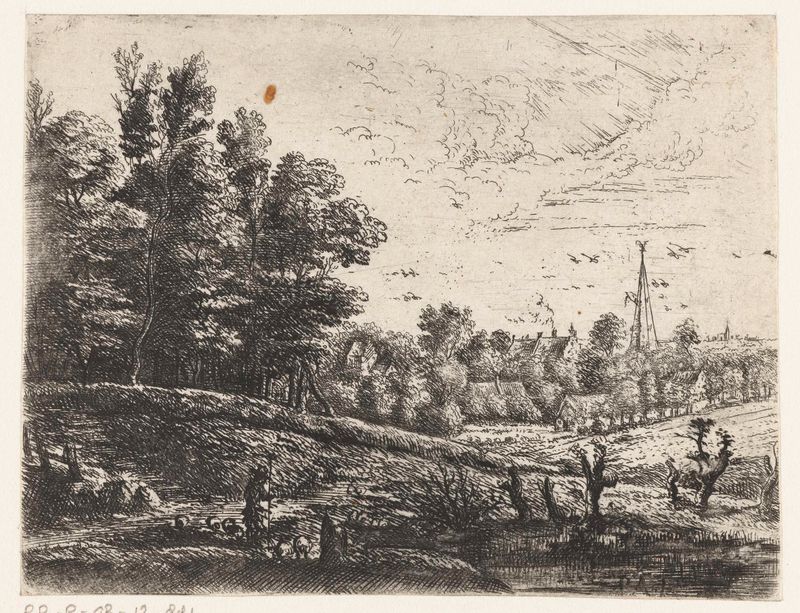
Landschap met een herder
Philips Augustijn Immenraet
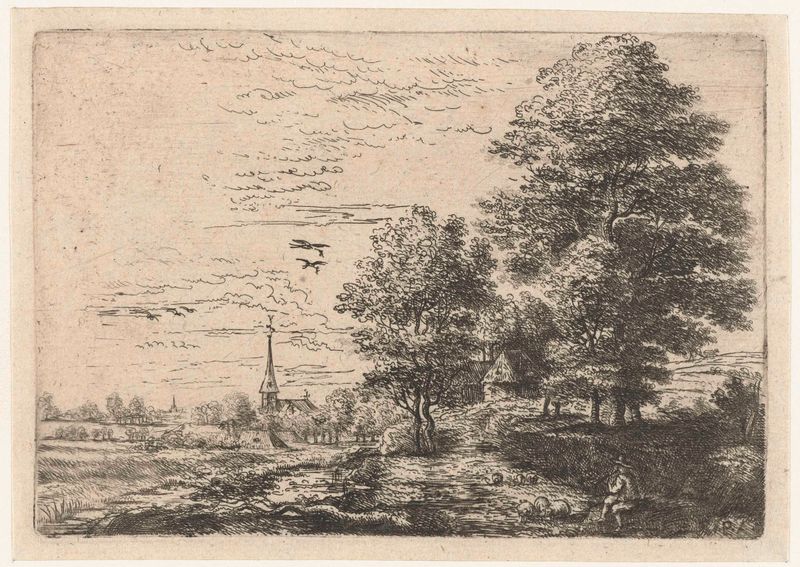
Landschap met herder en schapen
Philips Augustijn Immenraet
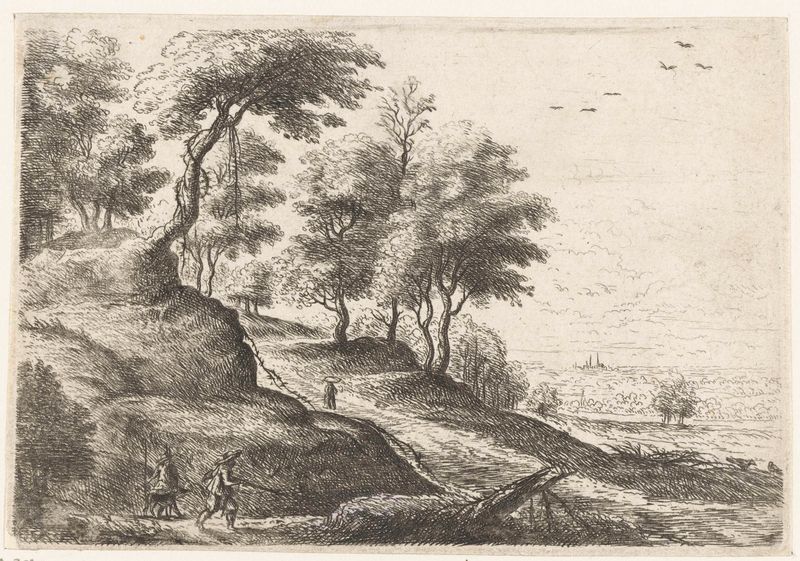
Landschap met twee jagers
Philips Augustijn Immenraet
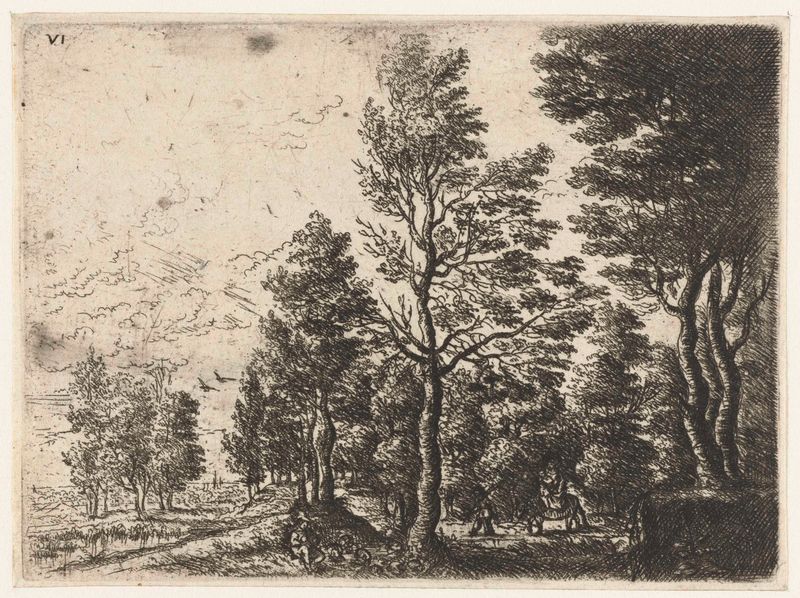
Landschap met een man met een ezel
Philips Augustijn Immenraet
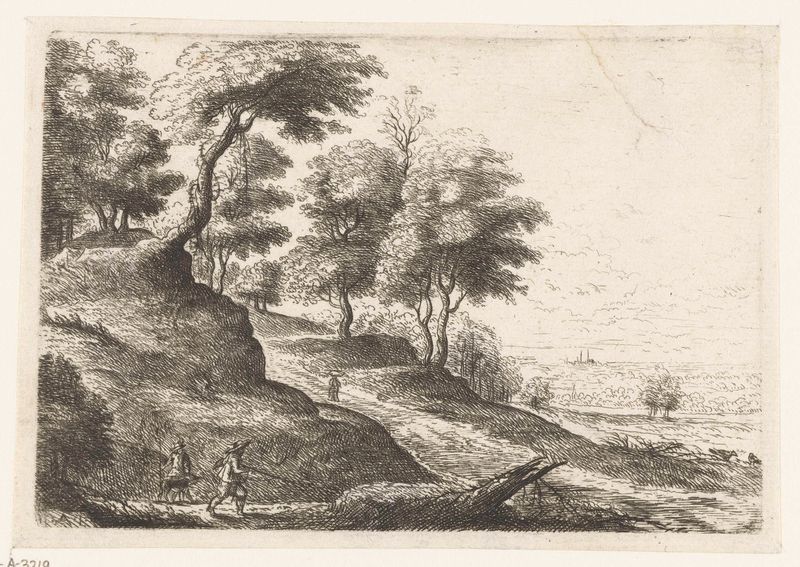
Landschap met twee jagers
Philips Augustijn Immenraet
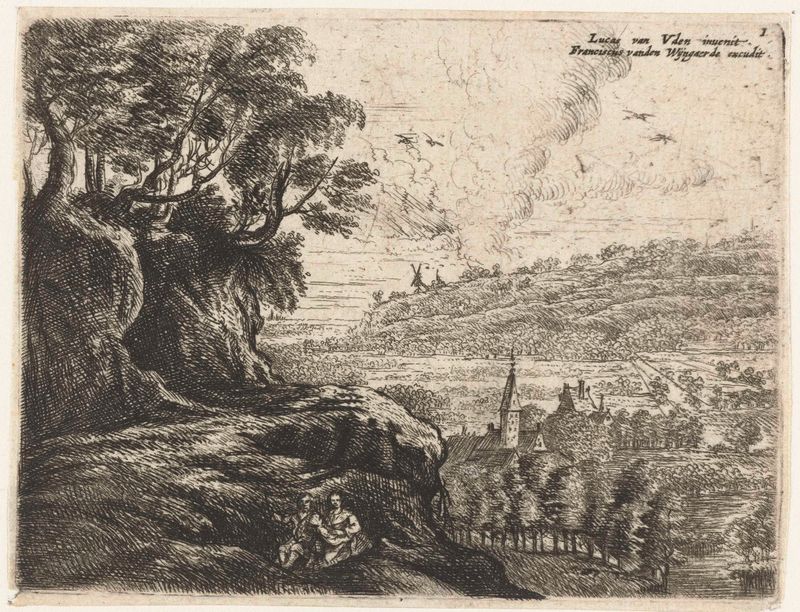
Landschap met een man, vrouw en kind
Philips Augustijn Immenraet
Landschap met een wandelend paar
Philips Augustijn Immenraet
Landschap met een man, vrouw en kind
Philips Augustijn Immenraet





