
Landschappen in houtskool — History & Facts
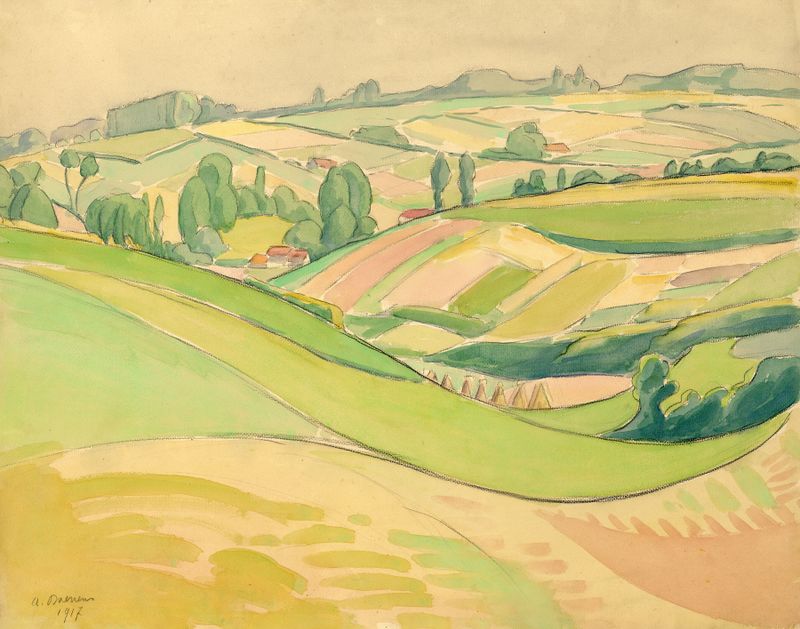
Can beauty exist without sorrow? In Landschappen in houtskool, the intricate play of light and shadow gestures towards an ecstatic harmony, both poignant and bittersweet. Look to the swirling charcoal strokes that delineate the contours of the landscape, drawing your gaze across the canvas like a gentle breeze. Notice how the deep blacks contrast with subtle shades of gray, creating a sense of depth and dimensionality. The meticulous texture of the charcoal offers a tactile quality, inviting you to explore the nuances hidden in the landscape—each mark a reflection of the artist's hand, breathing life into the stillness. Amidst the rugged beauty, there exists a tension between tranquility and turmoil.
The foreground reveals a serene natural vista, yet the shadows loom heavy in the background, suggesting the weight of unspoken stories. This emotional dichotomy mirrors the artist's own journey—a celebration of nature's splendor intertwined with the inevitable melancholy of existence. Elements like the gnarled trees and distant mountains evoke a sense of both wonder and longing, urging viewers to contemplate their own relationship with the sublime. In 1915, while residing in Belgium, Daenens painted this work, a period marked by the devastation of World War I.
The conflict profoundly influenced his artistic vision, compelling him to capture both the beauty and fragility of life. As Europe grappled with turmoil, his landscapes became a refuge, reflecting a longing for peace amidst chaos.
More Artworks by Albert Daenens
Browse all →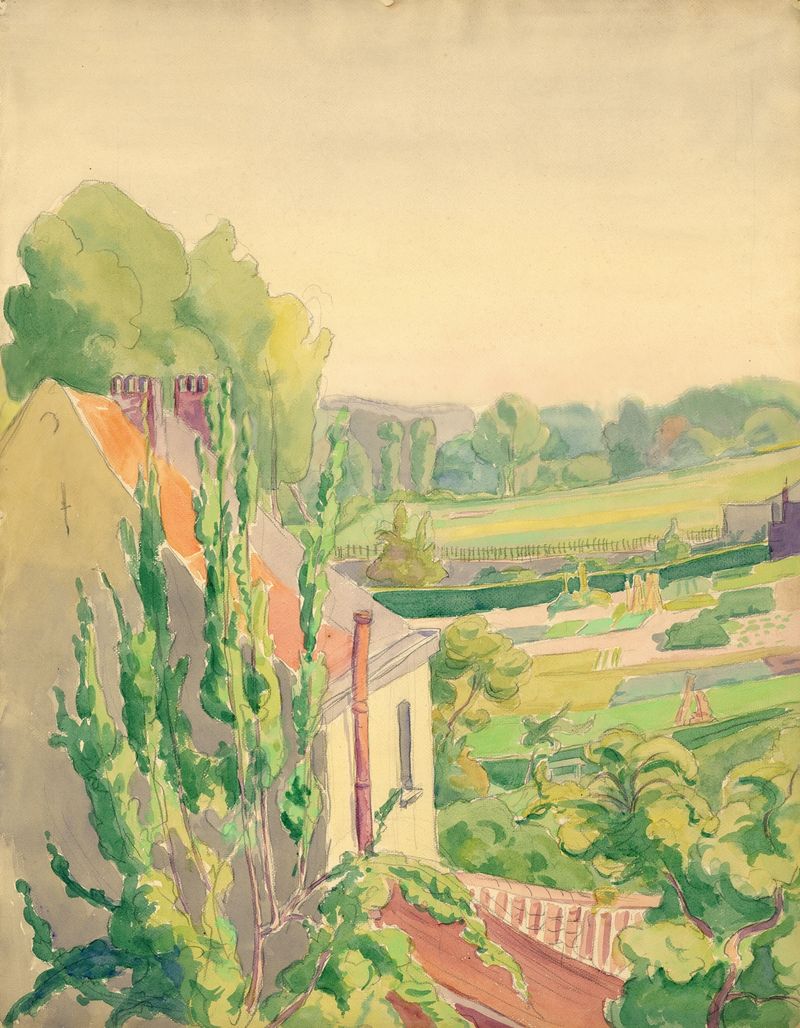
Landschap in aquarel
Albert Daenens
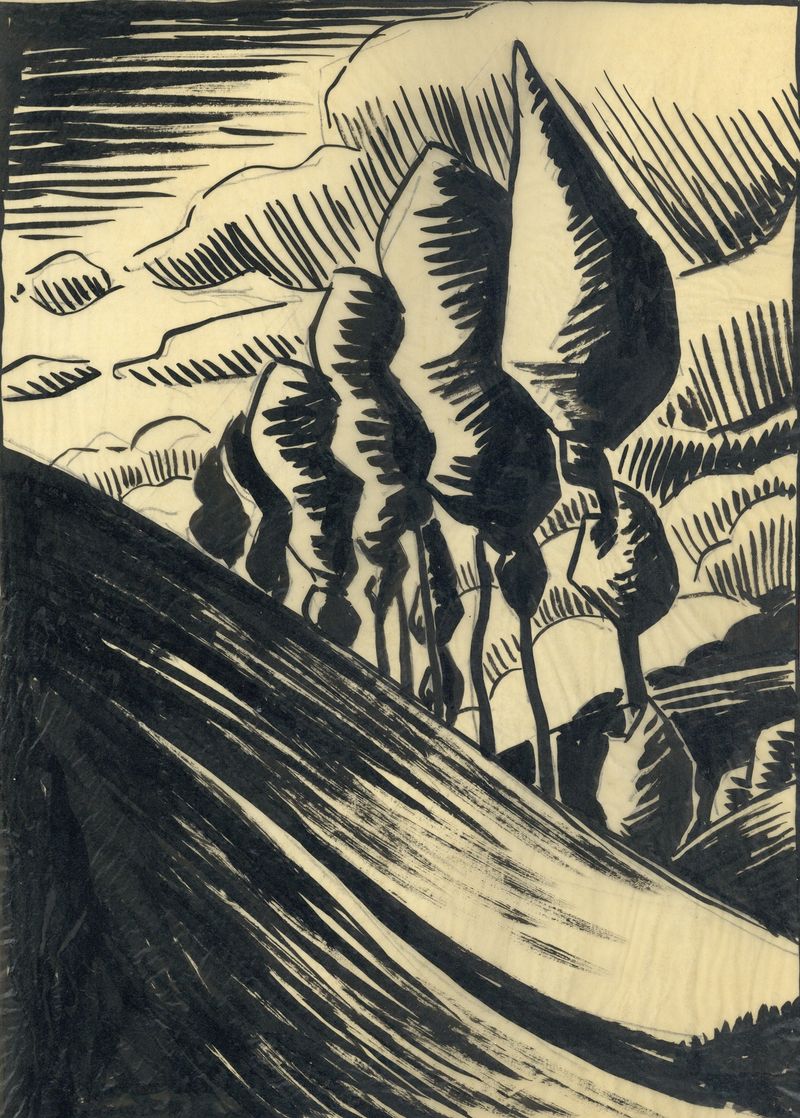
Landschap in inkt
Albert Daenens
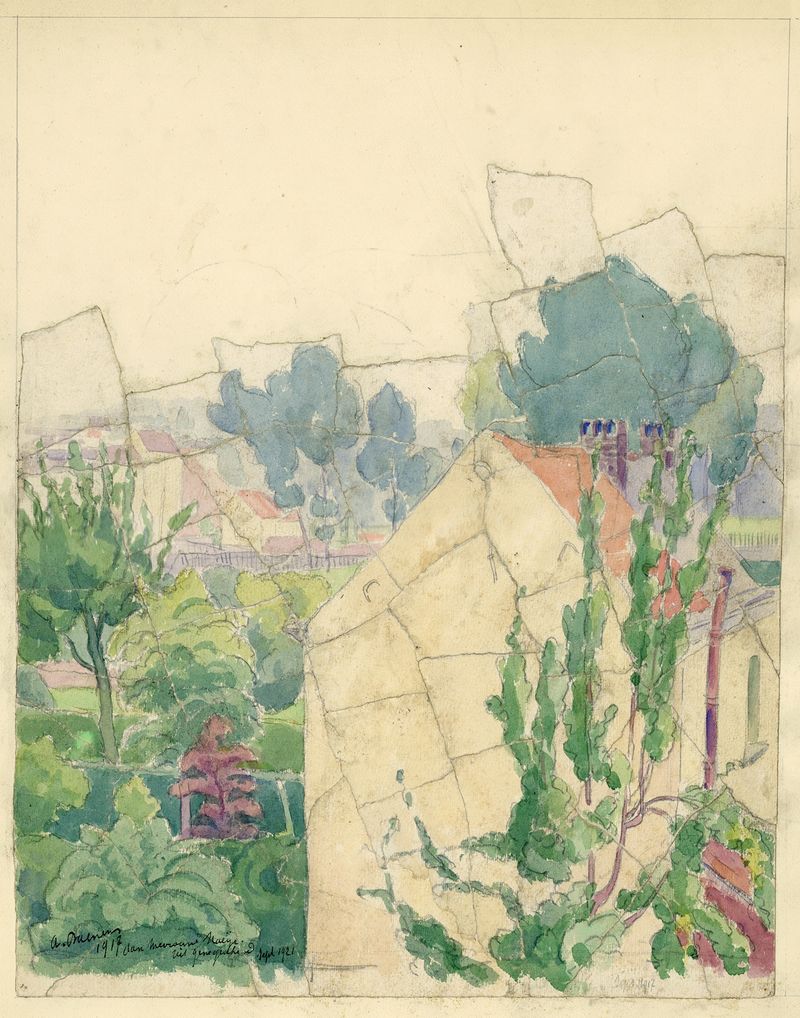
Landschap in aquarel
Albert Daenens
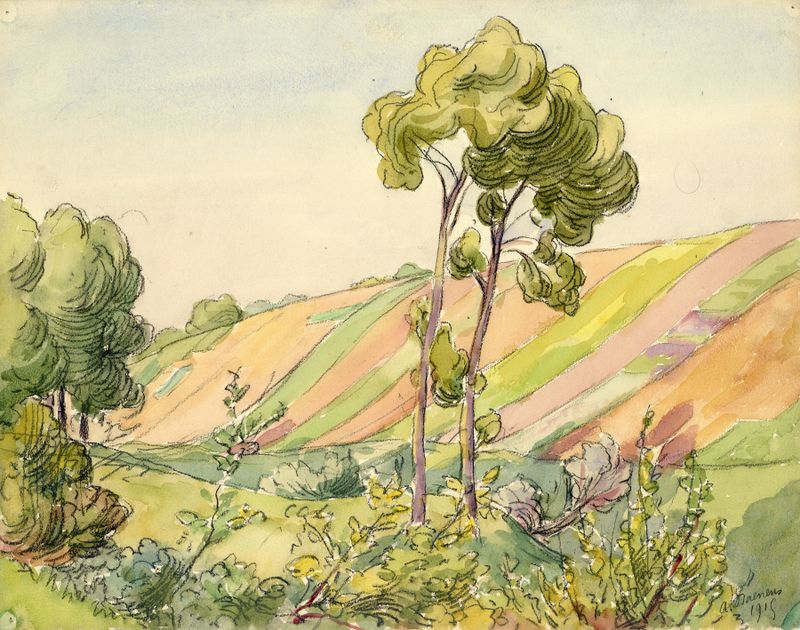
Landschap in aquarel
Albert Daenens

Landschappen Natuur
Albert Daenens
Landschap in aquarel
Albert Daenens
Landschap in inkt
Albert Daenens

Landschap in inkt
Albert Daenens
Landschap in inkt
Albert Daenens

Landschap in inkt
Albert Daenens





