Langenthal — History & Facts
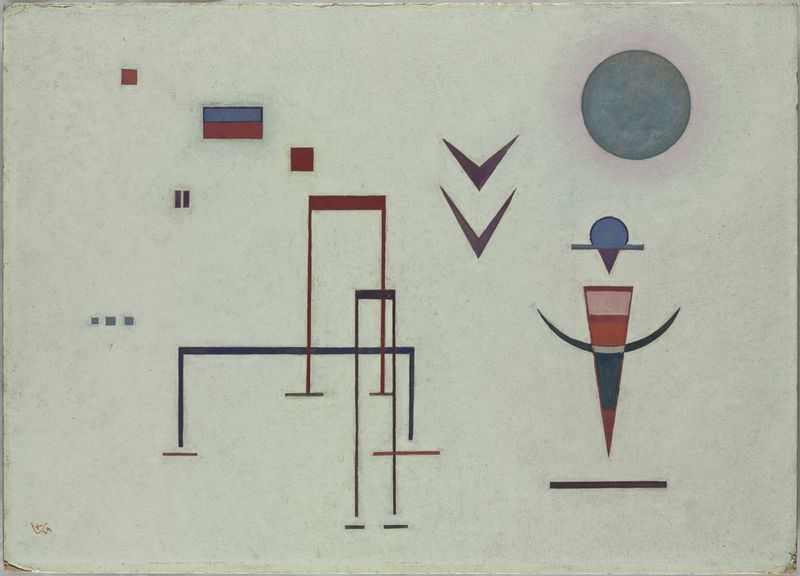
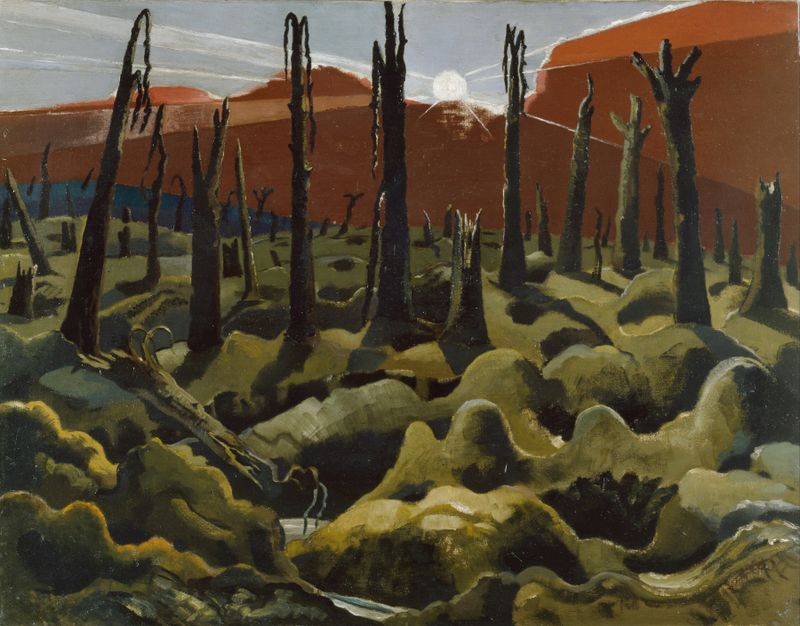
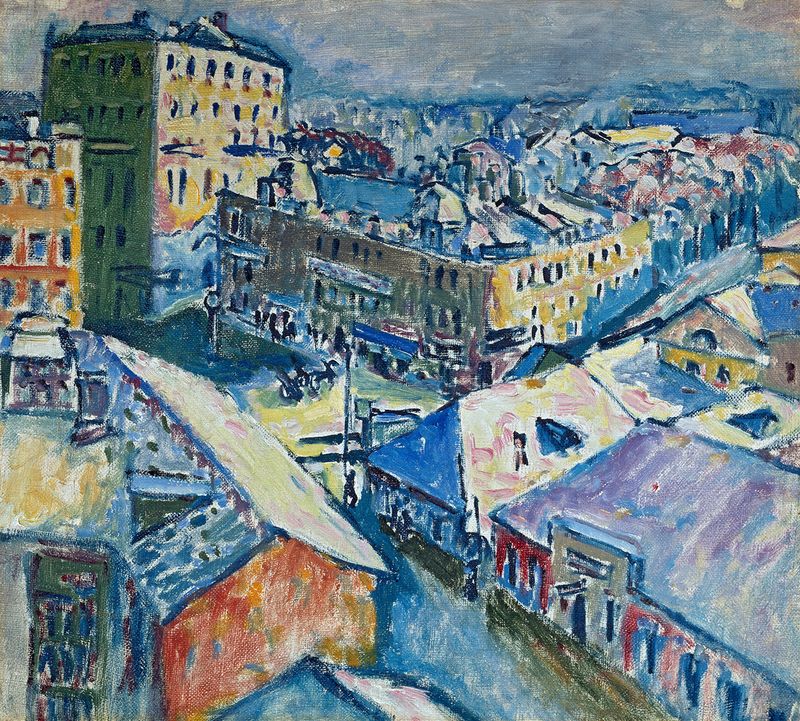
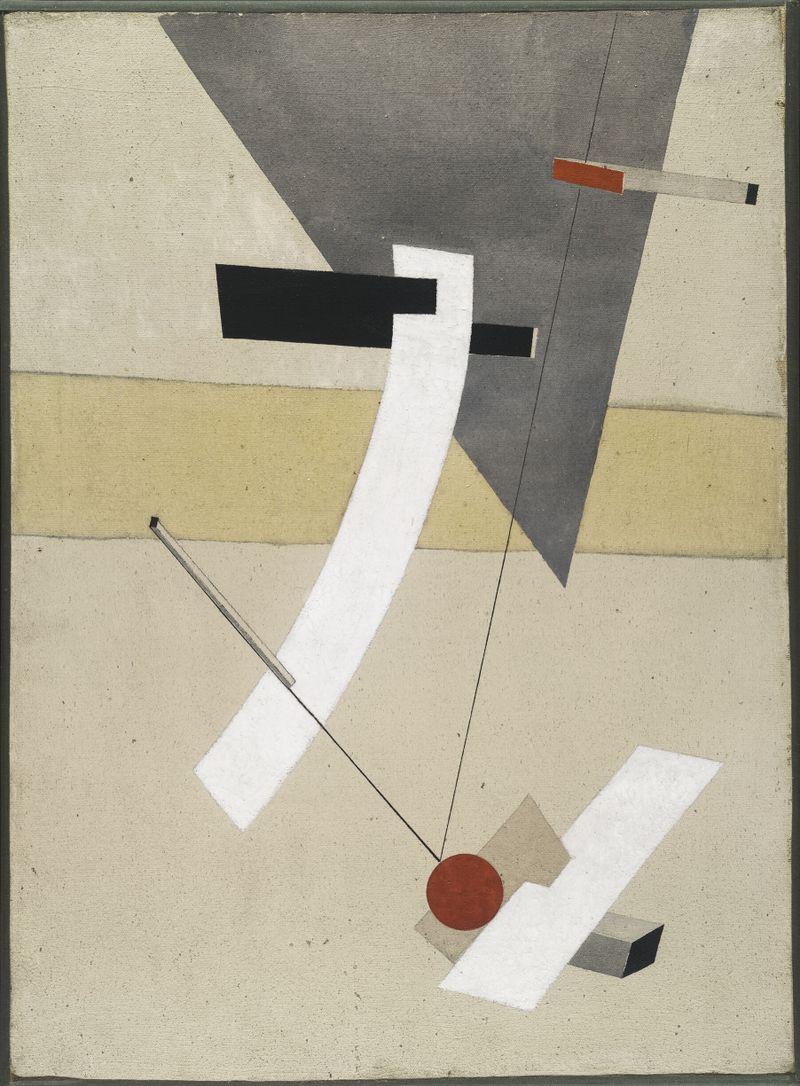
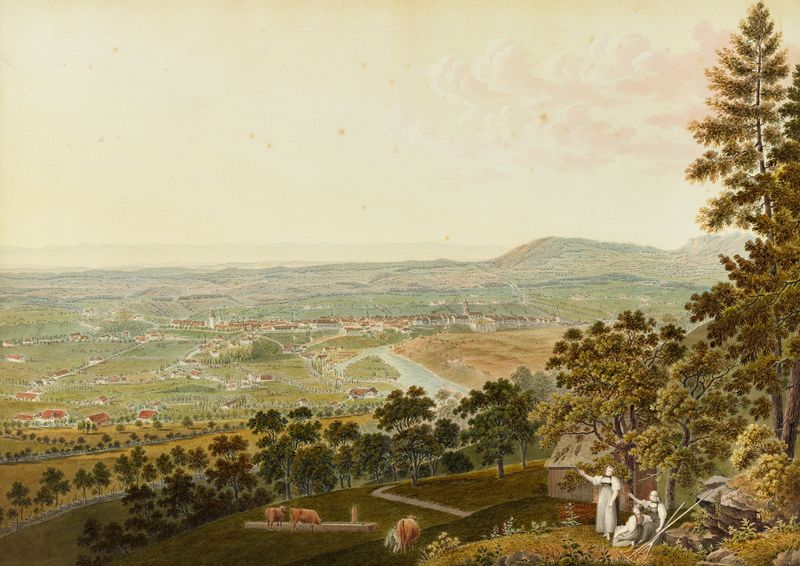
In the quietude of creation, colors pulse with the life of revolution, echoing the unyielding spirit of a time when the world was awakening. Begin by looking at the center of the canvas, where vibrant hues swirl and converge, creating a dynamic interplay of light and shadow. The deliberate strokes convey both chaos and harmony, inviting your gaze to dance across the surface. Notice how the brushwork shifts from bold, sweeping gestures to delicate, almost fragile touches, revealing the artist's emotional landscape.
The juxtaposition of warm and cool tones evokes a sense of urgency, a push and pull that draws you deeper into the narrative of transformation. As you explore further, pay attention to the subtle textures that emerge beneath the layer of paint. The impassioned application hints at struggles and triumphs, perhaps reflecting both personal and collective battles of a society in flux. The tension between the structured forms and their chaotic surroundings suggests an impending resolution, while the erratic patterns symbolize the uncertainty of revolution.
Each element holds a significance, coalescing into a greater discourse on change, identity, and resilience. In the context of his life, the artist worked during a time of great upheaval in Europe, likely influenced by the socio-political landscape around him. The exact date of Langenthal remains unknown, yet it aligns with a period of artistic experimentation, where creators sought to capture the essence of their evolving world. Weibel, bridging traditional techniques and emerging modernist ideals, encapsulated a moment in history fraught with passion and potential, inviting viewers to reflect on their own journeys of transformation.
More Artworks by Jakob Samuel Weibel
Browse all →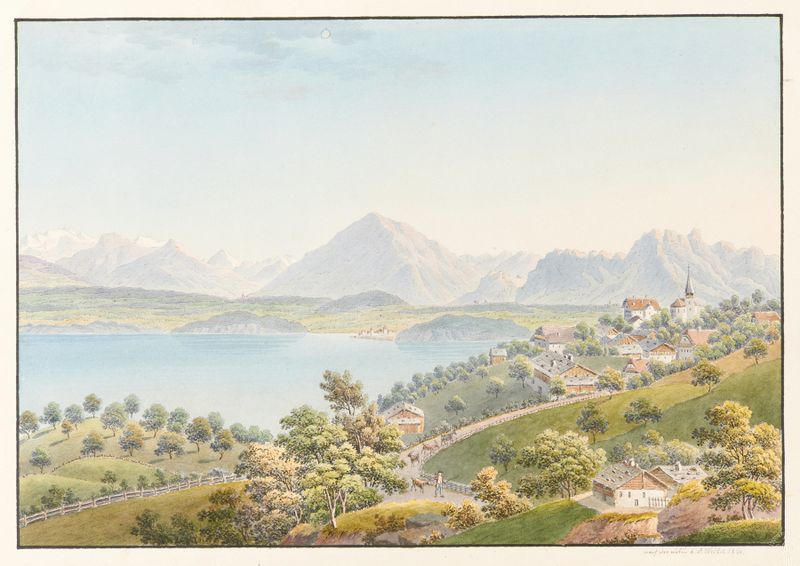
Vue dessiné depuis le Village de Sigriswil, audessus du Lac de Thoune
Jakob Samuel Weibel
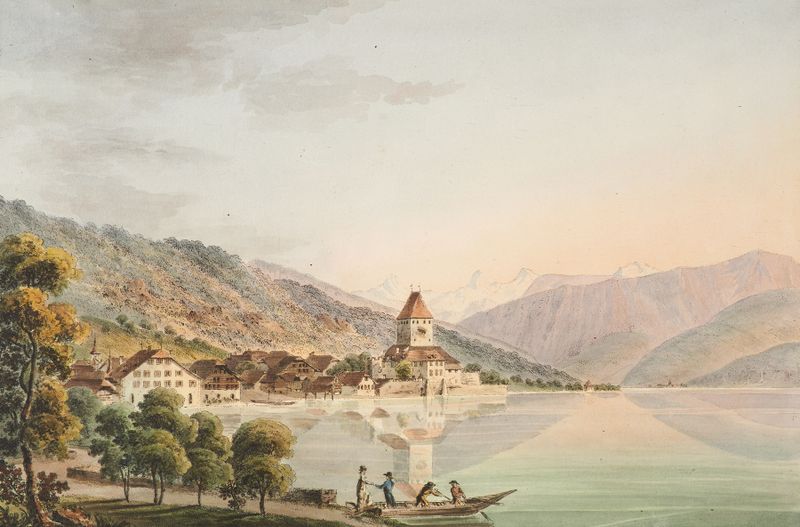
Vûe du Chateau d’Oberhofen au Lac de Thoune
Jakob Samuel Weibel
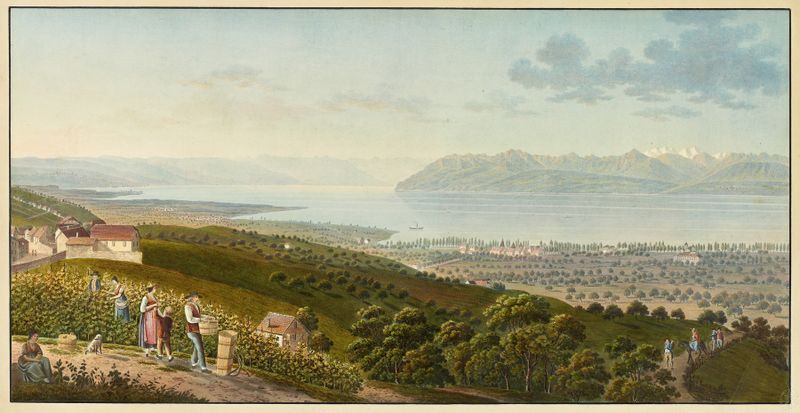
Vue genérale du Lac de Geneve
Jakob Samuel Weibel
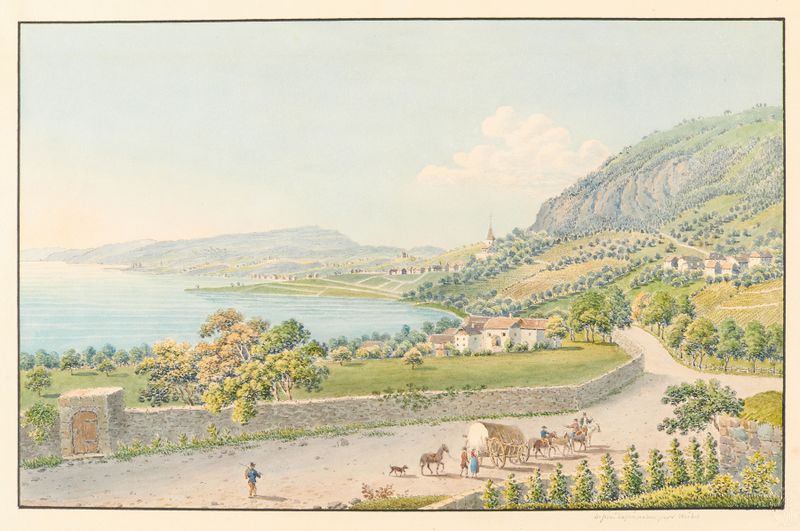
Vue des environs de Montreux et de Clarens
Jakob Samuel Weibel
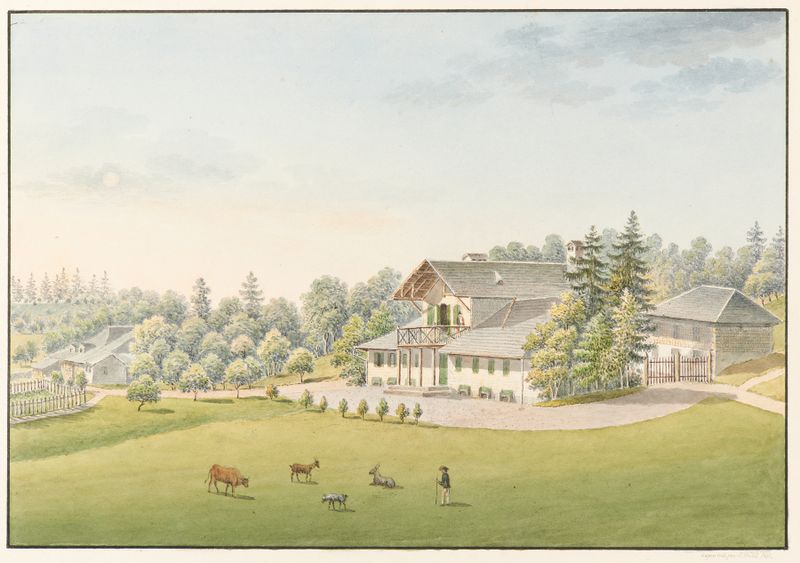
Vue du nouveau Châlet de Vernand
Jakob Samuel Weibel
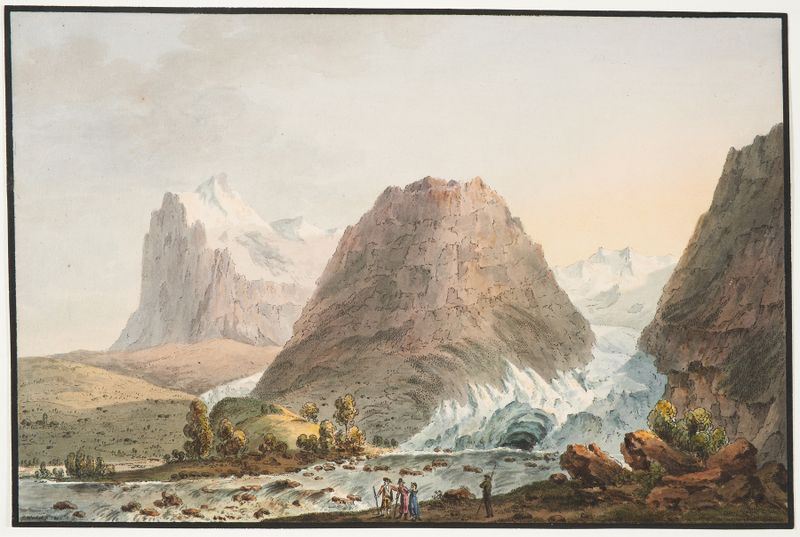
Vûe des Glacieres de Grindelwald
Jakob Samuel Weibel
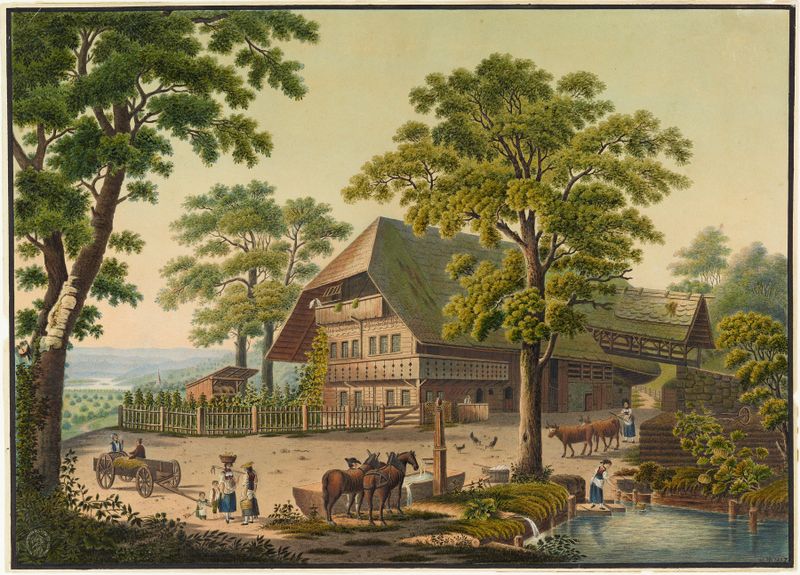
Maison de paysan près Wichtrach
Jakob Samuel Weibel
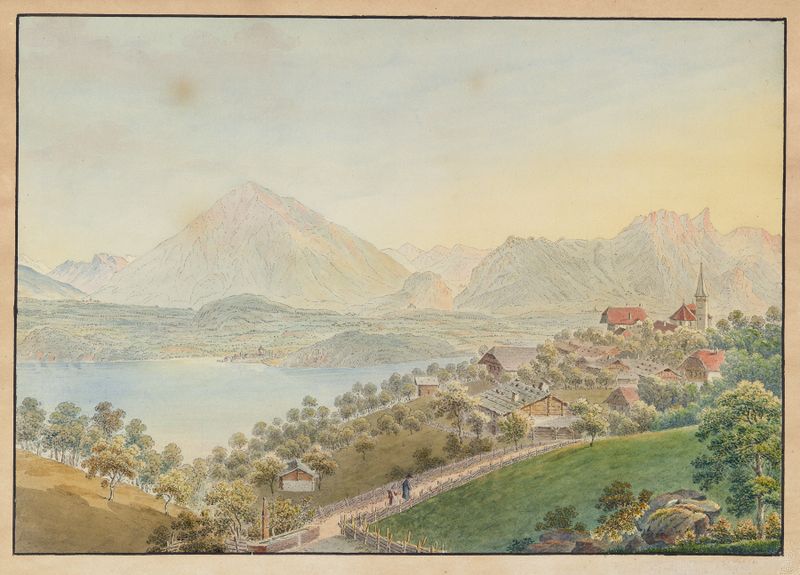
Ansicht von Sigriswil mit Niesen und Thunersee
Jakob Samuel Weibel
Ansicht Berns und der Aare vom Gurten aus
Jakob Samuel Weibel

Lausanne Ville capitale du Canton de Vaud
Jakob Samuel Weibel