Larchant near Fontainebleau — History & Facts
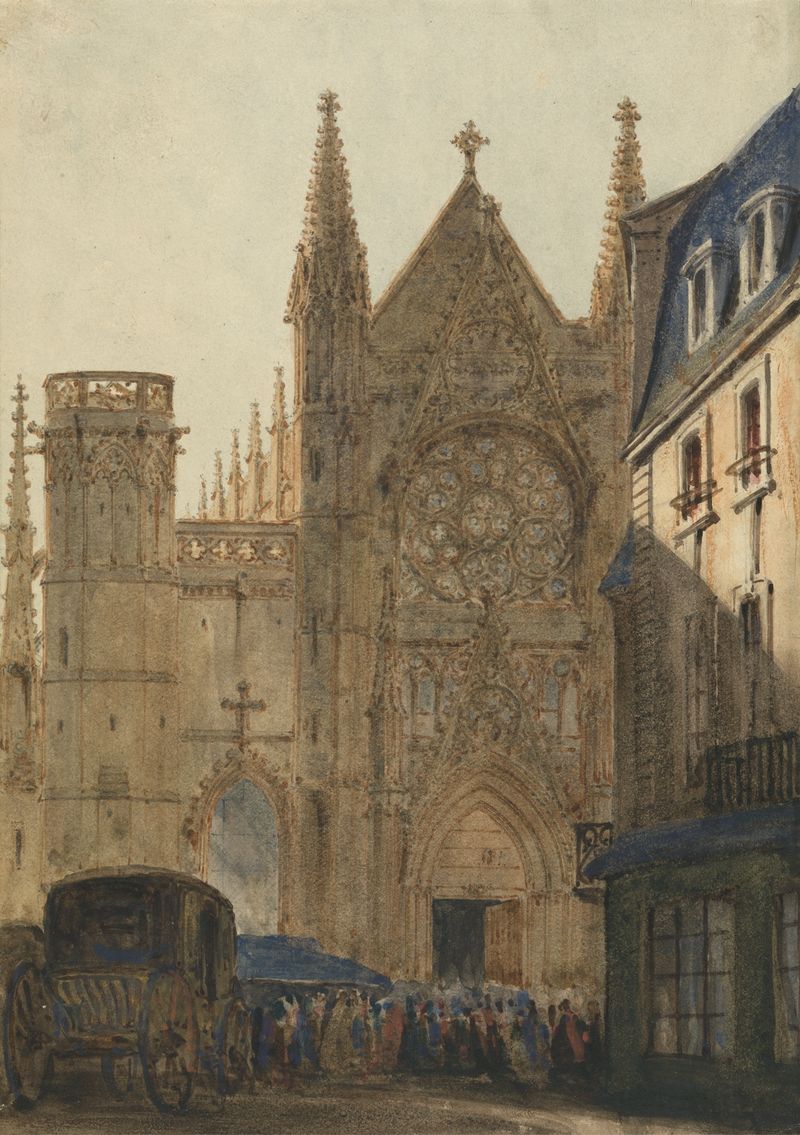
What secret hides in the quiet of the canvas? The stillness of Larchant near Fontainebleau invites contemplation on the delicate balance between nature and creativity. Focus on the verdant hues that dominate the landscape, drawing your gaze toward the lush trees that arch gracefully against the sky. Notice how the soft brushstrokes convey movement in the leaves, while the dappled sunlight creates a symphony of light and shadow. The composition is masterful, guiding your eyes along the gentle contours of the earth, leading to a serene horizon where the sky meets the woodland. In this scene, the contrast between light and dark symbolizes the interplay of inspiration and doubt.
The rich greens evoke a sense of vitality, yet the softer, muted colors in the background hint at an elusive tranquility that may also suggest introspection. Each element, from the intricate textures of the foliage to the subtle variation in colors, reflects an emotional tension — a dance between the vibrancy of life and the silent contemplation inherent in creation. Ambrose Poynter painted this work during a period when Impressionism was flourishing throughout France. While the exact date remains unknown, it is believed to be from the late 19th century when he was exploring the landscapes around Fontainebleau.
This era marked a shift in his artistic practice, as he sought to capture not just the visual beauty of nature, but the emotional resonances it held for both artist and viewer.