
L’attaque du Louvre, le 29 juillet 1830, vue du Pont-Neuf. — History & Facts
Can beauty exist without sorrow? In the chaos of revolution, where the sacred and the profane collide, a moment of transcendent artistry emerges from the tumult. Look to the center of the piece where the Louvre stands tall, its classical façade bathed in the ethereal glow of dawn. The artist captures not just a building, but a spirit, as the soft paleness of the sky contrasts the darkened figures below. Notice how the tumult of the crowd — the soldiers, the citizens, the banners waving defiantly — creates a dynamic foreground that seems to tug at the edges of the monument’s timelessness.
The brushwork is deliberate yet fluid, allowing the viewer to feel the pulse of the moment. Within this chaotic scene, the juxtaposition of the Louvre's grandeur against the backdrop of uprising speaks to deeper tensions of civilization. The beautiful architecture, a symbol of enlightenment and culture, stands resilient, even as the fervor of revolution threatens to shatter its serenity. Hidden among the figures are subtle gestures — a hand raised in defiance, a glance exchanged in desperation — that reveal an emotional core beneath the surface.
Each element intertwines to suggest that divine beauty and human struggle are inextricably linked. Created amidst the July Revolution in Paris in 1830, L’attaque du Louvre, le 29 juillet 1830, vue du Pont-Neuf reflects the fervent spirit of a city on the brink of change. The unknown artist skillfully encapsulated a pivotal moment in history, where artistic expression became a voice for the collective cry for liberty. This was a time when art was not merely an aesthetic pursuit but a powerful commentary woven through the very fabric of life itself.
More Artworks by Unknown Artist
Browse all →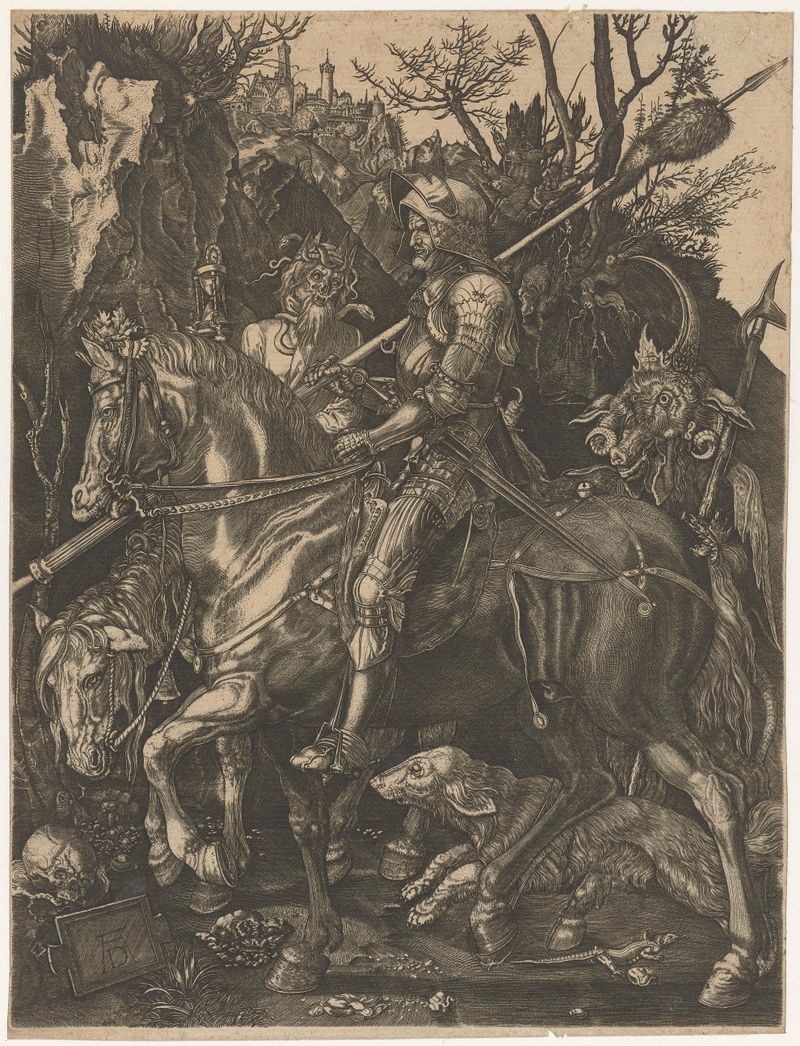
Ridder, Dood en Duivel
Unknown Artist
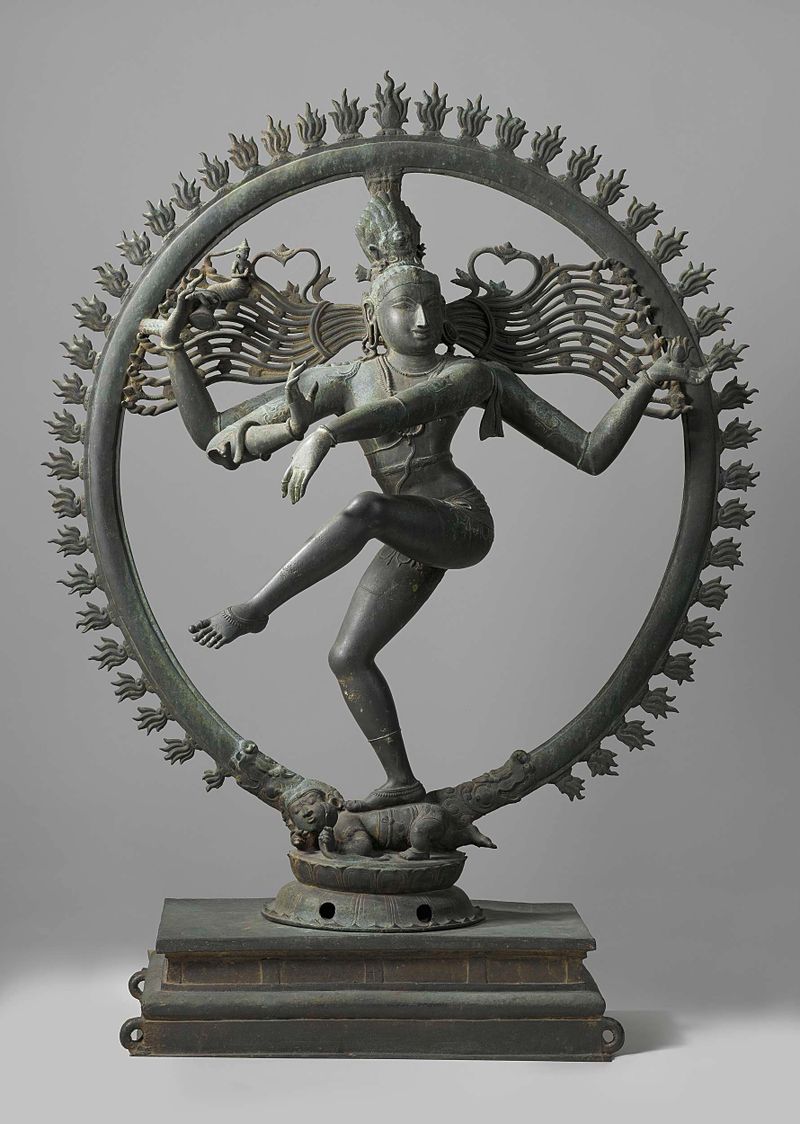
Shiva Nataraja
Unknown Artist
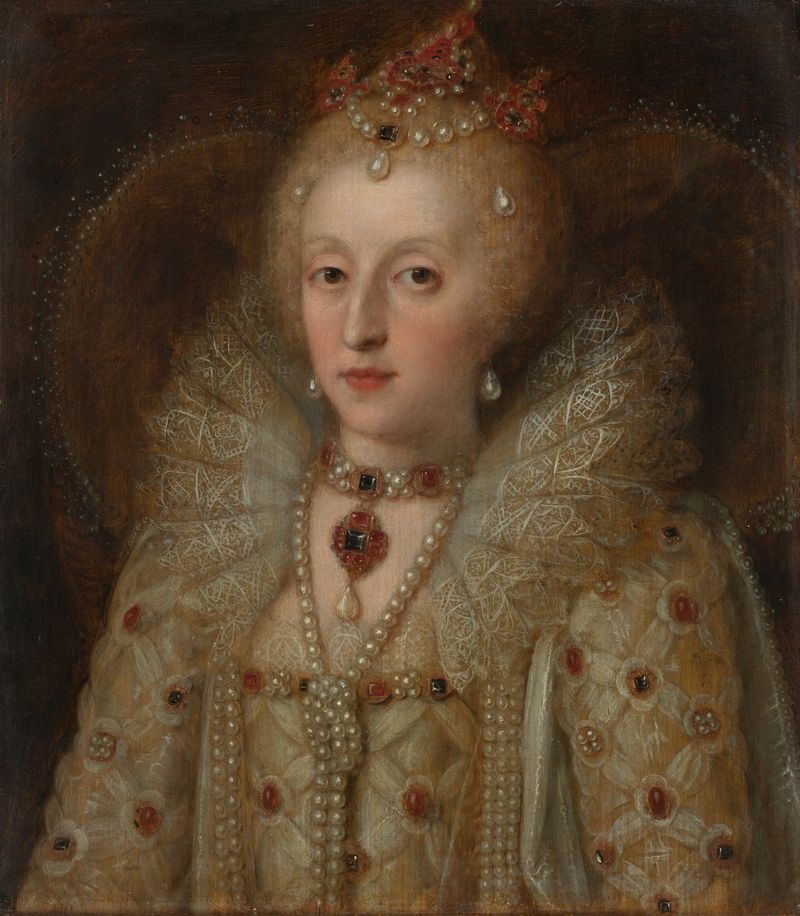
Portrait of Elizabeth I, Queen of England
Unknown Artist
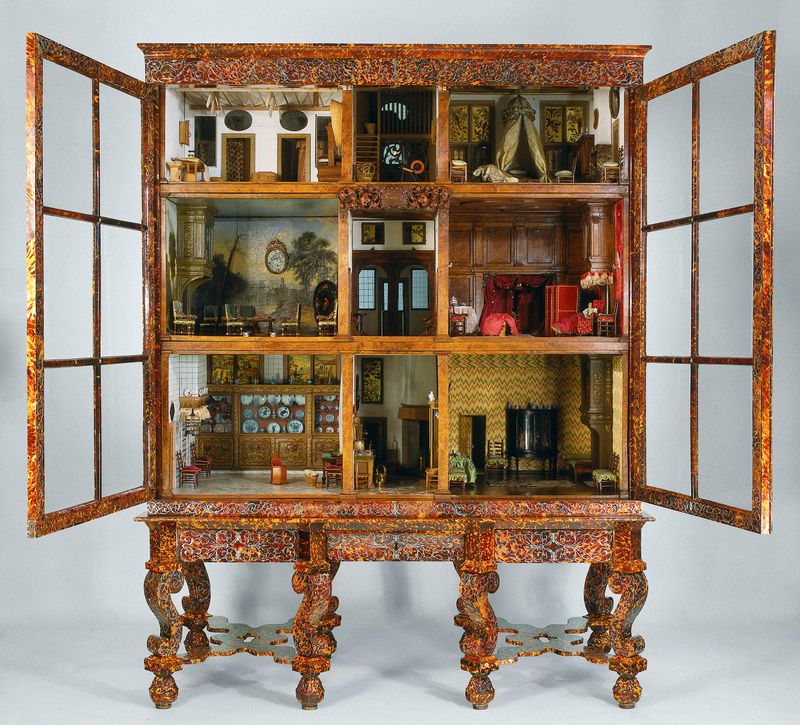
Dolls’ house of Petronella Oortman
Unknown Artist
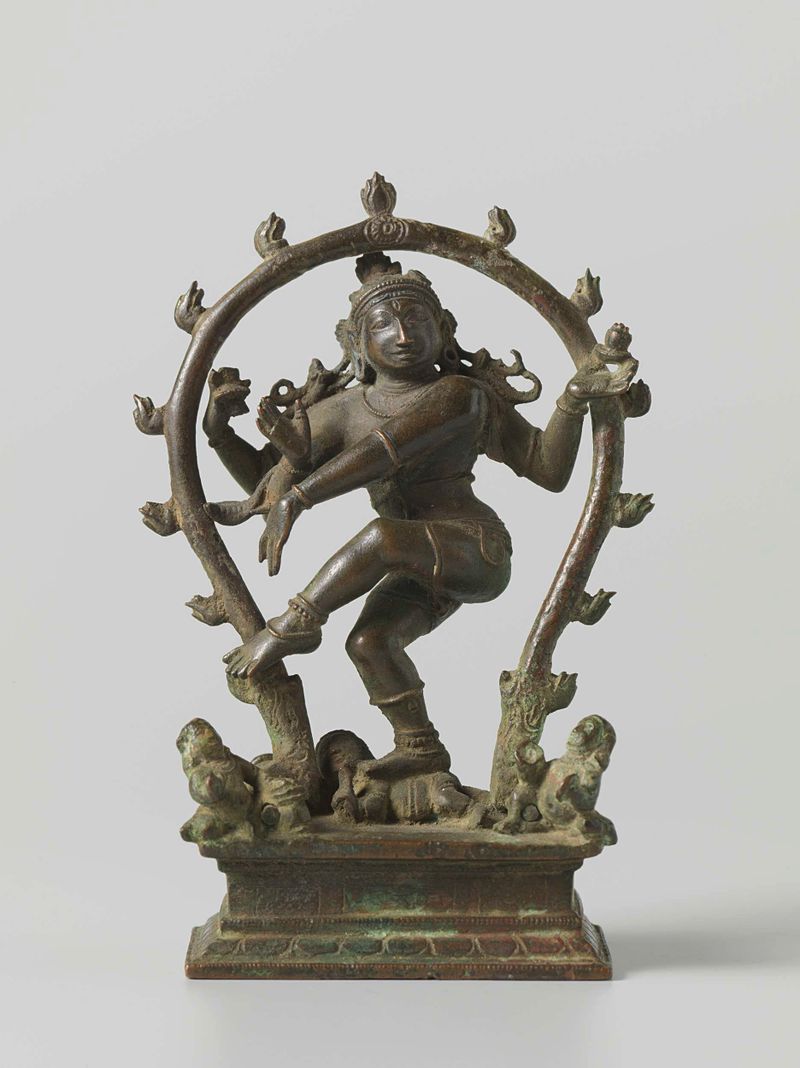
Shiva Nataraja
Unknown Artist

The Tale of Genji
Unknown Artist

The Tale of Genji
Unknown Artist

Cong
Unknown Artist
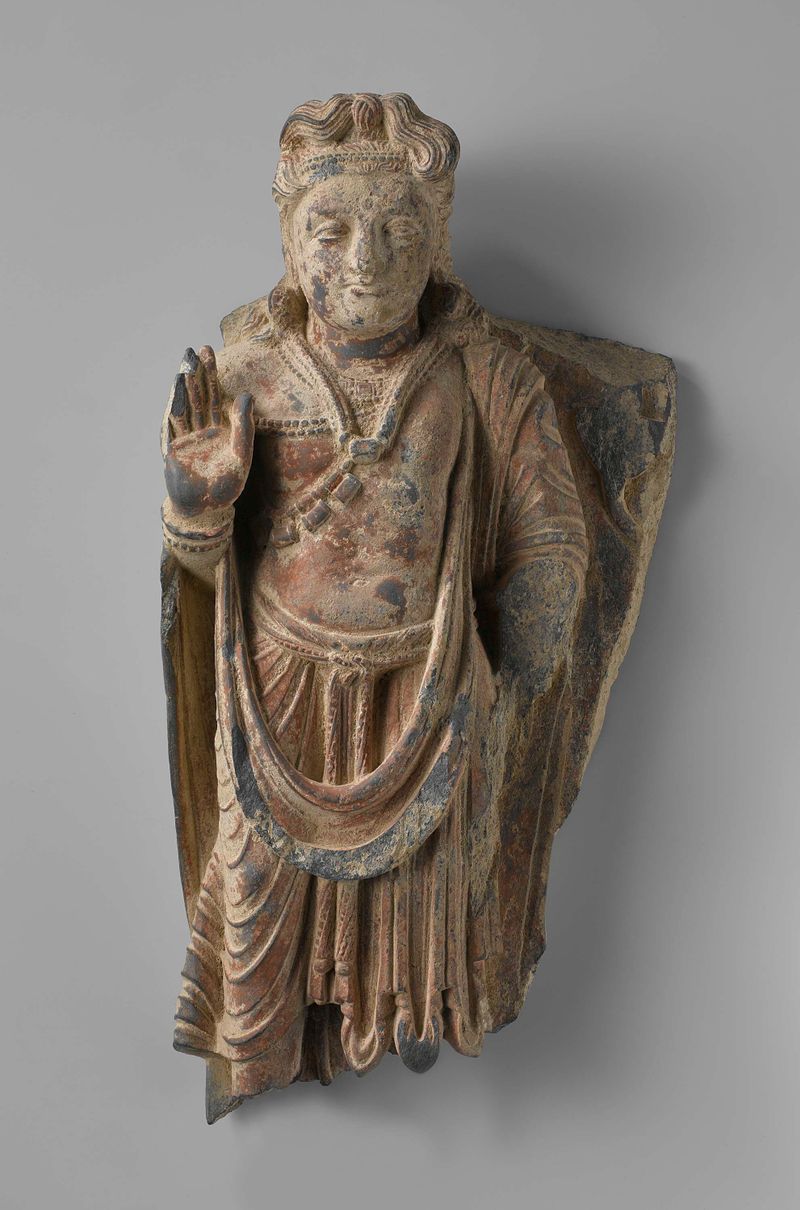
The bodhisattva Maitreya
Unknown Artist

Teabowl with a 'hare's fur' glaze
Unknown Artist
More Historical Art
Browse all →
The Night Watch Militia Company of District II under the Command of Captain Frans Banninck Cocq
Rembrandt van Rijn

Lincoln Memorial
Henry Bacon

The Third of May 1808
Francisco de Goya

Isaac and Rebecca, Known as ‘The Jewish Bride’
Rembrandt van Rijn

The Charge of the Mamelukes (1814)
Francisco de Goya

De vier ruiters van de apocalyps
Albrecht Dürer