
L’Auberge au bord de la rivière — History & Facts
What secret hides in the quiet of the canvas? Beneath the serene surface of this landscape lies an unsettling tension, a whisper of violence that stirs the imagination. Look to the left at the weathered inn, its modest facade bathed in the gentle hues of twilight. The muted earth tones of ochre and brown blend seamlessly into the tranquil waters, evoking a sense of calm. Notice how the light flickers from the setting sun, casting elongated shadows that stretch across the ground and hint at the passage of time.
The composition balances the inn’s sturdy presence with the ethereal reflections in the river, inviting the viewer to linger in this seemingly peaceful moment. Yet, the stillness belies an undercurrent of turmoil. The water, while calm, mirrors a tumultuous sky, suggesting that even in tranquility, storms may brew. The figures, small and distant, engage in their tasks; they are unaware of the violent histories that may have unfolded in such locales.
The juxtaposition of the serene setting with the potential for unrest creates a haunting duality, challenging perceptions of safety. Jan van Goyen painted this work in 1646 during a period marked by significant upheaval in the Netherlands, caught between the Thirty Years' War and the rise of Dutch nationalism. His focus on landscapes during this time reflects both a personal retreat into nature and an artistic trend, as artists sought to explore the relationship between humanity and the environment amidst a backdrop of societal change.
More Artworks by Jan van Goyen
Browse all →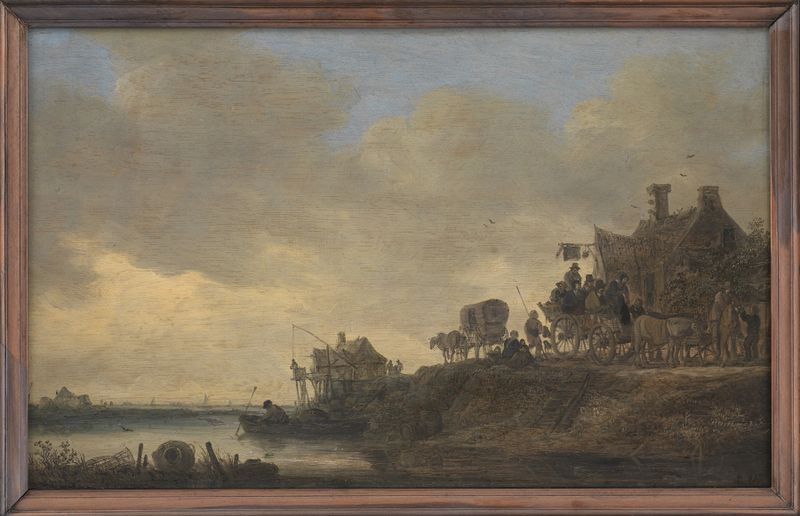
River Scene with the ‘Swan’ Tavern
Jan van Goyen

The Valkhof in Nijmegen
Jan van Goyen
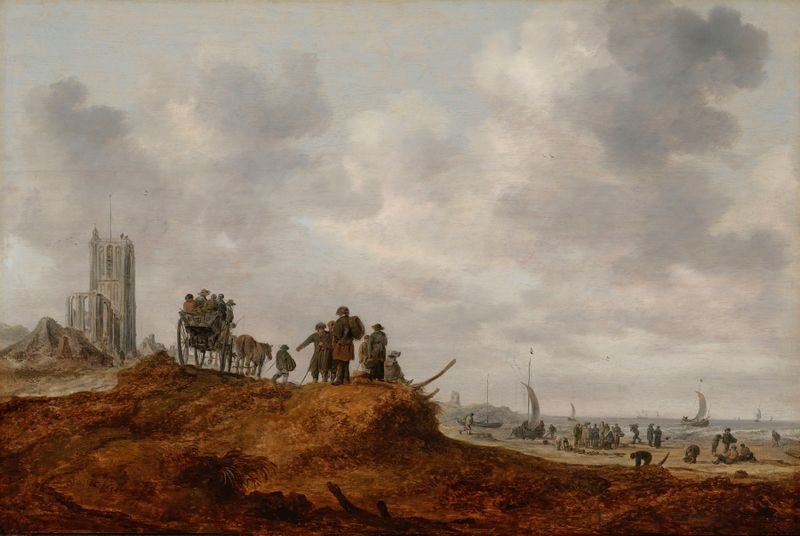
The Old Church at Egmond aan Zee
Jan van Goyen
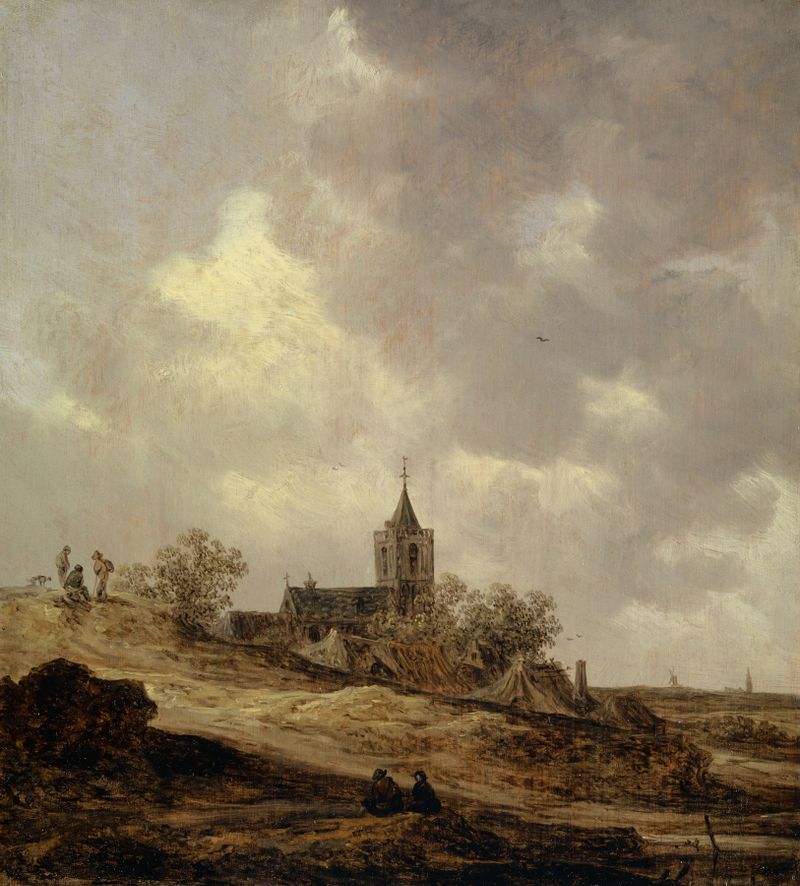
Village Church seen from the Dunes
Jan van Goyen
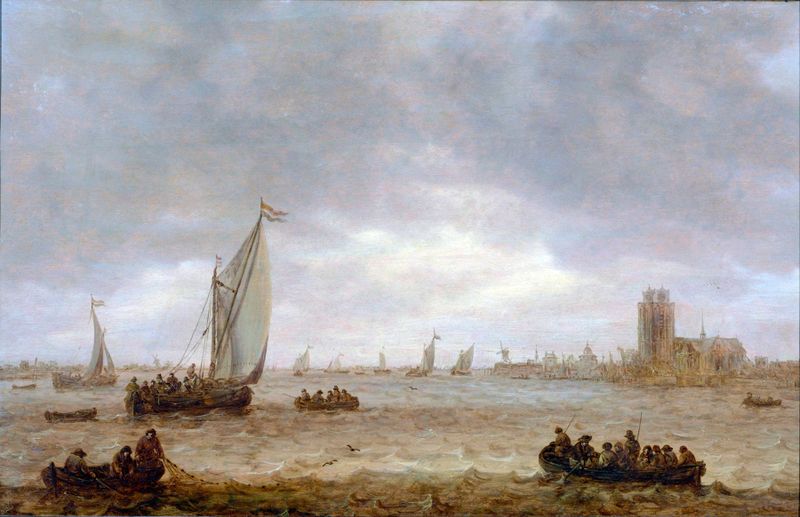
Mouth of the Meuse
Jan van Goyen

River Landscape with the Pellecussen Gate near Utrecht
Jan van Goyen
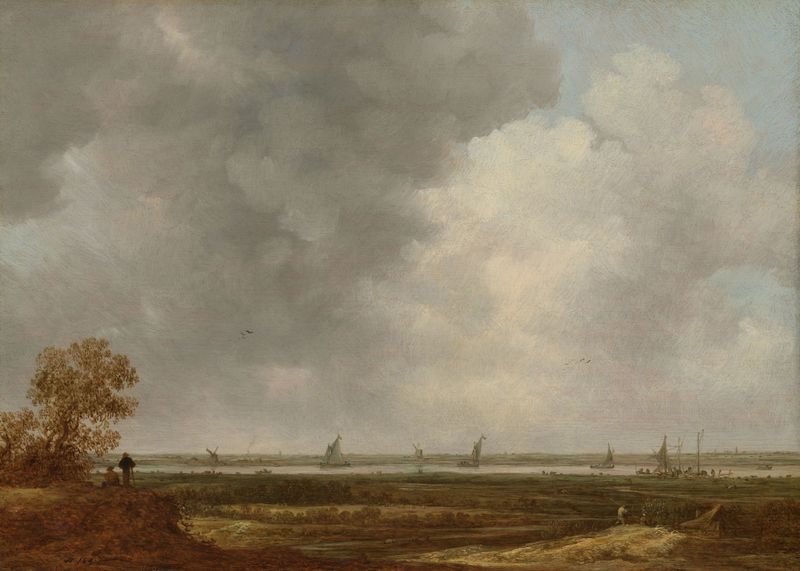
Panoramic View of a River with Low-lying Meadows
Jan van Goyen
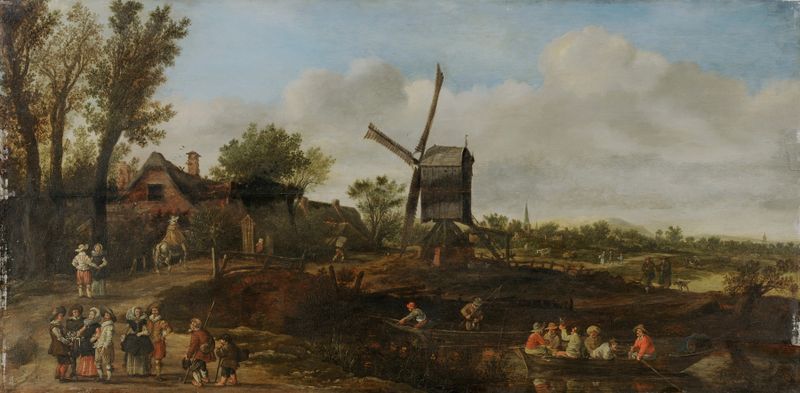
Dutch Landscape
Jan van Goyen
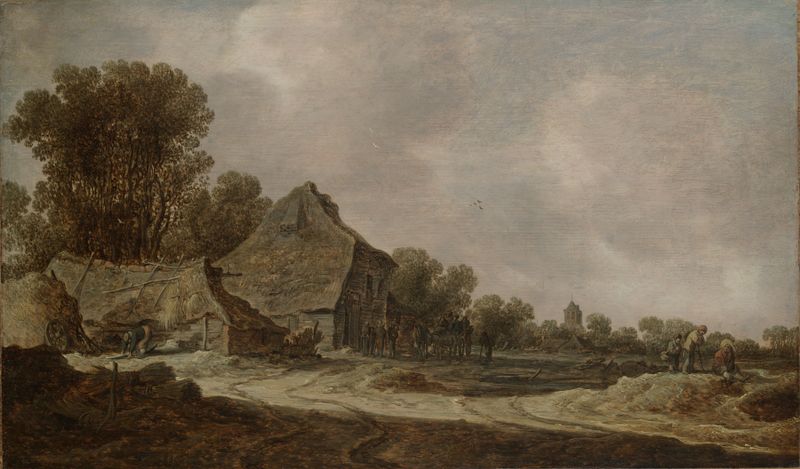
A Sandy Road with Thatched Cottages
Jan van Goyen
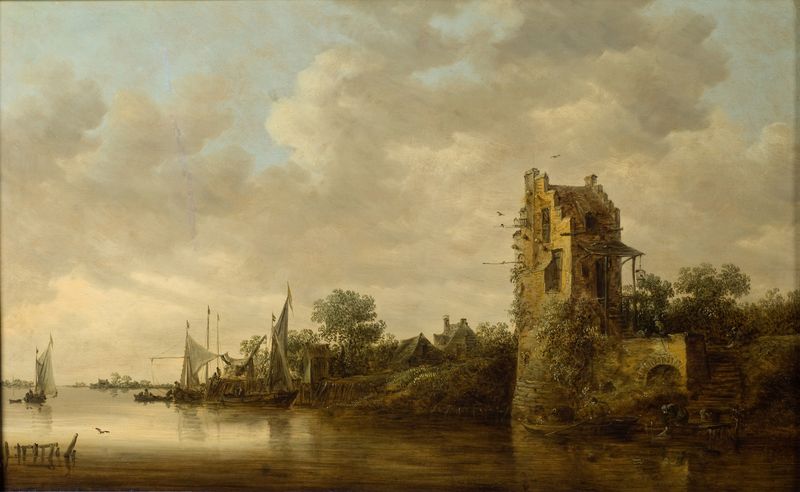
Riverside with an Old Tower
Jan van Goyen





