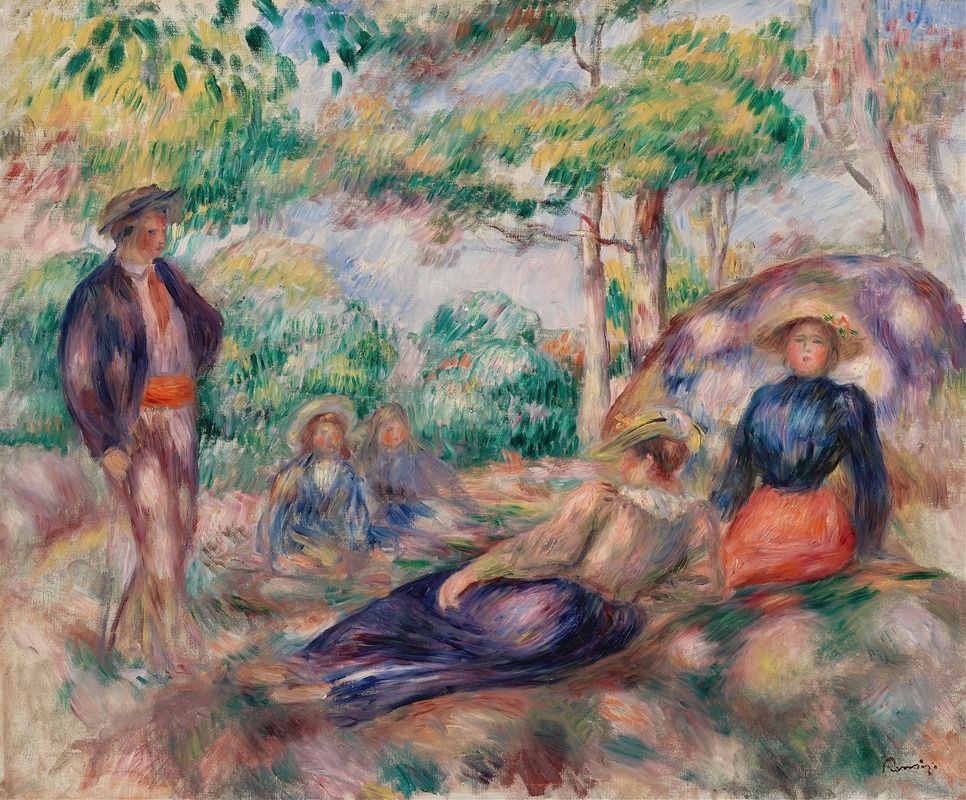
Discover insights about this artwork
Laveuses — History & Facts
In Laveuses, Paul Cézanne depicts a scene of washerwomen engaged in their daily tasks. The painting is filled with vibrant colors, primarily blues and greens, which create a lively atmosphere. The figures are portrayed in a naturalistic style, capturing their movements and expressions as they work.
The background features a lush landscape, enhancing the sense of place and activity. The painting showcases Cézanne's characteristic brushwork, with visible strokes that add texture and depth. The composition is balanced, with the figures arranged in a way that draws the viewer's eye across the canvas. The use of light and shadow is evident, creating a sense of volume in the figures.
This work exemplifies the Post-Impressionist style, focusing on the interplay of color and form. Laveuses was created during a period when Cézanne was exploring the theme of everyday life. This painting reflects his interest in the working class and their connection to the landscape. Interestingly, Cézanne often painted in the countryside near Aix-en-Provence, where he found inspiration in the local scenery and people.
This work is a testament to his ability to elevate ordinary subjects into the realm of fine art.
More Artworks by Paul Cézanne
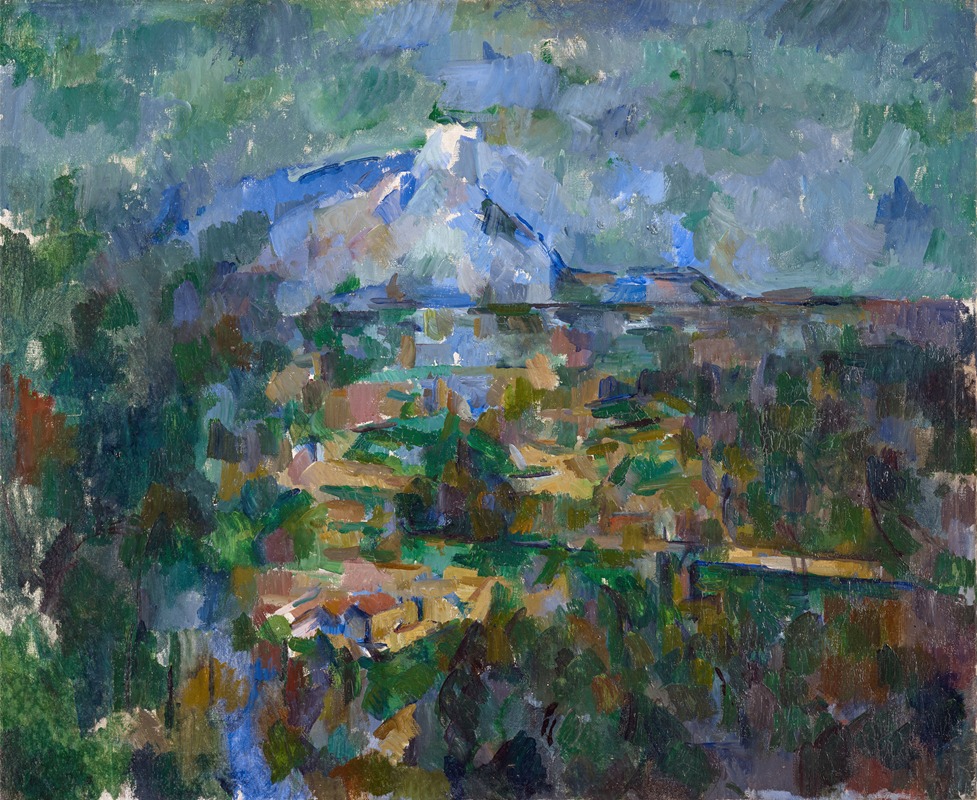
The Mont Sainte-Victoire Seen From Les Lauves
Paul Cézanne
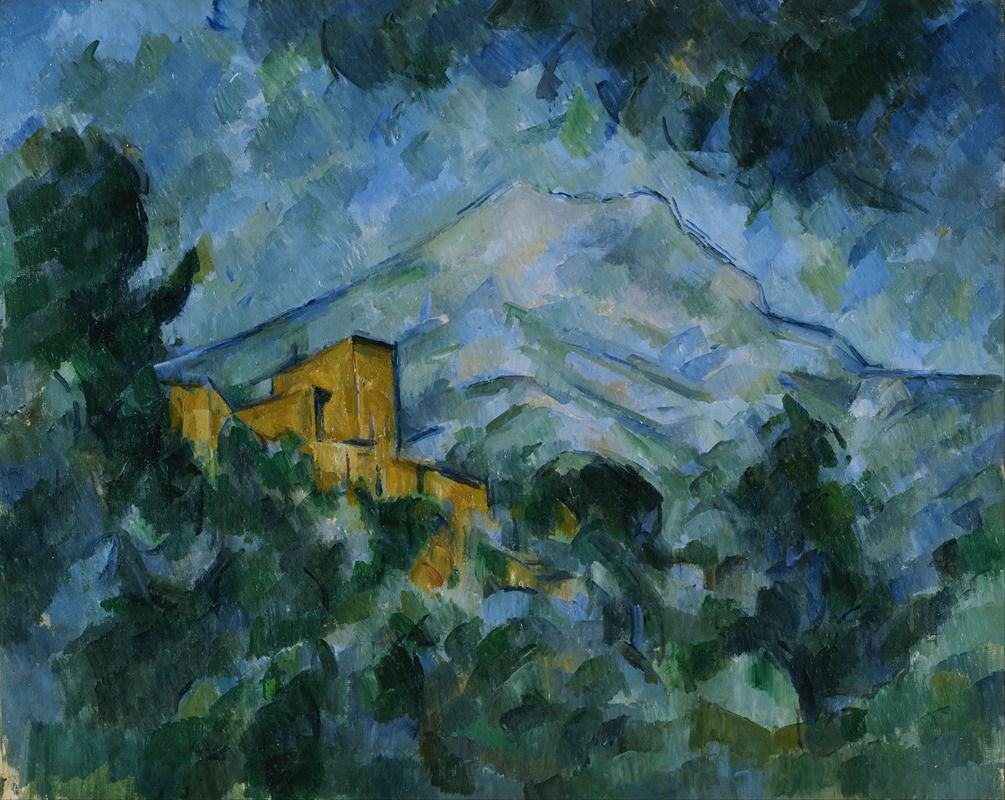
Mont Sainte-Victoire and Château Noir
Paul Cézanne
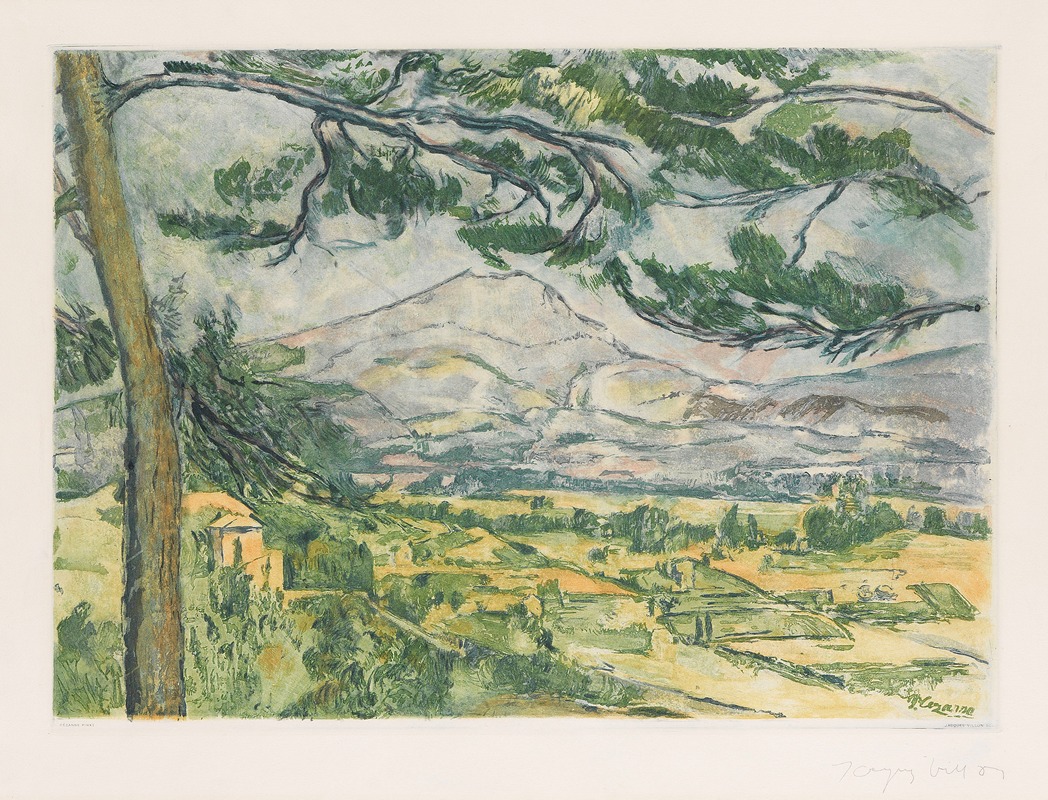
La Montagne Sainte-Victoire
Paul Cézanne
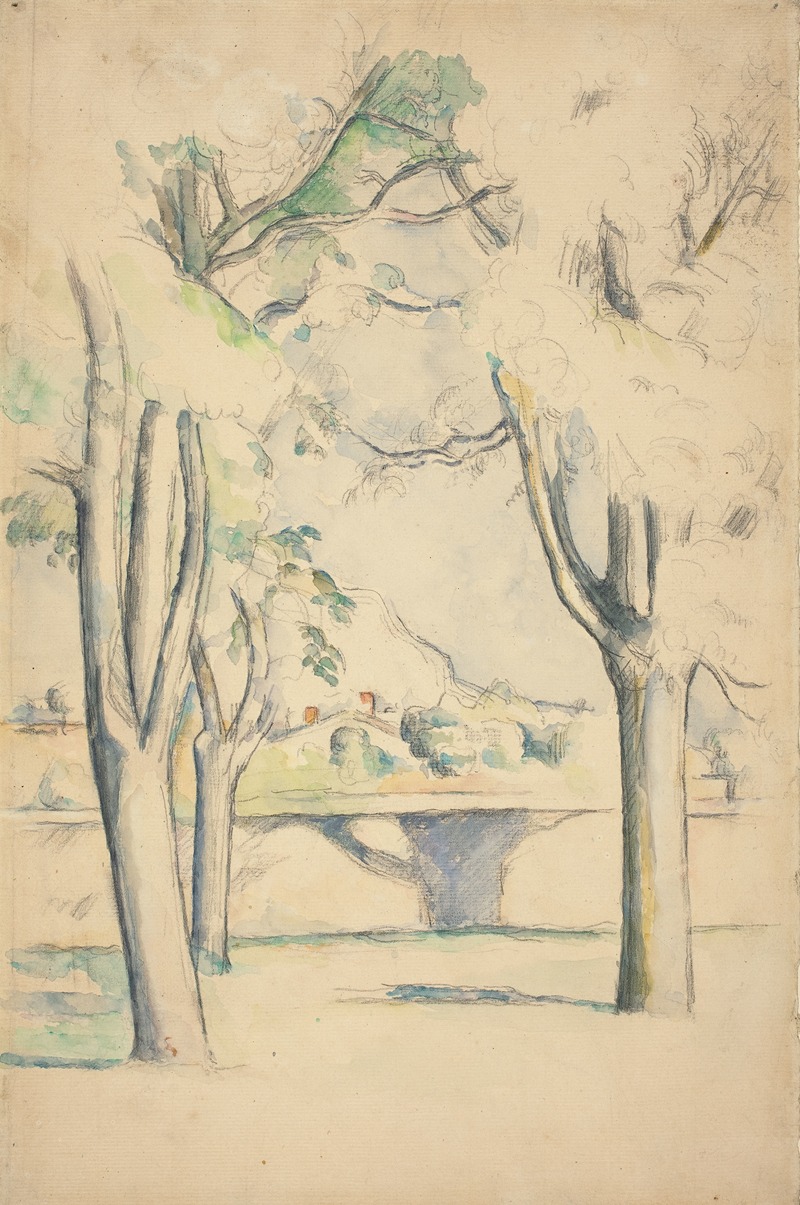
Mont Sainte-Victoire Seen beyond the Wall of the Jas de Bouffan
Paul Cézanne
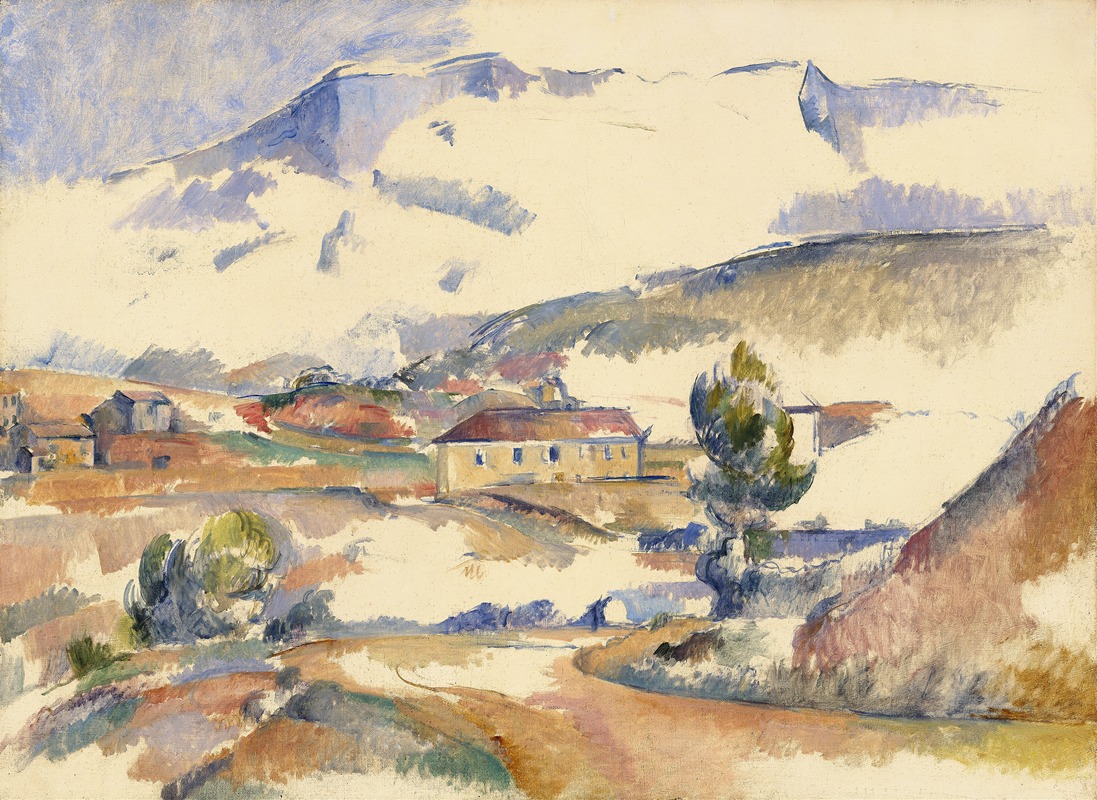
Montagne Sainte-Victoire,from near Gardanne
Paul Cézanne
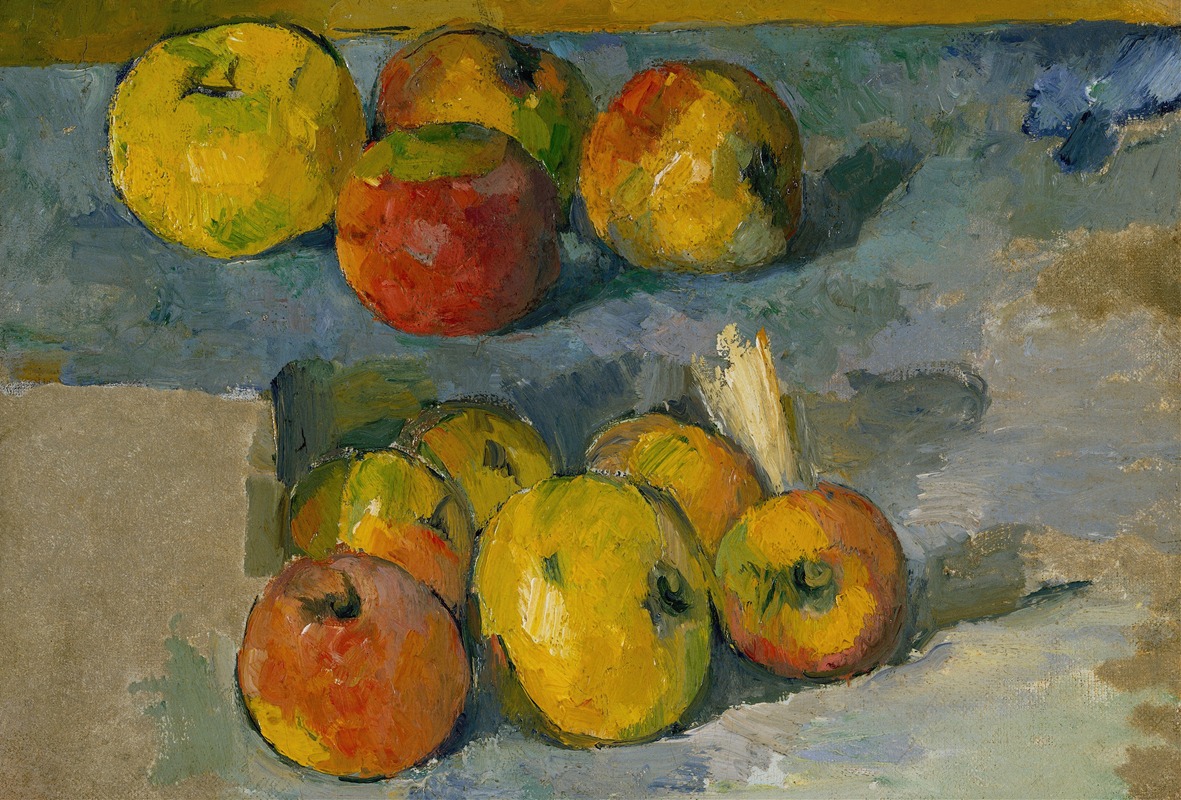
Apples
Paul Cézanne
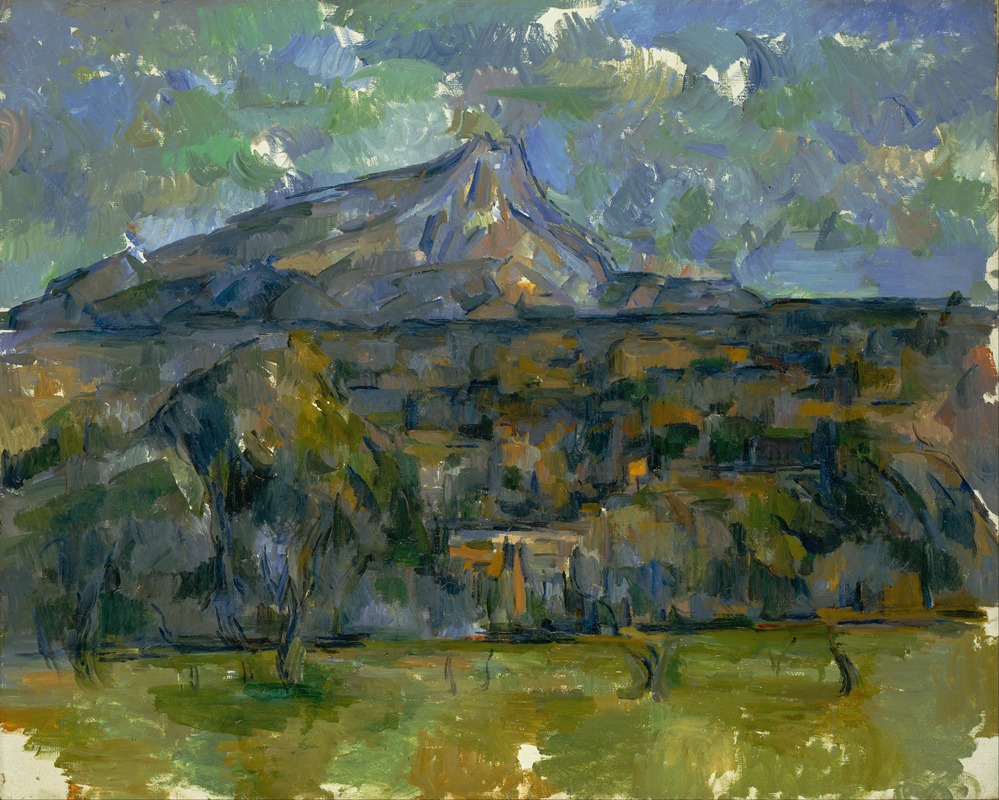
Mont Sainte-Victoire
Paul Cézanne
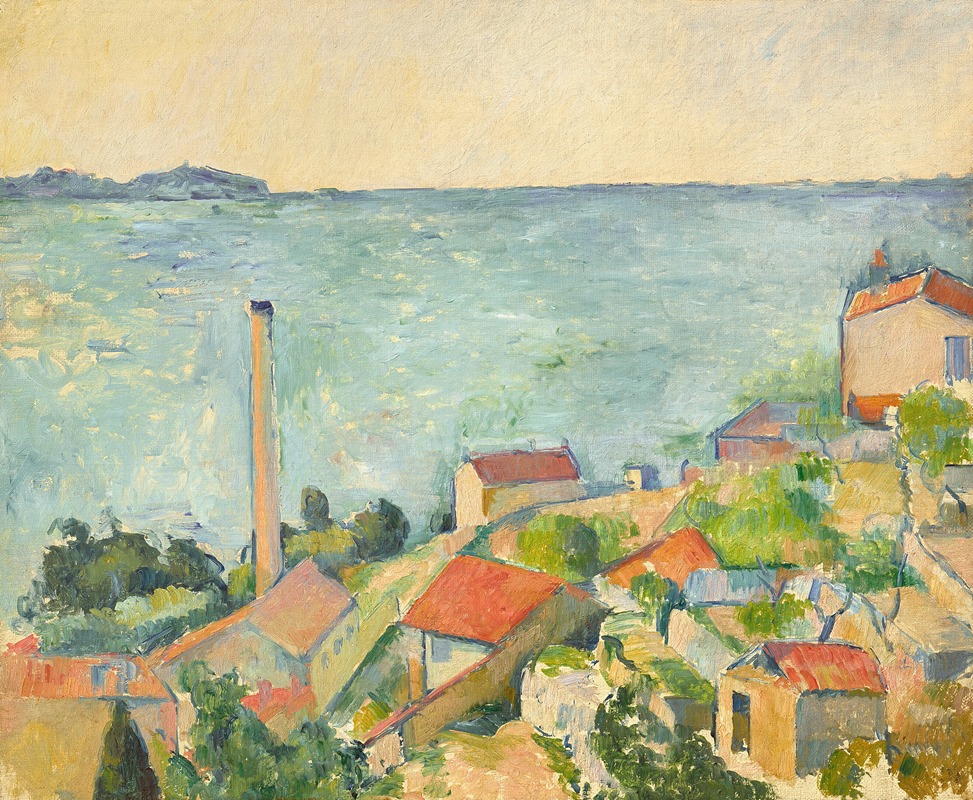
La mer à l’Estaque
Paul Cézanne
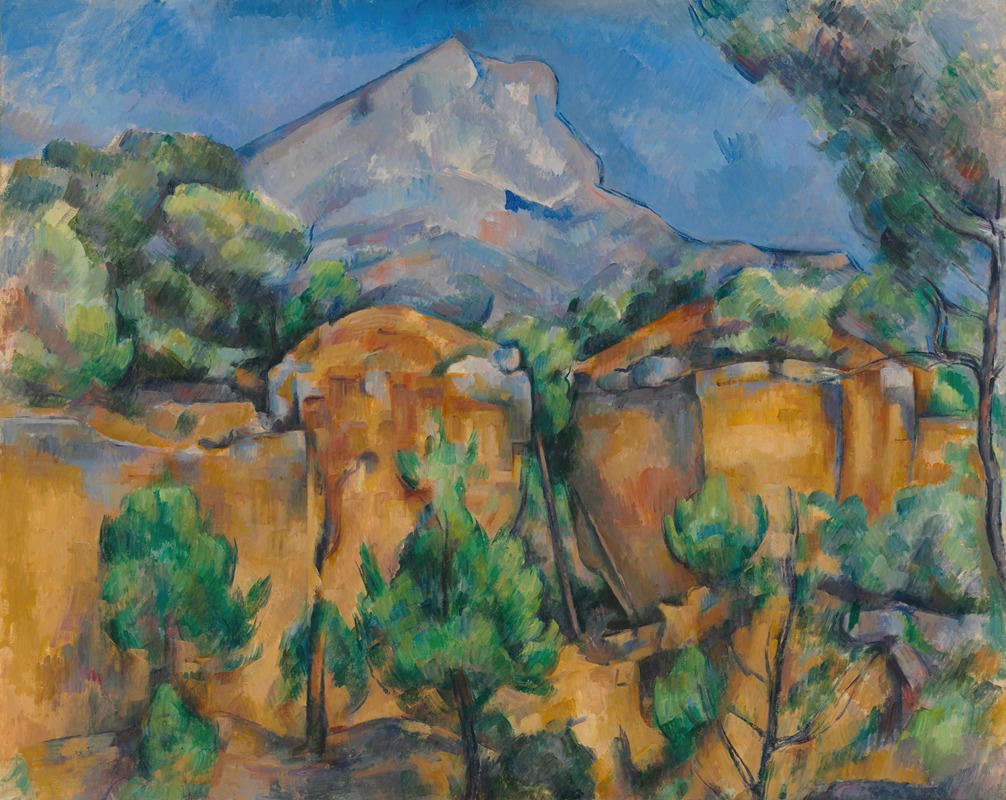
La Montagne Sainte-Victoire vue de la carrière Bibémus
Paul Cézanne
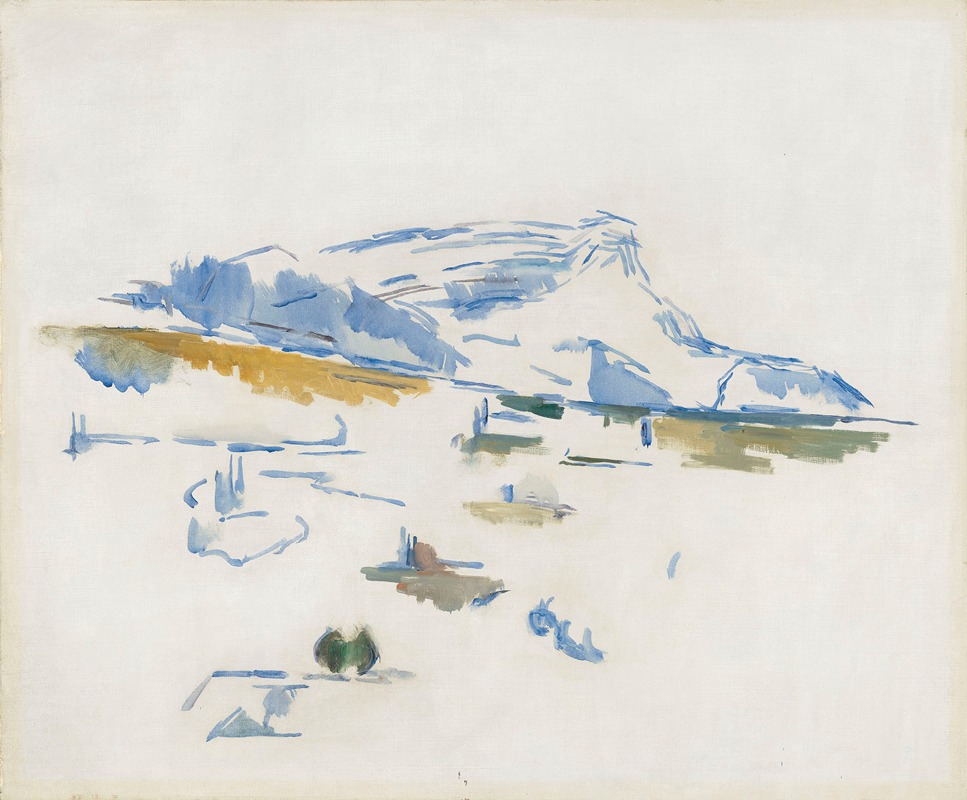
La Montagne Sainte-Victoire vue des Lauves
Paul Cézanne