
Le Barrage de Genetin — History & Facts
Is this a mirror — or a memory? The shimmering water reflects more than just the landscape; it captures a moment steeped in nostalgia, hinting at the weight of loss and longing. Look to the left at the vibrant strokes of blue and green, where the water ripples with a life of its own. The brushwork is both energetic and delicate, guiding your gaze toward the foreground where the trees lean in, their leafy limbs framing the scene like guardians of a bittersweet past. Notice how the sunlight dances across the water's surface, flickering with a touch of warmth amid the cooler tones, evoking a sense of remembrance interwoven with sorrow. As you explore deeper, consider the juxtaposition of the solid earth and the fluid water.
The stillness of the trees contrasts starkly with the movement of the water, embodying the duality of permanence and transience. The colors — rich greens meet softer blues — not only depict nature’s beauty but also evoke the complexity of human emotions, suggesting that memories can be both comforting and painful, a gentle caress tinged with grief. In 1900, Guillaumin was navigating a turning point in his career, having gained recognition in the Impressionist circles. Living in France, he painted Le Barrage de Genetin during a time when artists were beginning to embrace emotional depth in landscapes, moving away from mere representation.
This painting encapsulates a moment of personal reflection, as well as a broader artistic evolution towards capturing the ephemeral nature of human experience.
More Artworks by Armand Guillaumin
Browse all →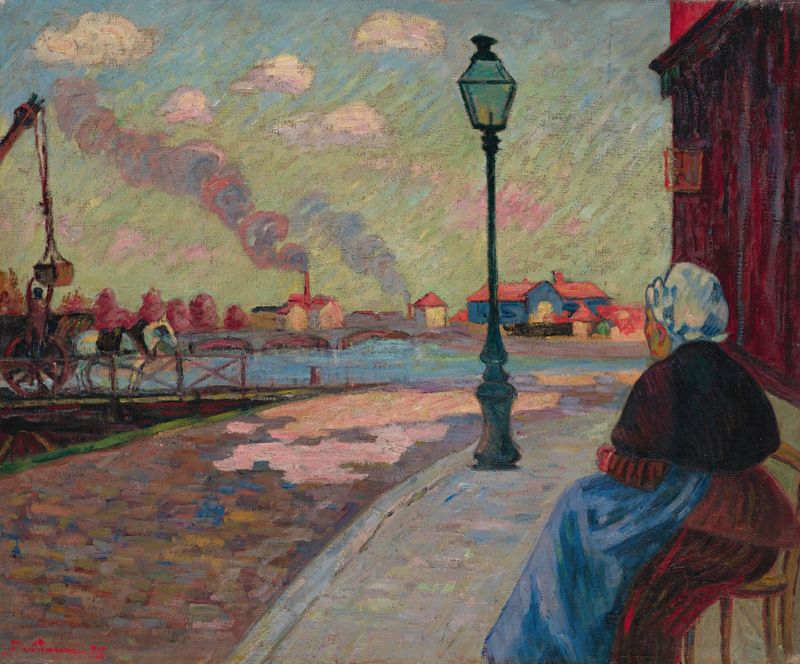
La Seine À Charenton
Armand Guillaumin
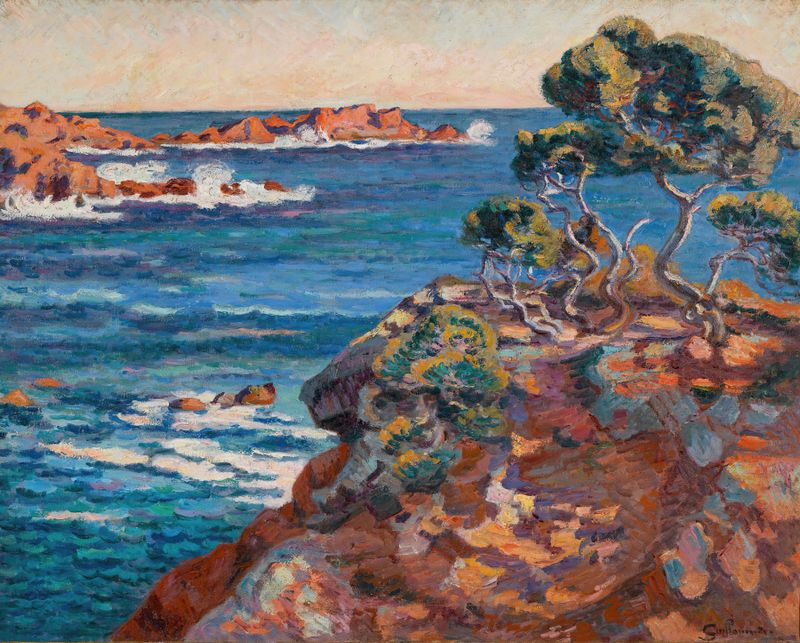
Bord De Mer À Agay
Armand Guillaumin
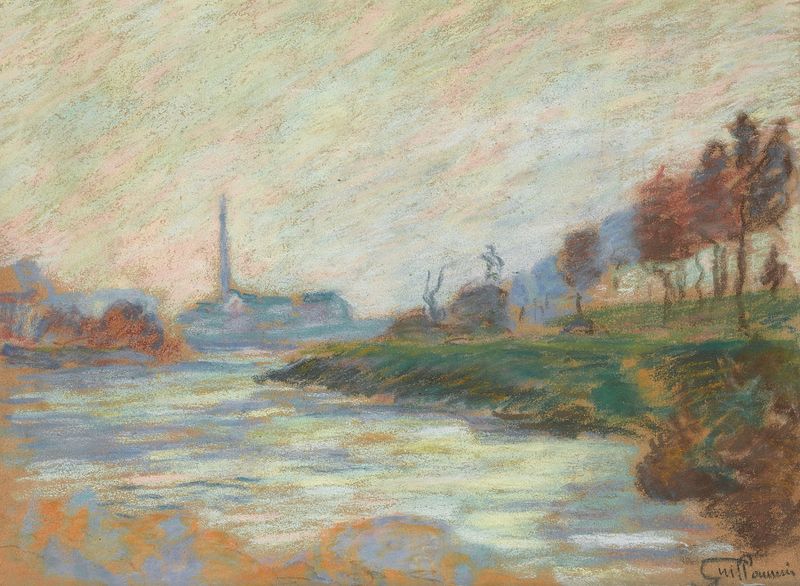
Confluent De La Marne Et De La Seine, Île De La France
Armand Guillaumin

Le Ravin de la folie, vue de Chateau Crozant
Armand Guillaumin
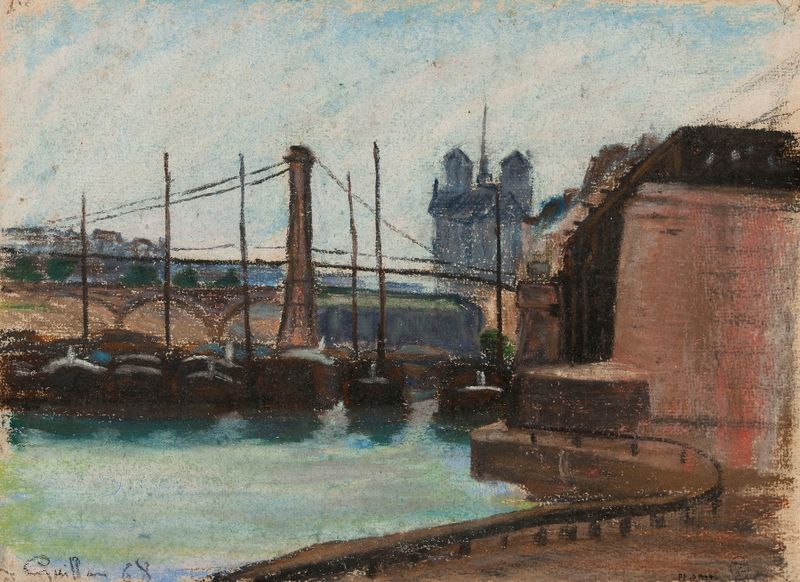
Le Pont d’Austerlitz
Armand Guillaumin

Paysage de Printemps
Armand Guillaumin
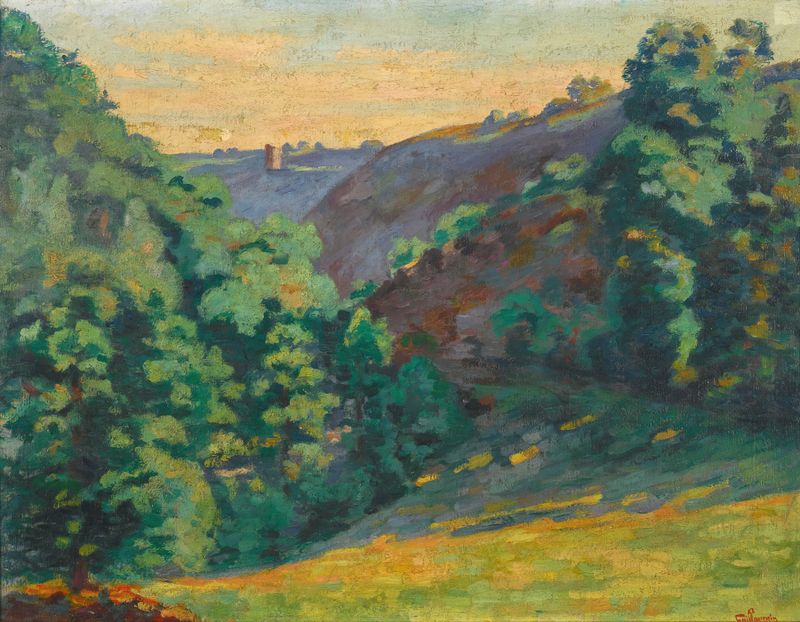
Crozant, Le Ravin De La Sedelle À La Folie
Armand Guillaumin
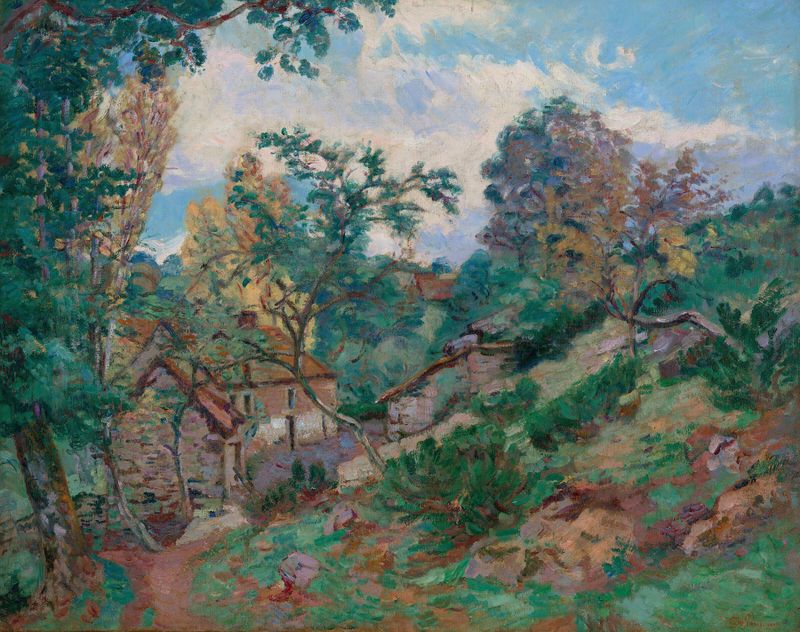
Paysage
Armand Guillaumin

La vallée de la creuse
Armand Guillaumin

L’Eglise Saint-Sulpice, Paris
Armand Guillaumin





