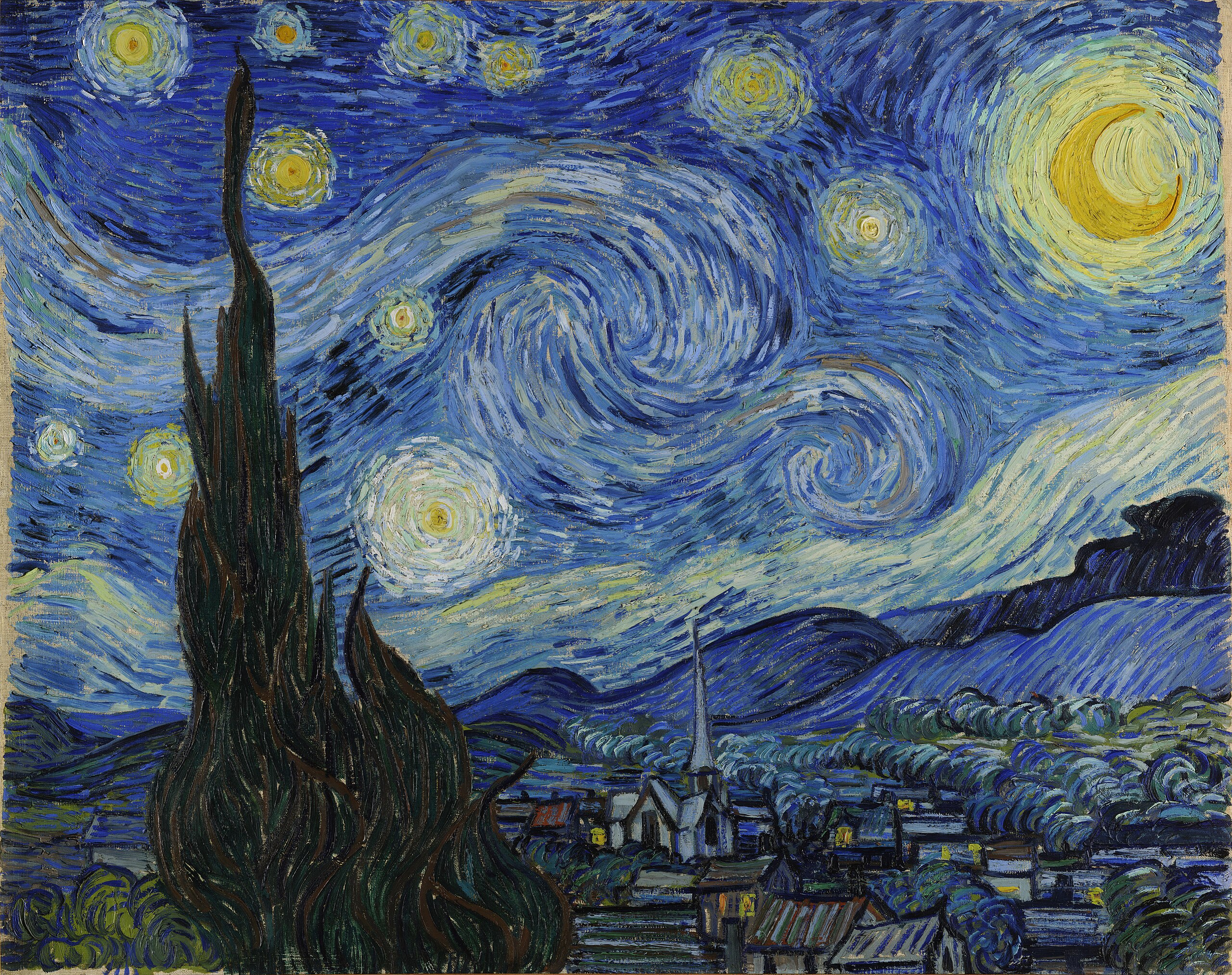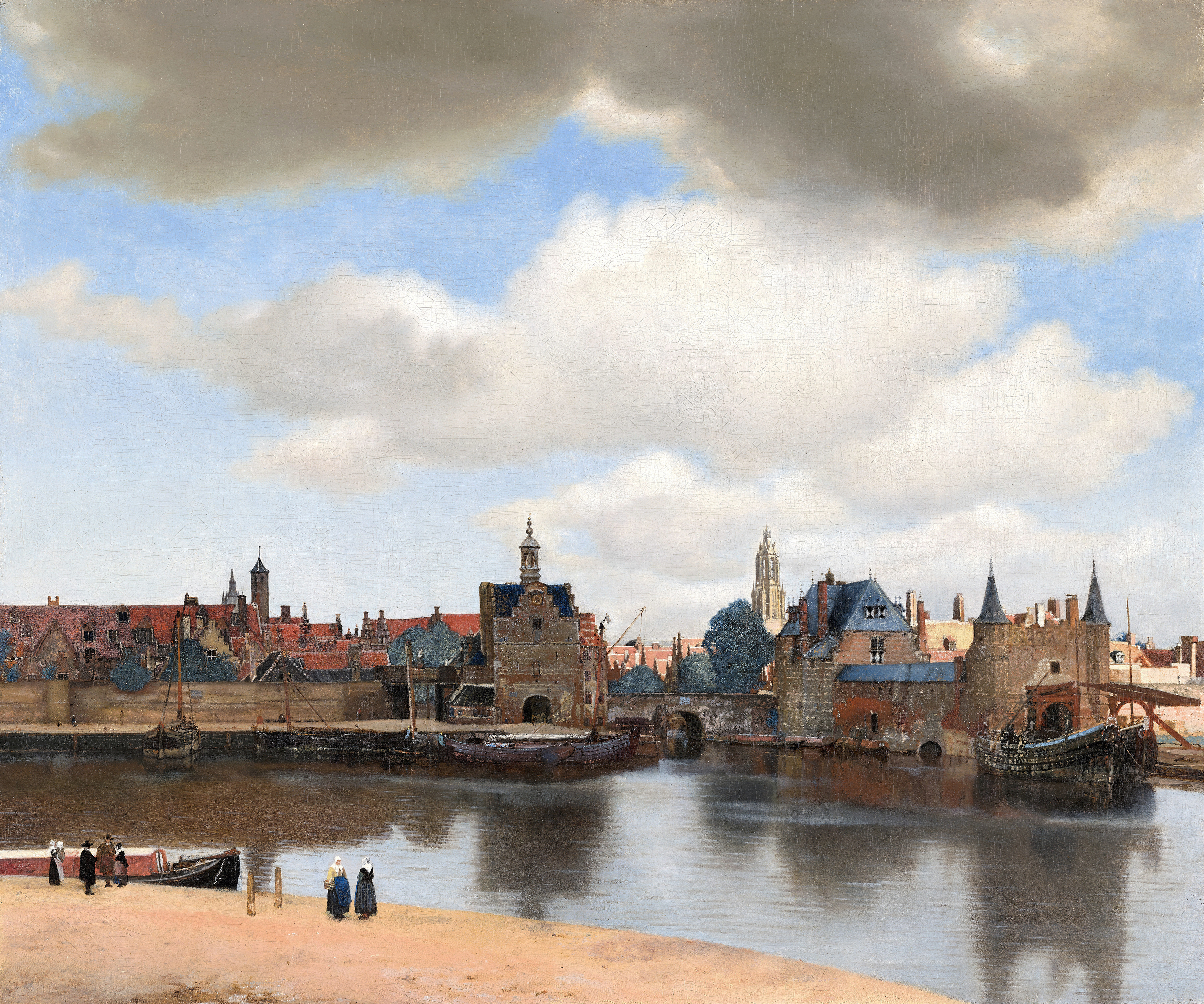
Discover insights about this artwork
Le Bassin aux nymphéas — History & Facts
In Le Bassin aux nymphéas, Claude Monet captures a tranquil water garden filled with vibrant water lilies. The colors are rich and varied, with greens, blues, and soft pinks blending harmoniously. The reflection of the sky and surrounding foliage on the water adds depth to the scene.
The painting invites the viewer into a serene moment in nature. The painting is created using oil on canvas, a medium that allows for the fluidity and texture seen in Monet's brushwork. The dimensions are approximately 90 x 100 cm, making it a sizable work that draws the viewer in. Monet's technique involves layering colors to create light and shadow, enhancing the three-dimensionality of the water lilies.
The overall composition is balanced, with the water lilies drawing the eye across the canvas. Le Bassin aux nymphéas is part of Monet's series of water lily paintings, which he created while living at Giverny. This particular work, painted around 1917, reflects Monet's later style, characterized by looser brushwork and a focus on light. An interesting fact about this painting is that it was created during a time when Monet was dealing with failing eyesight, yet he continued to paint his beloved garden.
This determination showcases his deep connection to nature and his artistic vision.
More Artworks by Claude Monet
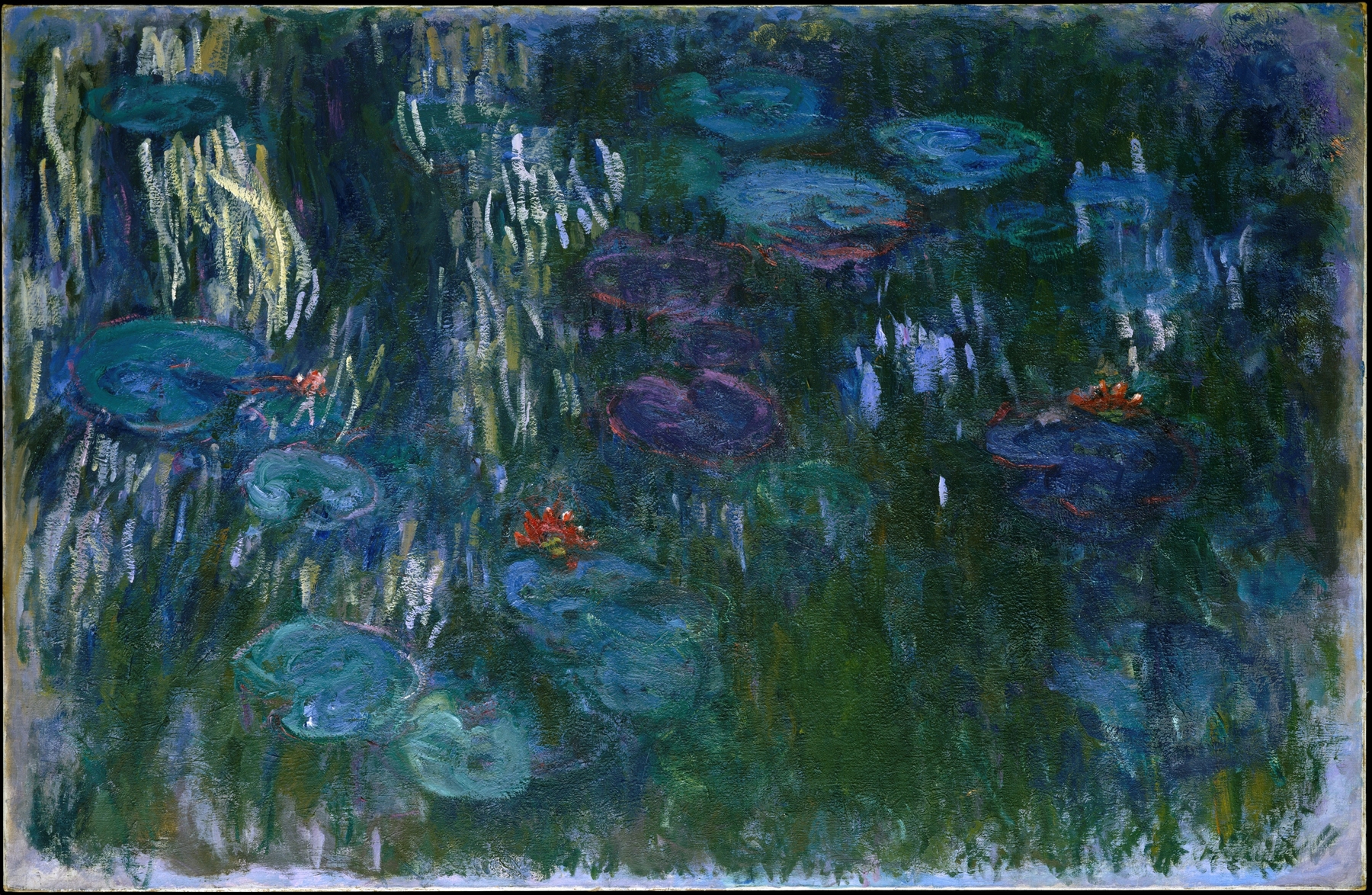
Water Lilies
Claude Monet
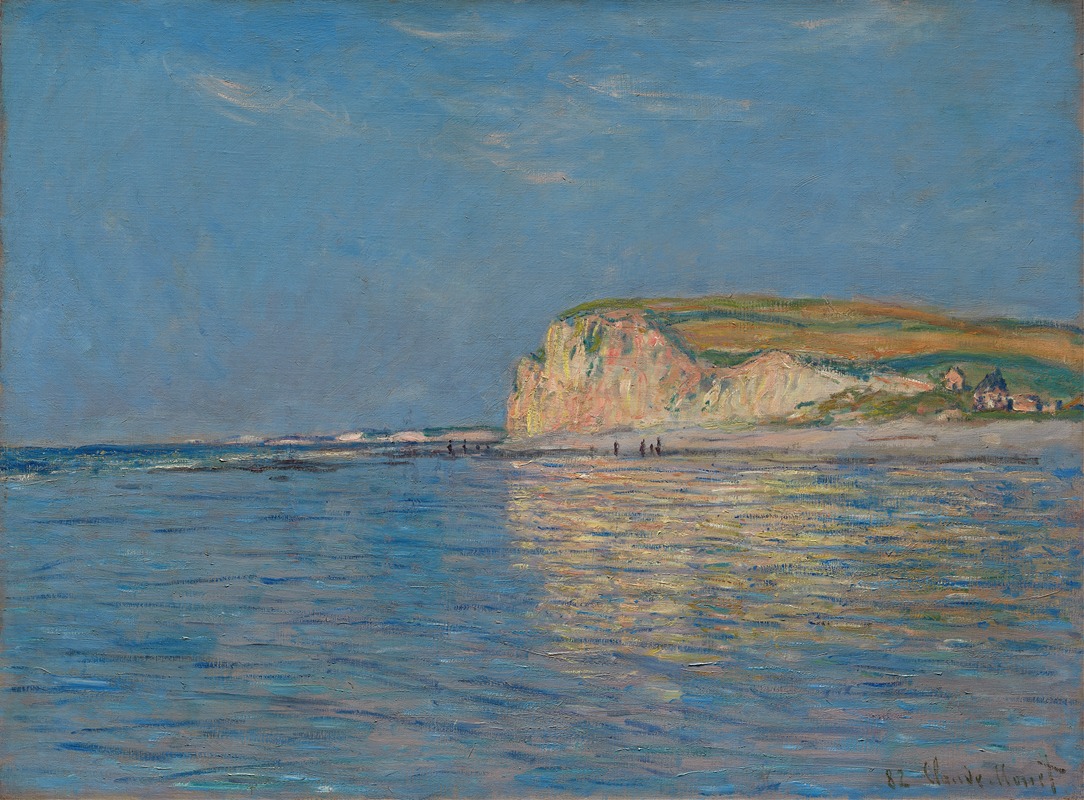
Low Tide at Pourville, near Dieppe
Claude Monet
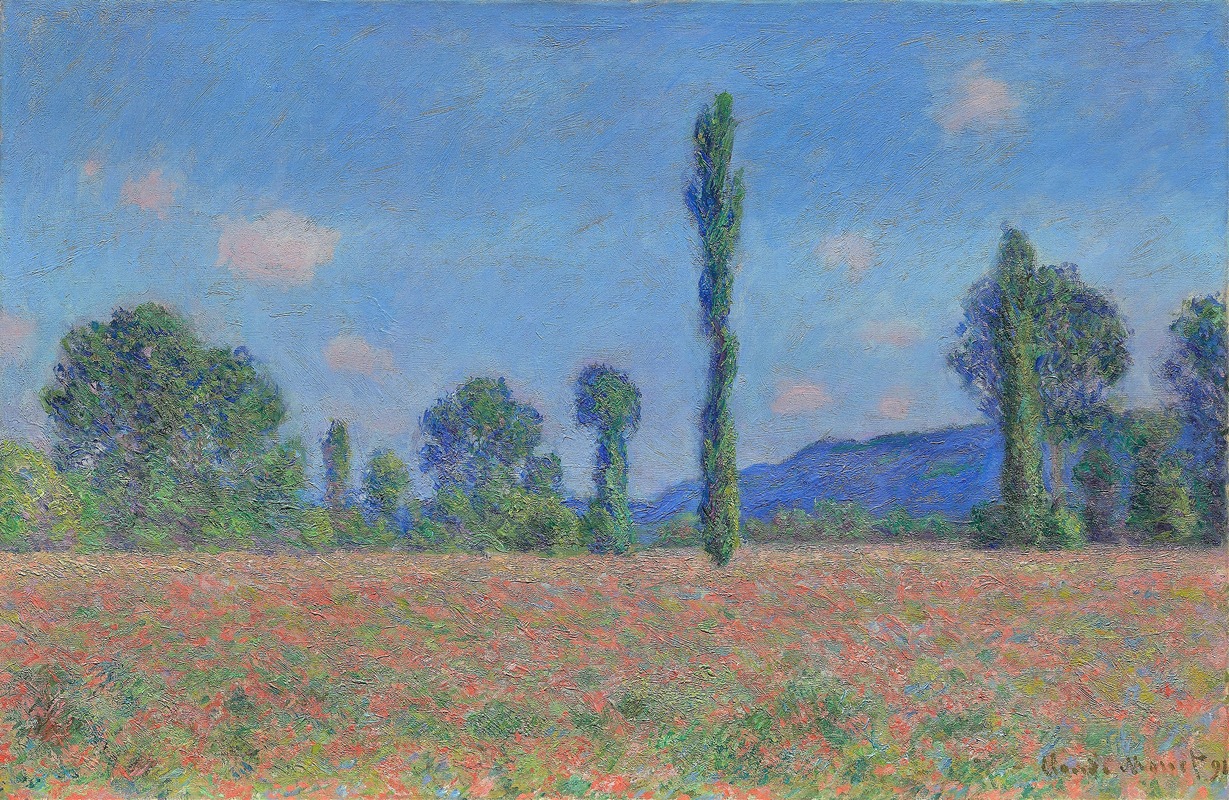
Poppy Field (Giverny)
Claude Monet
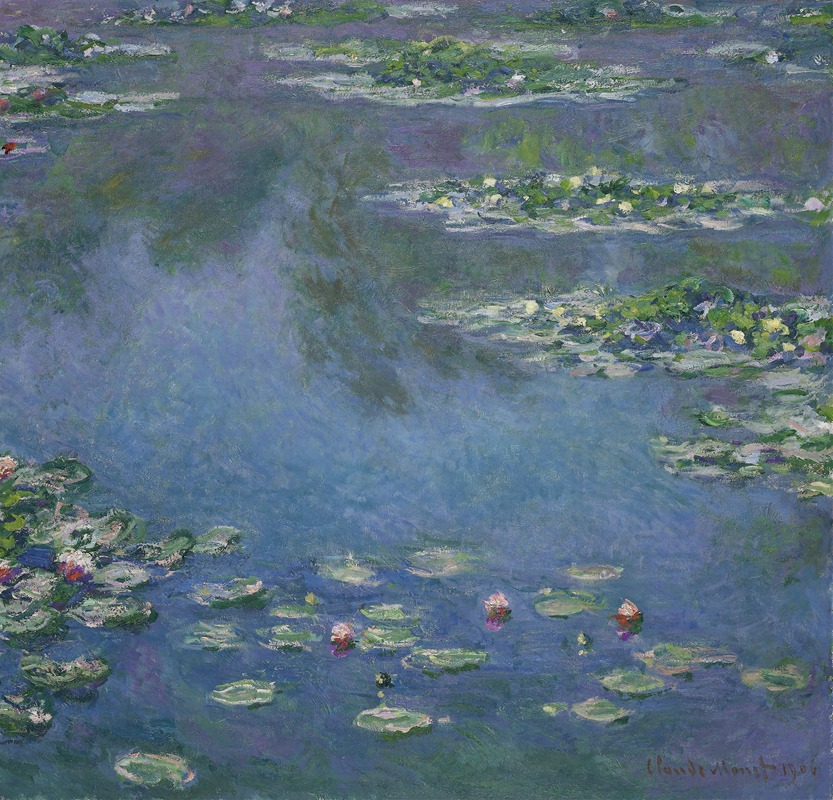
Water Lilies
Claude Monet
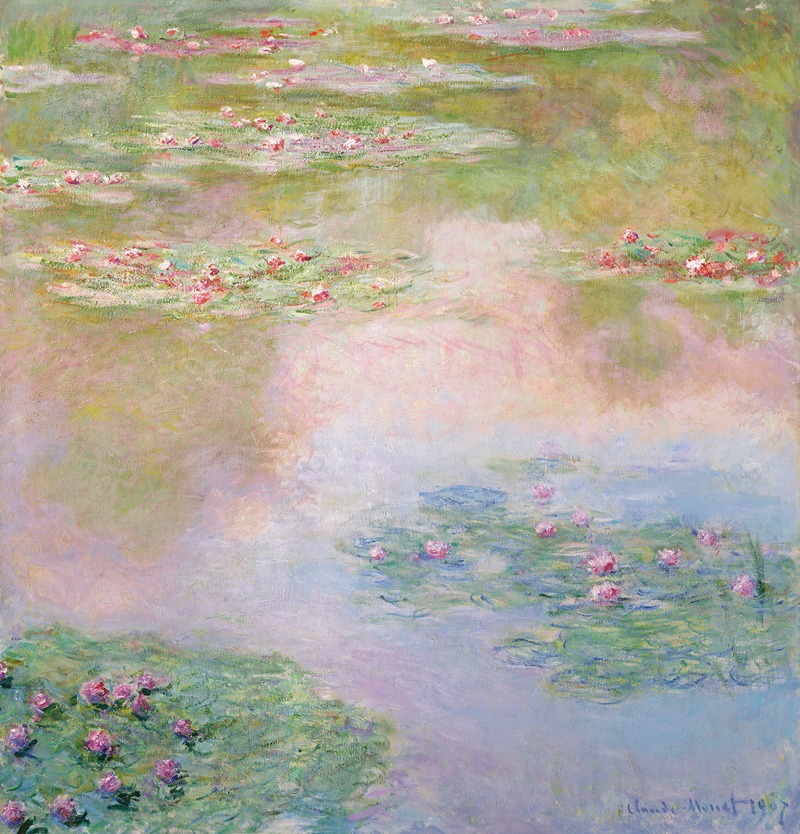
Nymphéas
Claude Monet
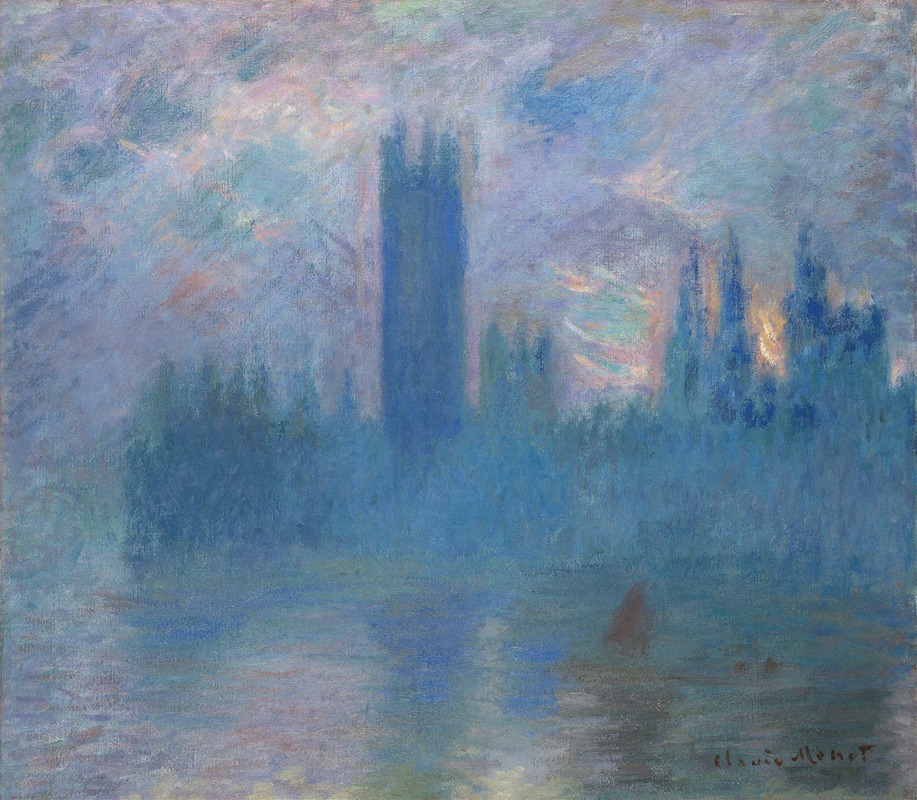
Houses of Parliament, London
Claude Monet
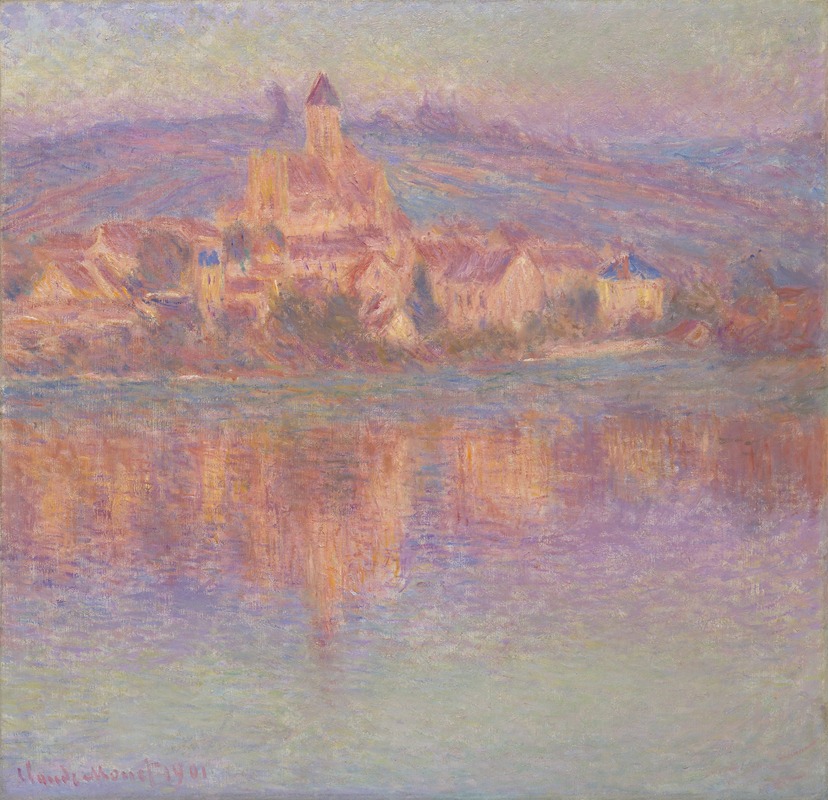
Vétheuil
Claude Monet
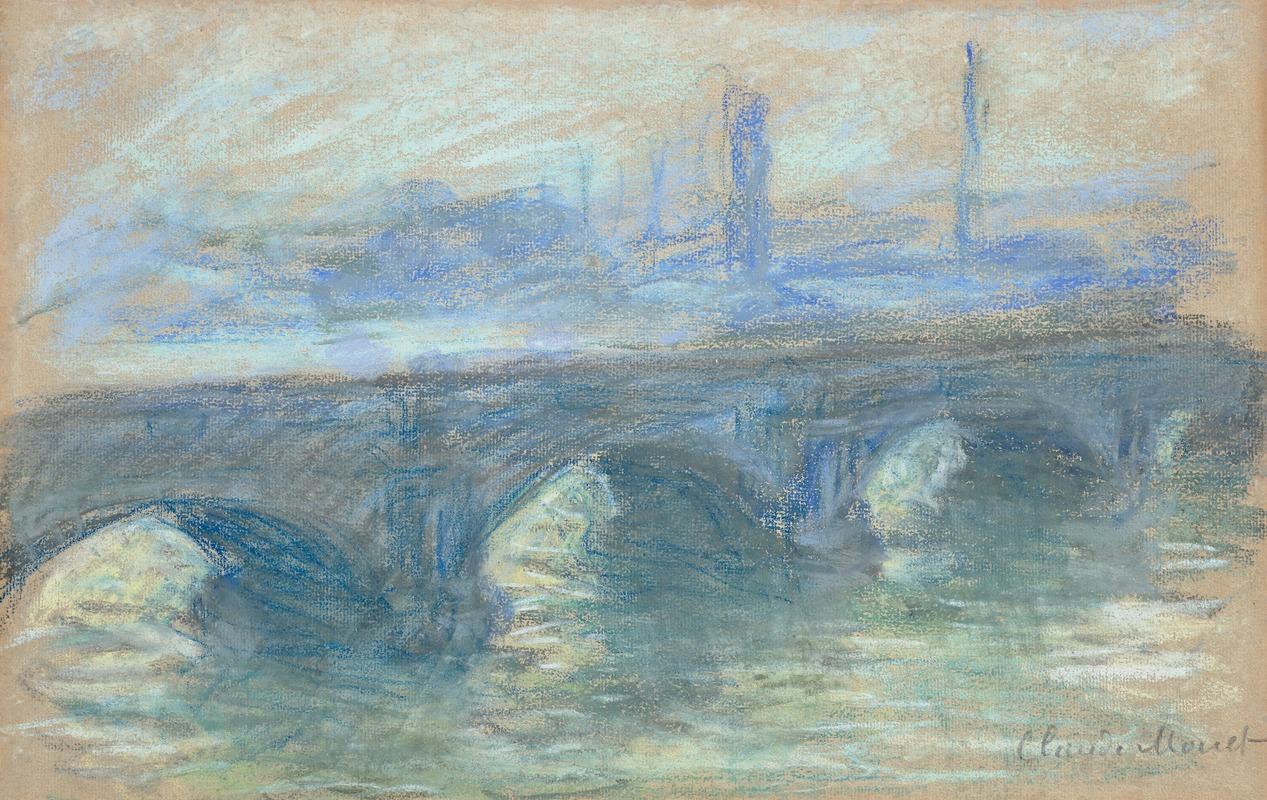
Waterloo Bridge
Claude Monet

Printemps à Giverny, effet d’après-midi
Claude Monet
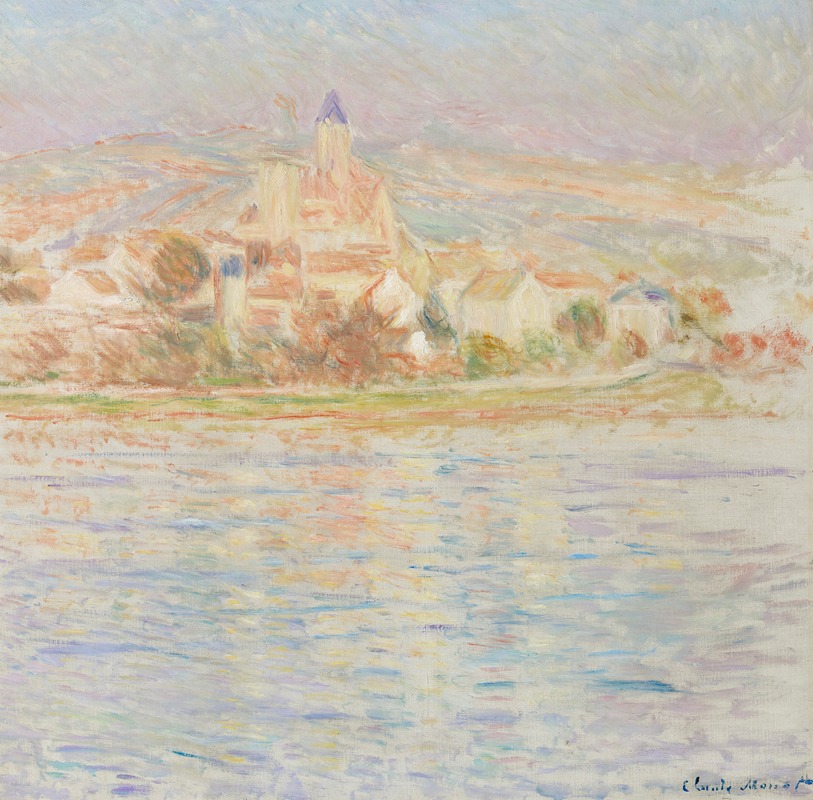
Vétheuil
Claude Monet