Discover insights about this artwork
Waterloo Bridge — History & Facts
In Waterloo Bridge, Claude Monet presents a scene filled with soft hues of blue, gray, and pink. The bridge itself is shrouded in mist, creating an ethereal quality. The water below reflects these colors, blending seamlessly with the sky.
This atmospheric effect captures the essence of a moment in time, typical of Impressionist landscapes. The painting is executed in oil on canvas, a common medium for Monet. The dimensions are approximately 60 x 80 cm, making it a medium-sized work. Viewers can observe the loose brushwork and vibrant color palette that characterize Monet's style.
The layering of paint creates depth and movement, enhancing the overall impression of the scene. Claude Monet painted several views of Waterloo Bridge, showcasing his fascination with light and atmosphere. This particular work is part of a series that reflects the changing conditions of the Thames River. An interesting fact is that Monet often painted en plein air, allowing him to capture the immediate effects of light and weather.
This painting exemplifies his dedication to the Impressionist movement and his innovative approach to landscape painting.
More Artworks by Claude Monet
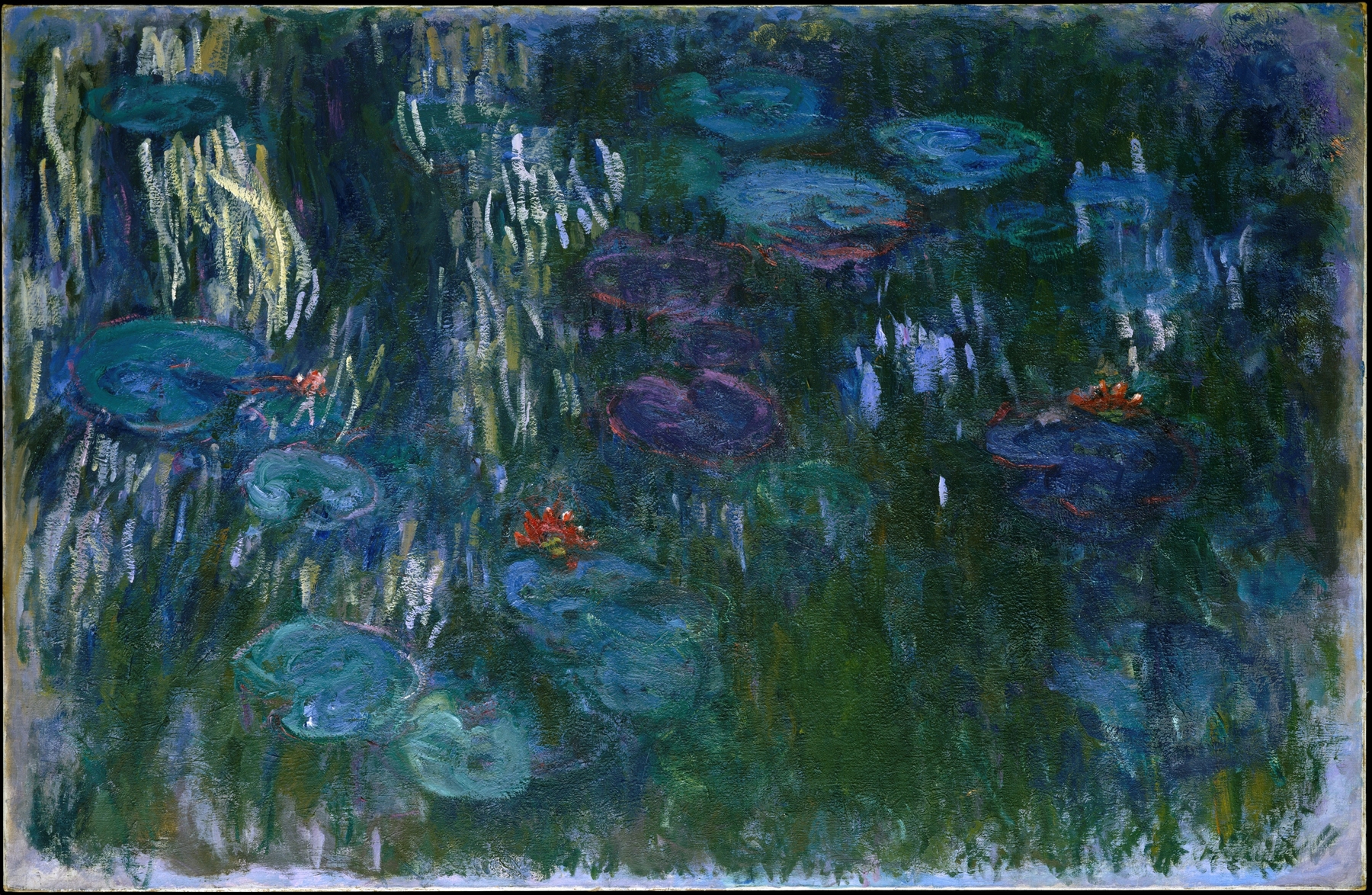
Water Lilies
Claude Monet
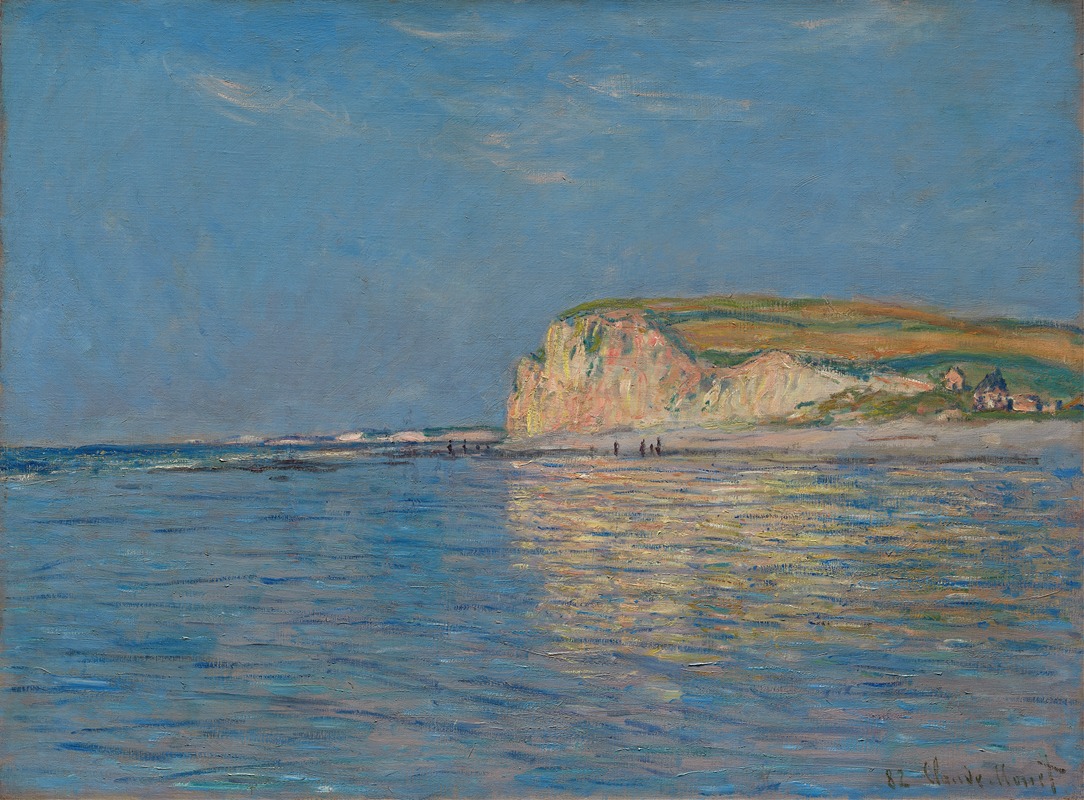
Low Tide at Pourville, near Dieppe
Claude Monet
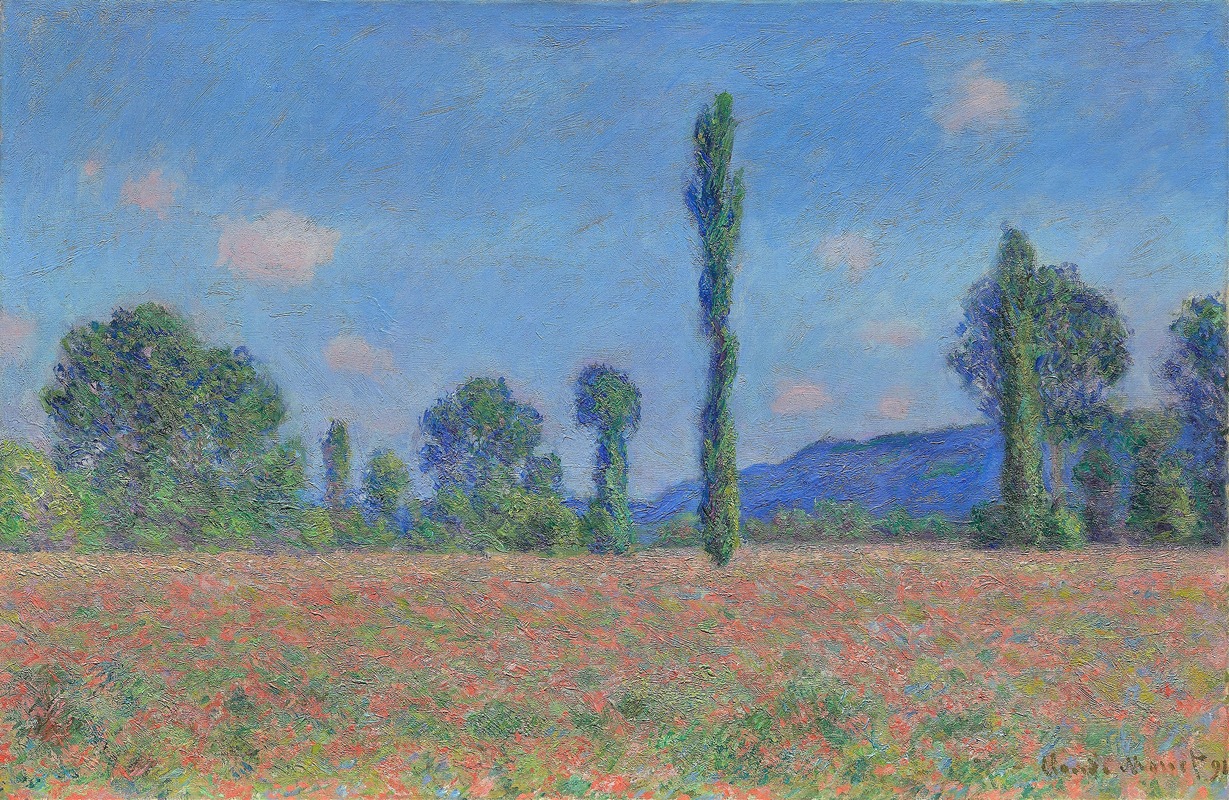
Poppy Field (Giverny)
Claude Monet
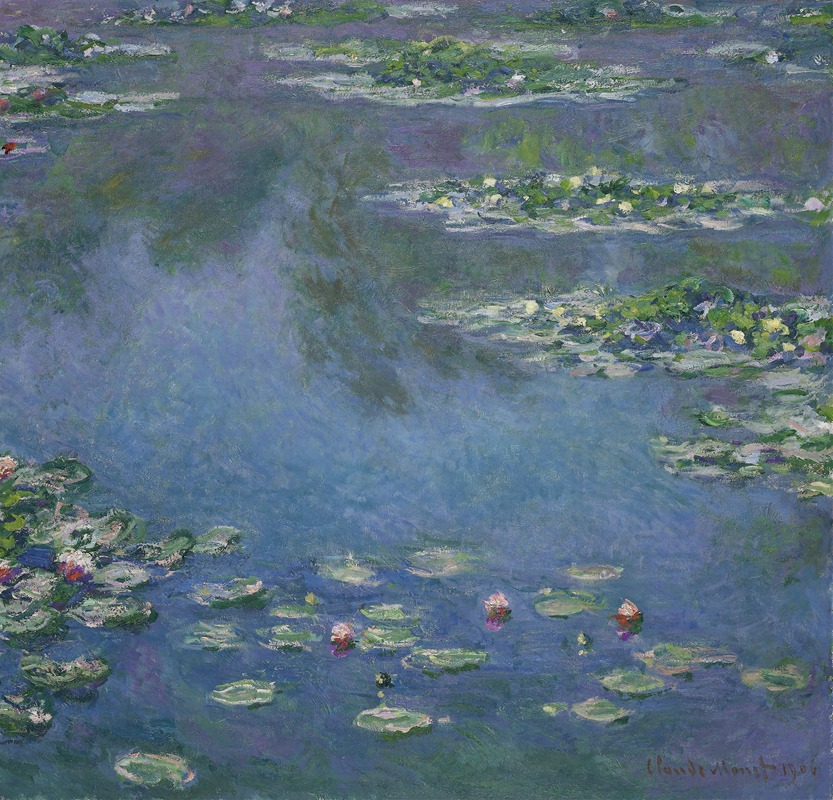
Water Lilies
Claude Monet
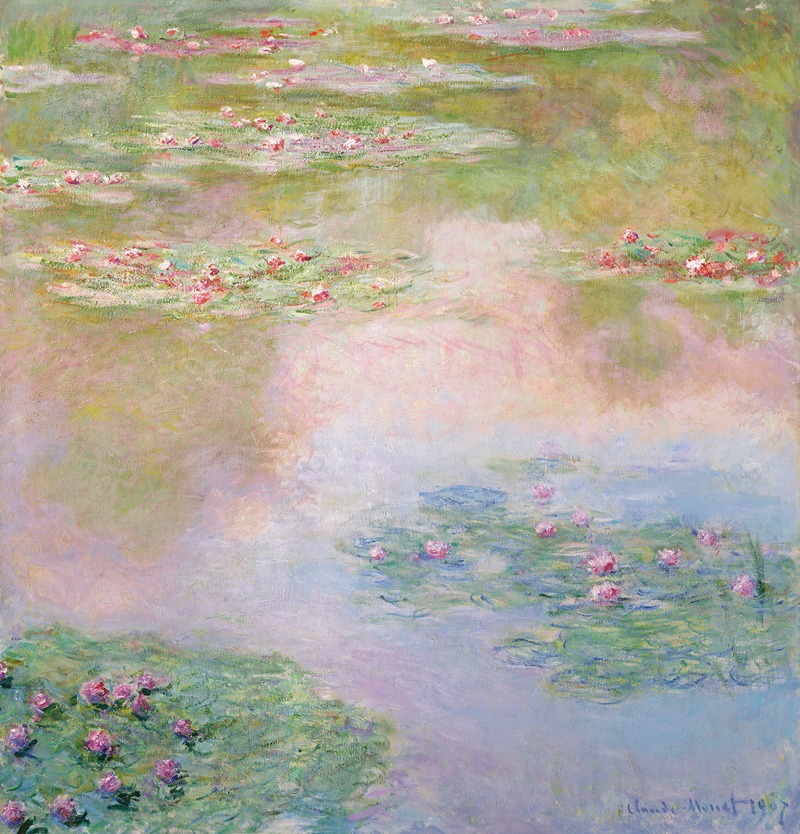
Nymphéas
Claude Monet
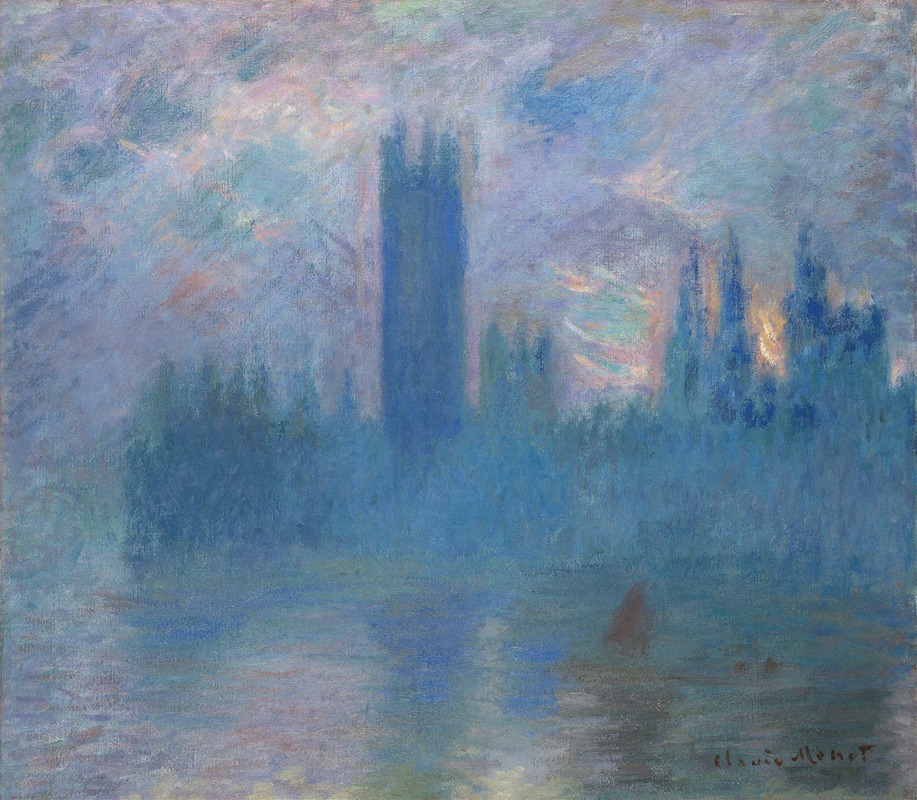
Houses of Parliament, London
Claude Monet
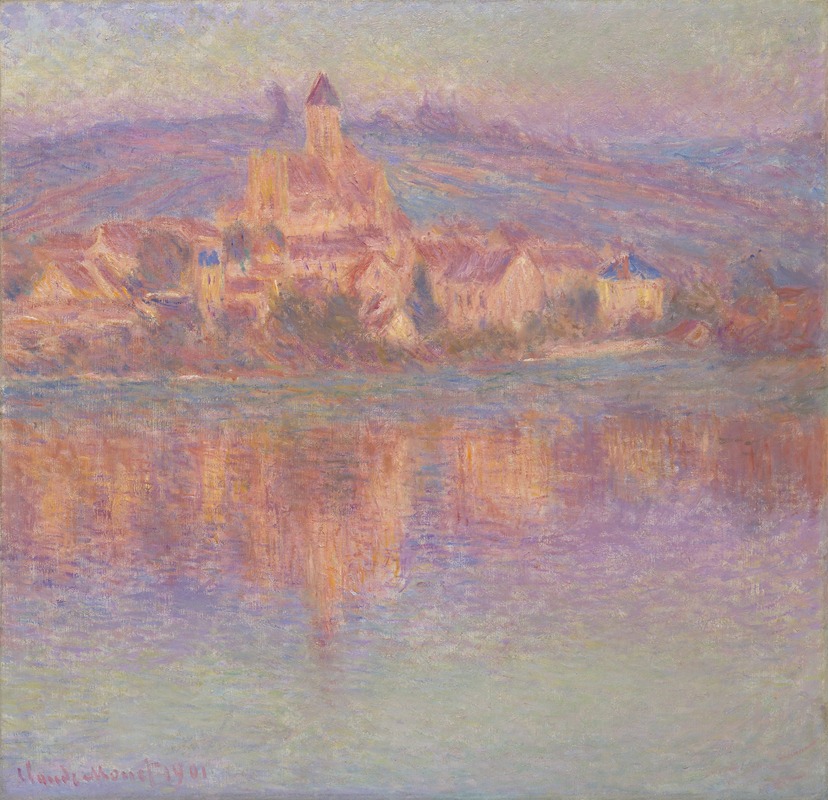
Vétheuil
Claude Monet
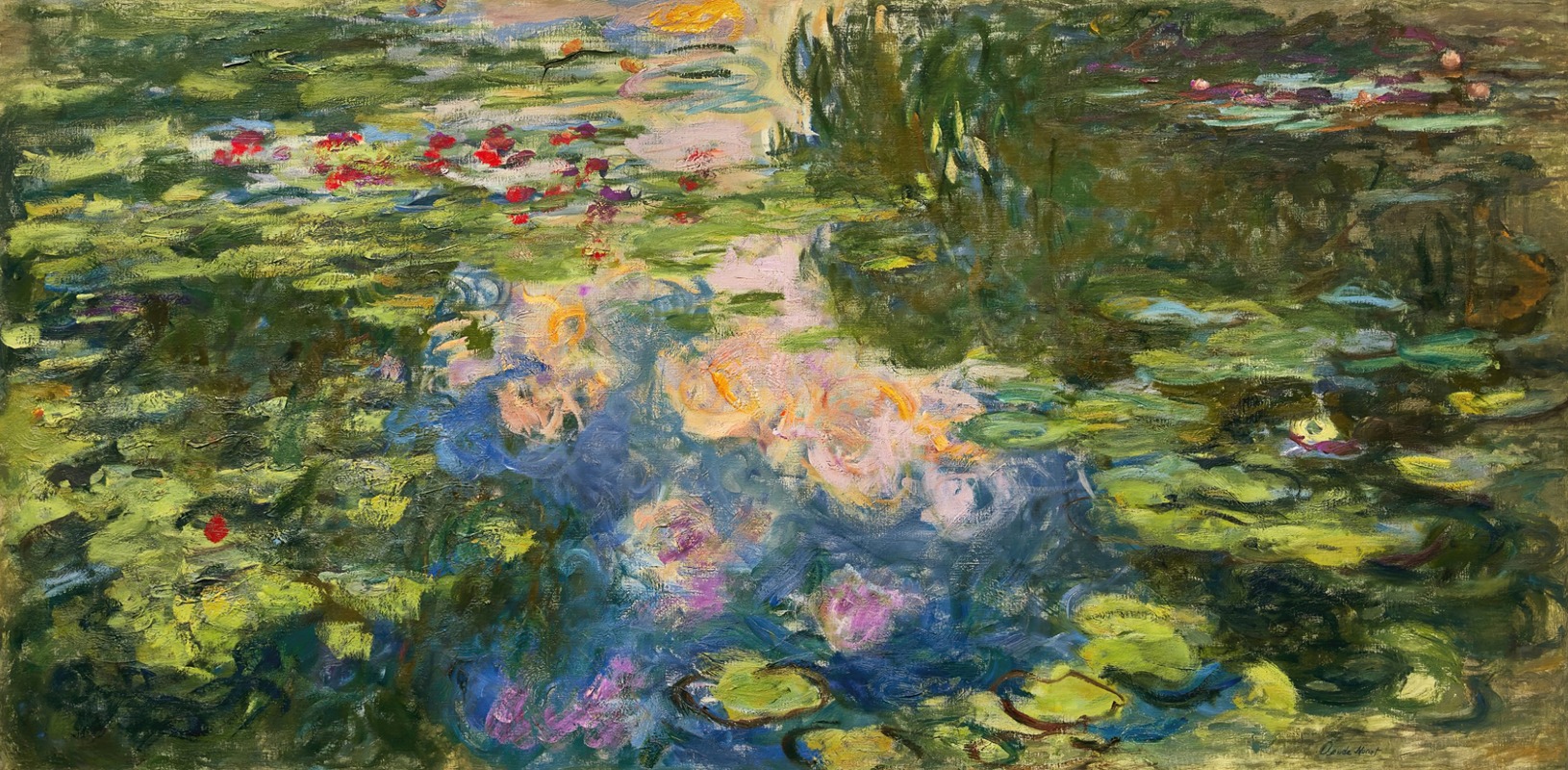
Le Bassin aux nymphéas
Claude Monet

Printemps à Giverny, effet d’après-midi
Claude Monet
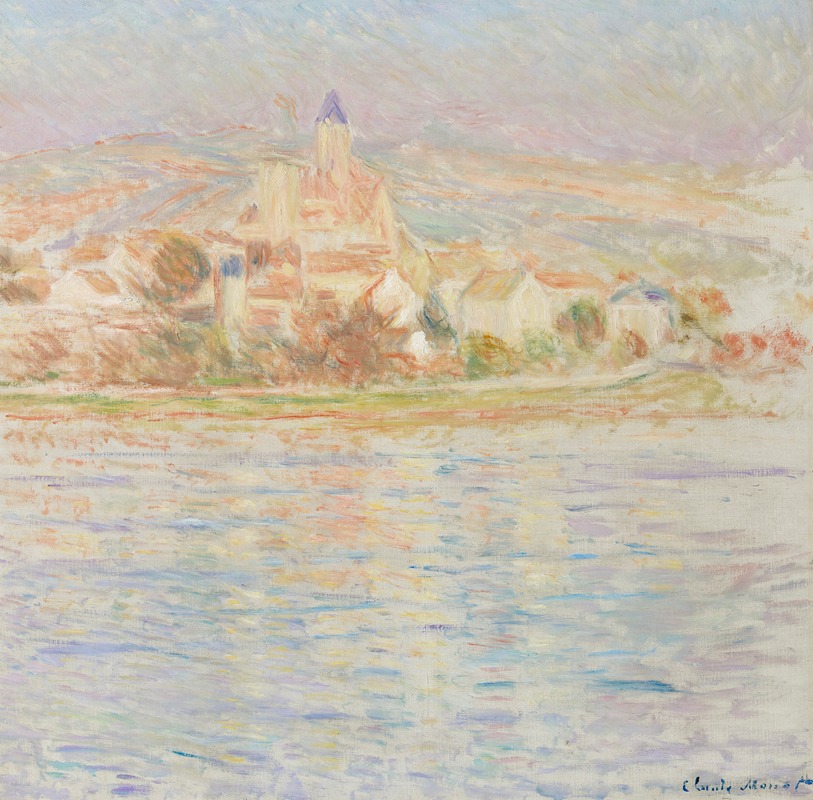
Vétheuil
Claude Monet