
Discover insights about this artwork
Printemps à Giverny, effet d’après-midi — History & Facts
In Printemps à Giverny, effet d’après-midi, Claude Monet depicts a vibrant spring scene filled with lush greenery and blooming flowers. The painting is awash with bright colors, primarily greens, yellows, and pinks, which create a lively atmosphere. The garden is alive with the energy of spring, showcasing Monet's own garden in Giverny.
The dappled light filtering through the foliage adds a sense of movement and life to the composition. The painting is executed in oil on canvas, a medium that allows for rich color and texture. Monet's brushwork is loose and expressive, characteristic of the Impressionism style. The play of light and shadow is evident, with the sunlight creating patterns on the ground and the flowers.
Viewers can appreciate the layering of paint, which gives depth and vibrancy to the scene. Created during the 1880s, this work reflects Monet's deep connection to his garden, which he often painted. Printemps à Giverny is notable for its exploration of light and color, hallmarks of Monet's style. An interesting fact about this painting is that it captures a specific moment in time, showcasing the beauty of nature as it awakens in spring.
Monet's garden in Giverny became a significant source of inspiration for many of his works.
More Artworks by Claude Monet
More Landscape Art
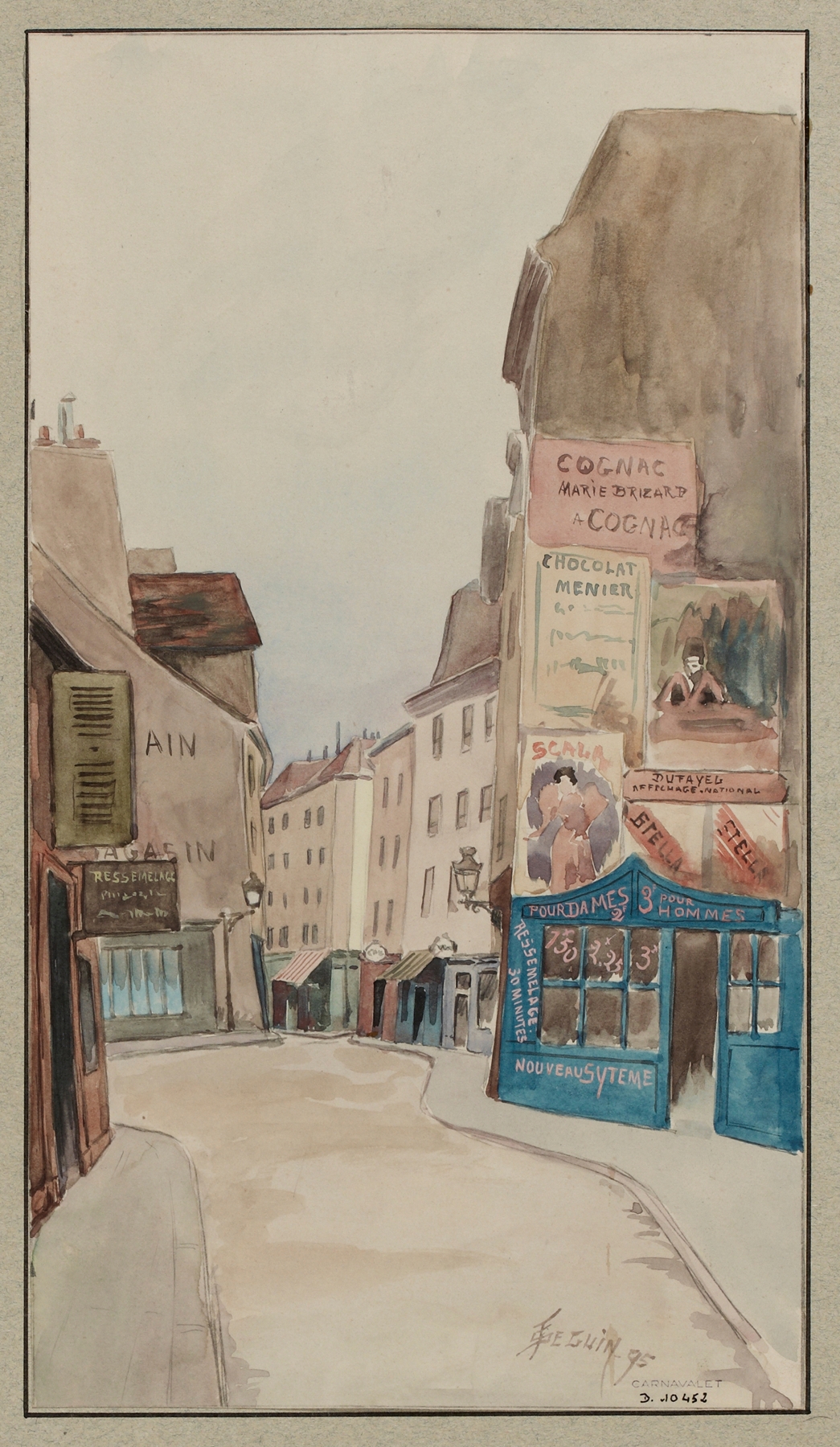
Rue Descartes
F. Séguin
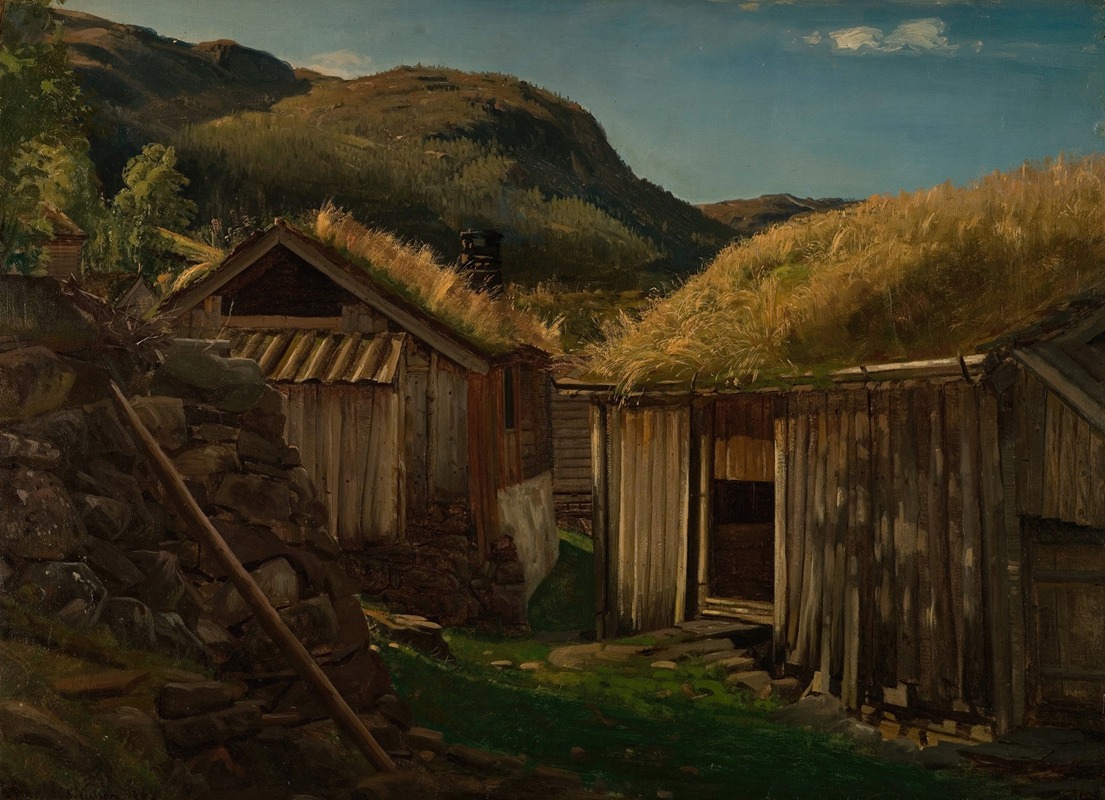
Aarhus, Suldal, Ryfylke
Amaldus Nielsen
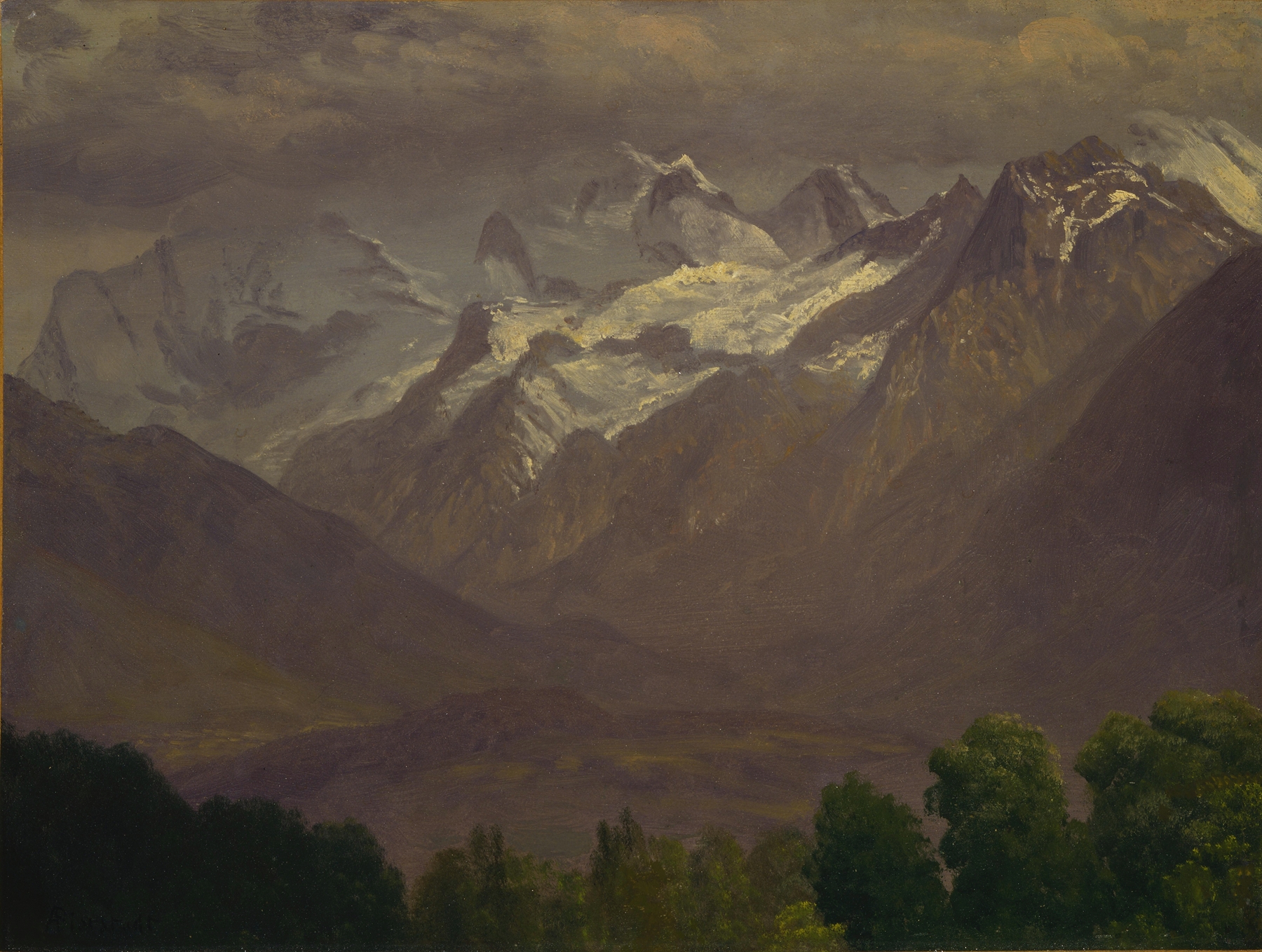
In the High Mountains
Albert Bierstadt
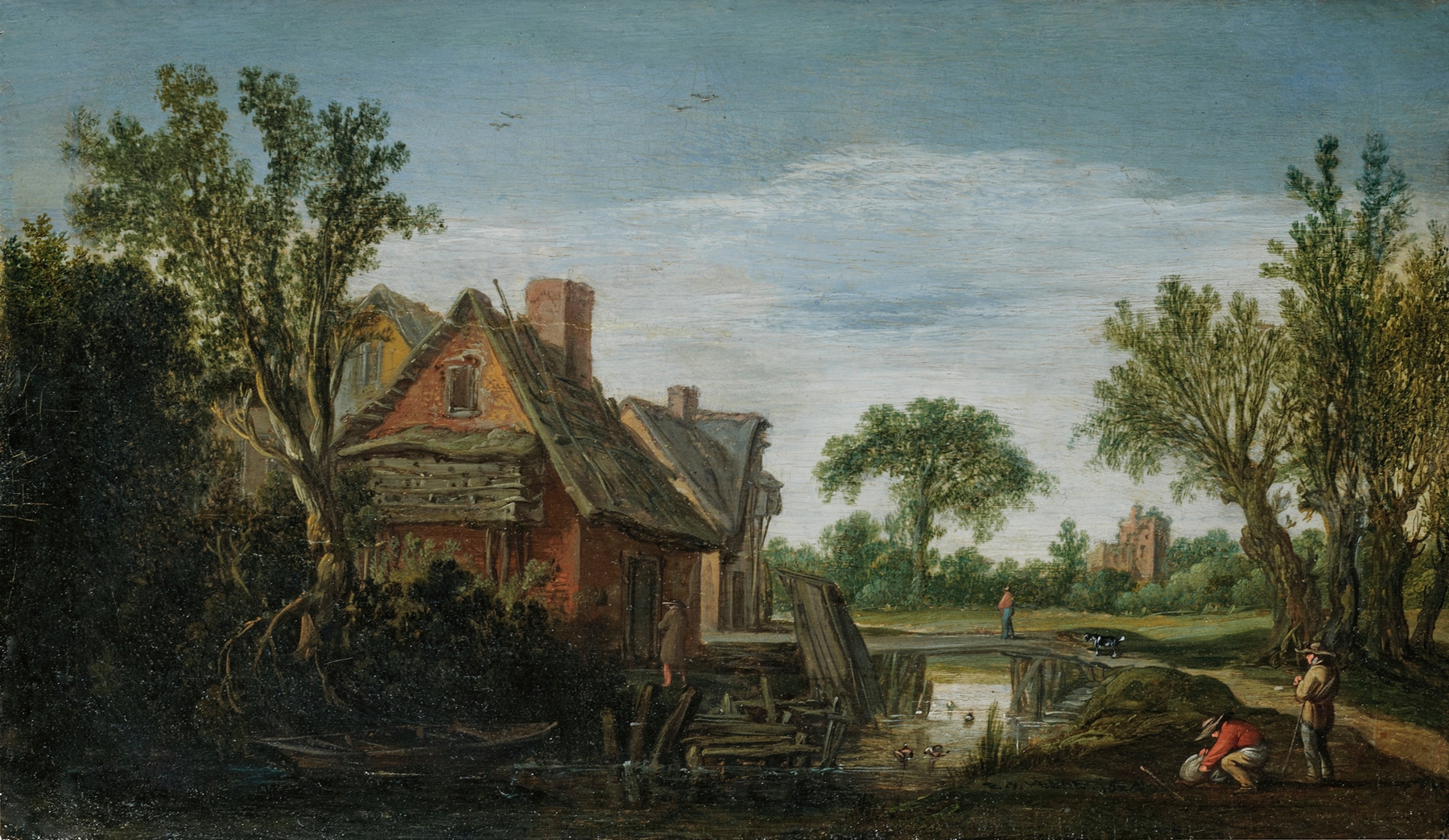
The Hague A Wooded River Landscape With Figures On A Path On A River Bank Beside A Village, A Bridge Beyond
Esaias van de Velde
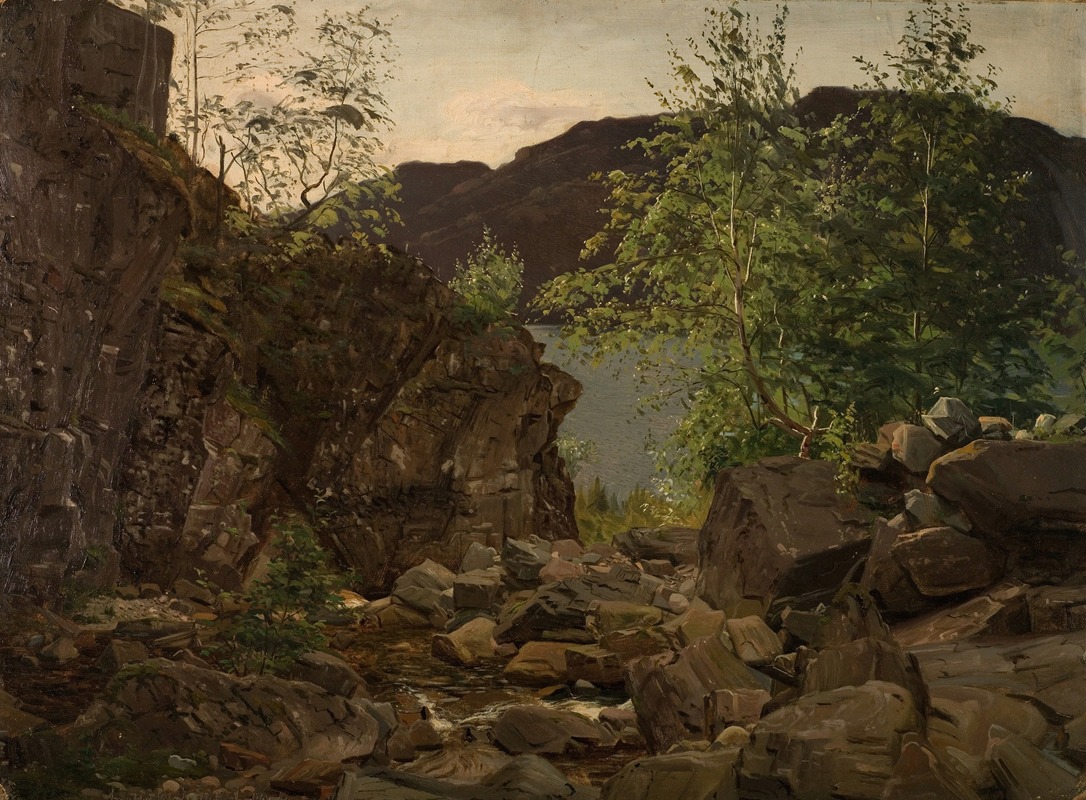
Aarhus, Suldal, Ryfylke
Amaldus Nielsen
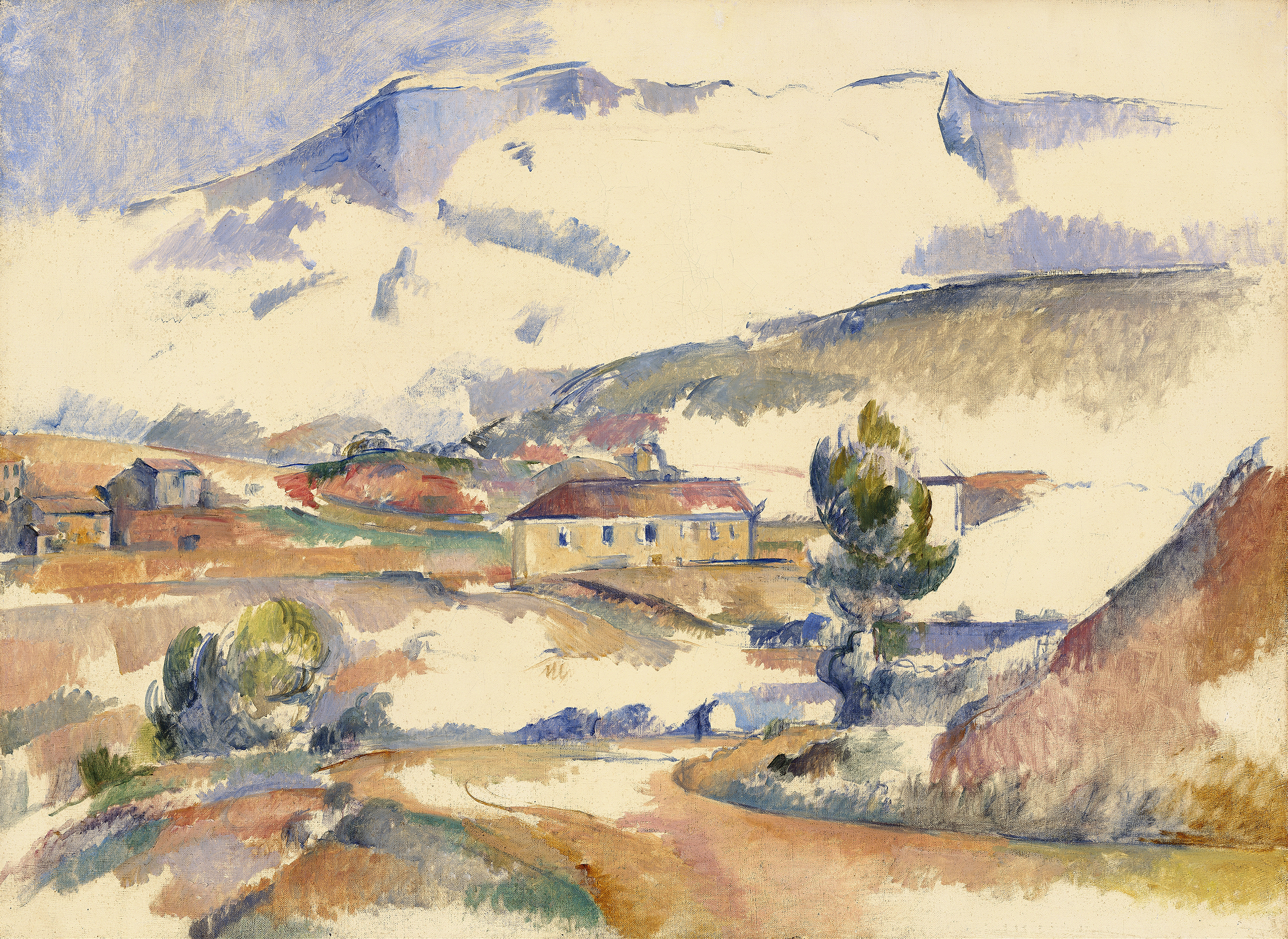
Montagne Sainte-Victoire,from near Gardanne
Paul Cezanne