
Le Carroussel — History & Facts
In its stillness, it captures an essence of melancholy that whispers through the ages, inviting a deeper contemplation of fleeting moments and the passage of time. Look to the center, where the carousel spins in a mechanical dance, a beacon of nostalgia amidst the muted hues. The soft strokes evoke the gentle motion of horses, their forms elegantly crafted, yet their expressions hint at a deeper sorrow. Surrounding them, the colors blend into a palette of soft browns and grays, like a fading memory, pulling the viewer into an atmosphere that straddles joy and wistfulness. Delve into the delicate contrasts at play: the gleaming lights of the carousel juxtaposed against the shadows that stretch like longing limbs.
Each horse, though vibrant, bears an air of stillness, as if caught between the joy of the ride and the inevitable return to a somber reality. The figures on the edge, barely glimpsed, suggest a world outside—a reminder of lives woven into the tapestry of this joyful yet transient experience. Carette painted this work during a time when the world was grappling with the aftermath of the Great War, capturing a sense of longing for simpler pleasures. His career, marked by a deep connection to Parisian life, often reflected themes of leisure and poignancy.
In this piece, he encapsulated the ephemeral nature of joy, inviting viewers to ponder the bittersweet moments that life offers.
More Artworks by Georges-Émile Carette
Browse all →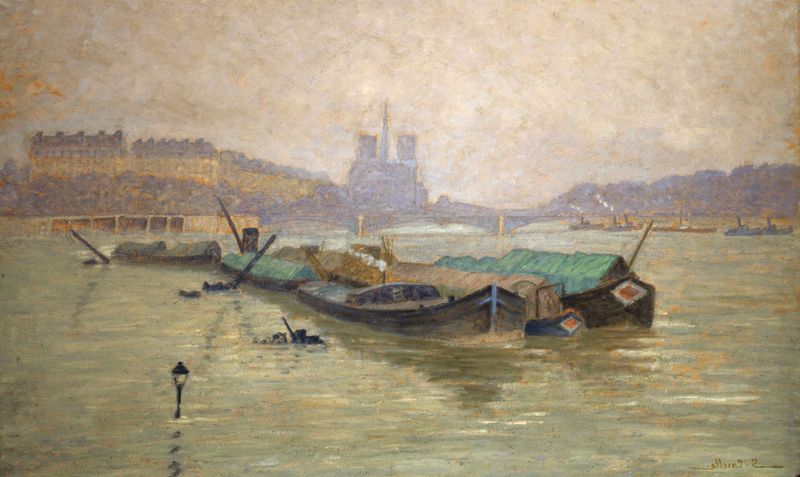
L’ile Saint-Louis Et Notre-Dame, Vues Du Pont D’austerlitz
Georges-Émile Carette
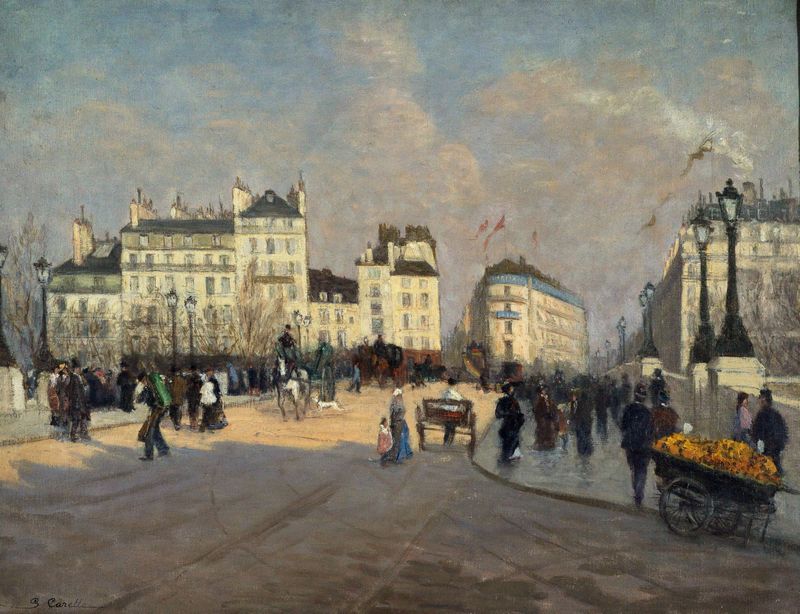
Vue Du Pont-Neuf.
Georges-Émile Carette
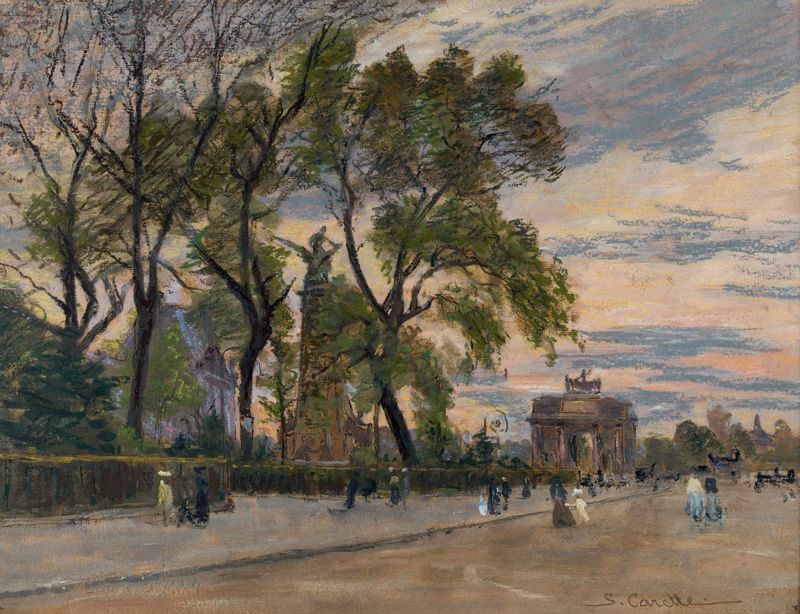
Le Carroussel
Georges-Émile Carette
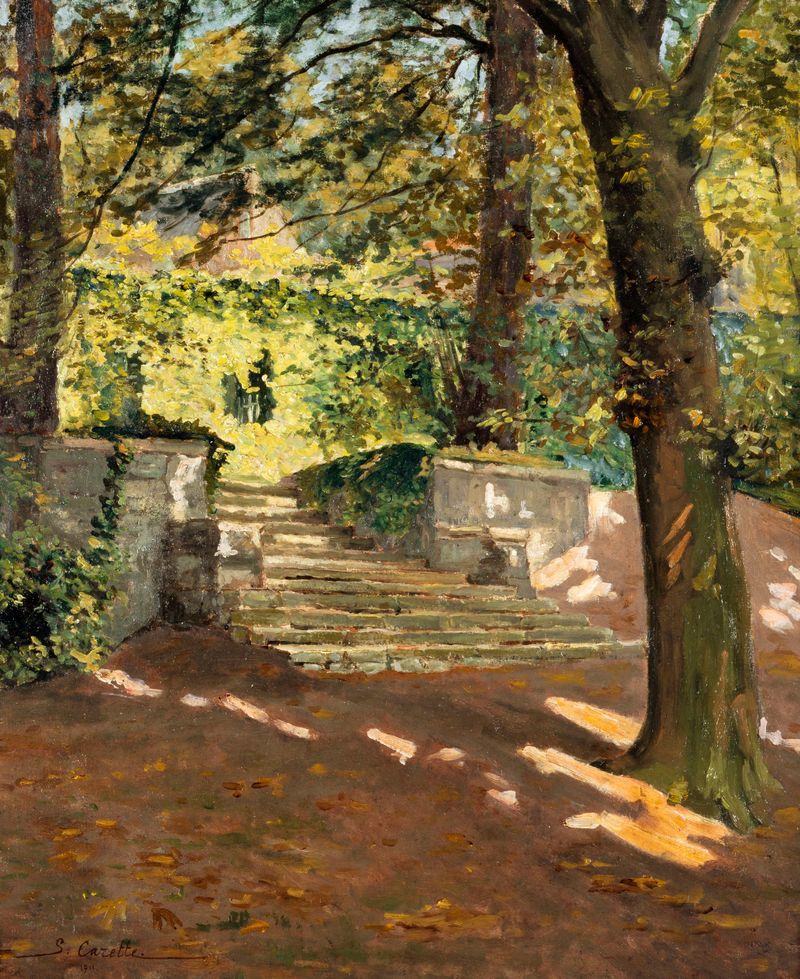
Les Anciennes Eaux De Passy (Le Parc Delessert).
Georges-Émile Carette
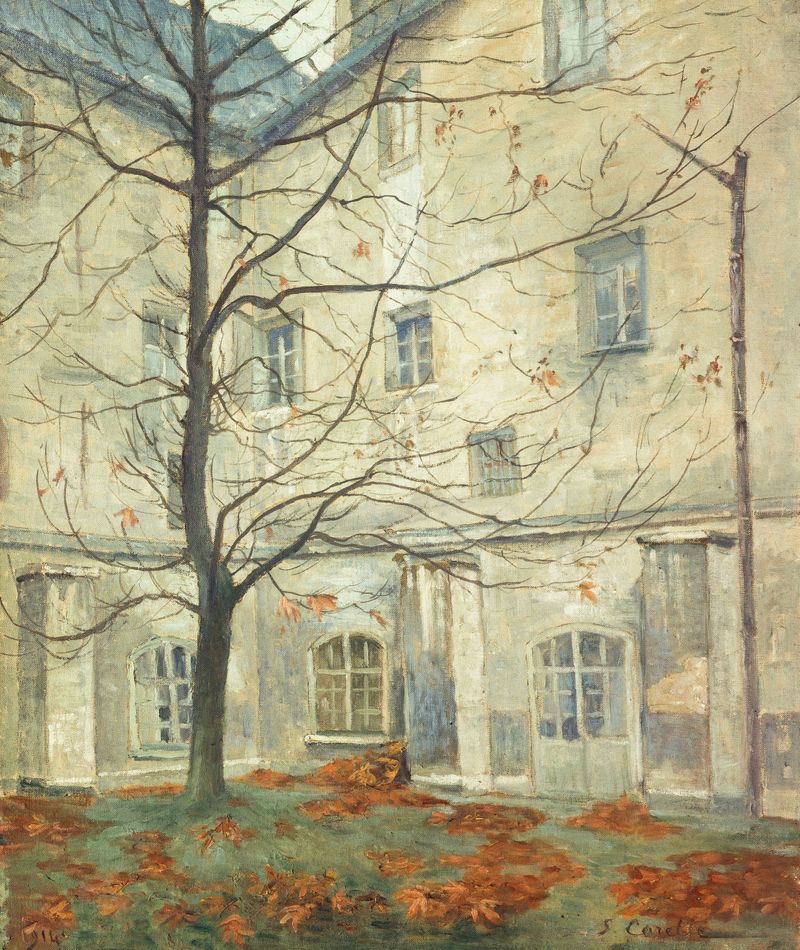
La Cour Lacordaire, Au Couvent Des Carmes, Rue De Vaugirard
Georges-Émile Carette





