Le Cavalier Miserey — History & Facts
A single figure slumps in the moonlight, his uniformed body curled into the shadow of a fallen horse. The sweep of Eugène Grasset’s hand gives the entire poster a sense of exhaustion: the heavy, slanting letters of “MISEREY” seem to press down on the soldier as much as the weight of his own fate. The man’s face is buried in his palm, his other hand limp on his knee; beside him, the horse’s head lies motionless, its form echoing the man’s defeat.
The light pools around them, isolating this moment of despair and making the empty ground stretch wider. Every detail — from the droop of the man’s shoulders to the tangled reins — is chosen to draw us into his fatigue and solitude. Created in 1888, this poster belongs to a world in which illustrated advertisements and book covers were becoming a new art form, especially in Paris. Eugène Grasset was a pioneer of this movement, blending the decorative flair of Art Nouveau with the directness of popular print.
Here, the poster announces a novel by Abel Hermant with illustrations by L. Vallet, and would have hung in bookshop windows or on city walls, calling out to passersby with its dramatic imagery. The Bibliothèque nationale de France preserves this work as part of its vast collection of printed ephemera — reminders of a time when even a fleeting advertisement could become a stage for drama and artistry.
Look again at the interplay of text and image: this is not just promotion, but a story in a single, unforgettable scene.
More Artworks by Eugène Grasset

Samuel Eviradnus 237 Maison de Victor Hugo
Eugène Grasset
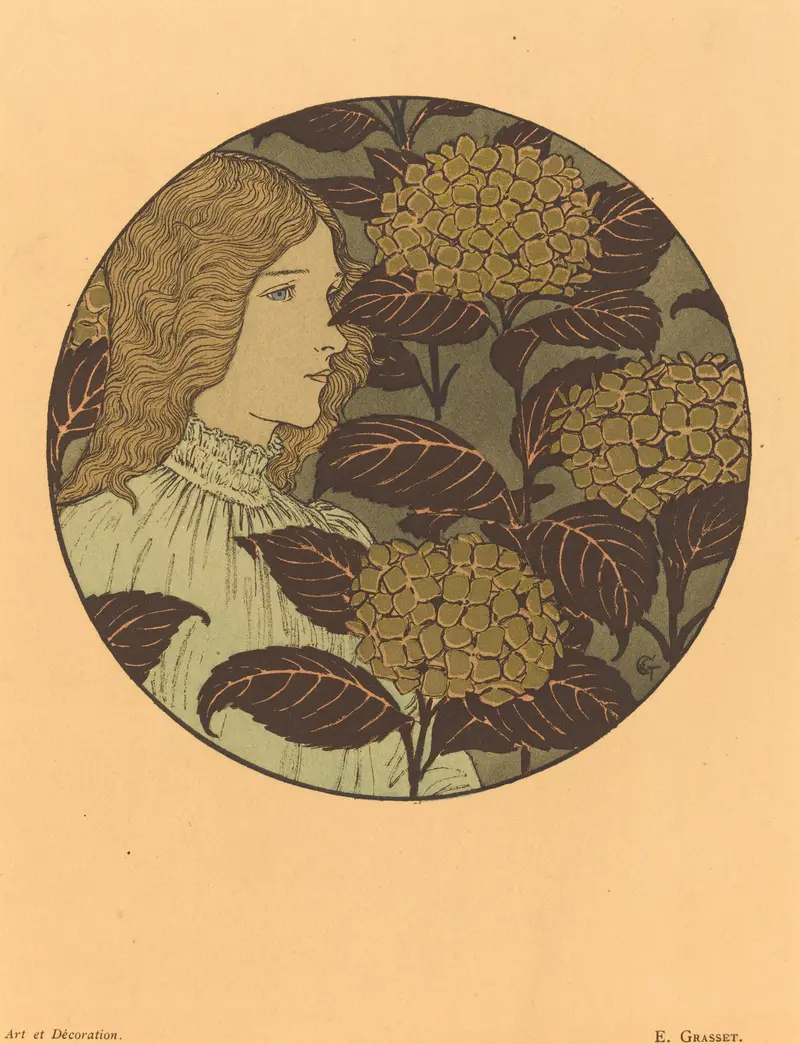
Portrait of a Girl (Roundel)
Eugène Grasset
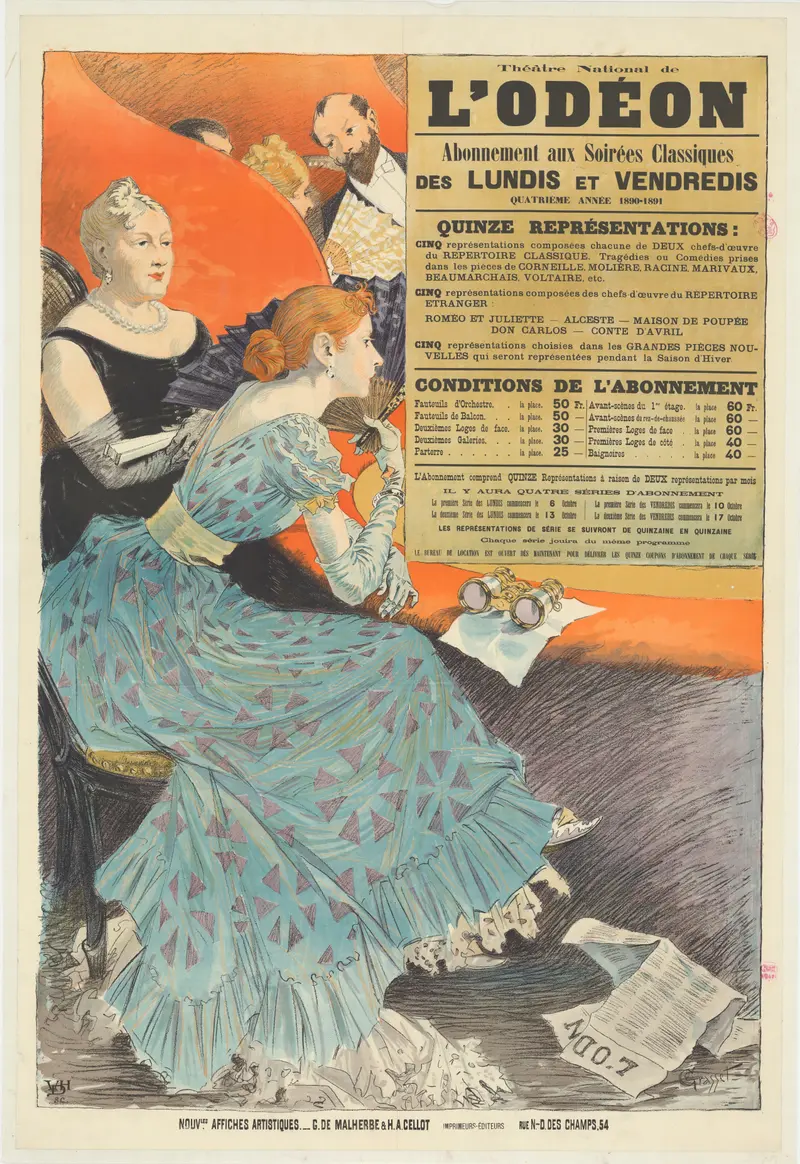
Théâtre National de l'Odéon
Eugène Grasset
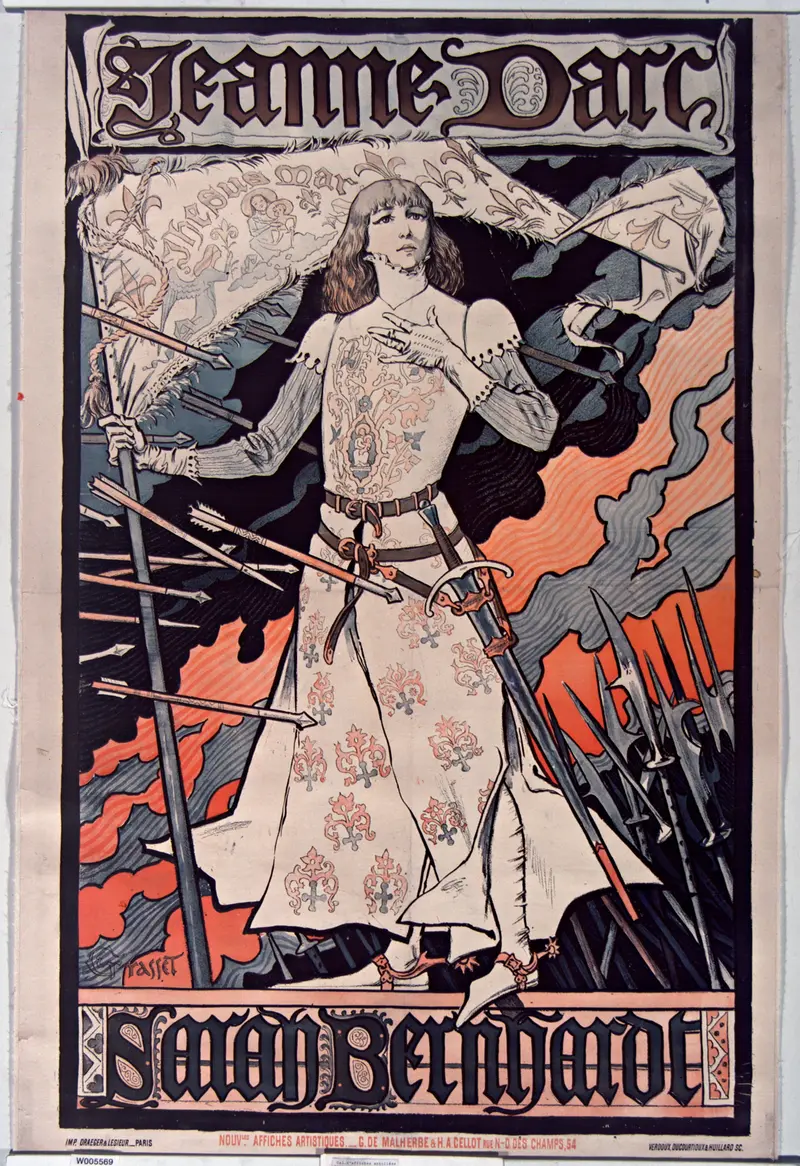
Jeanne d'Arc – Sarah Bernhardt
Eugène Grasset
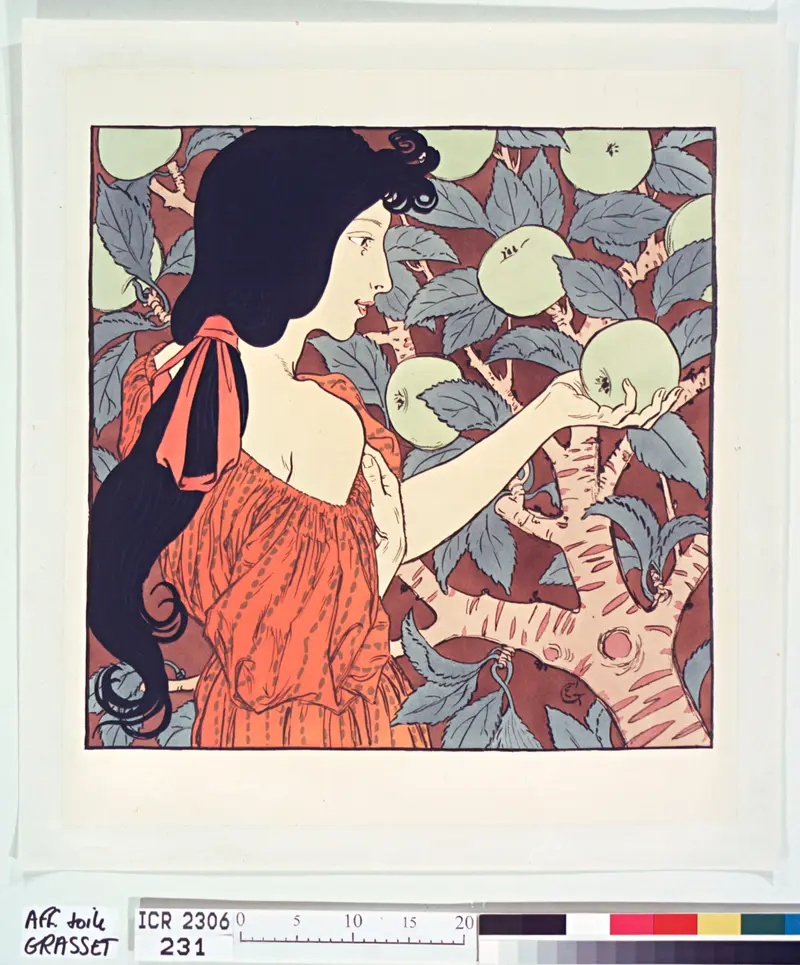
Tentation
Eugène Grasset
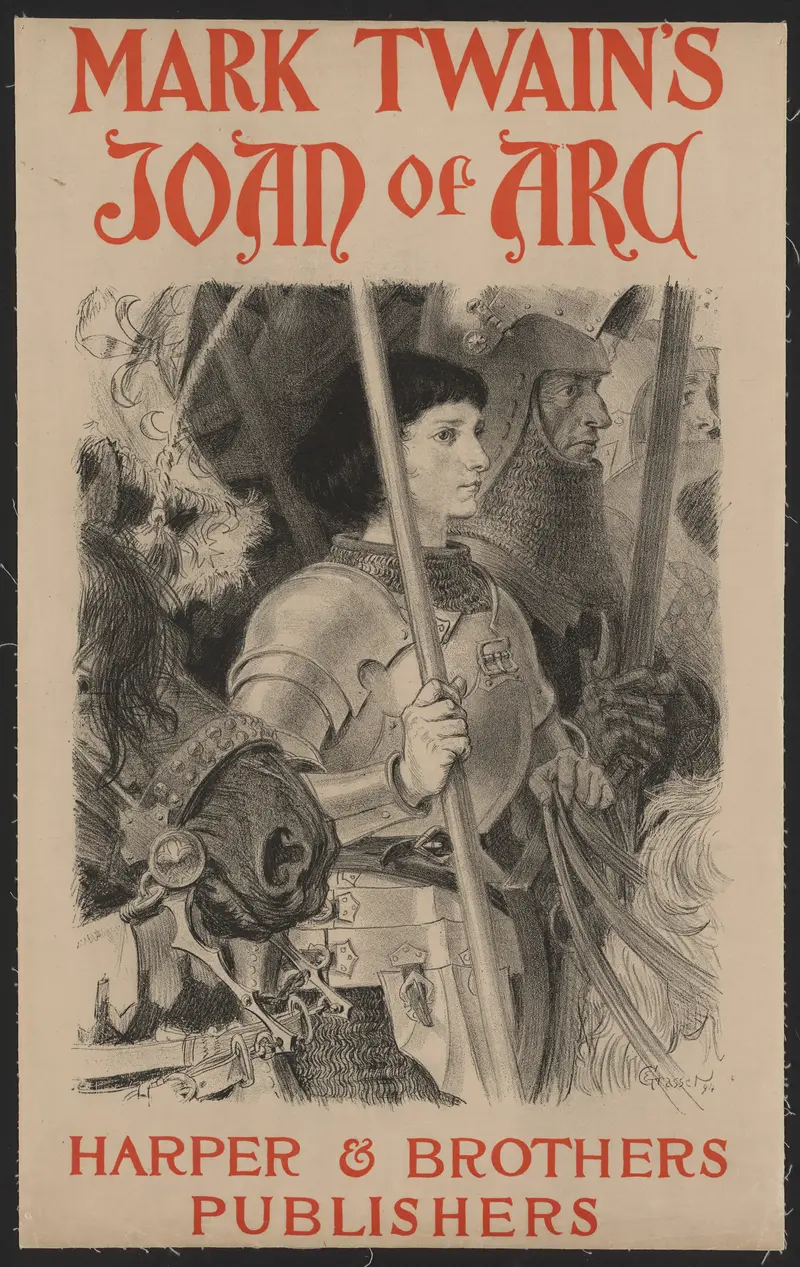
Mark Twain's Joan of Arc
Eugène Grasset
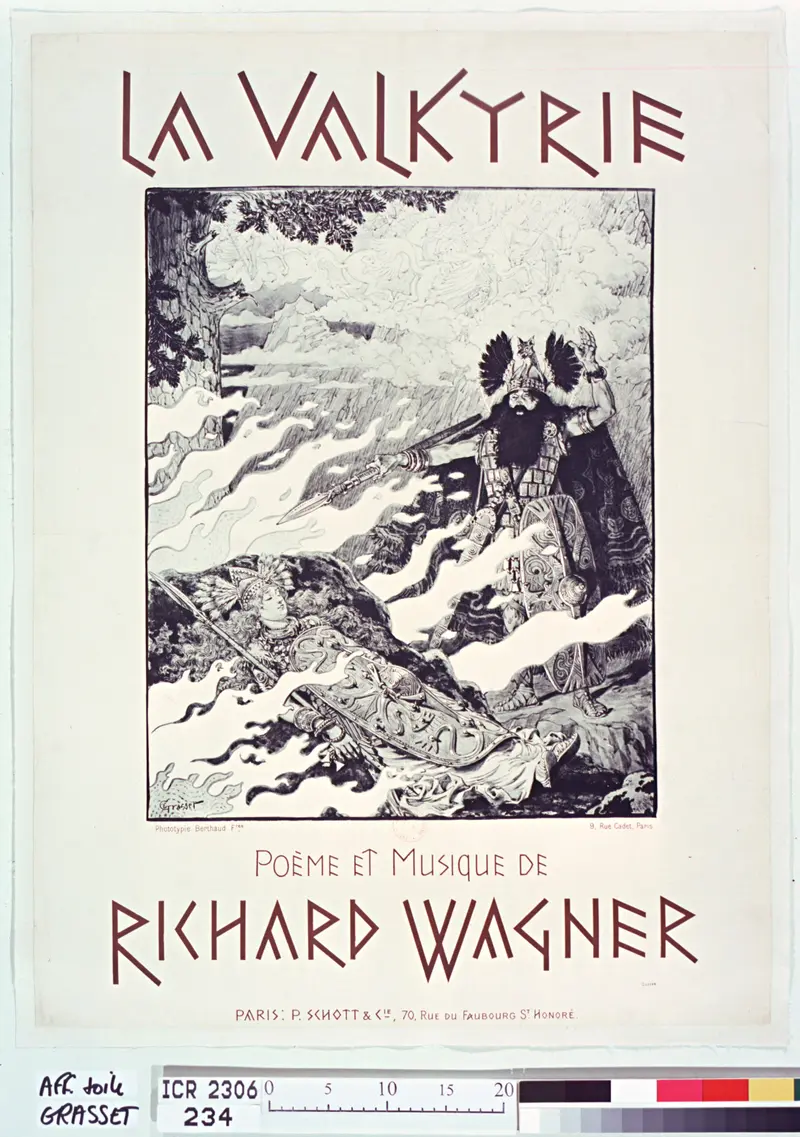
La Walkyrie
Eugène Grasset
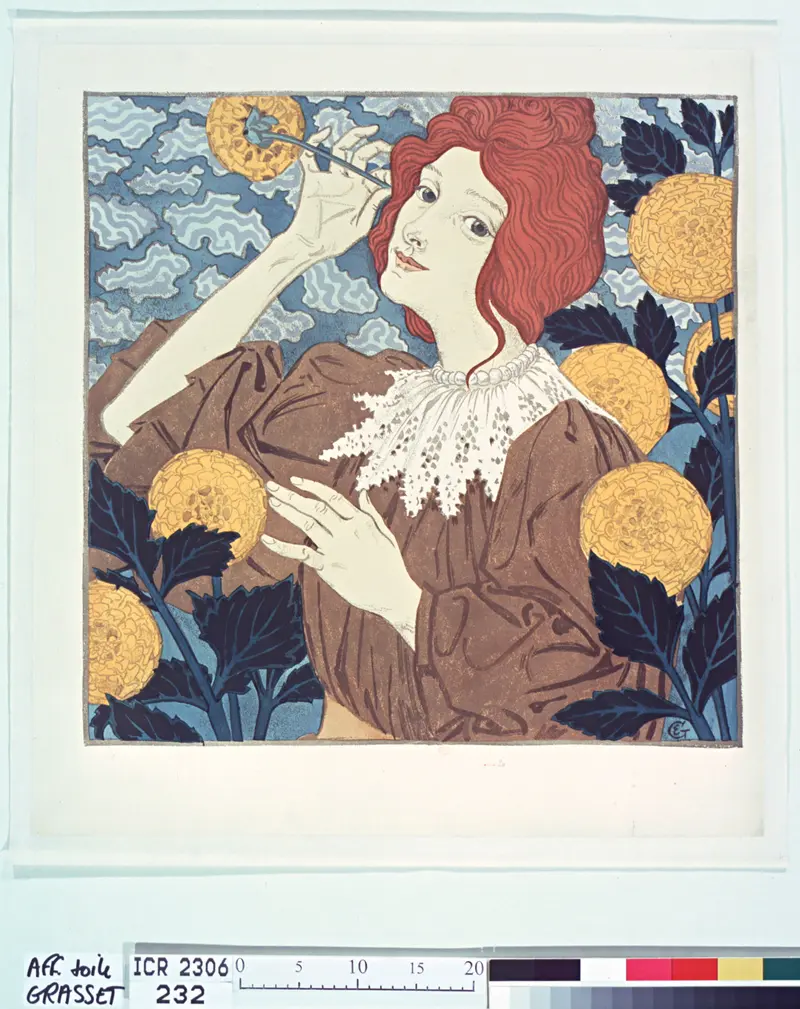
Coquetterie
Eugène Grasset
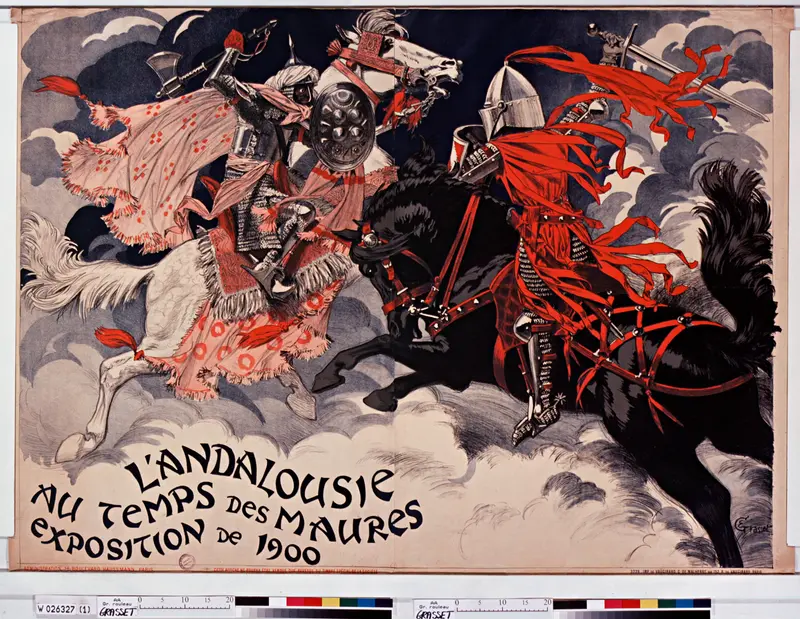
L'Andalousie au temps des Maures
Eugène Grasset
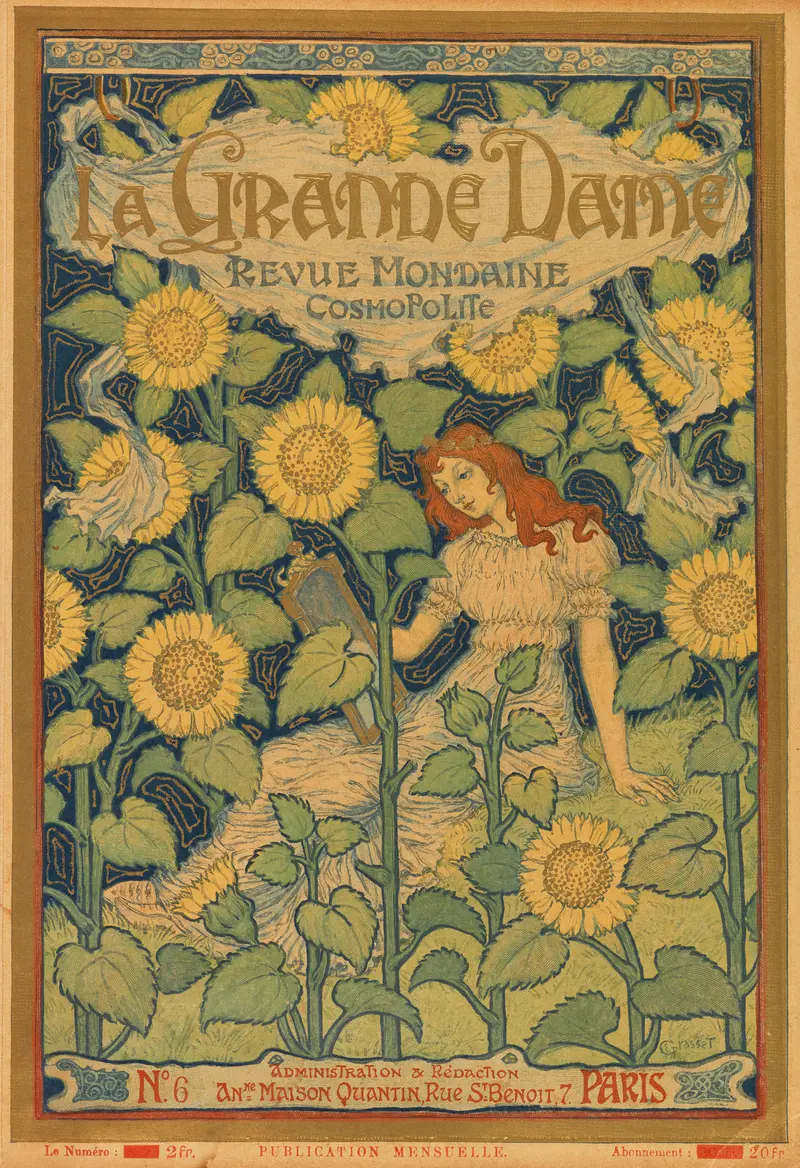
La Grande Dame
Eugène Grasset