
Le château de Victor Hugo à Gentilly côté du jardin — History & Facts
Could beauty survive in a century of chaos? In the midst of upheaval and uncertainty, the delicate charm of a garden can offer a sanctuary, a whisper of solace amidst the noise of revolution. Look closely at the canvas, and you will first notice the vibrant, lush greenery that envelops the château. The interplay of light and shadow creates a dance of contrasts, emphasizing the structure’s graceful architecture while allowing the foliage to breathe life into the scene. The warm earth tones of the building harmonize beautifully with the verdant blues and greens, crafting a tranquil refuge that invites you to escape and linger in its embrace. Beneath this picturesque representation lies a poignant duality.
The grandeur of the château evokes the legacy of artistic brilliance, serving as a reminder of cultural heritage in a time when such traditions were under threat. Meanwhile, the lush garden, with its blooming flowers and untamed flora, suggests resilience—beauty thriving even when surrounded by the remnants of chaos and uncertainty. Each brushstroke reveals Manesse's conviction that nature, with its rejuvenating spirit, can flourish against the backdrop of turmoil. In 1916, at the height of World War I, the artist found himself in a world marked by conflict and transformation.
Living in France, where the echoes of revolution ran deep, he painted this work as a testament to cultural continuity even amidst crisis. The era was a time of great experimentation in art, and Manesse's choice to depict a moment of serene beauty reflects both personal longing and the broader human desire for peace.
More Artworks by Georges-Henri Manesse
Browse all →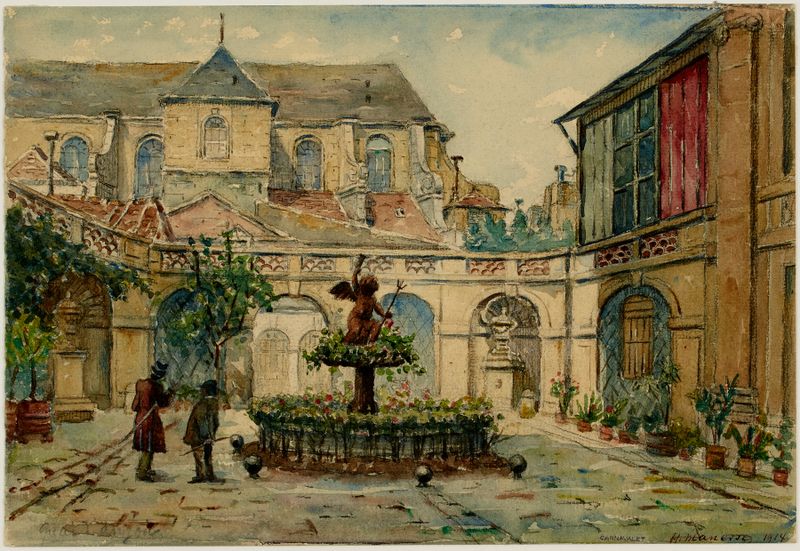
Cour intérieure de l’Hôtel Hesselin, 24 quai de Béthune
Georges-Henri Manesse
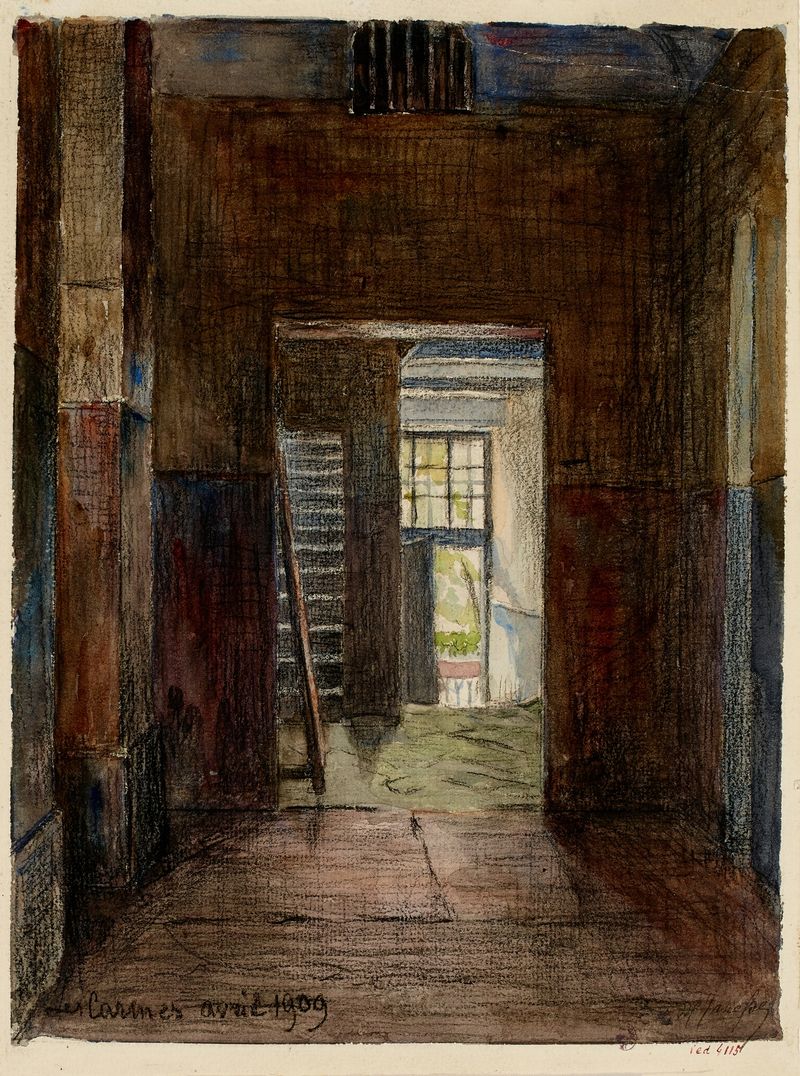
Intérieur du couvent des Carmes, rue de Vaugirard
Georges-Henri Manesse
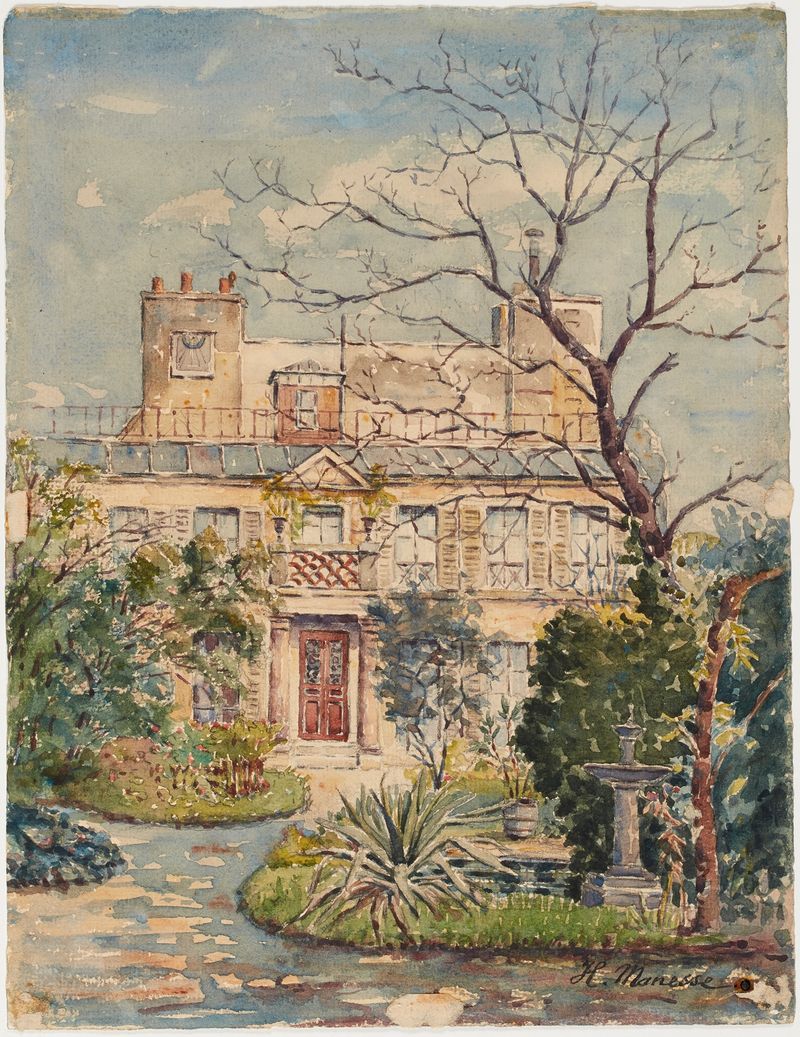
Maison de Victor Hugo, rue du Cherche-Midi
Georges-Henri Manesse
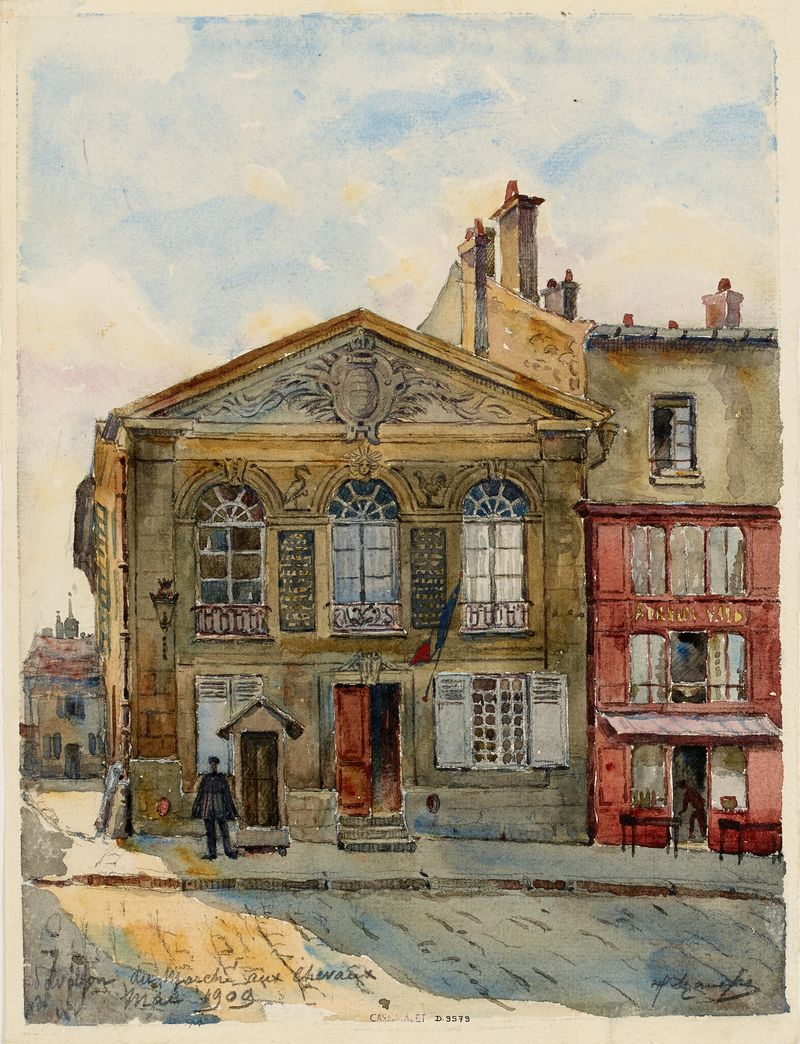
Le pavillon de police du Marché aux chevaux, rue Geoffroy Saint Hilaire
Georges-Henri Manesse

Passerelle des Arts
Georges-Henri Manesse

Vieille maison du XVè siècle, 6 rue Boutebrie
Georges-Henri Manesse
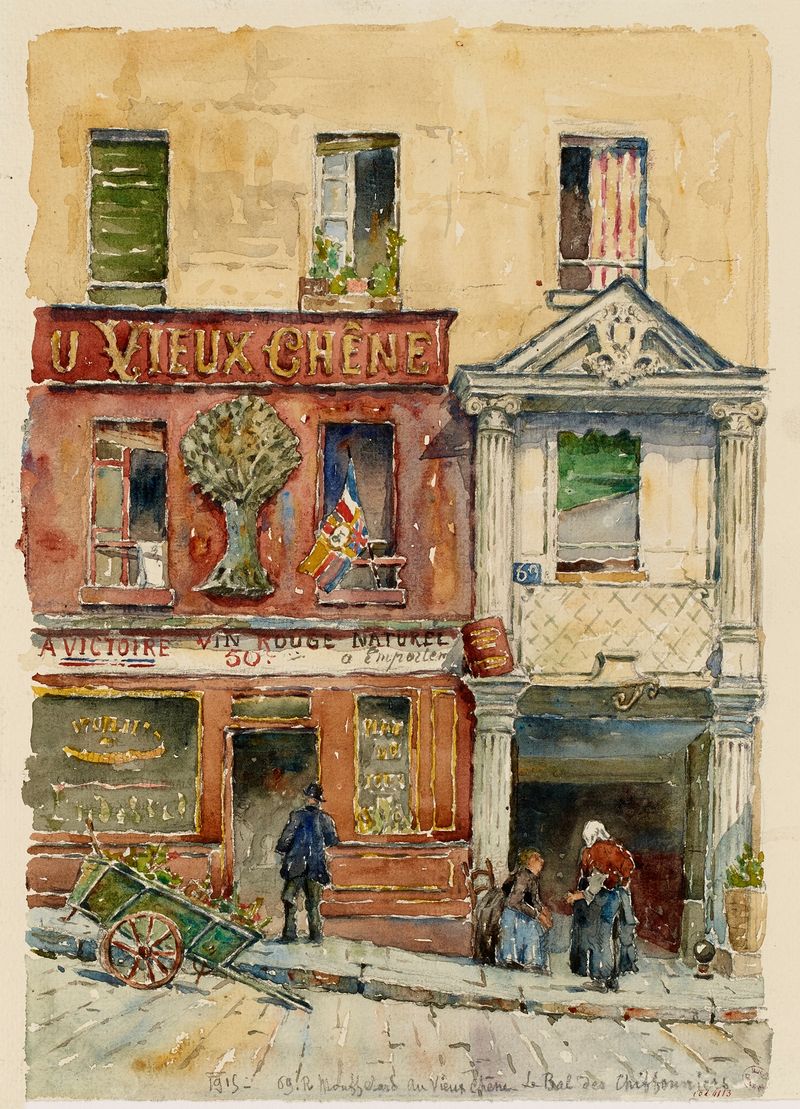
69, rue Mouffetard Boutique de vins à l’enseigne du Vieux chêne
Georges-Henri Manesse
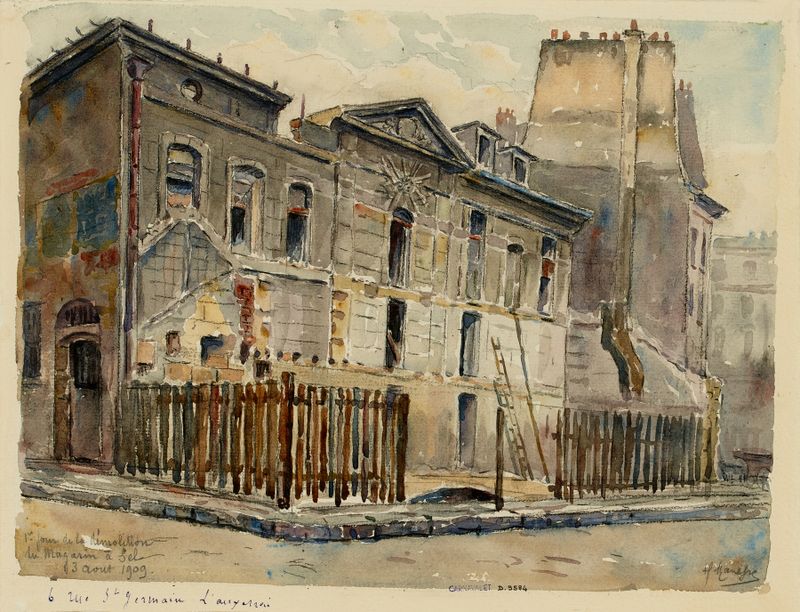
Premier jour de la démolition du magasin à sel, 6 rue Saint Germain de l’Auxerrois
Georges-Henri Manesse
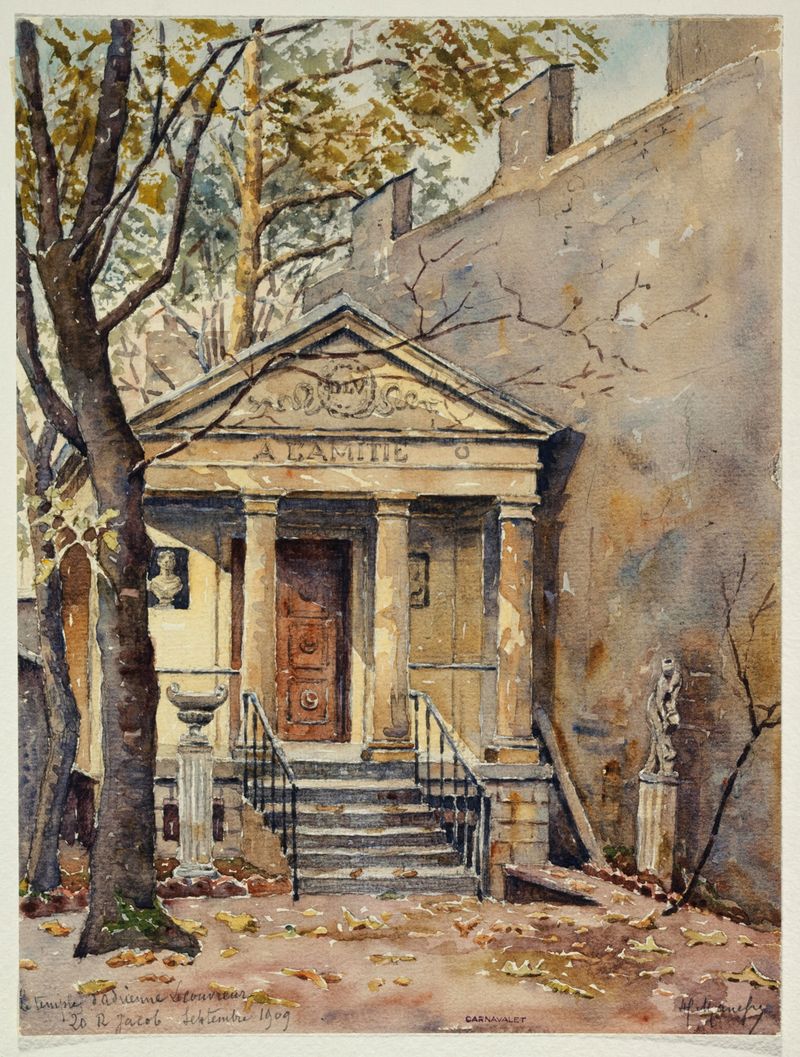
Temple de l’Amitié, 20 rue Jacob où habita Adrienne Lecouvreur
Georges-Henri Manesse

Maison de campagne de Jean-Jacques Rousseau, 20 quai de Passy
Georges-Henri Manesse





