
Le coup de vent — History & Facts
In the stillness of Le coup de vent, loneliness looms like an uninvited guest, echoing through empty spaces and barren landscapes, stirring a quiet longing in those who gaze upon it. Focus on the tumultuous sky, swirling shades of gray and blue, where the winds carry whispers of the unseen. Notice how the jagged waves clash against the rocky shore, the brushstrokes capturing their fierce energy and restless spirit. The contrasting calmness of the distant horizon invites you to explore the interplay between turmoil and tranquility, each element meticulously placed to draw your eye across the canvas. In the foreground, a solitary boat braves the turbulent seas, its presence amplifying the theme of isolation.
The struggle against nature’s forces reflects the internal battles we often face in solitude. The textured clouds above, heavy with impending storms, convey a sense of foreboding, while the fleeting sunlight peeking through hints at ephemeral moments of hope. This duality encapsulates the essence of loneliness — a storm that rages outside and within. Félix Ziem painted Le coup de vent between 1850 and 1860, during a time when he was solidifying his reputation in the art world, focusing on landscapes that captured the raw power of nature.
Living in Paris, Ziem was influenced by the Romantic movement, which valued emotion and the sublime, reflecting a world grappling with industrial change and existential questioning. This backdrop informed a body of work that oscillated between the grandeur of nature and the insignificance felt by humanity amidst it.
More Artworks by Félix Ziem
Browse all →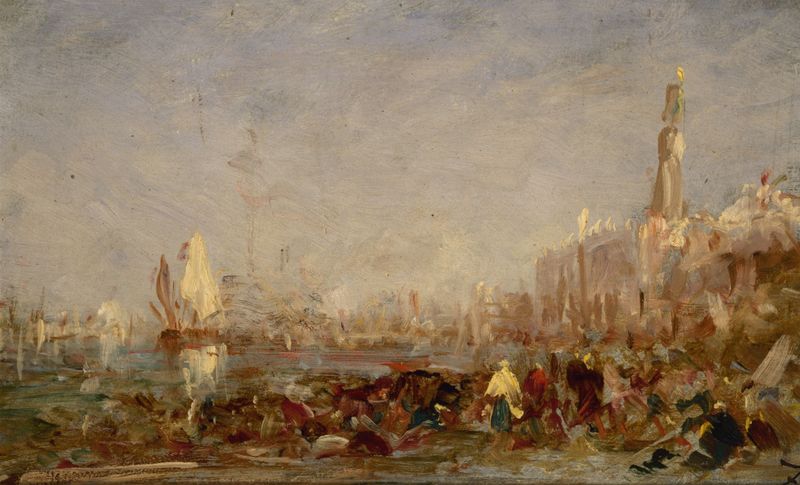
Venise
Félix Ziem
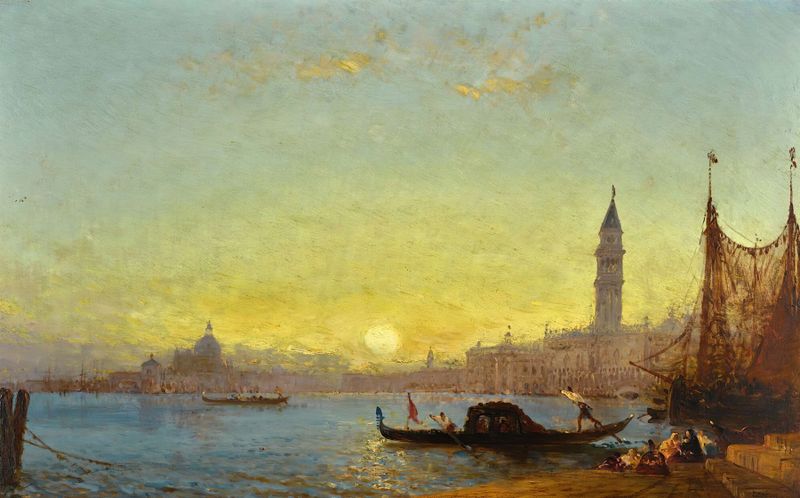
Coucher De Soleil À Venise
Félix Ziem
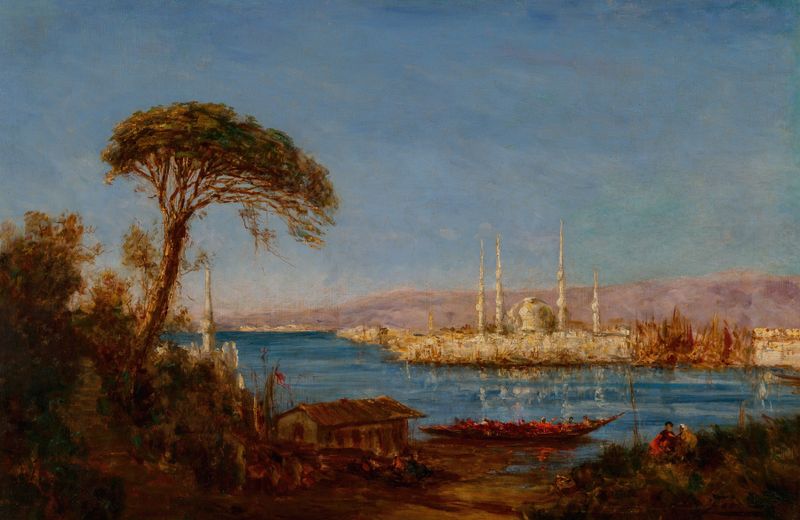
Constantinople
Félix Ziem
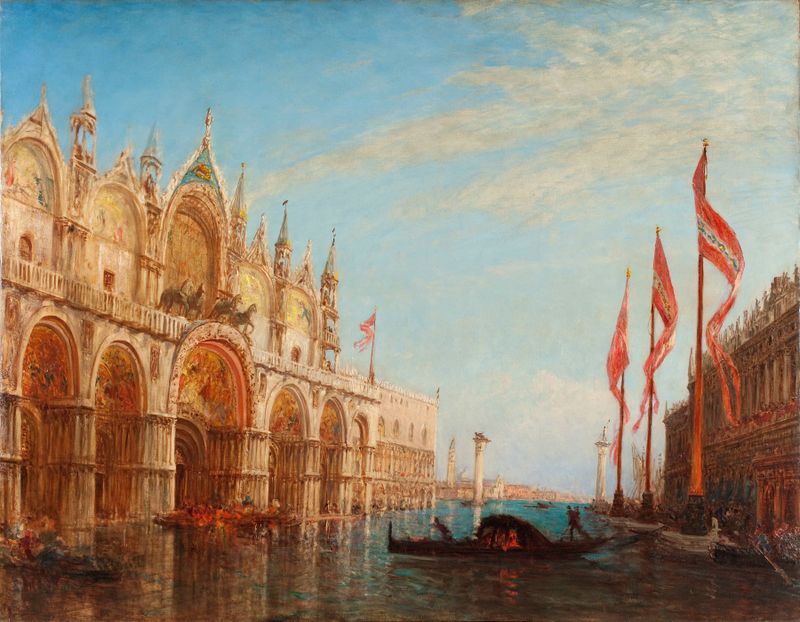
La place Saint-Marc, inondation de 1863
Félix Ziem
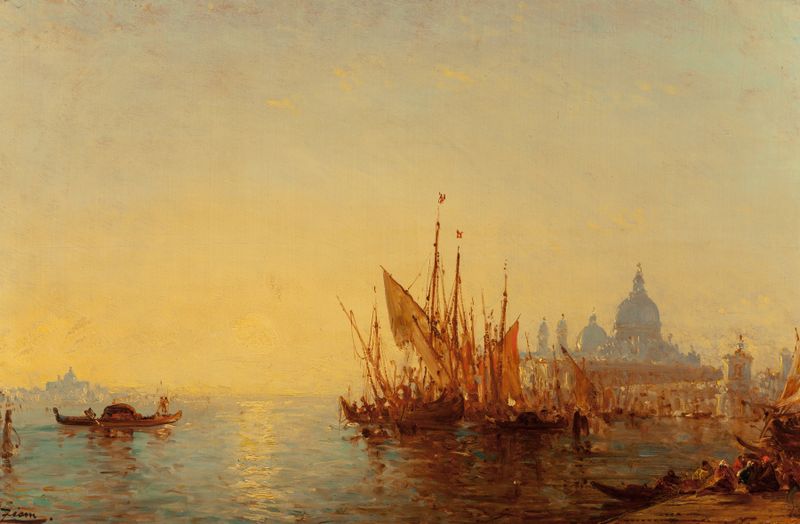
Bacino di San Marco
Félix Ziem
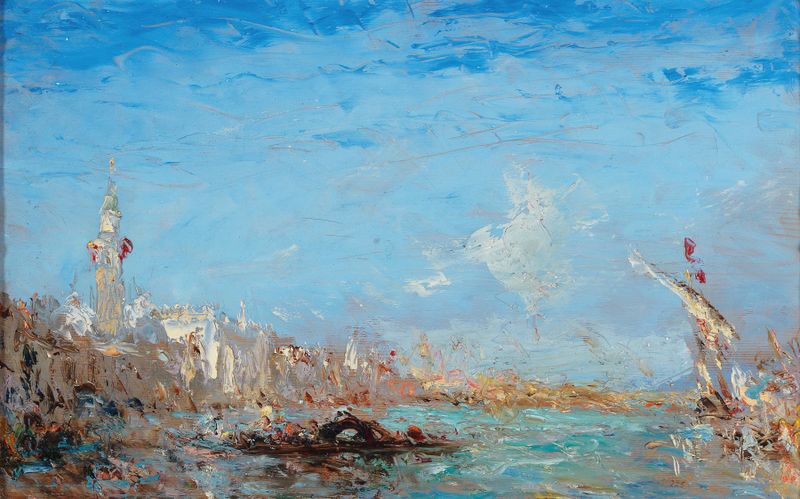
Canal Grande
Félix Ziem
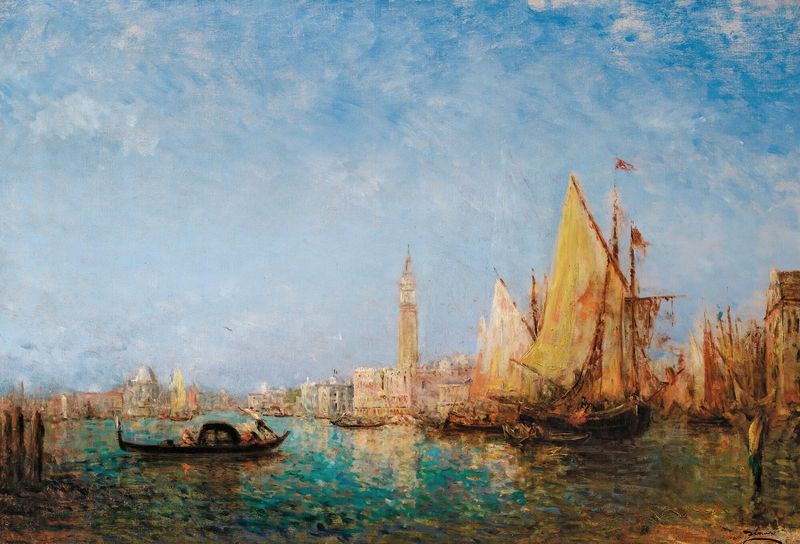
Le Palais Du Doge, Venise
Félix Ziem
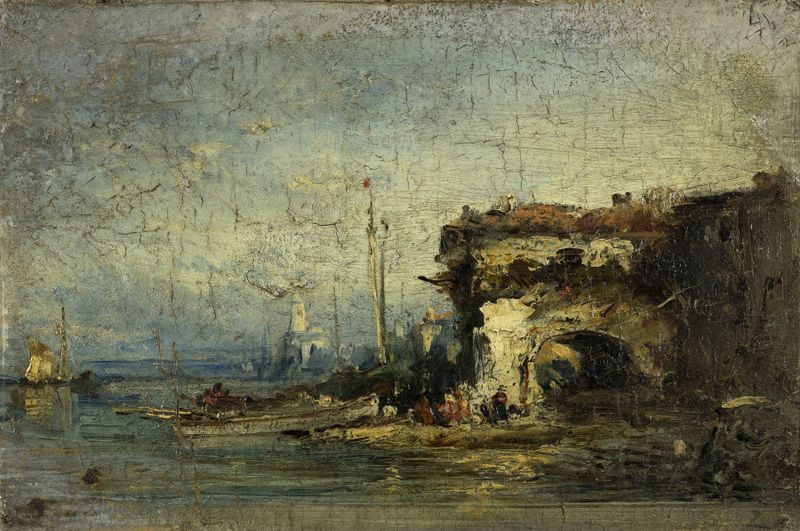
Vue d’Italie; la vieille porte
Félix Ziem
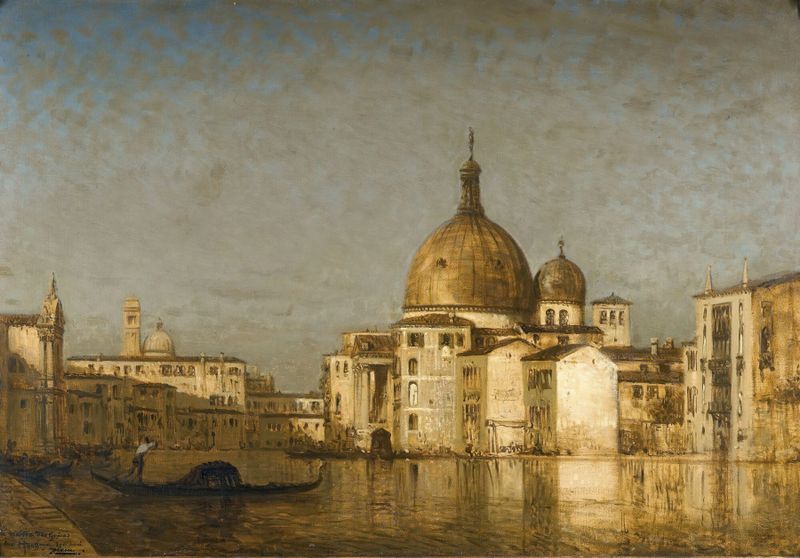
San Simeone Piccolo Au-Delà Du Grand Canal, Venis
Félix Ziem
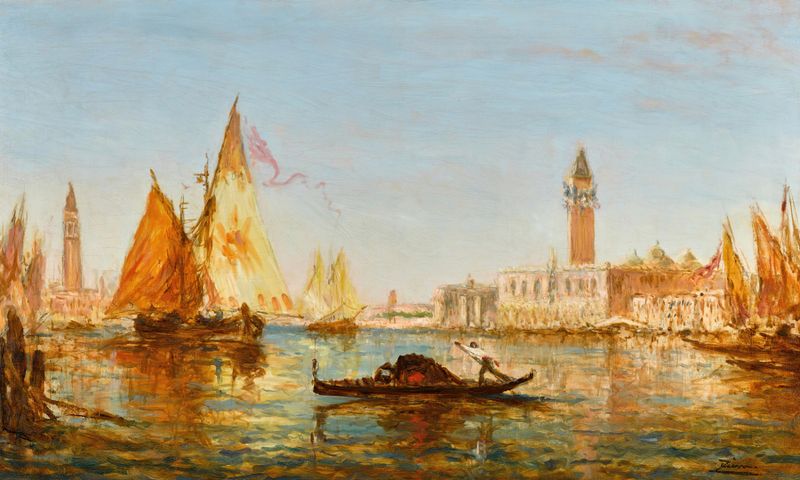
Venise, gondole et voiliers devant le Palais des doges et San Giorgio Maggiore
Félix Ziem





