
Discover insights about this artwork
Le Destin — History & Facts
In Le Destin, Léon François Comerre presents a rich tapestry of colors and figures. The painting features a central female figure, draped in flowing garments, symbolizing fate. Surrounding her are various allegorical elements, including celestial bodies and mythological creatures.
The overall palette is a blend of warm and cool tones, creating a sense of depth and movement. The technical execution of Le Destin showcases Comerre's skill in oil on canvas. The brushwork is detailed, particularly in the rendering of fabrics and facial expressions. Light plays a crucial role, highlighting the figure's features while casting shadows that add drama.
The composition is balanced, guiding the viewer's eye through the various elements of the scene. Léon François Comerre was a prominent figure in the Symbolist movement, known for his allegorical works. Le Destin reflects his fascination with themes of fate and destiny, common in Symbolism. An interesting fact about this painting is its intricate details, which invite viewers to explore the deeper meanings behind the imagery.
Comerre's ability to blend realism with symbolic elements makes this work notable in his oeuvre.
More Artworks by Léon François Comerre
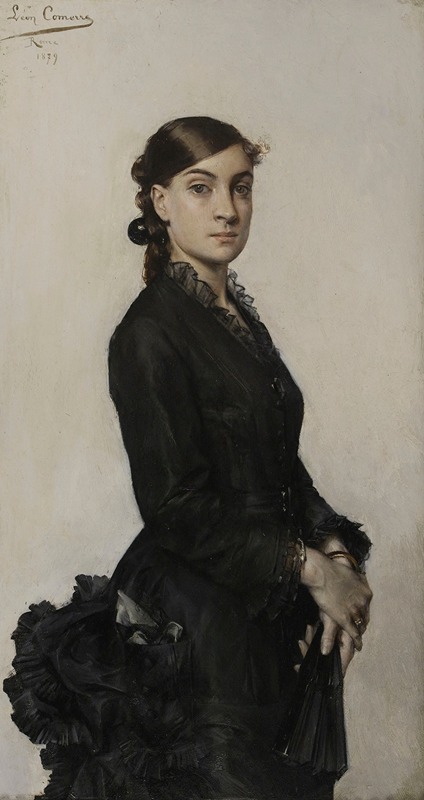
Portrait de Jacqueline Comerre-Paton en robe noire
Léon François Comerre
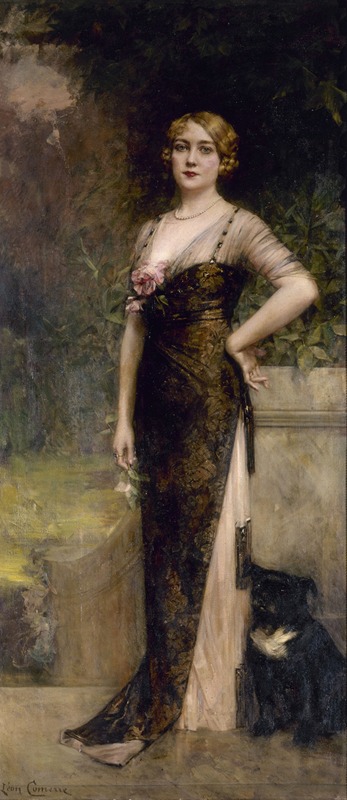
Portrait de Madame Jean Maillard-Norbert
Léon François Comerre
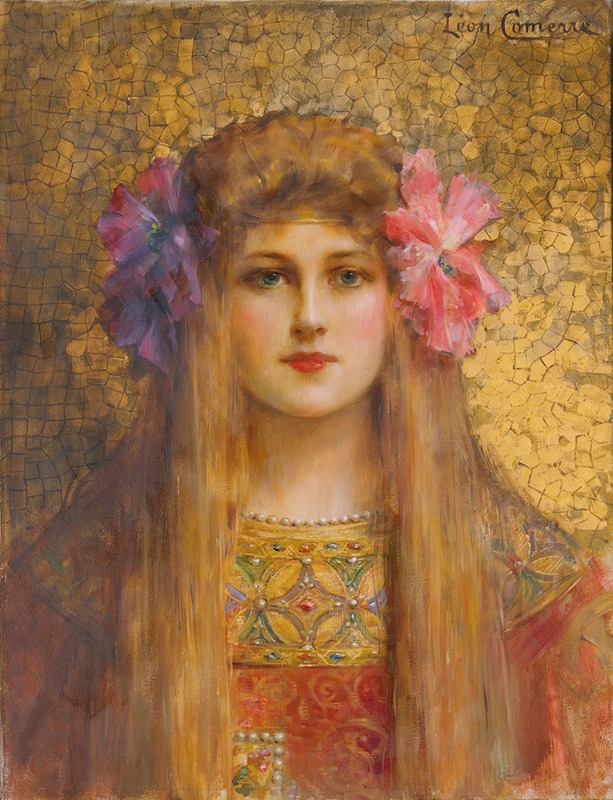
Portrait de Femme au turban fleuri
Léon François Comerre
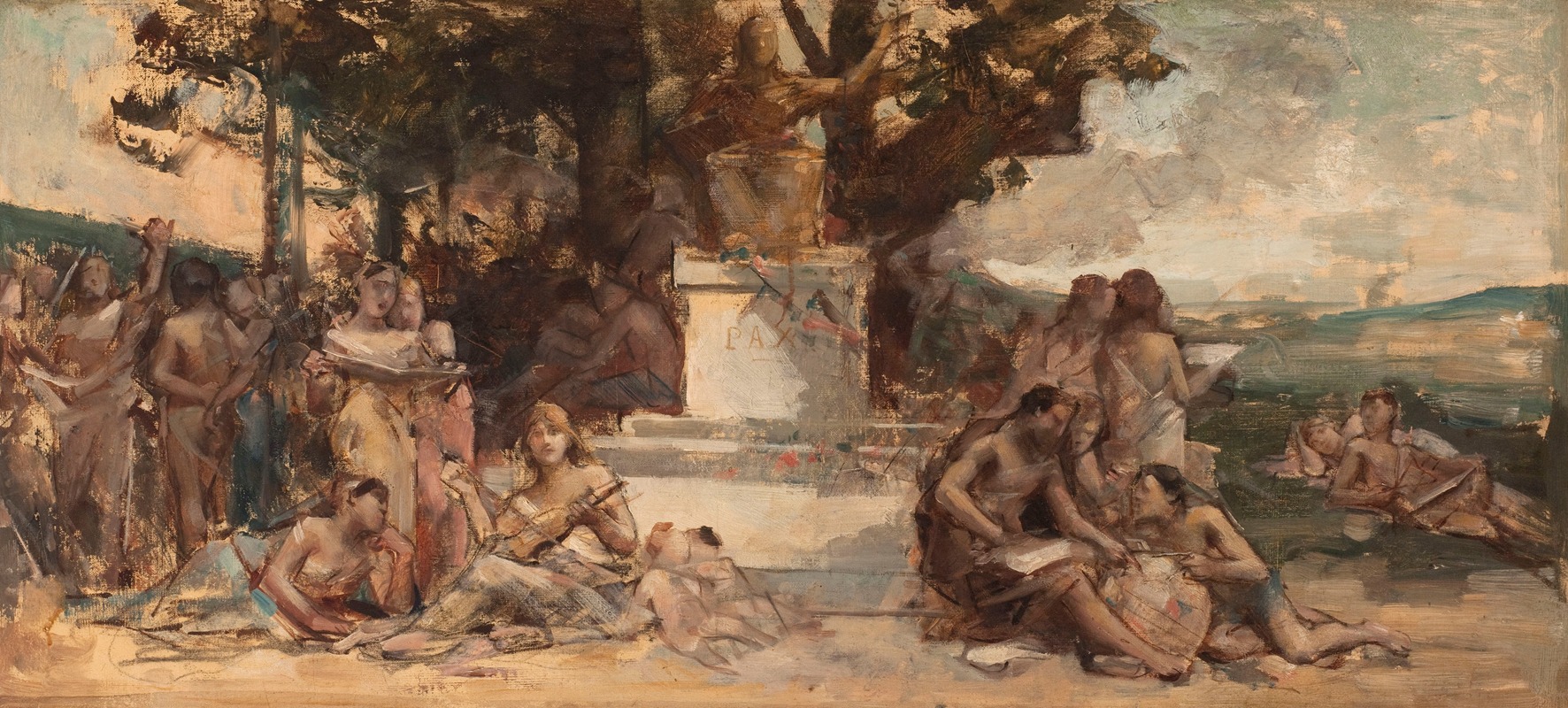
L’étude des sciences et des arts
Léon François Comerre
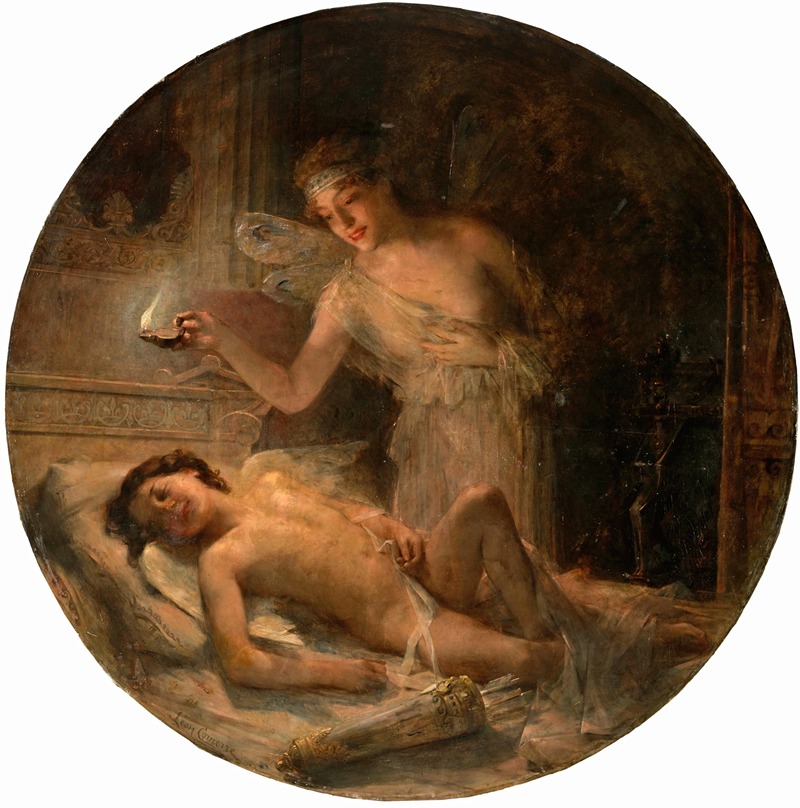
Psyche discovers Cupid
Léon François Comerre
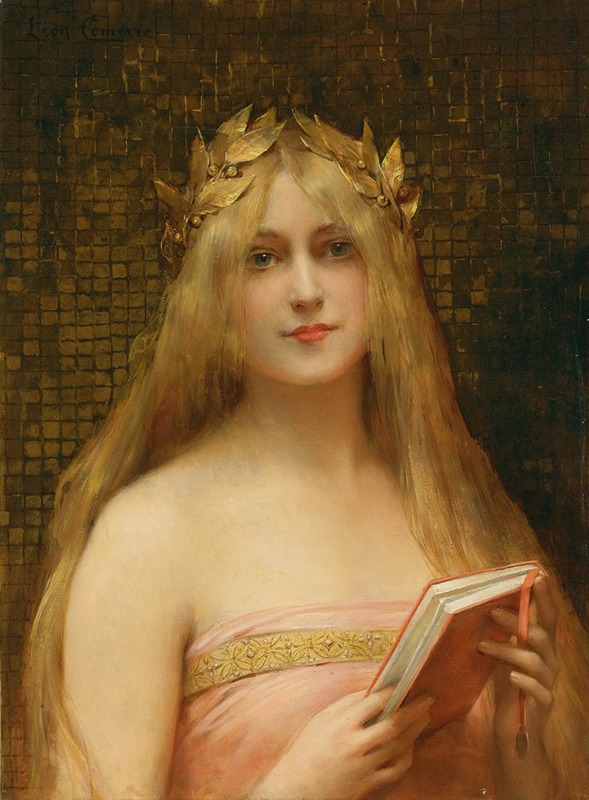
A Classical Beauty
Léon François Comerre
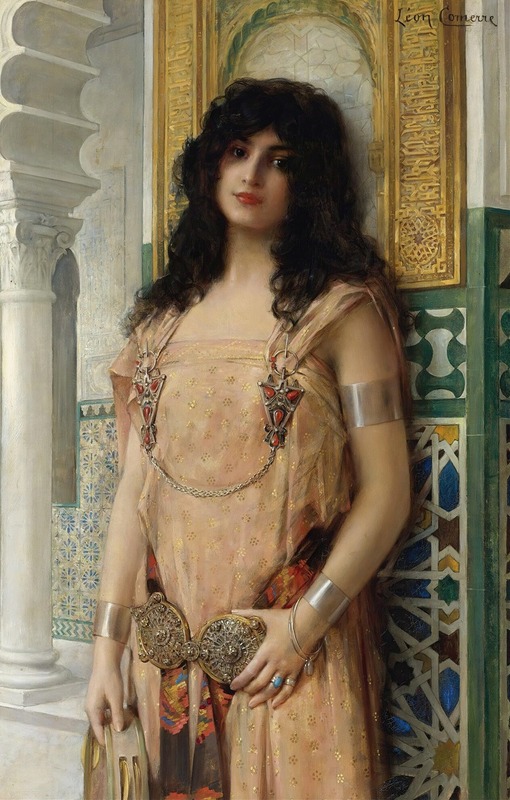
An Eastern Beauty
Léon François Comerre
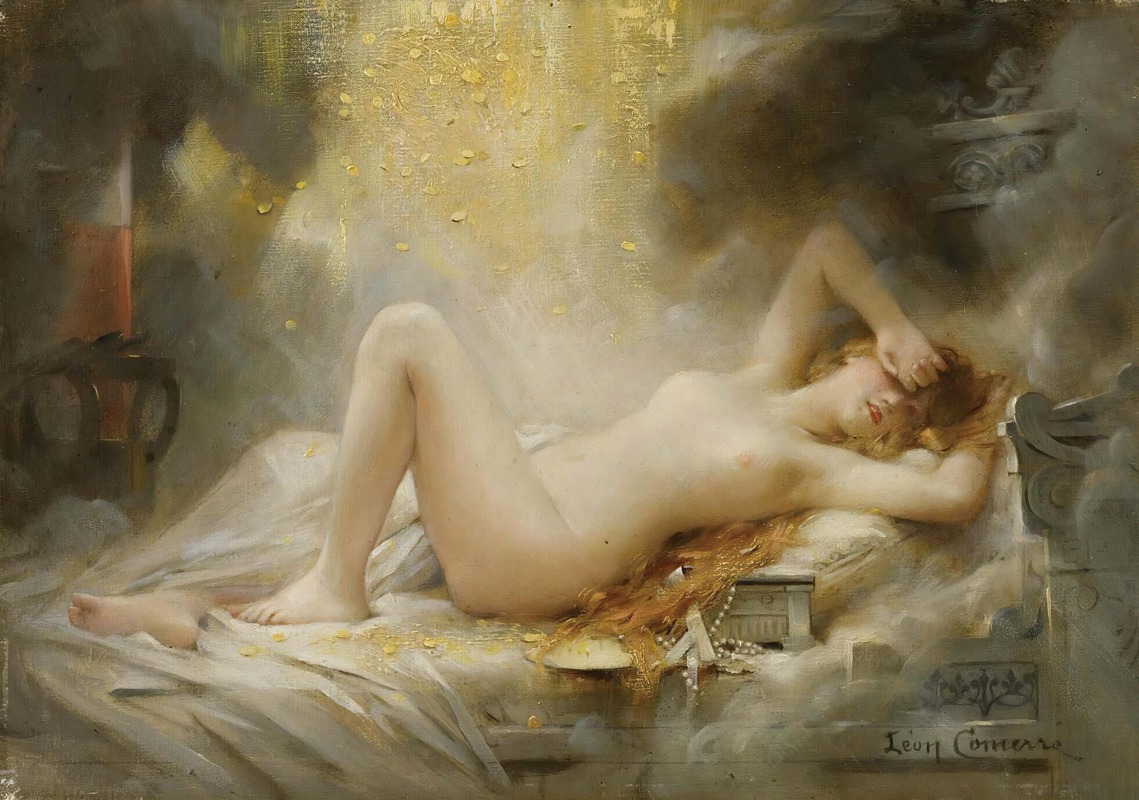
Danae
Léon François Comerre
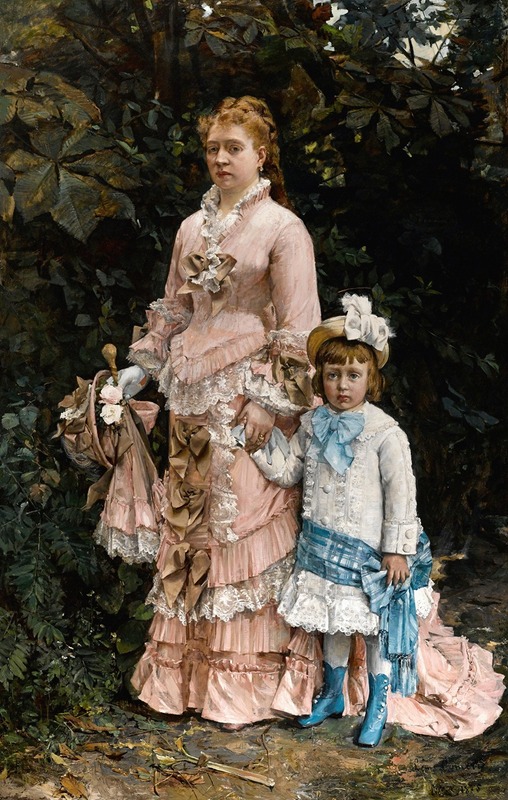
La promenade du dimanche
Léon François Comerre
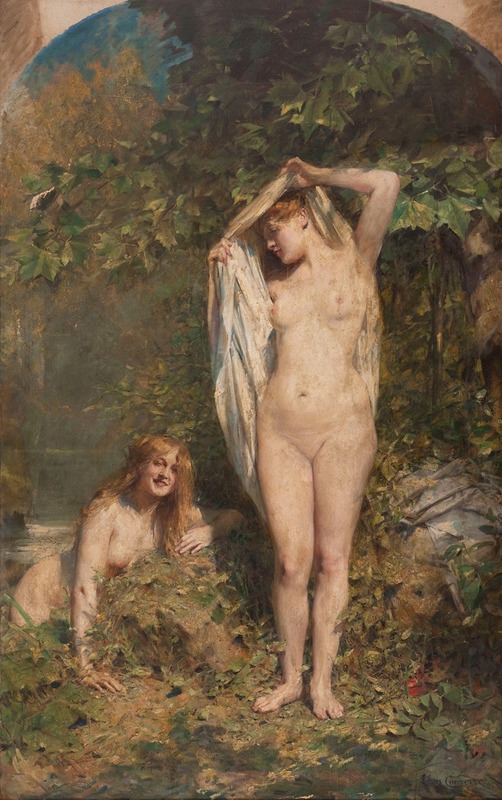
Au soleil
Léon François Comerre
More Allegory Art
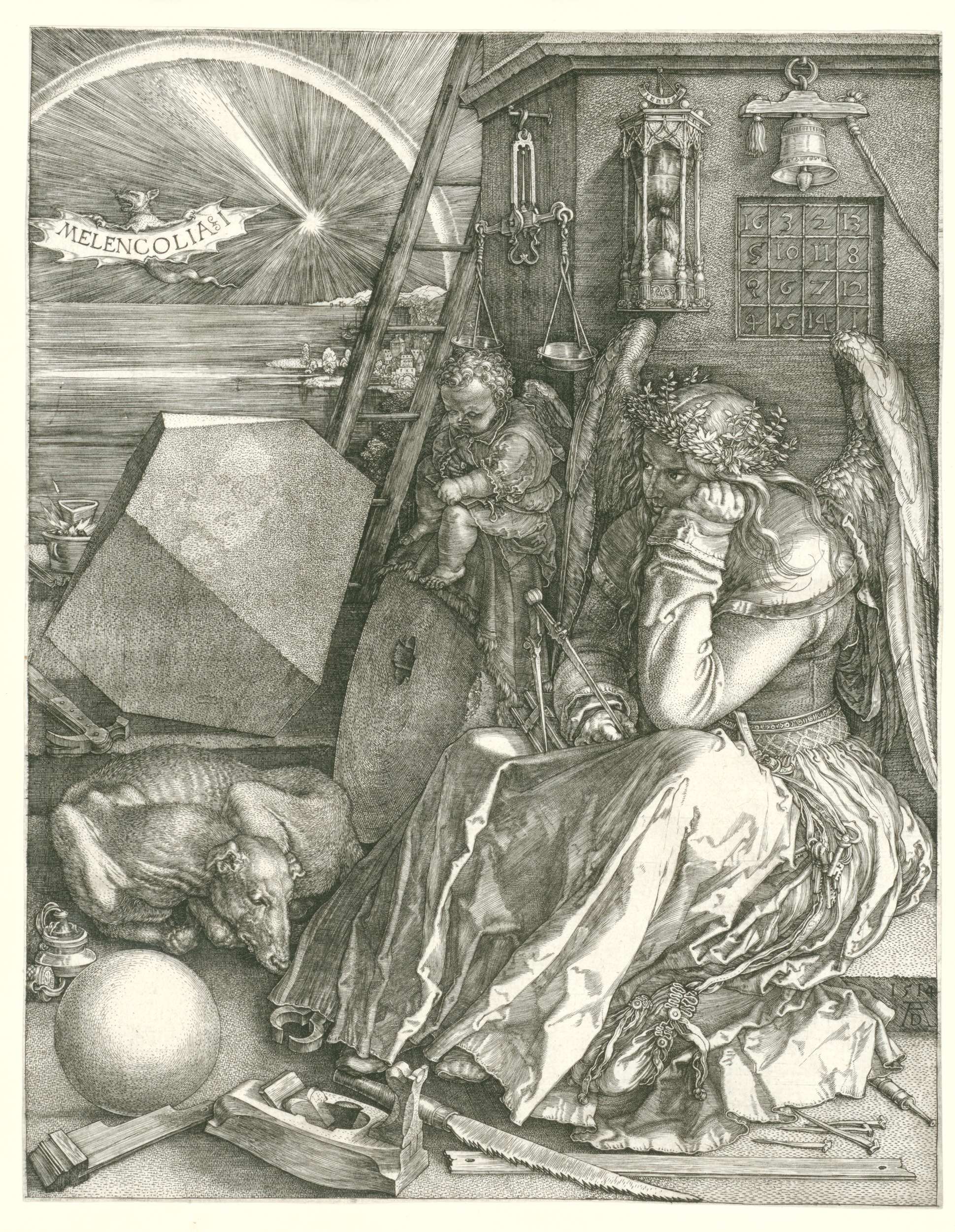
Melancholia
Albrecht Dürer
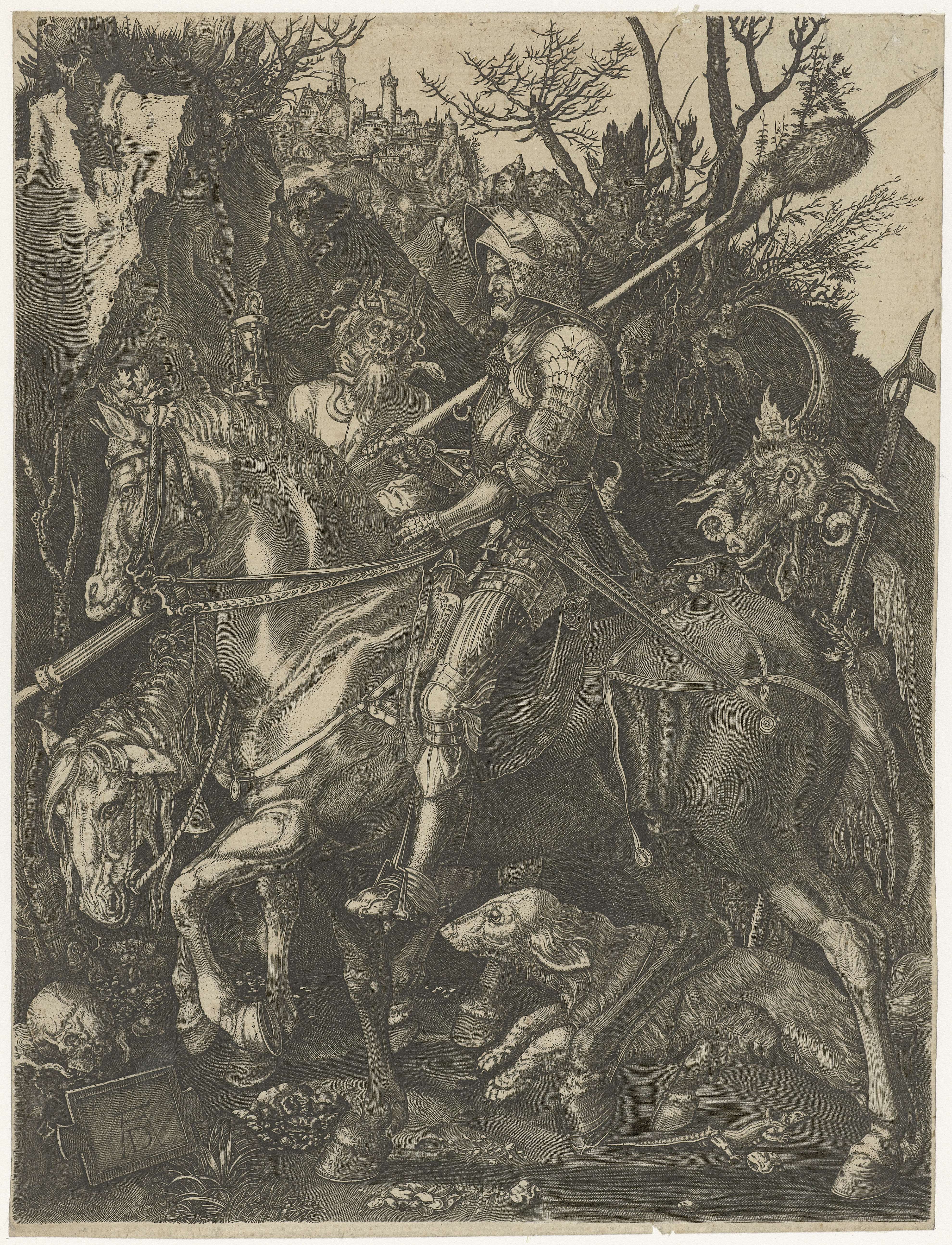
Ridder, Dood en Duivel
Unknown Artist
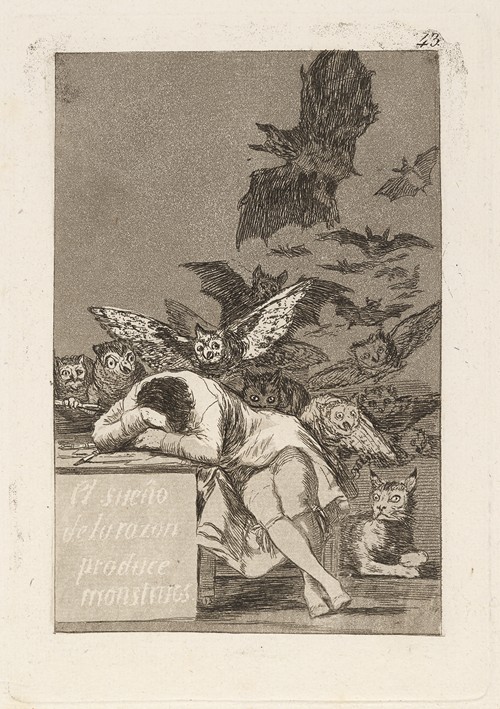
El sueño de la razon produce monstruos. (The sleep of reason produces monsters.)
Francisco de Goya
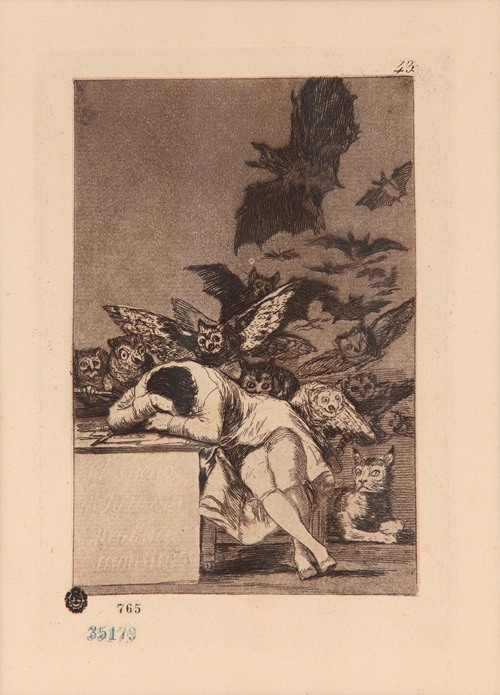
El sueño de la razon produce moustruos (Serie Caprichos)
Francisco de Goya
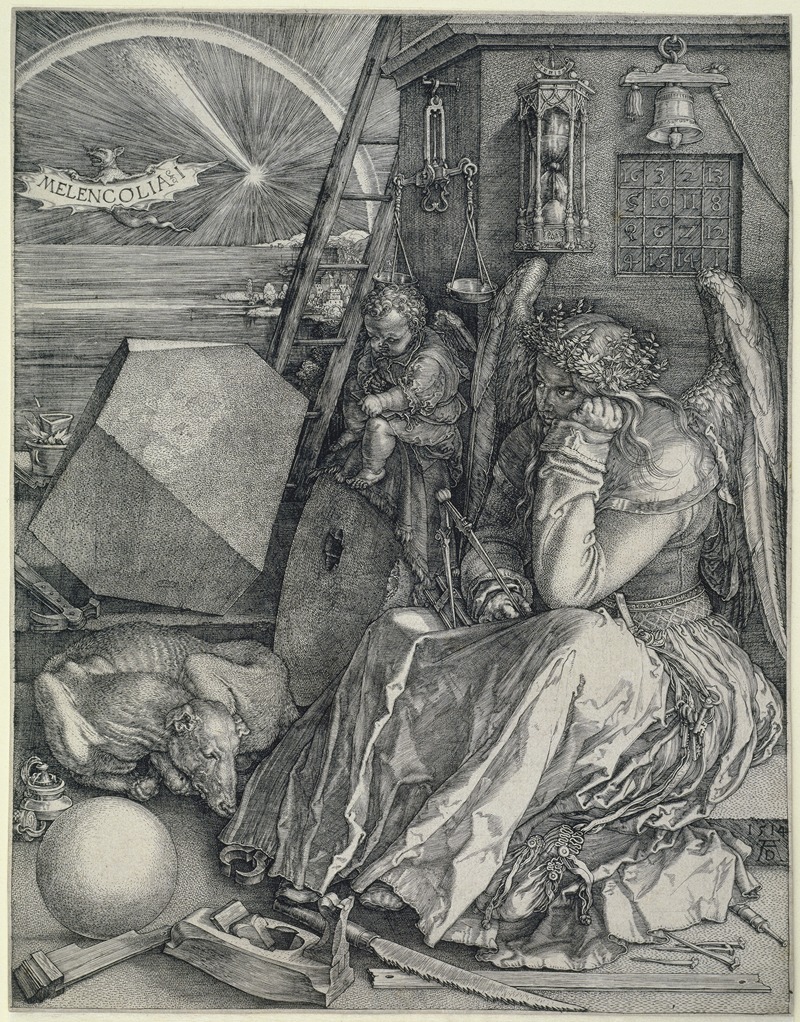
Melencolia I (The Melancholy)
Albrecht Dürer
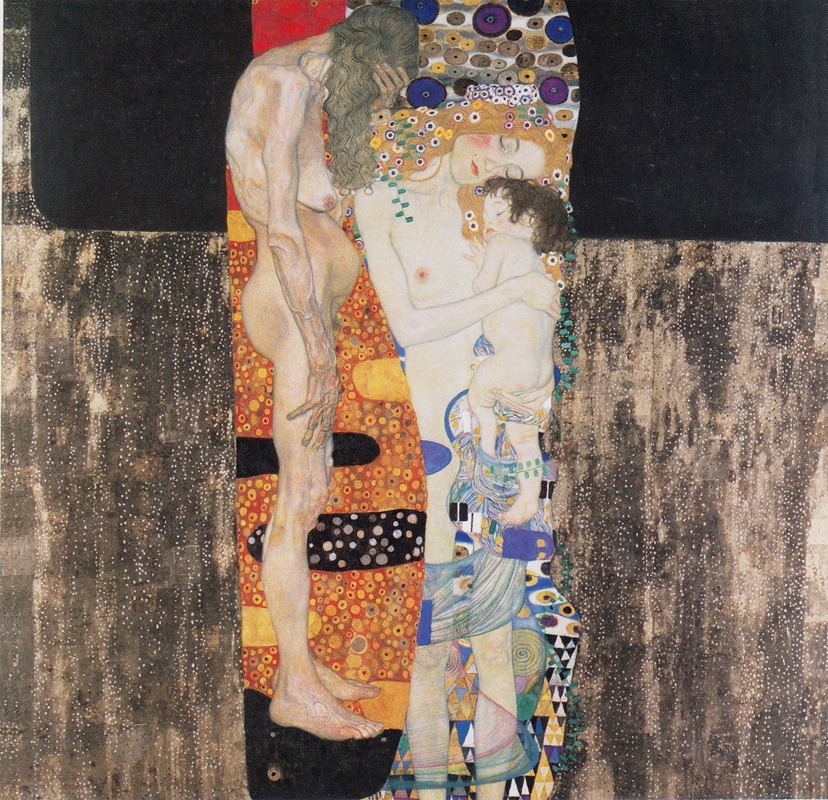
The Three Ages of the Woman
Gustav Klimt