
Le Grand Noyer À Eragny, Automne — History & Facts
Did the painter know this moment would outlive them? In each brushstroke lies a revelation of time’s passage, a testament to nature's quiet endurance against the relentless tides of change. Look to the center of the canvas, where the grand oak stands majestically, its gnarled branches stretching toward the autumn sky. The sunlight filters through the leaves, casting a warm glow upon the earthy tones that dominate the landscape. Notice how the palette of ochres and russets vibrates against the cool blues, creating a dynamic contrast that breathes life into the scene.
The gentle strokes evoke a sense of movement, as if the wind whispers secrets through the foliage, inviting the viewer into this serene moment. Beneath the surface, the painting unfolds layers of meaning. The resilient oak symbolizes stability and permanence amidst the fleeting nature of the season. The scattered leaves, dappled in sunlight, embody both decay and renewal, hinting at the cyclical rhythm of life.
This juxtaposition of stillness and change speaks to the artist’s intimate relationship with the landscape, a reminder of the beauty found in transience and the inevitability of time. In 1890, Camille Pissarro painted this work in Éragny, a small village in France, during a period of intense experimentation within the Impressionist movement. Surrounded by fellow artists and a growing appreciation for en plein air work, Pissarro sought to capture the essence of the rural landscape, reflecting both his personal evolution and the socio-political changes of the era. This painting stands not just as a work of art but as a document of a fleeting moment in time, thoughtfully preserved.
More Artworks by Camille Pissarro
Browse all →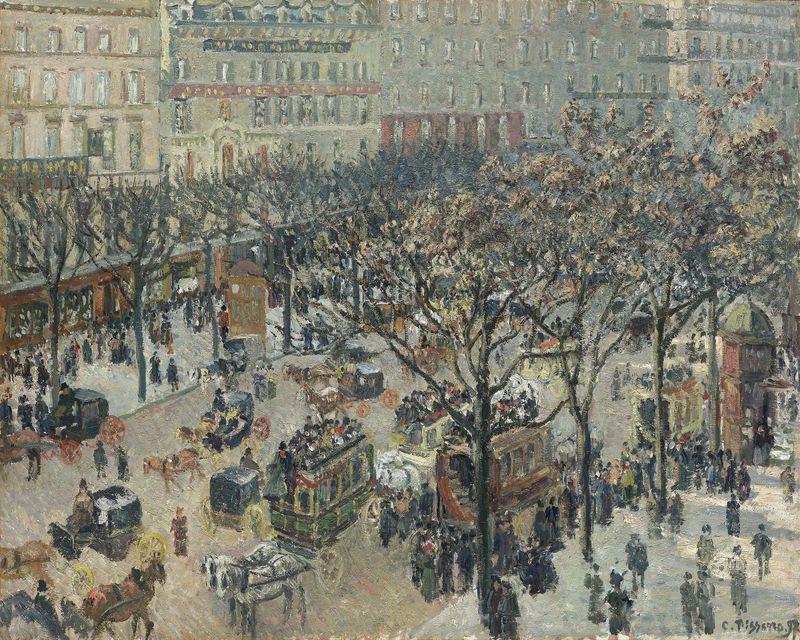
Boulevard des Italiens,Morning_Sunlight
Camille Pissarro
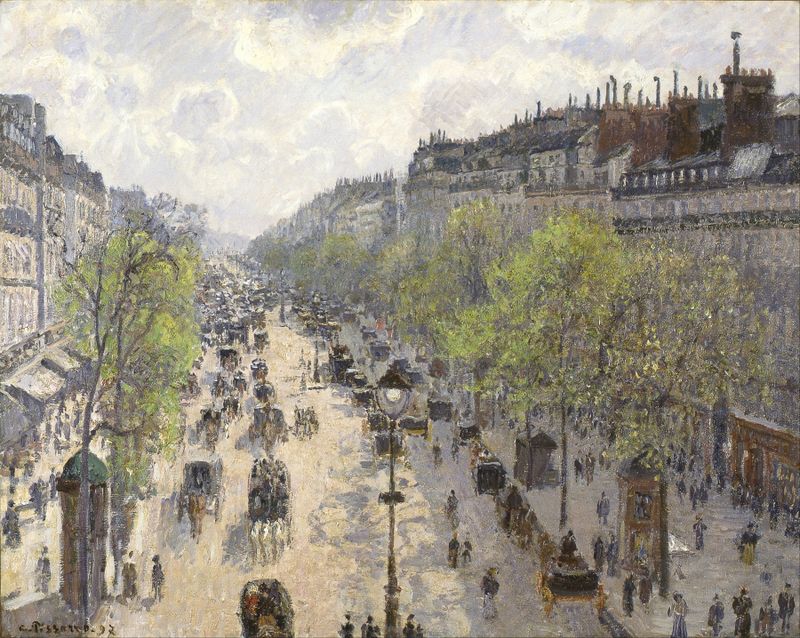
Boulevard Montmartre, Spring
Camille Pissarro
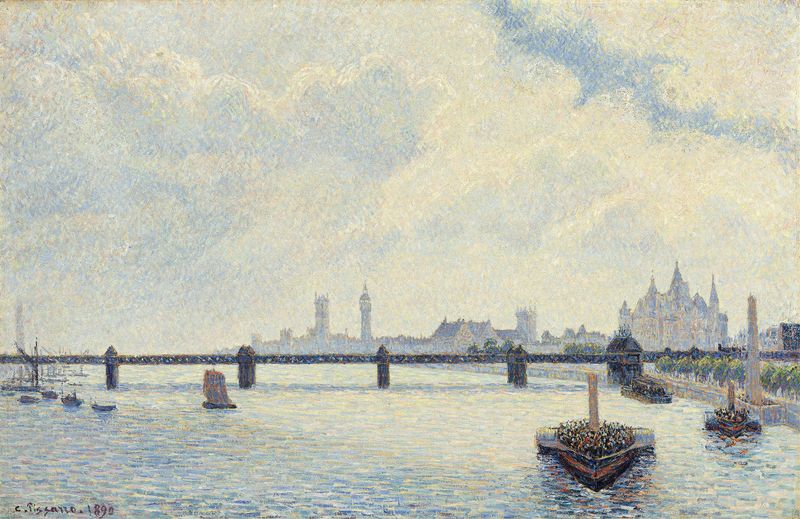
Charing Cross Bridge,London
Camille Pissarro
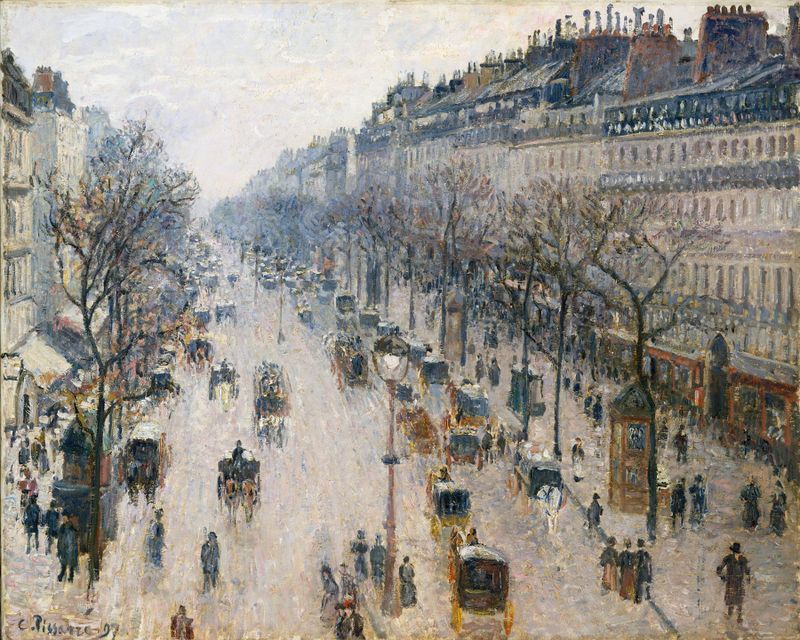
The Boulevard Montmartre on a Winter Morning
Camille Pissarro
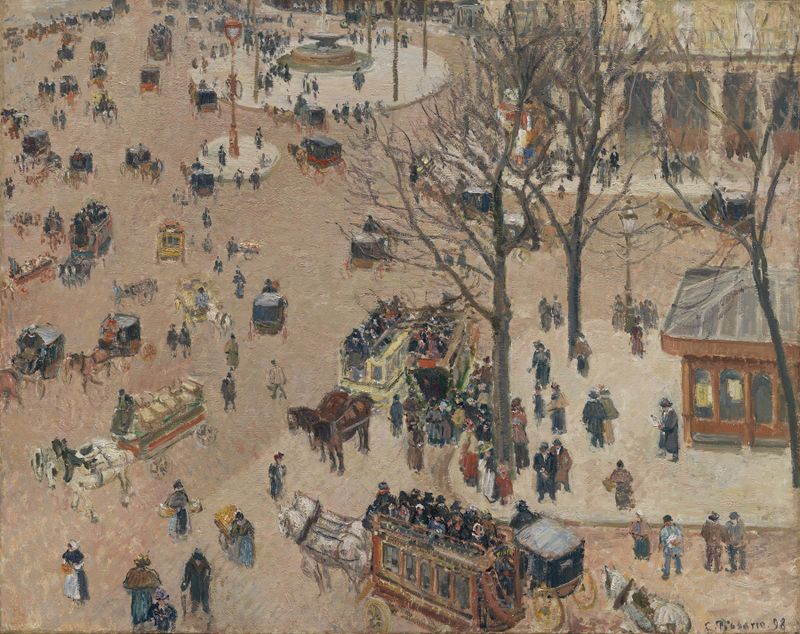
La Place du Théâtre Français
Camille Pissarro

Rue Saint-Lazare, Paris
Camille Pissarro
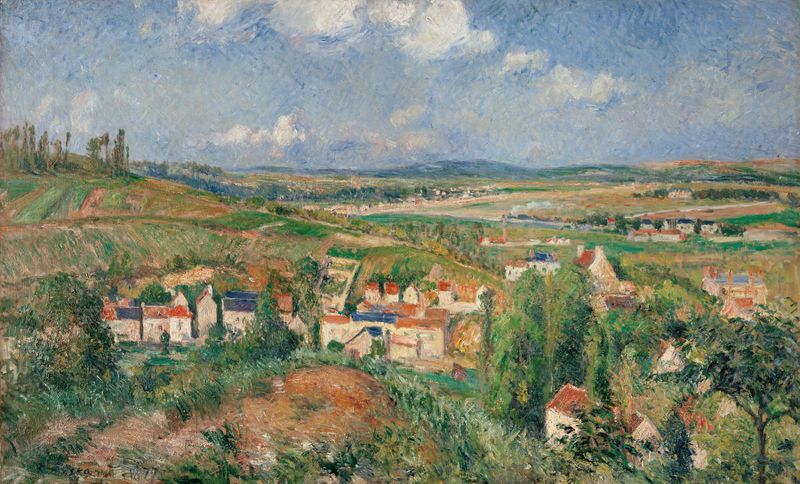
L’hermitage En Été, Pontoise
Camille Pissarro

Place du Theatre Francais,Fog Effect
Camille Pissarro
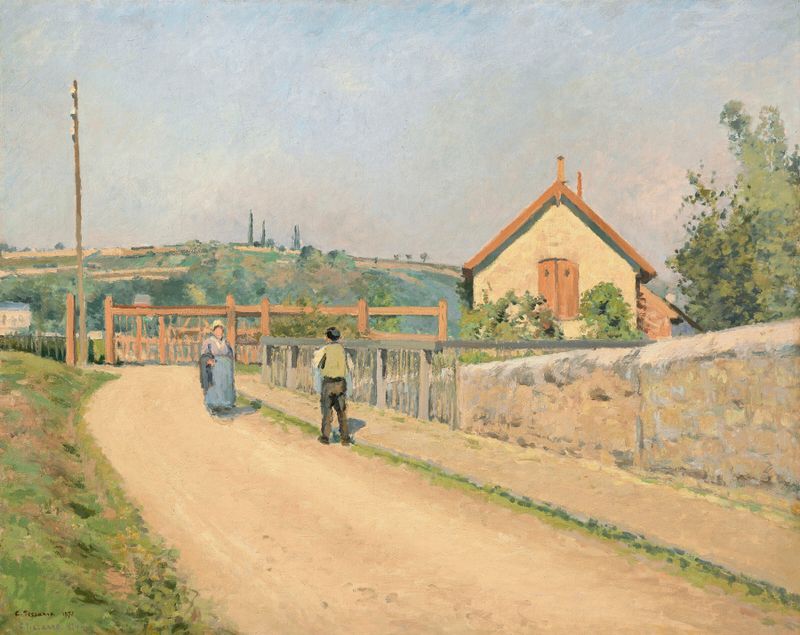
La barrière du chemin de fer, aux Pâtis près Pontoise
Camille Pissarro
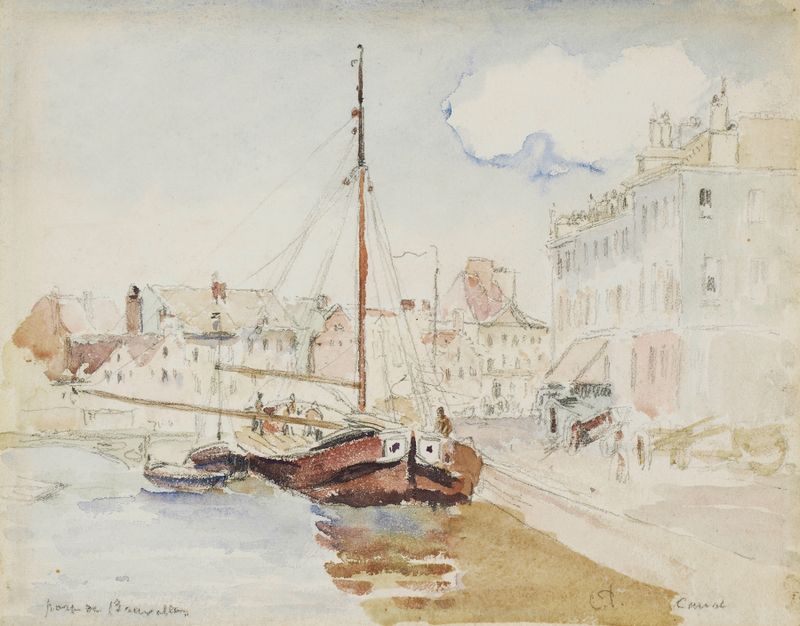
Port de Bruxelles
Camille Pissarro





