
Le Jardin Des Tuileries Et Le Pavillon De Flore, Matin, Printemps — History & Facts
Is this a mirror — or a memory? In Le Jardin Des Tuileries Et Le Pavillon De Flore, Matin, Printemps, the essence of spring vibrates with life and color, prompting viewers to question the nature of their own recollections and experiences. Look to the left at the lush, verdant trees that stand like guardians, their leaves a tapestry of greens that dance under the soft caress of sunlight. Notice how Pissarro employs dappled brushstrokes to create a shimmering effect, imbuing the scene with a sense of movement and vitality. The delicate reflections in the pond capture the sky's hues—a palette of cerulean and gold that suggests early morning light.
Each stroke meticulously draws the eye around the composition, inviting exploration of the harmonious balance between nature and architecture. The painting conveys a duality that mirrors tranquility and activity—a stillness broken only by the presence of strolling figures, each seemingly lost in their thoughts. The juxtaposition of the serene garden against the architectural solidity of the Pavillon de Flore emphasizes the tension in the experience of urban life; nature persists, thriving amidst human constructs. The lively brushwork contributes to a pulsating rhythm, evoking a spring morning ripe with revelation about the interconnectedness of the natural world and human existence. In 1900, Pissarro was settled in Éragny, France, part of a vibrant artistic community that embraced Impressionism.
This period saw him reflecting not only on the marvels of his immediate surroundings but also on the rapid changes transforming society. The advent of modernity and the burgeoning urban landscape influenced his work, compelling him to capture the fleeting beauty of nature—a poignant reminder of life’s ephemeral moments.
More Artworks by Camille Pissarro
Browse all →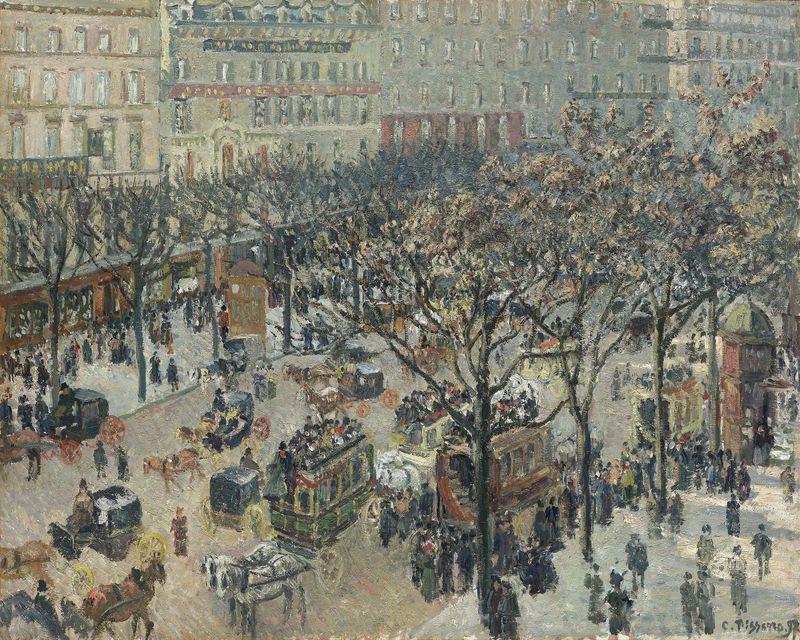
Boulevard des Italiens,Morning_Sunlight
Camille Pissarro
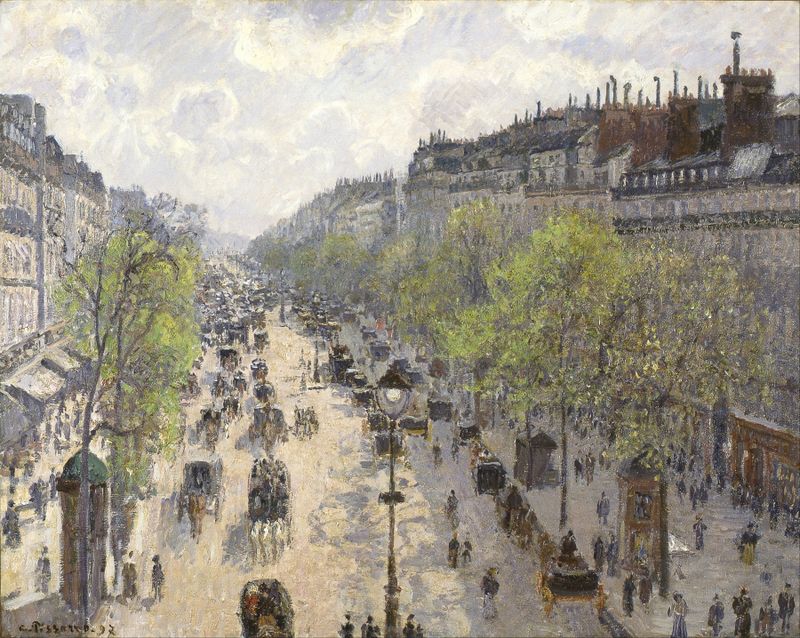
Boulevard Montmartre, Spring
Camille Pissarro
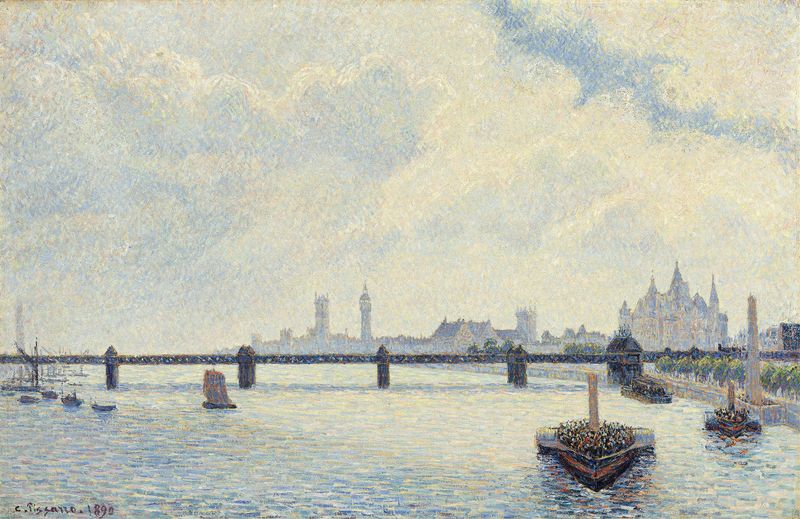
Charing Cross Bridge,London
Camille Pissarro
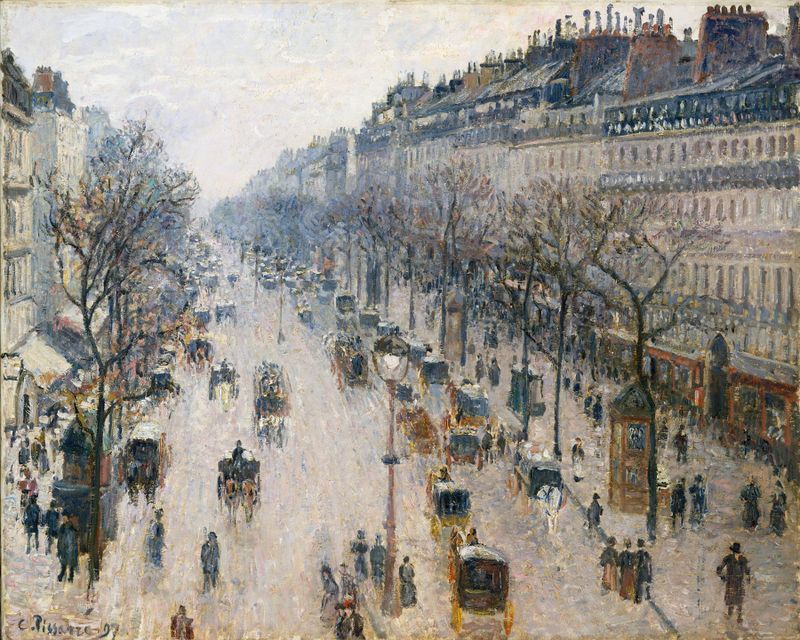
The Boulevard Montmartre on a Winter Morning
Camille Pissarro
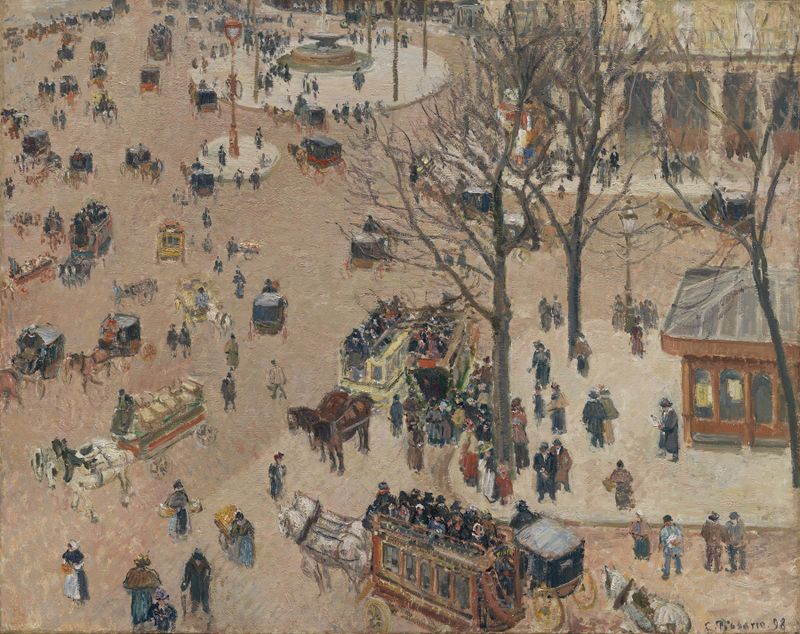
La Place du Théâtre Français
Camille Pissarro

Rue Saint-Lazare, Paris
Camille Pissarro
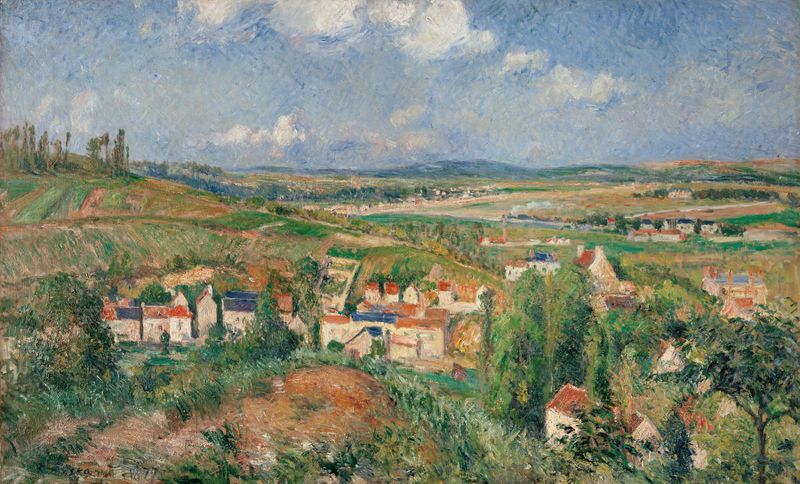
L’hermitage En Été, Pontoise
Camille Pissarro

Place du Theatre Francais,Fog Effect
Camille Pissarro
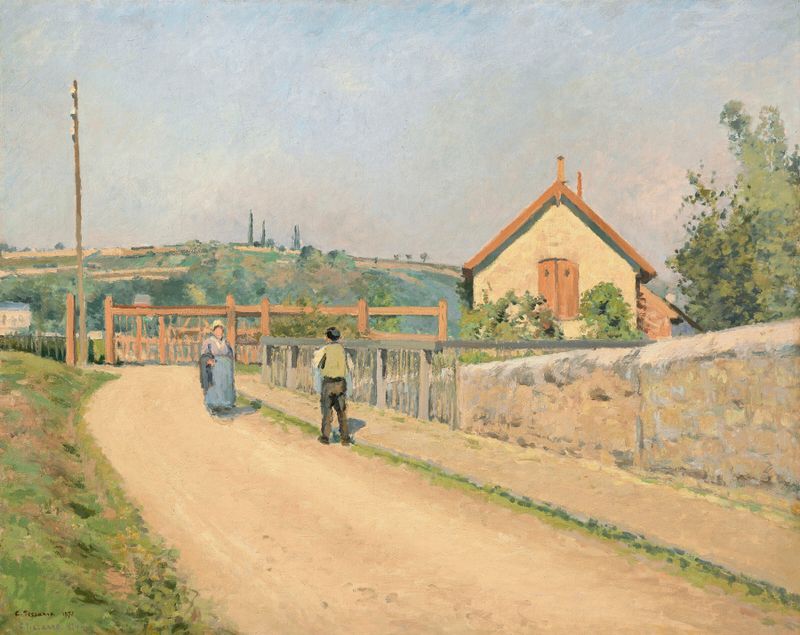
La barrière du chemin de fer, aux Pâtis près Pontoise
Camille Pissarro
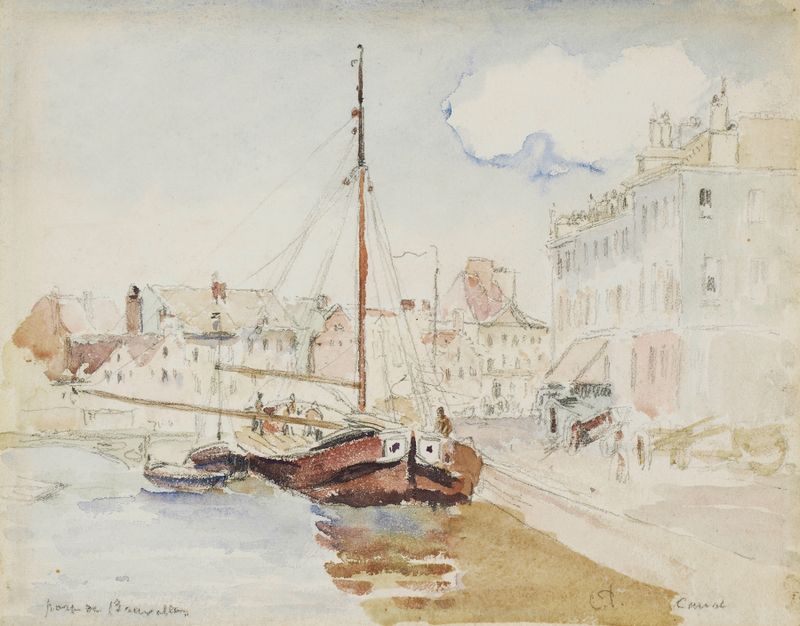
Port de Bruxelles
Camille Pissarro





