
Le Manège de nuit et fête foraine — History & Facts
What if silence could speak through light? In Le Manège de nuit et fête foraine, a vibrant carnival scene breathes with an enchanting vibrancy, capturing the ephemeral magic of fleeting moments of joy and transformation. Look to the center, where the carousel spins, its horses frozen in an elegant dance, caught in the glow of soft, ethereal light. Notice how the artist employs rich blues and warm yellows, creating a contrast that pulls the viewer into the revelry. The delicate brushwork conveys movement, with the lights twinkling like stars against the night sky, while shadows play on the faces of children, their expressions a mixture of awe and excitement. Beneath the surface, the painting suggests deeper layers of nostalgia and transience.
The carousel, a symbol of cyclical experiences, reflects the fleeting nature of happiness, a reminder that joy often exists in brief, dazzling moments. The quiet solitude of the dark background contrasts with the vibrance of the fair, evoking a sense of longing; it speaks to the transformative power of these shared experiences, as well as the inevitable return to stillness once the festivities fade. Ferdinand du Puigaudeau painted this work in 1890 in the coastal town of Concarneau, France. This period was significant for the artist as he was influenced by the Symbolist movement, exploring themes of light and color to capture emotional depth.
The vibrant nightlife of the fairground allows him to experiment with contrasts between shadow and brilliance, marking a pivotal moment in his artistic evolution.
More Artworks by Ferdinand du Puigaudeau
Browse all →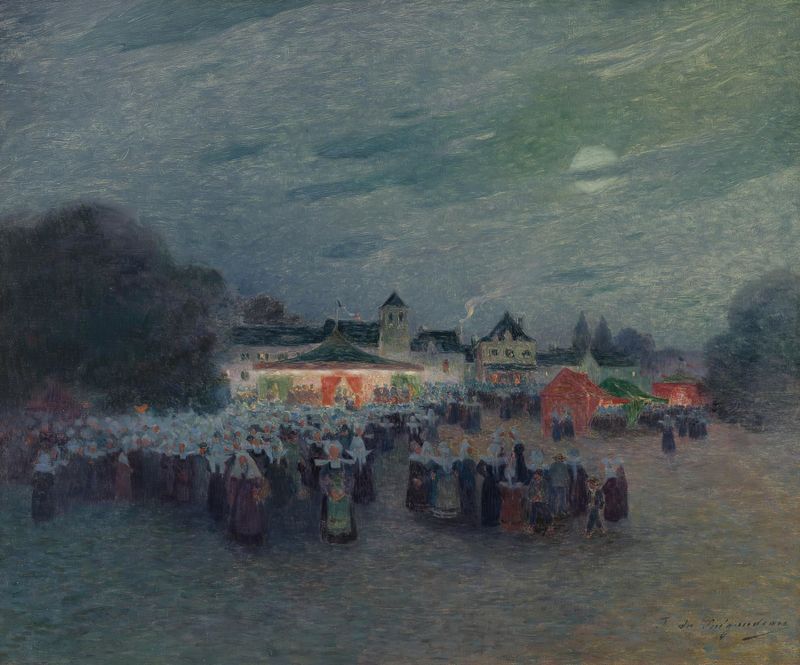
Manège Au Clair De Lune
Ferdinand du Puigaudeau
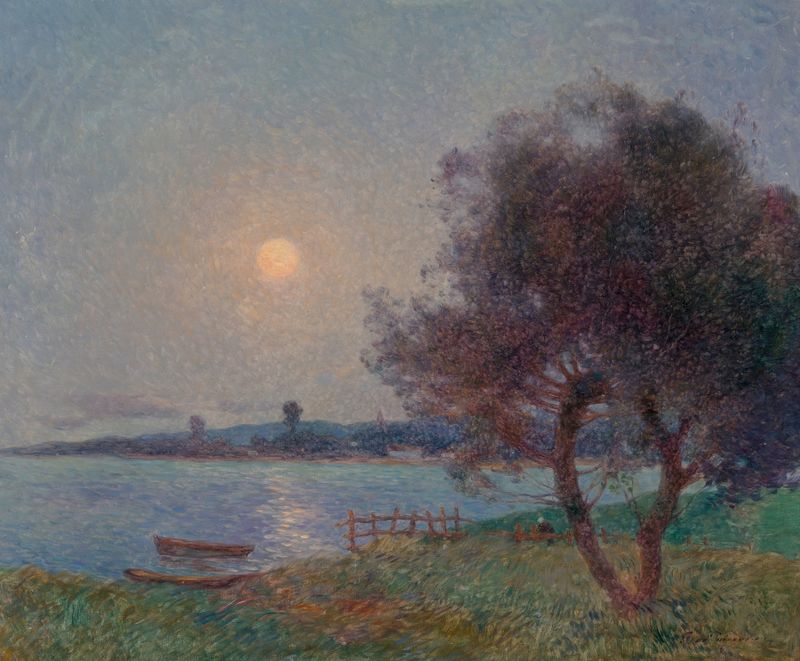
La rivière au clair de lune
Ferdinand du Puigaudeau
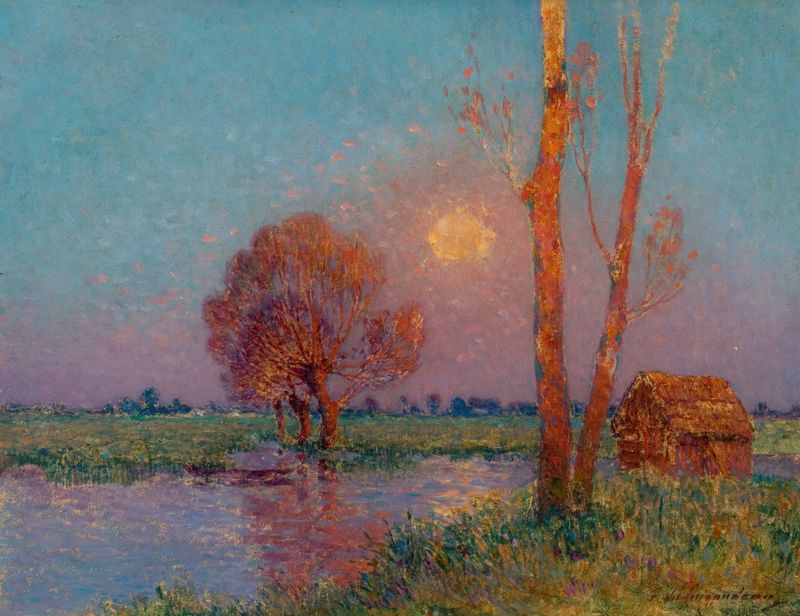
Coucher de Soleil en Brière
Ferdinand du Puigaudeau
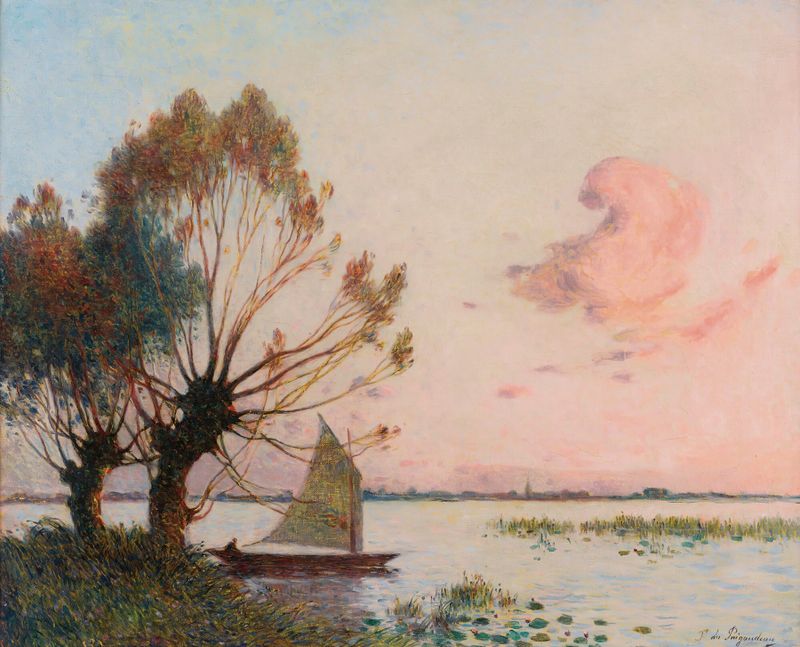
Voilier Sur Le Marais De La Grande Brière
Ferdinand du Puigaudeau
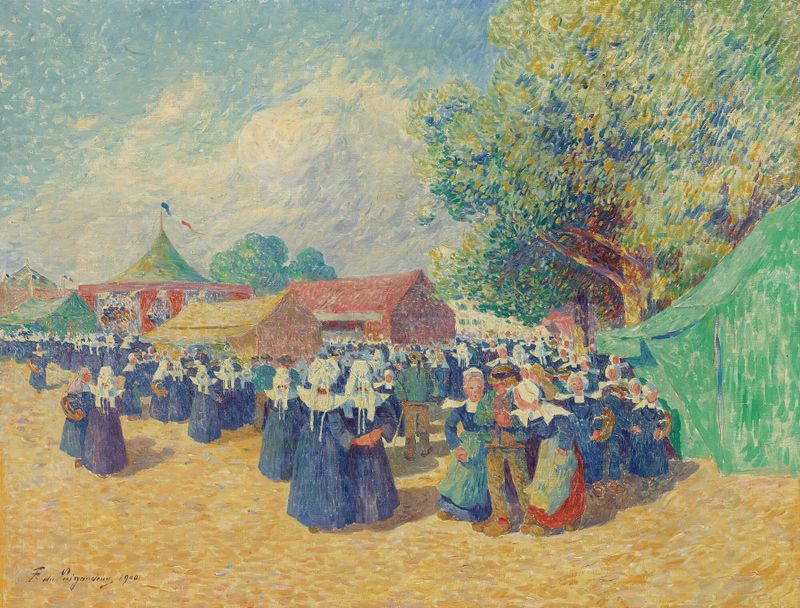
Fête Foraine En Bretagne
Ferdinand du Puigaudeau
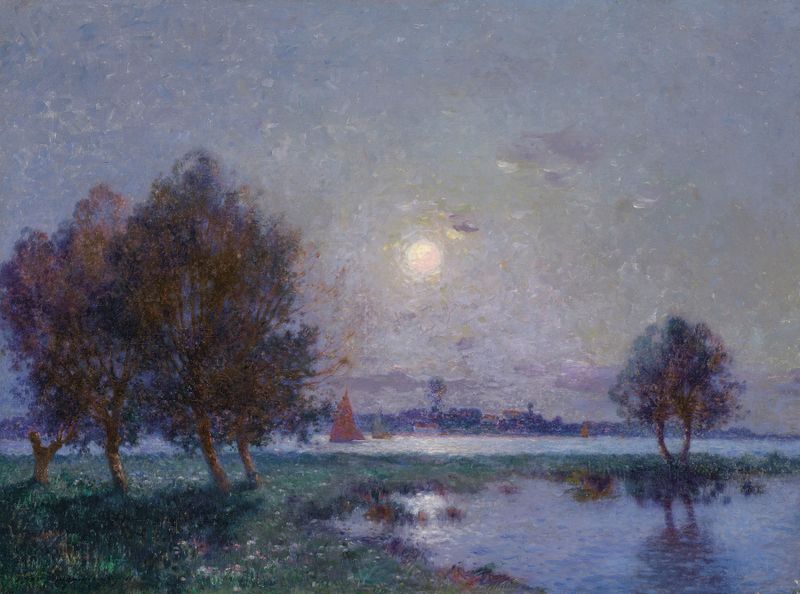
Bord de Loire au clair de lune
Ferdinand du Puigaudeau
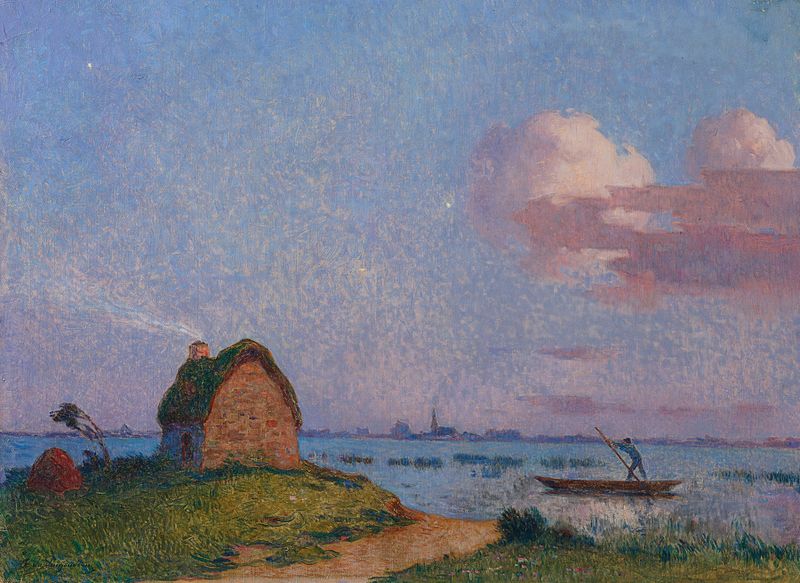
Crépuscule en Brière
Ferdinand du Puigaudeau
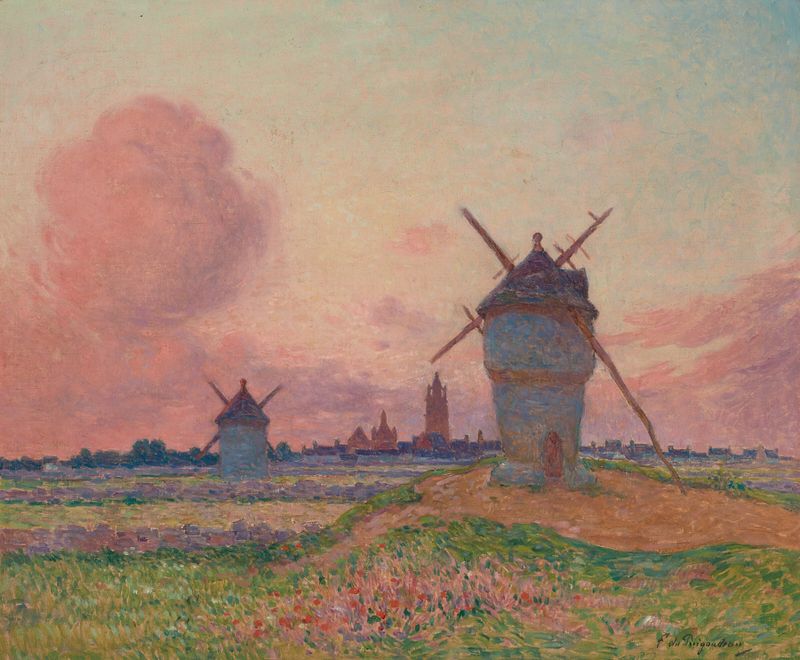
Coucher de soleil à Bourg de Batz, Bretagne
Ferdinand du Puigaudeau
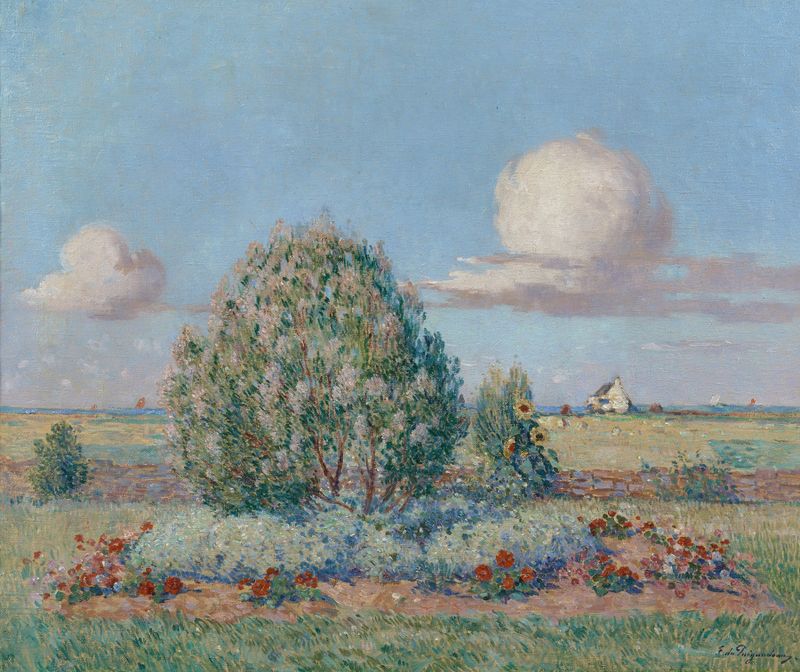
Parterre fleuri
Ferdinand du Puigaudeau
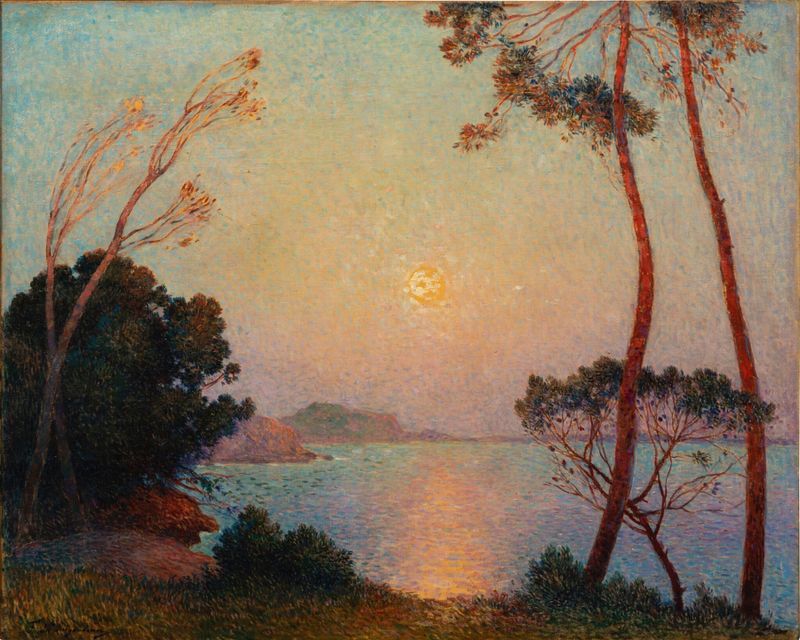
Paysage maritime
Ferdinand du Puigaudeau





