
Manège Au Clair De Lune — History & Facts
Under the soft embrace of moonlight, the subtle dance of shadows and illumination whispers secrets of the night, inviting viewers to explore a world suspended in tranquility. Look to the left where the silvery light bathes the carousel in a gentle glow, accentuating the delicate horses poised in mid-gallop. The brushwork is fluid, with strokes that mimic the movement of the air, while the palette is rich with deep blues and luminous whites, evoking both serenity and nostalgia. Notice how the surrounding trees, rendered in darker tones, frame the scene, creating a contrast that enhances the ethereal quality of the illuminated figures. Within this enchanting atmosphere lies a poignant contrast: the joy of the carousel’s movement set against the stillness of the night.
Each horse, caught in a moment of flight, seems to embody a longing for freedom, while the quiet surroundings evoke a sense of introspection. The light plays a crucial role, not just illuminating the surface, but suggesting a deeper emotional state that resonates with the viewer, a blend of exuberance and melancholy. Ferdinand du Puigaudeau painted this work during a time when he was deeply immersed in the Symbolist movement, likely in the early 20th century. Living in Brittany, France, he sought to capture the mystical essence of life through his art, responding to an era rife with social change and artistic experimentation.
This piece reflects his commitment to exploring light and atmosphere, which became essential themes in his career.
More Artworks by Ferdinand du Puigaudeau
Browse all →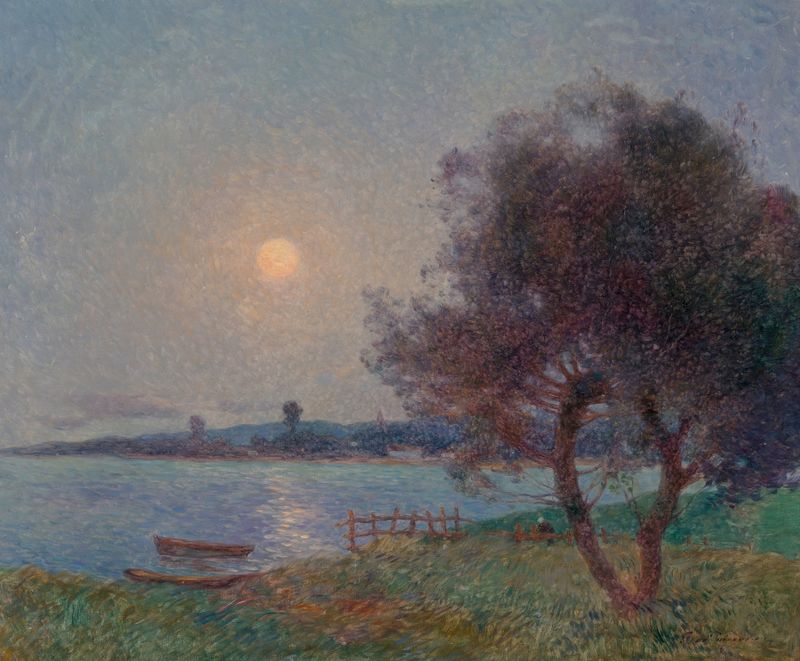
La rivière au clair de lune
Ferdinand du Puigaudeau
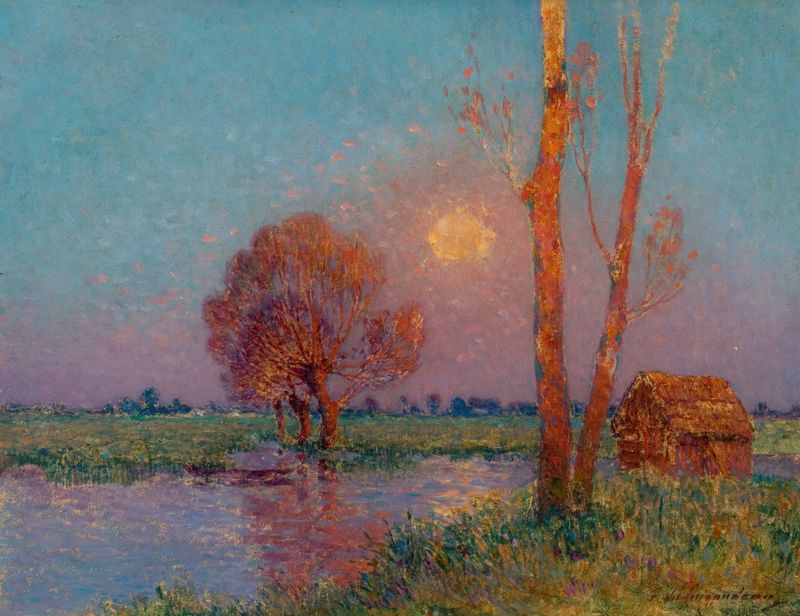
Coucher de Soleil en Brière
Ferdinand du Puigaudeau
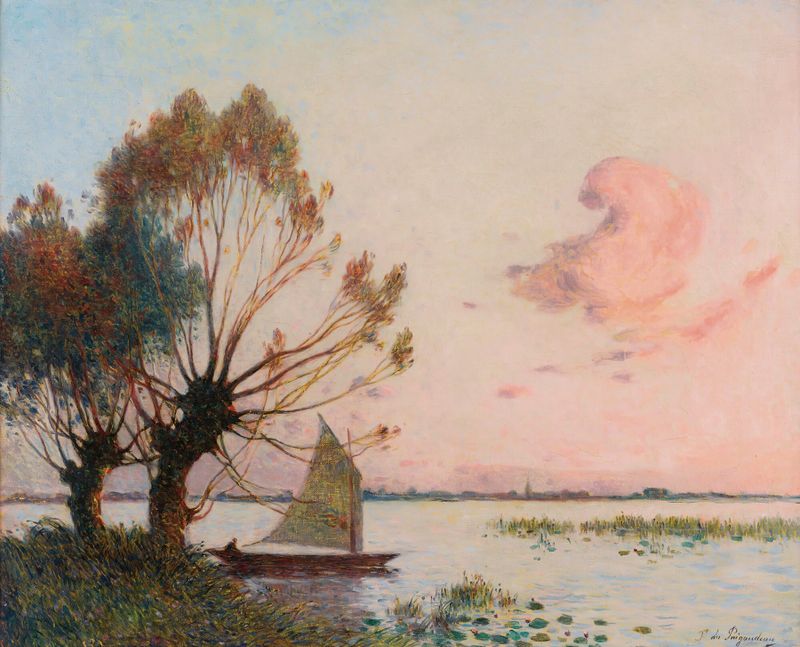
Voilier Sur Le Marais De La Grande Brière
Ferdinand du Puigaudeau
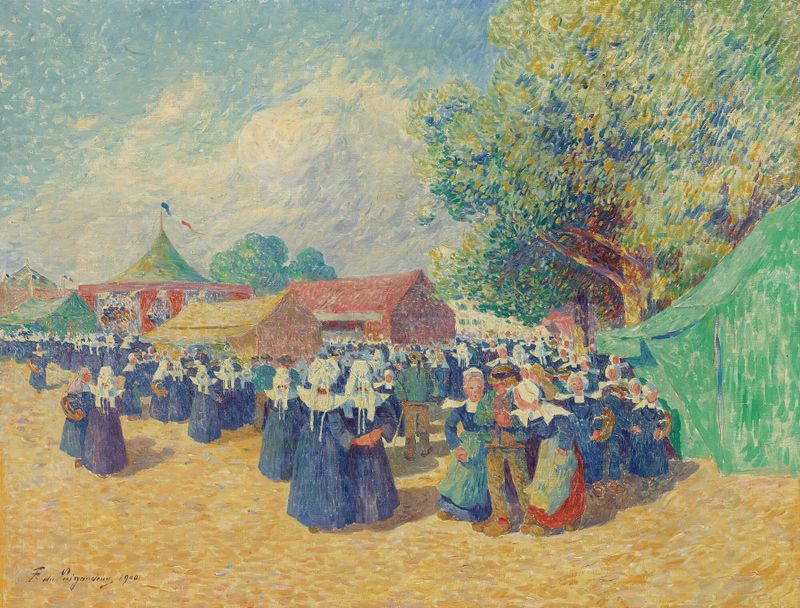
Fête Foraine En Bretagne
Ferdinand du Puigaudeau
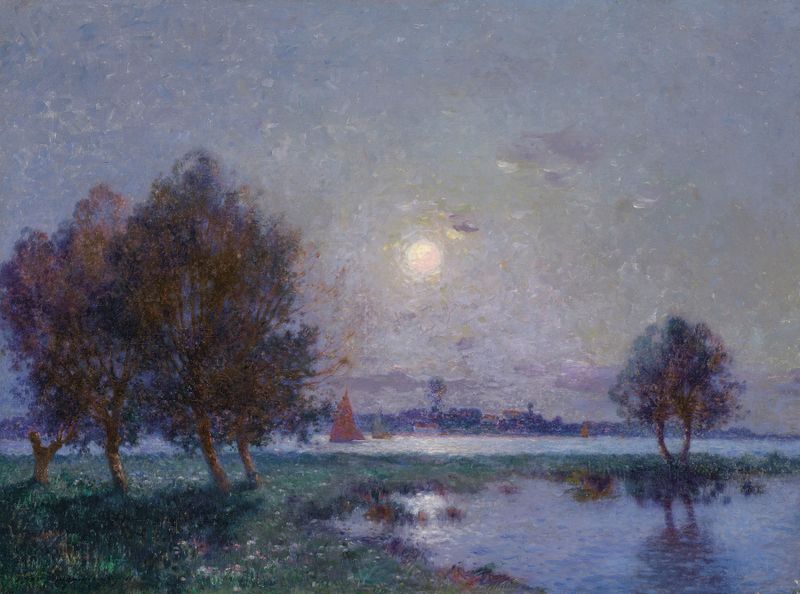
Bord de Loire au clair de lune
Ferdinand du Puigaudeau
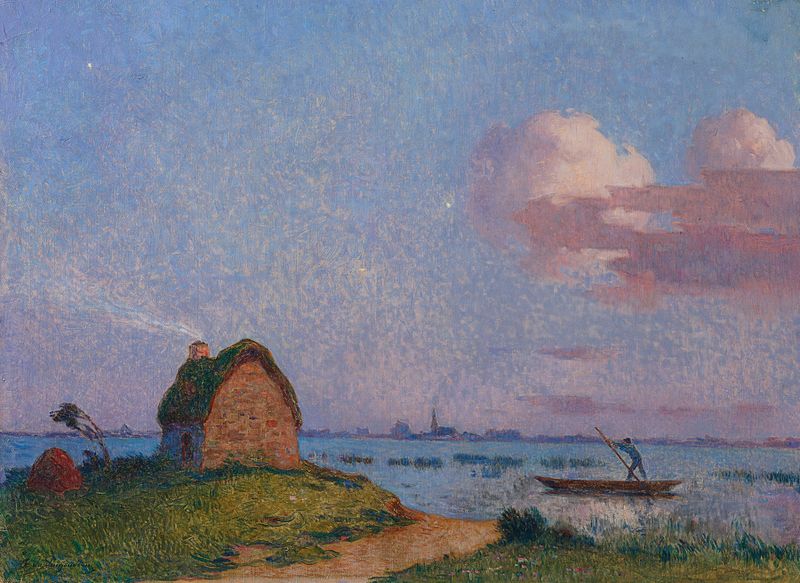
Crépuscule en Brière
Ferdinand du Puigaudeau
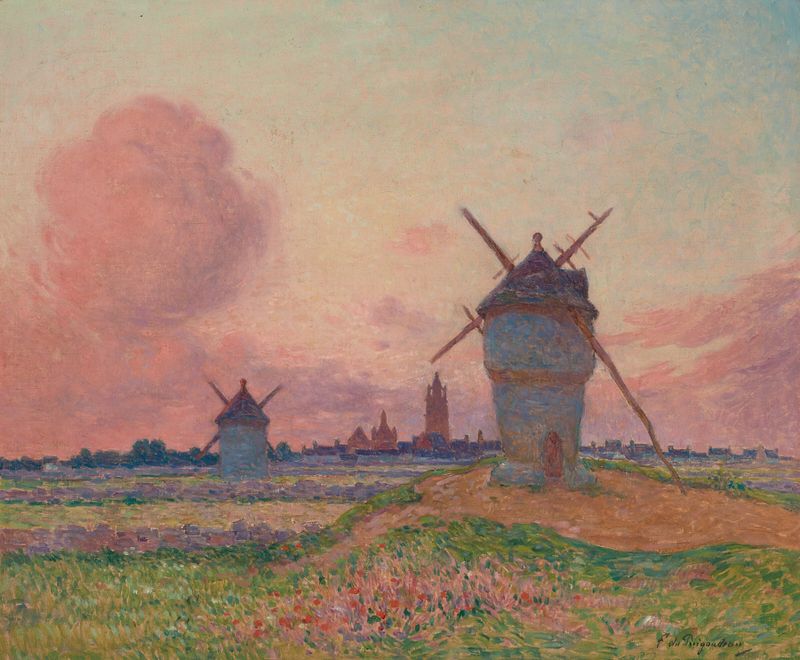
Coucher de soleil à Bourg de Batz, Bretagne
Ferdinand du Puigaudeau
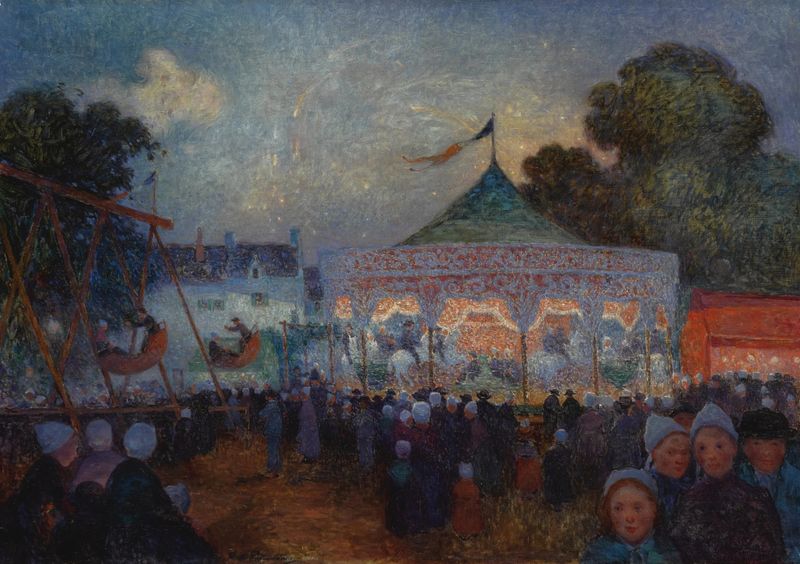
Le Manège de nuit et fête foraine
Ferdinand du Puigaudeau
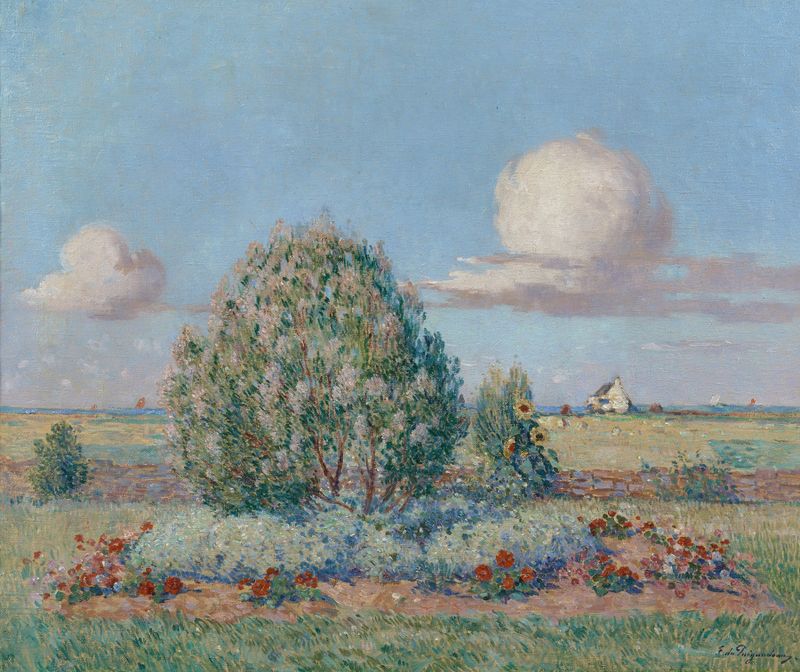
Parterre fleuri
Ferdinand du Puigaudeau
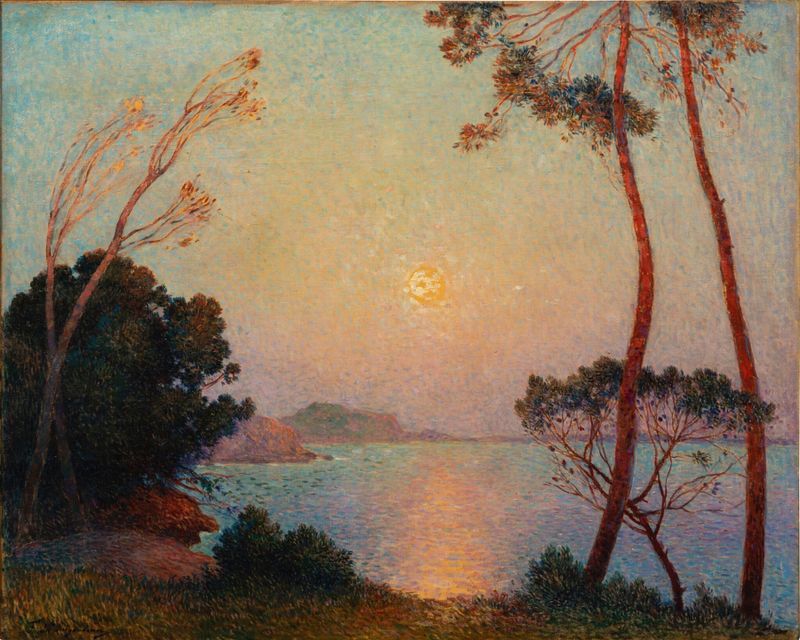
Paysage maritime
Ferdinand du Puigaudeau





