
Le Moulin A Eau — History & Facts
When did color learn to lie? In Le Moulin A Eau, vivid hues weave a tapestry of desire, unraveling the secret passions that lie beneath the surface of serenity. Look to the left at the vibrant greens that cradle the watermill, contrasting sharply with the pale azure of the sky. The artist employs an almost impressionistic technique, dabbing and blending color to evoke movement in the gentle flow of the river. Notice how the sunlight dances on the water, shimmering highlights accentuated by dappled shadows, creating an interplay that invites the viewer to linger and dream. Yet, beneath this idyllic exterior lurks a tension between tranquility and longing.
The quiet scene is alive with an unspoken yearning, as if the mill itself desires to break free from the confines of its tranquil abode. The juxtaposition of the lush, surrounding nature against the structured, man-made mill hints at the dichotomy of human ambition versus the embrace of nature's chaos, forging a complex emotional landscape. Leon Richet painted this work in 1874 amidst the changing tides of the Impressionist movement in France, where artists were beginning to explore the nuances of light and color. It was a period marked by a thirst for individual expression and a departure from traditional forms.
As the world around him evolved, Richet sought to capture not just the physicality of the landscape, but also the intangible emotions that simmer just below its surface.
More Artworks by Leon Richet
Browse all →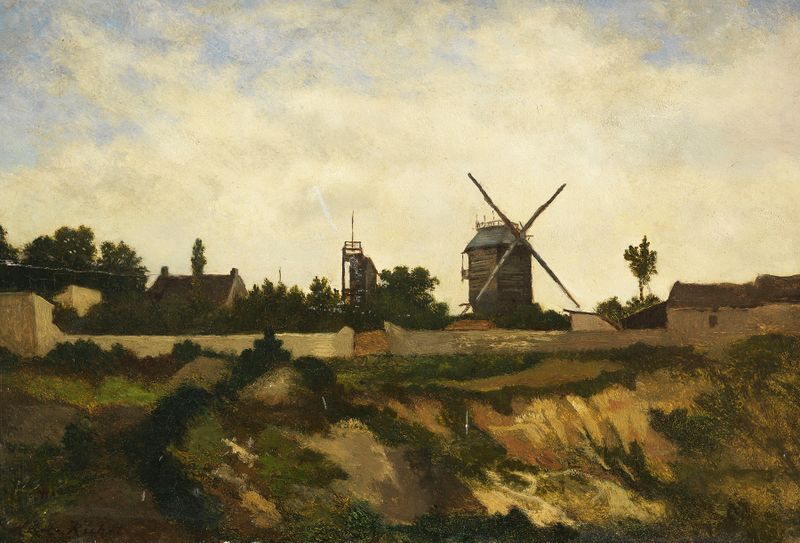
Les Moulins de Montmartre
Leon Richet
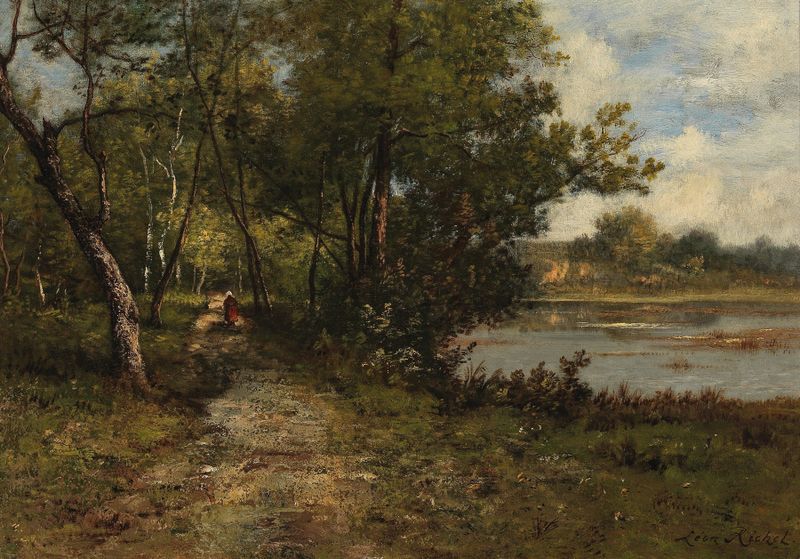
Promenade on the Riverbank
Leon Richet
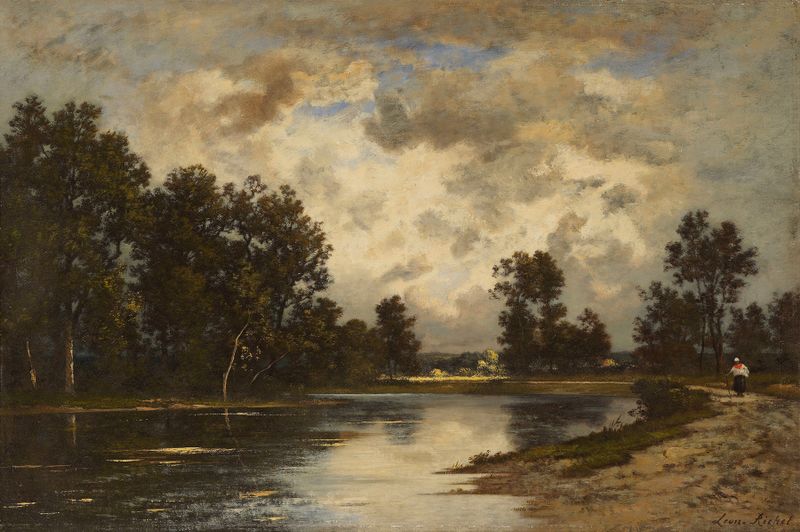
Pond at the edge of the forest
Leon Richet

A farmhouse by the sea
Leon Richet
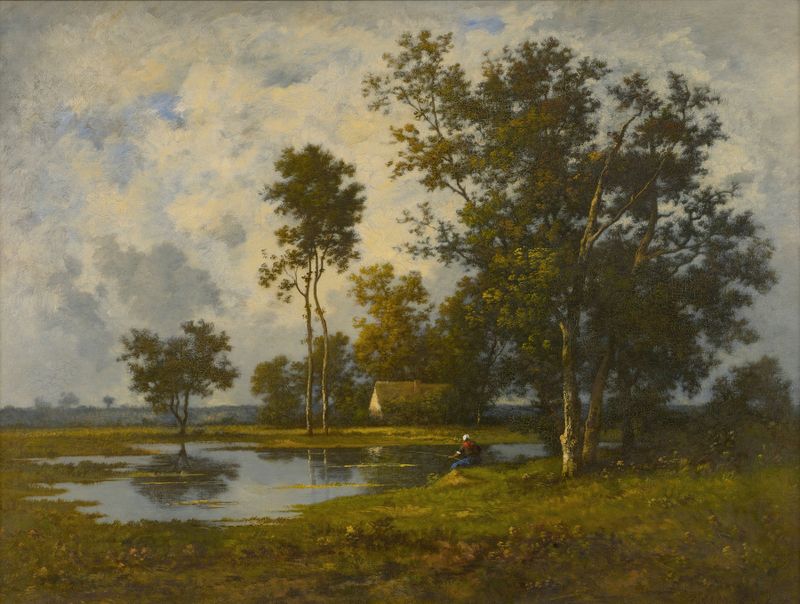
Landscape With A Quiet Pool
Leon Richet
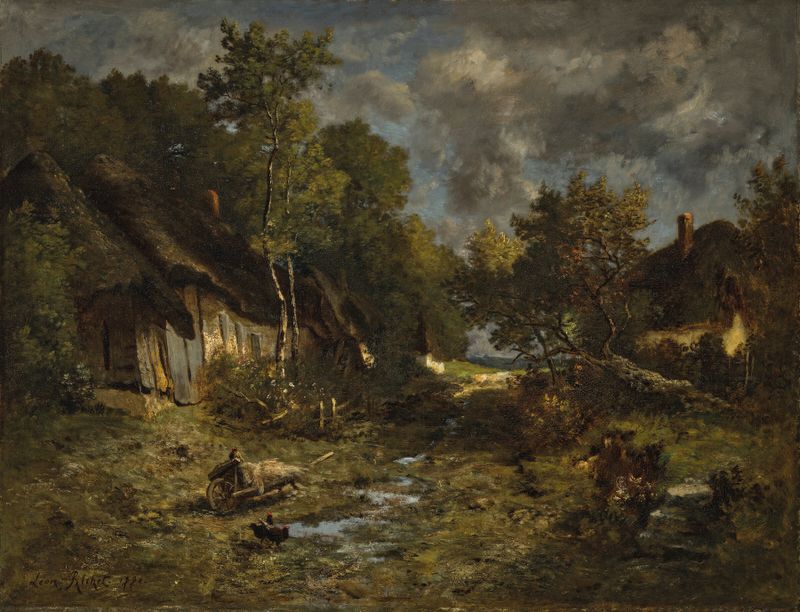
The farm
Leon Richet
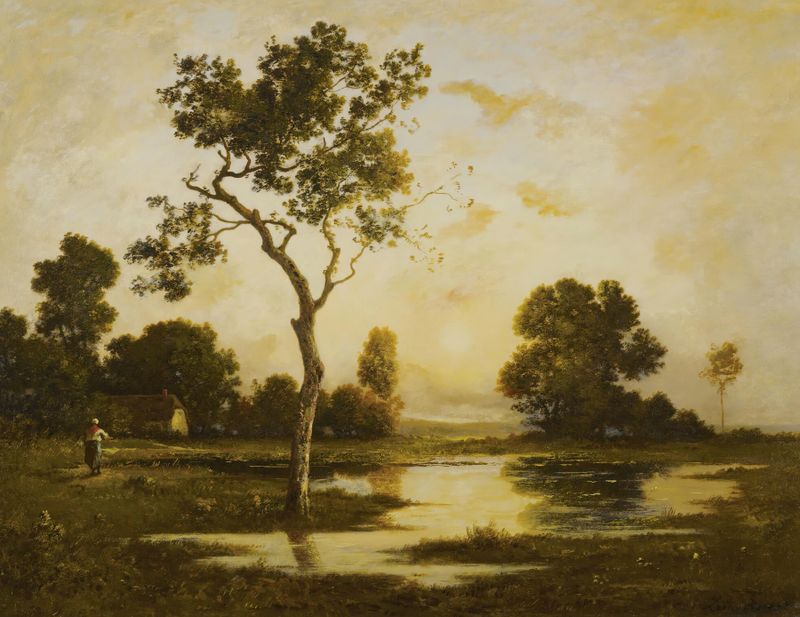
Retour A La Ferme, Crepuscule
Leon Richet
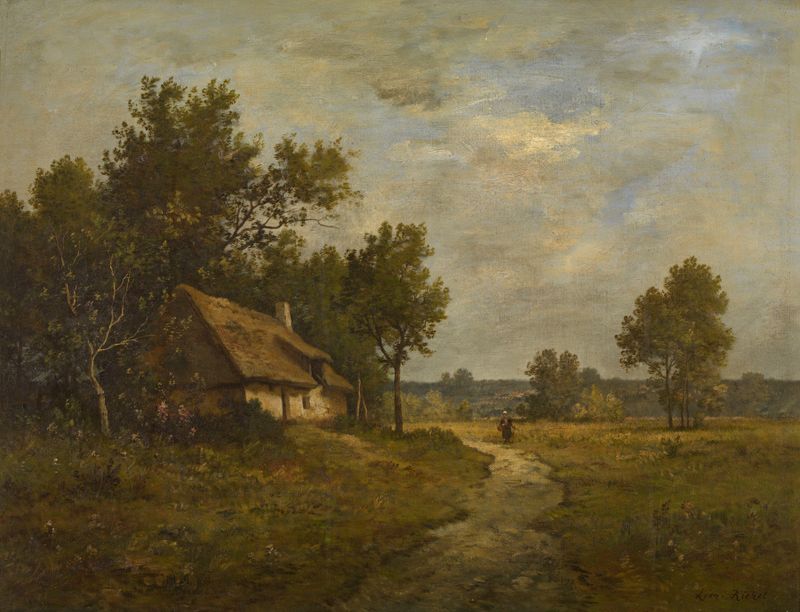
Landscape
Leon Richet

Weg durch eine große Landschaft
Leon Richet
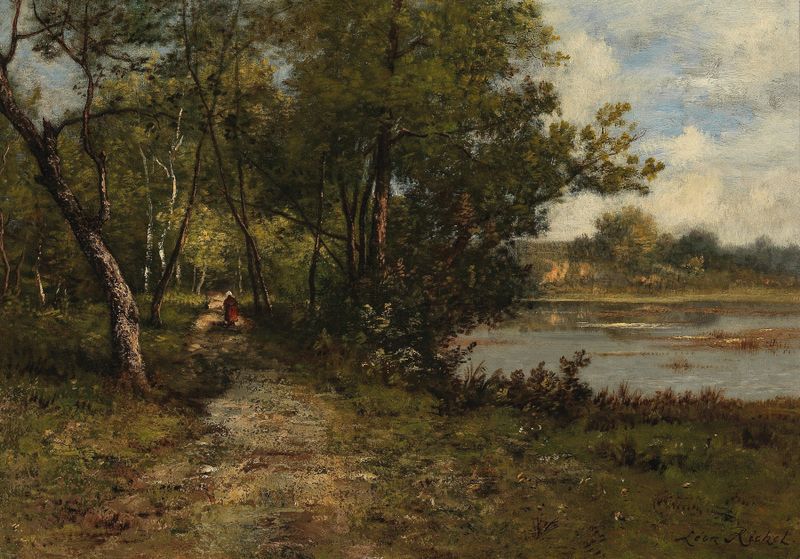
Marcher au bord de la rivière
Leon Richet





