
Le moulin de Roche — History & Facts
Where does light end, and longing begin? In this enchanting landscape, the interplay of shadow and illumination reveals a threshold between the known and the dreamlike, promising the quiet whispers of rebirth. Focus first on the radiant light that bathes the windmill, casting a golden hue over the lush greenery. Notice how the brushwork captures the texture of the trees that sways gently, as if responding to a soft breeze. The sky, a gradient of blues and whites, hints at a day on the cusp of transformation, urging the viewer to contemplate the passage of time within this serene, yet potent moment. Delve deeper into the hidden meanings within the scene.
The windmill stands as a symbol of continuity, a tether to the past while simultaneously reaching toward the future. The vibrant colors contrast with the stillness of the water below, suggesting an internal struggle between the calm of the natural world and the yearning for renewal. Each element harmonizes, crafting a narrative of hope and the cyclical nature of life. At the time of creating this piece, Ravier was part of the French Romantic movement, likely painting in the mid-19th century.
He found himself grappling with the changing landscapes of art and society, as industrial advancements began to encroach upon the idyllic countryside. In this context, Le moulin de Roche emerges as a poignant reflection on nature, nostalgia, and the enduring spirit of rebirth amidst an evolving world.
More Artworks by François-Auguste Ravier
Browse all →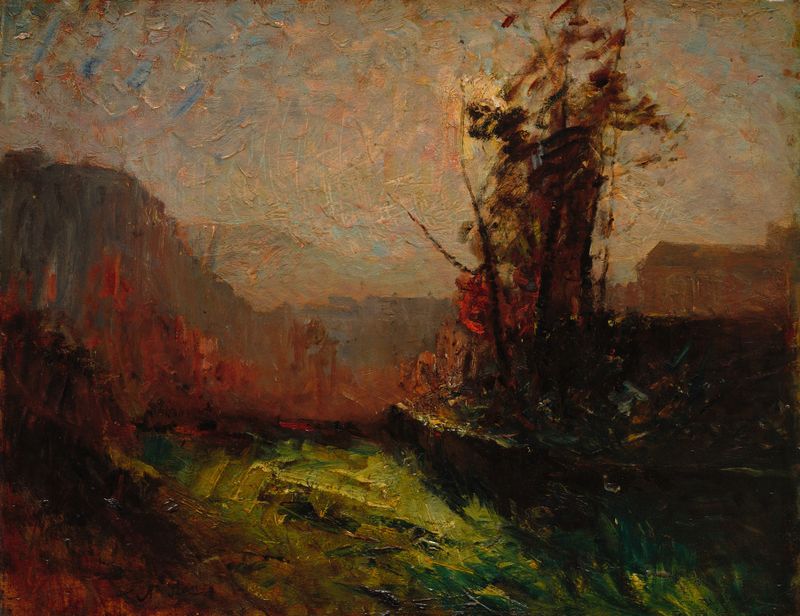
Crémieu, Seen from Chaillonnette
François-Auguste Ravier
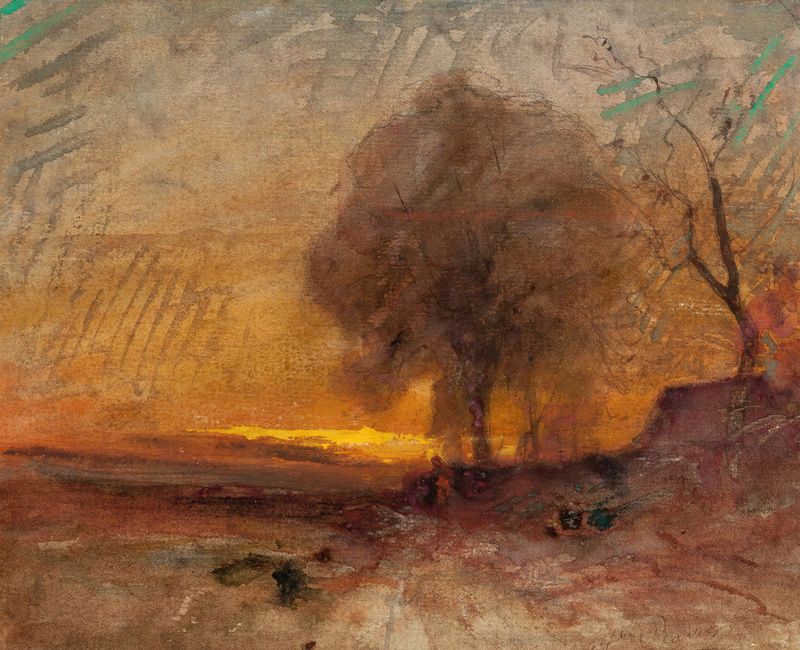
Landscape at Dusk
François-Auguste Ravier

Étude de paysage
François-Auguste Ravier
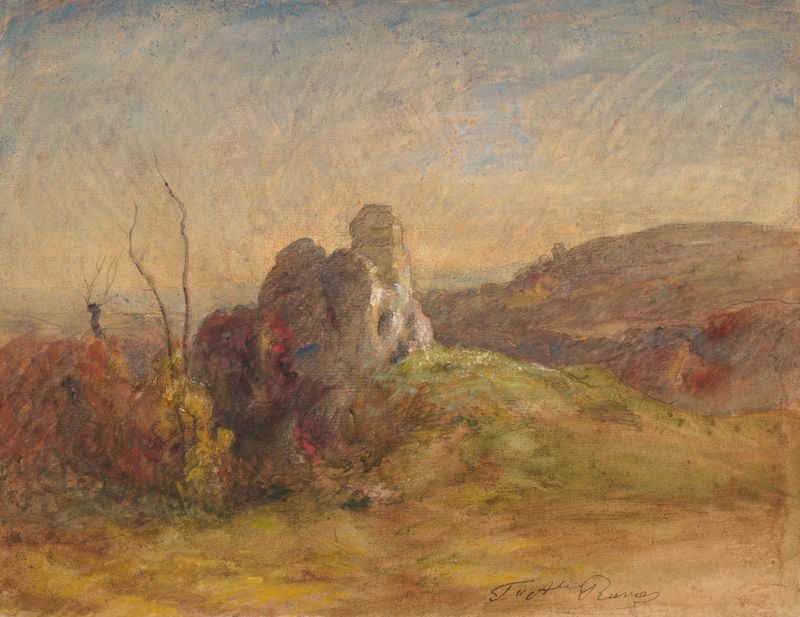
Landscape
François-Auguste Ravier
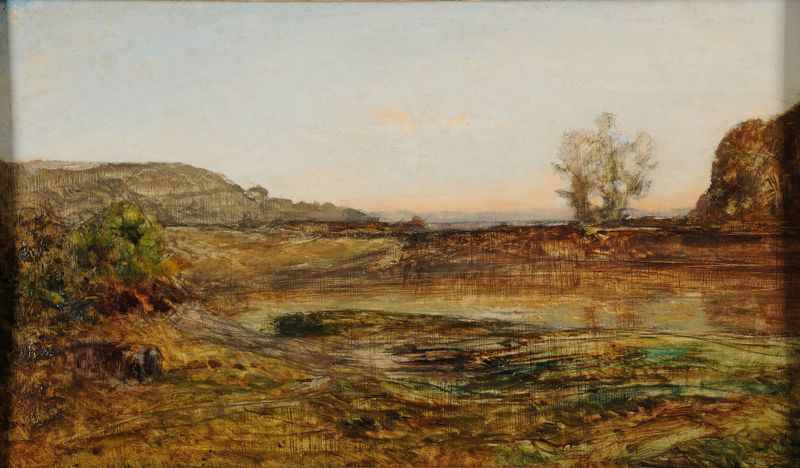
L’Étang d’Optevoz
François-Auguste Ravier
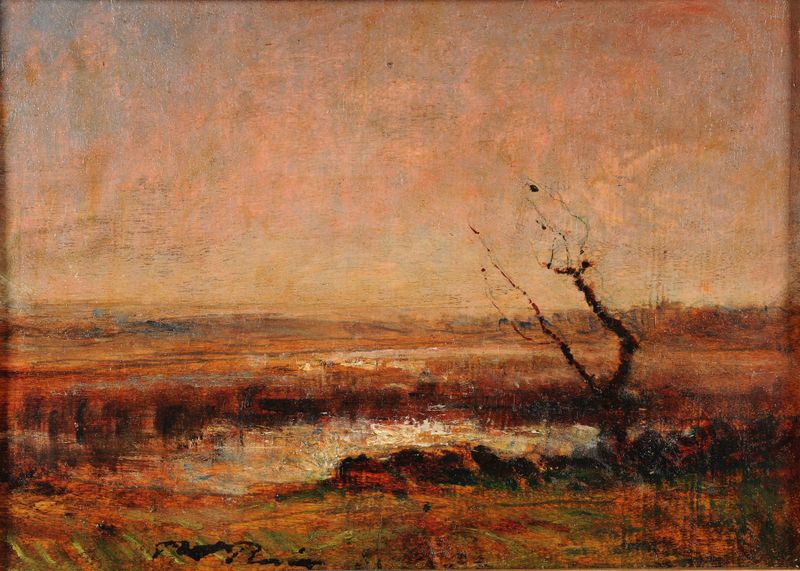
Étude de paysage
François-Auguste Ravier

Approaching Morestal
François-Auguste Ravier

Allée des Tilleuls à Crémieu
François-Auguste Ravier
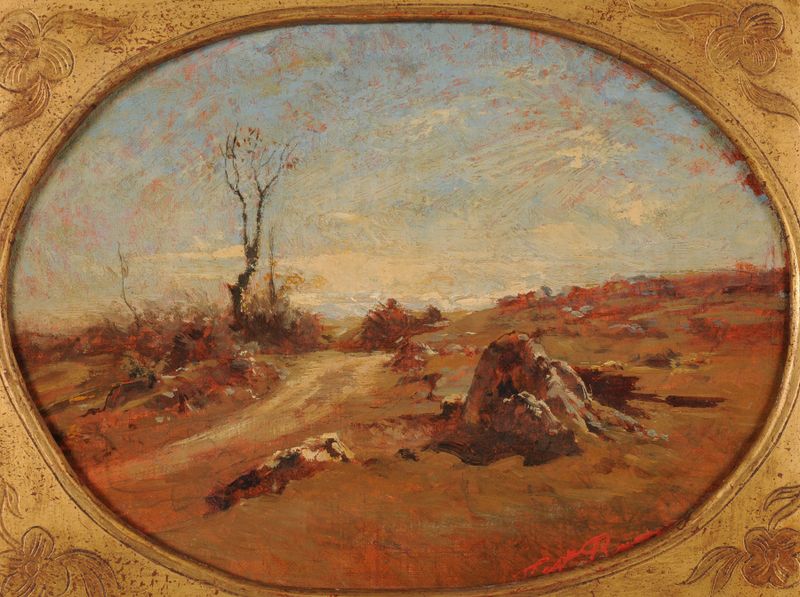
Automne. L’arbre
François-Auguste Ravier

Sunset over a Pond
François-Auguste Ravier





