Le Parasol — History & Facts
A woman with a mane of copper hair glances out from beneath a deep blue parasol, her gaze direct and knowing. The boldness of her stare is matched by the sweep of her dress, rendered in vibrant teal, and the dramatic black plume at her shoulders. The parasol, held at a rakish tilt, is not just a shield from the sun but a badge of modernity—its arc echoing the stormy, stylized clouds that churn behind her.
The landscape is all graphic contrasts: yellow grasses and orange flowers leap up against a midnight sea, while a distant lighthouse stands sentinel on the horizon, its white form cutting sharply through the gloom. Every detail is heightened, stylized, and deliberate, inviting the eye to linger over the interplay of color and line. Created in 1900 for the Paris Exposition, this decorative panel by Eugène Grasset belongs to a world on the cusp of the twentieth century, when posters and decorative arts were celebrated as high design. The work’s bold outlines and flat planes of color are hallmarks of the Art Nouveau movement, which sought to bring beauty into everyday life—whether on a city street or a salon wall.
Such images were commissioned to advertise, to decorate, and to announce the arrival of a new, confident femininity in public life. History has kept few traces of the individual stories behind these panels, but the spirit of the era—its style, its optimism, its appetite for spectacle—remains vivid in the woman’s poised, challenging glance. Look again, and you may catch the breeze that stirs her ribbons and the promise of a changing age.
More Artworks by Eugène Grasset

Samuel Eviradnus 237 Maison de Victor Hugo
Eugène Grasset
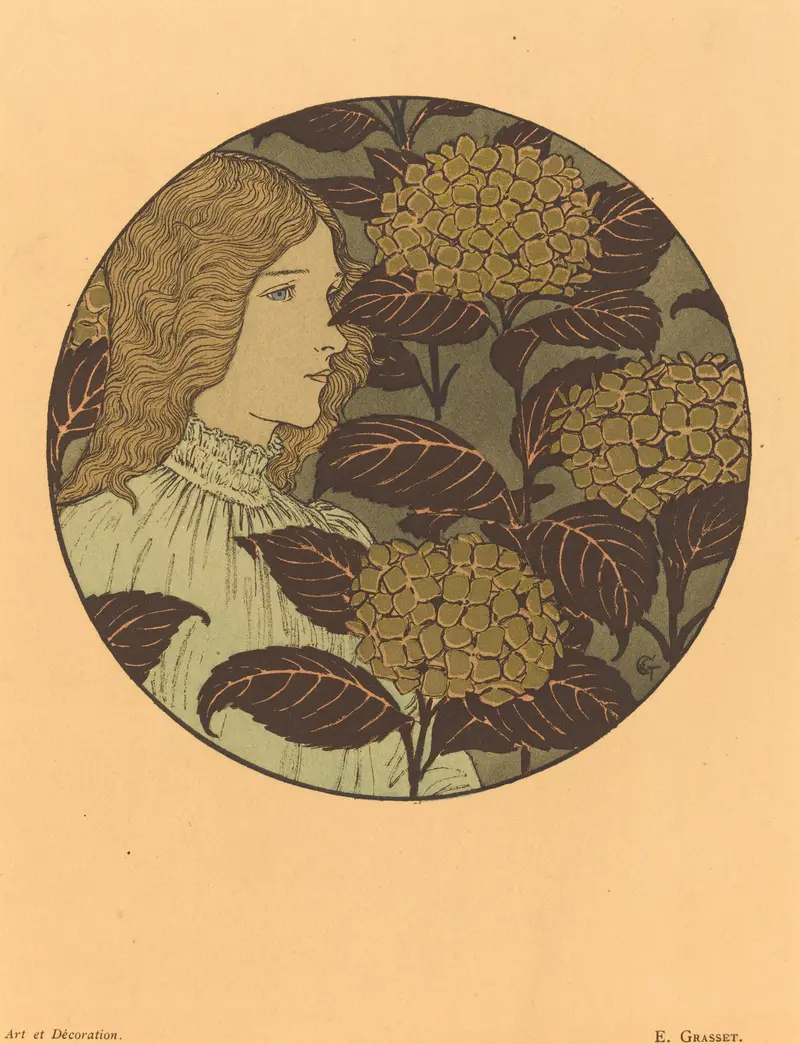
Portrait of a Girl (Roundel)
Eugène Grasset
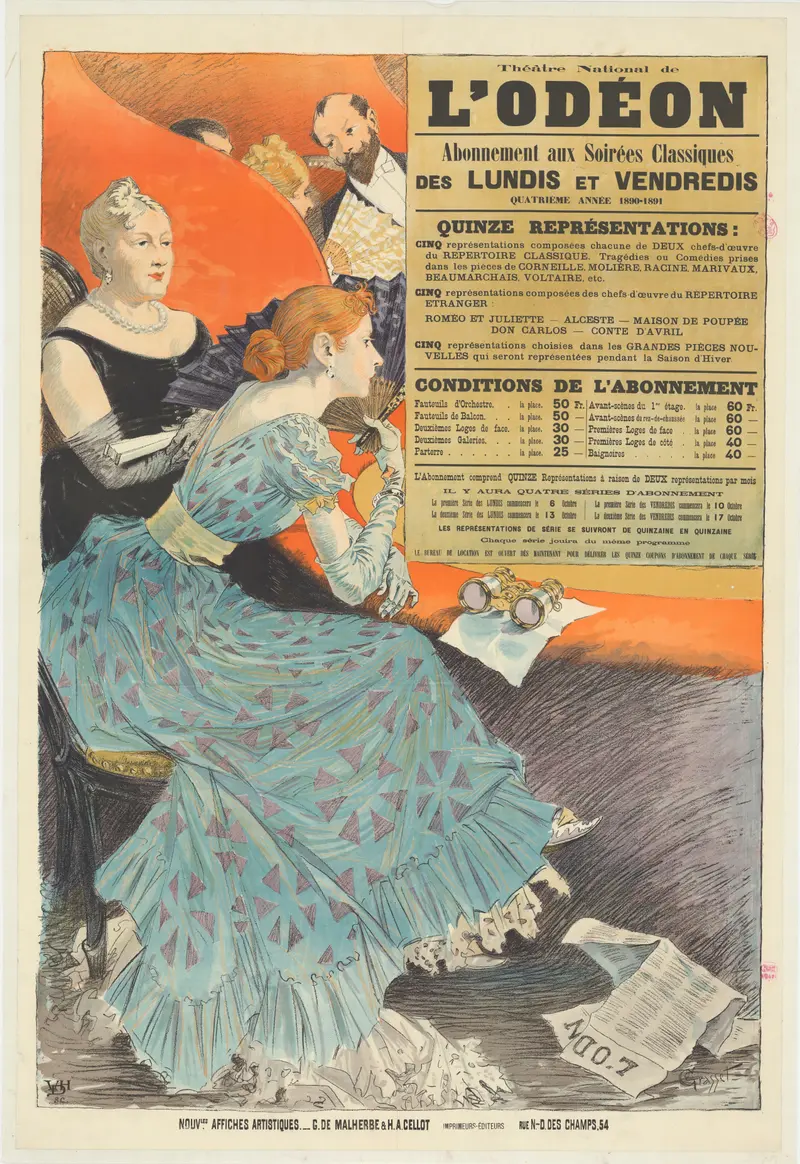
Théâtre National de l'Odéon
Eugène Grasset
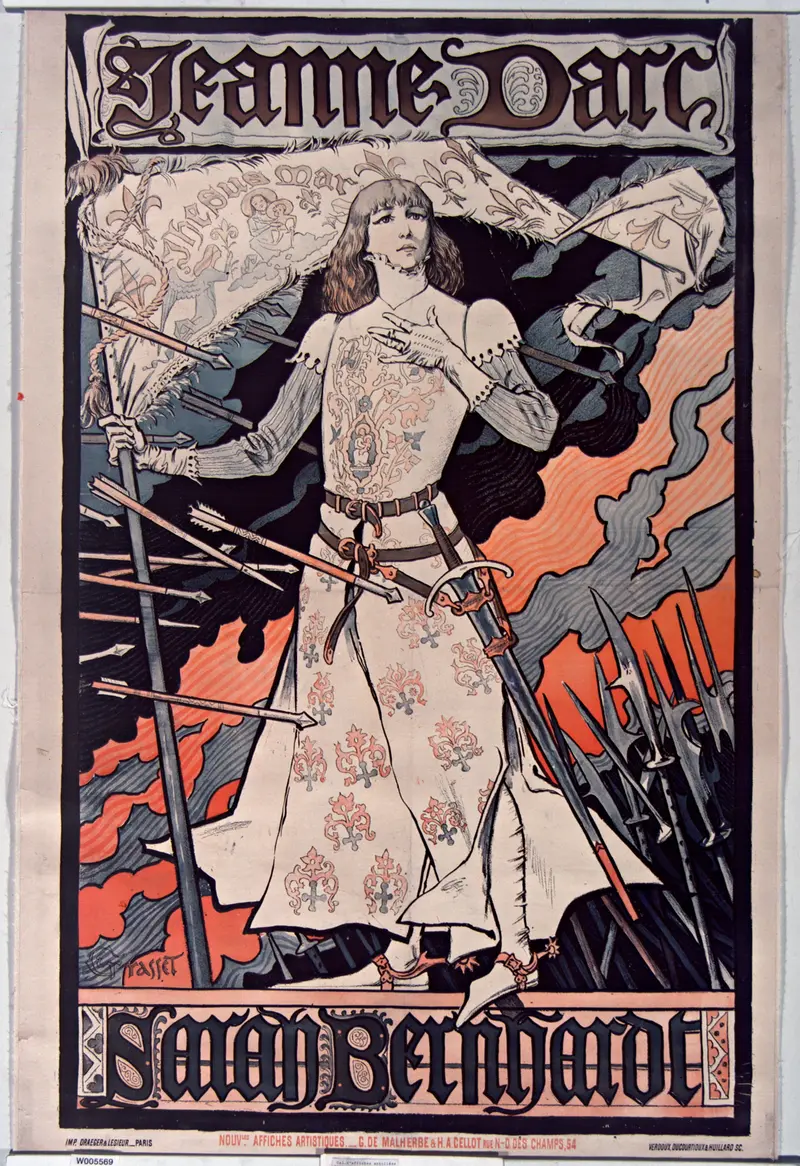
Jeanne d'Arc – Sarah Bernhardt
Eugène Grasset
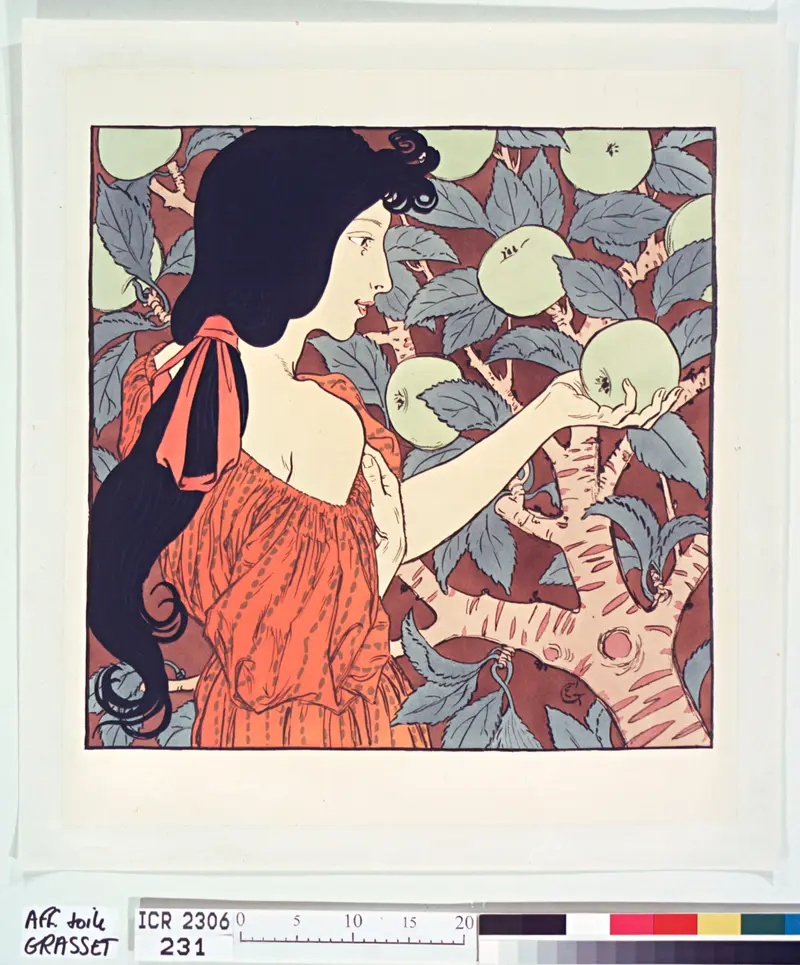
Tentation
Eugène Grasset
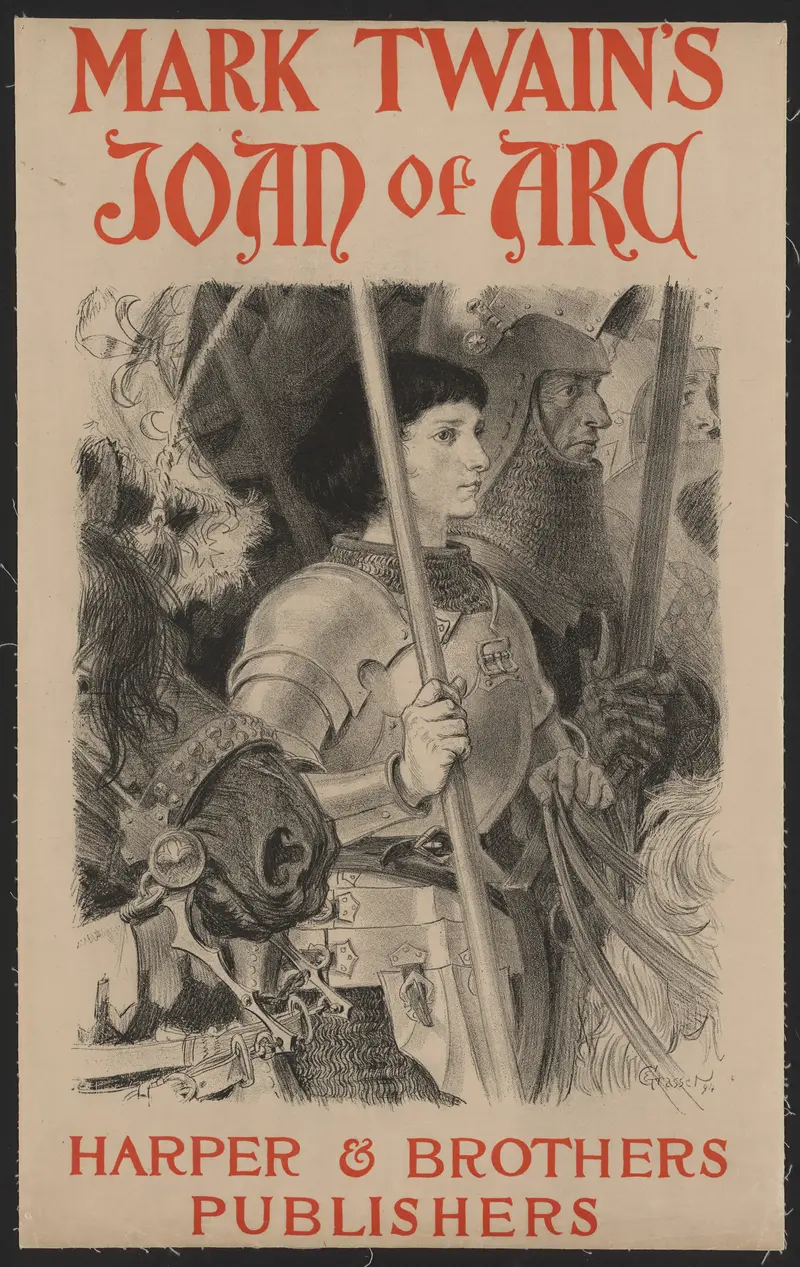
Mark Twain's Joan of Arc
Eugène Grasset
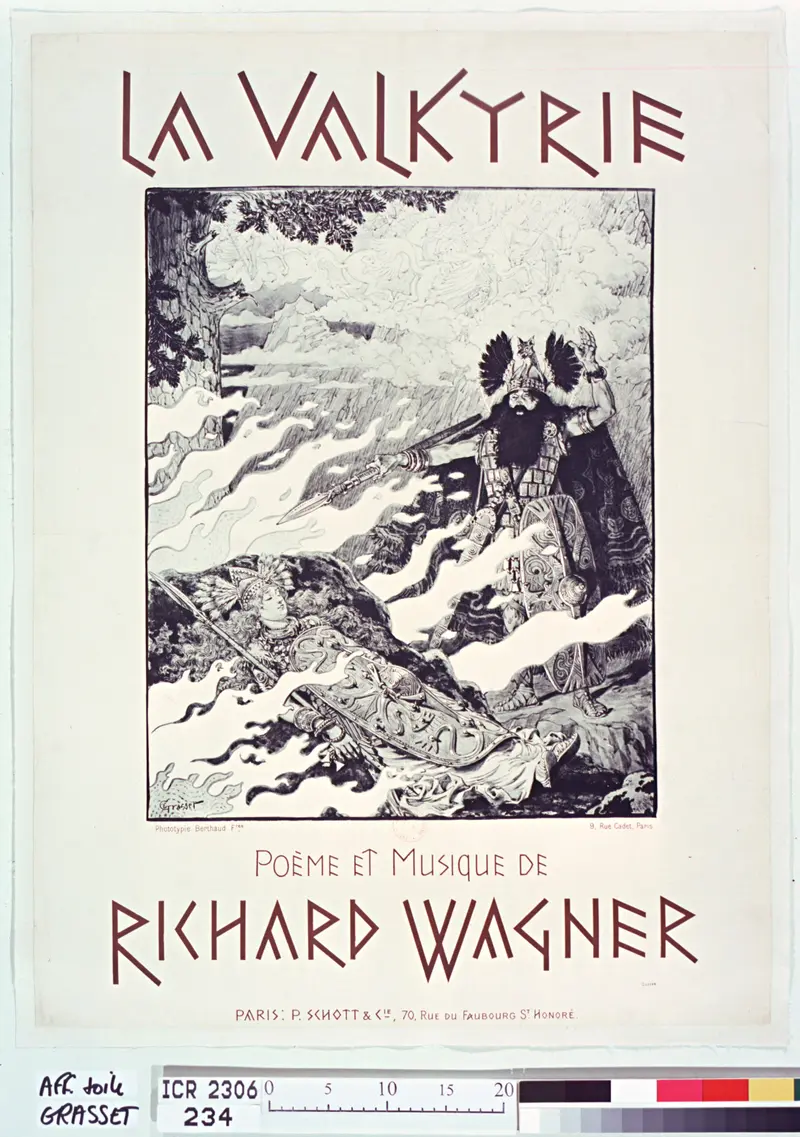
La Walkyrie
Eugène Grasset
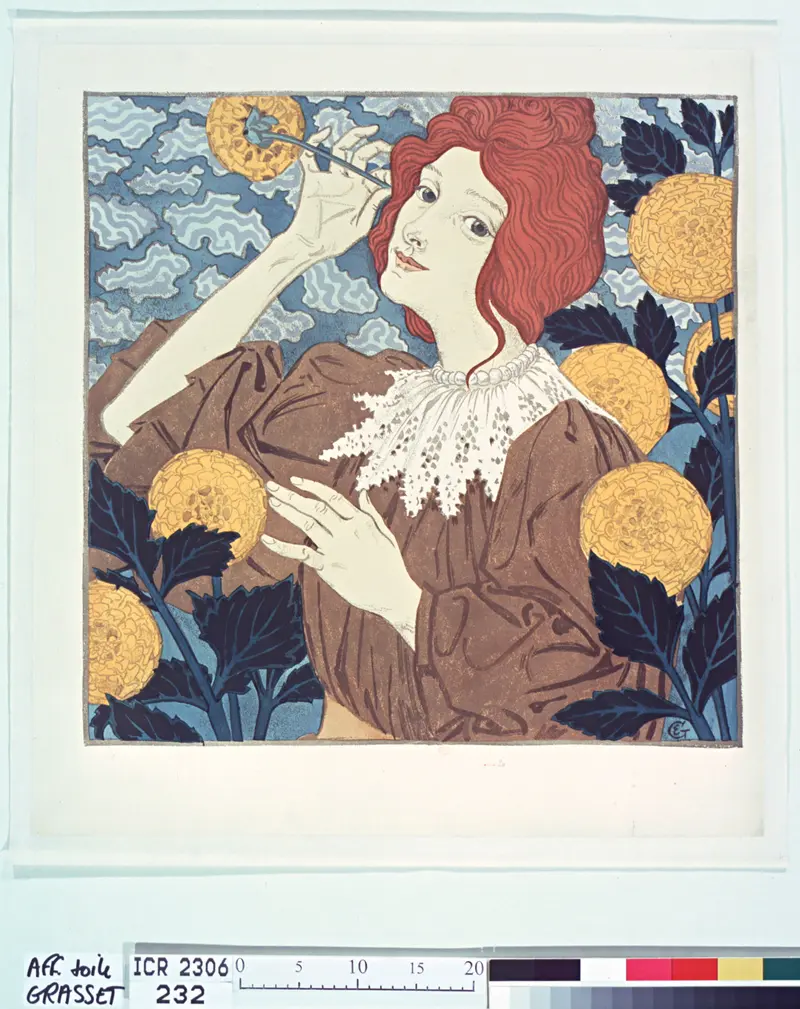
Coquetterie
Eugène Grasset
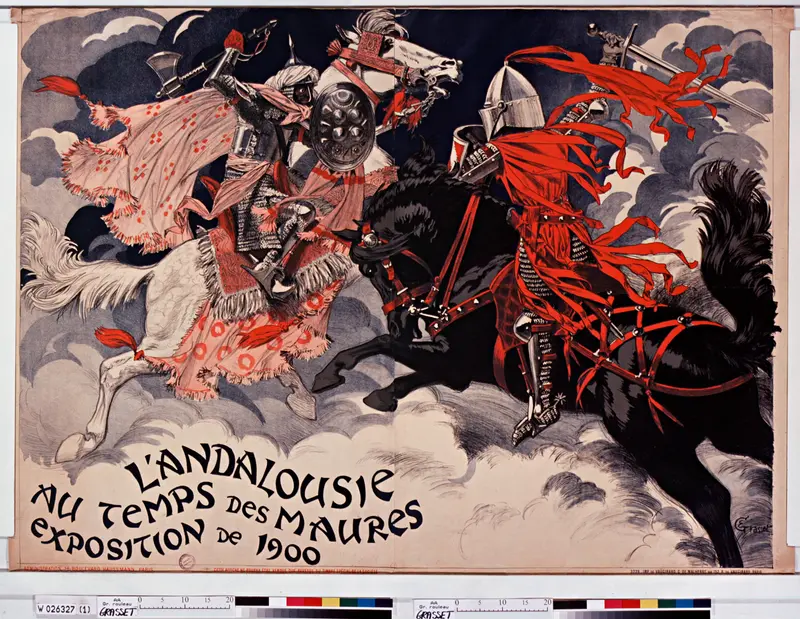
L'Andalousie au temps des Maures
Eugène Grasset
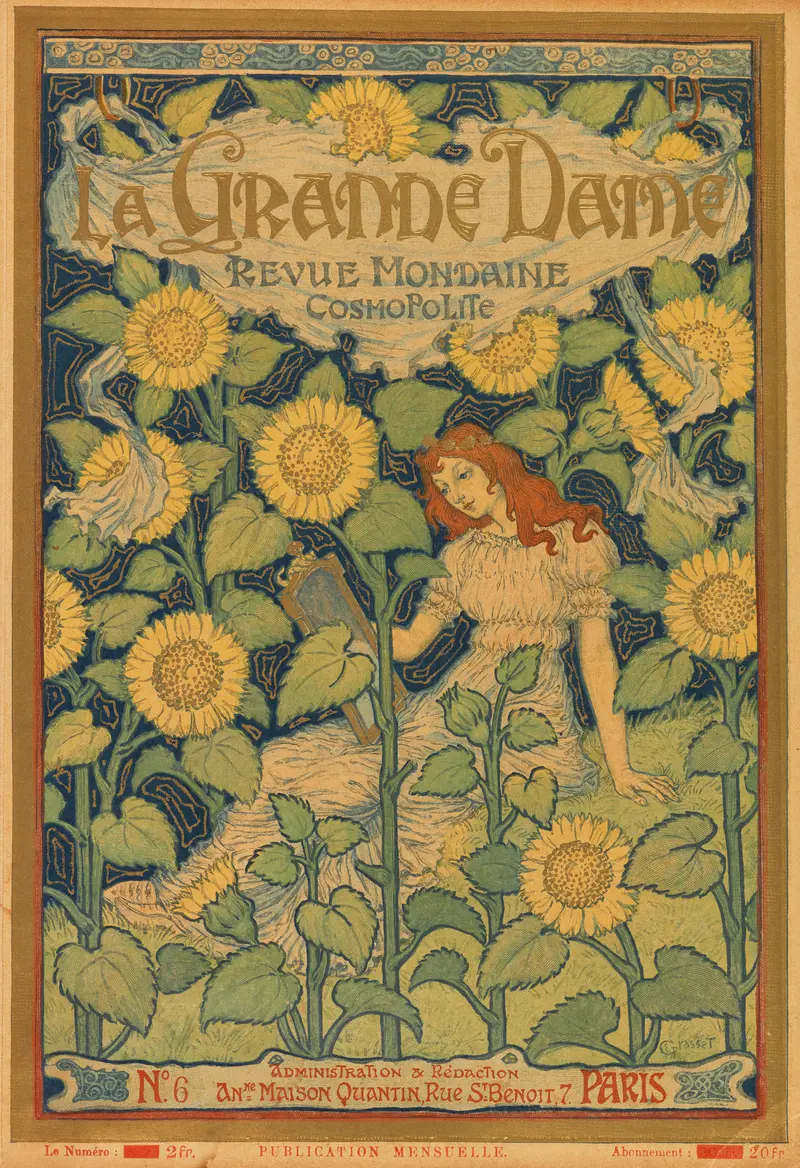
La Grande Dame
Eugène Grasset