
Le petit château de Victor Hugo à Gentilly — History & Facts
In the stillness of a moment captured, we find the delicate dance of light and shadow intertwining, whispering stories of a time long past. Here, movement exists not in frantic gestures but in the subtle interplay of hues and forms, urging us to delve deeper into the tapestry of life. Look closely to the left at the soft brushstrokes that depict the verdant landscape, where the gentle slope meets the horizon. Notice how the muted greens blend seamlessly with the warm ochres, creating a sense of harmony that envelops the viewer.
The structure, nestled within the foliage, commands attention with its elegant yet unassuming presence. The soft light filtering through the leaves crafts a serene atmosphere, inviting contemplation and evoking a sense of nostalgia for the beauty of nature. Within this tranquil scene lies a juxtaposition of permanence and transience. The château stands resolute, symbolizing stability amid the fleeting moments of life represented by the swaying trees.
This contrast hints at the impermanence of human endeavors, a reminder that while structures may endure, they remain shaped by the ever-changing environment around them. The artist’s choice of a muted palette reinforces this sentiment, creating a dreamlike quality that encourages introspection. Georges-Henri Manesse painted this work in 1916, a time marked by upheaval and introspection as the world grappled with the repercussions of war. Living in France, he sought solace in the landscapes that surrounded him, keenly aware of the tumult outside.
This piece emerged in the midst of a shifting art world that was beginning to embrace modernism, reflecting both his personal yearning for peace and the broader movements of his time.
More Artworks by Georges-Henri Manesse
Browse all →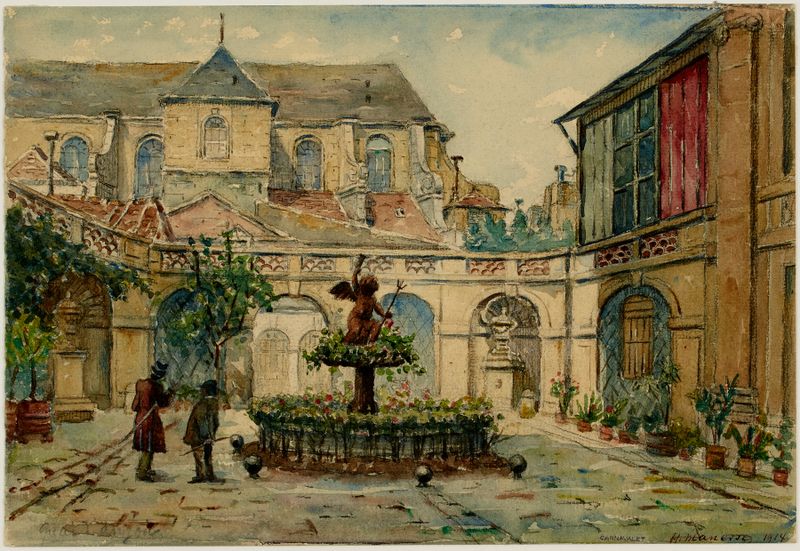
Cour intérieure de l’Hôtel Hesselin, 24 quai de Béthune
Georges-Henri Manesse
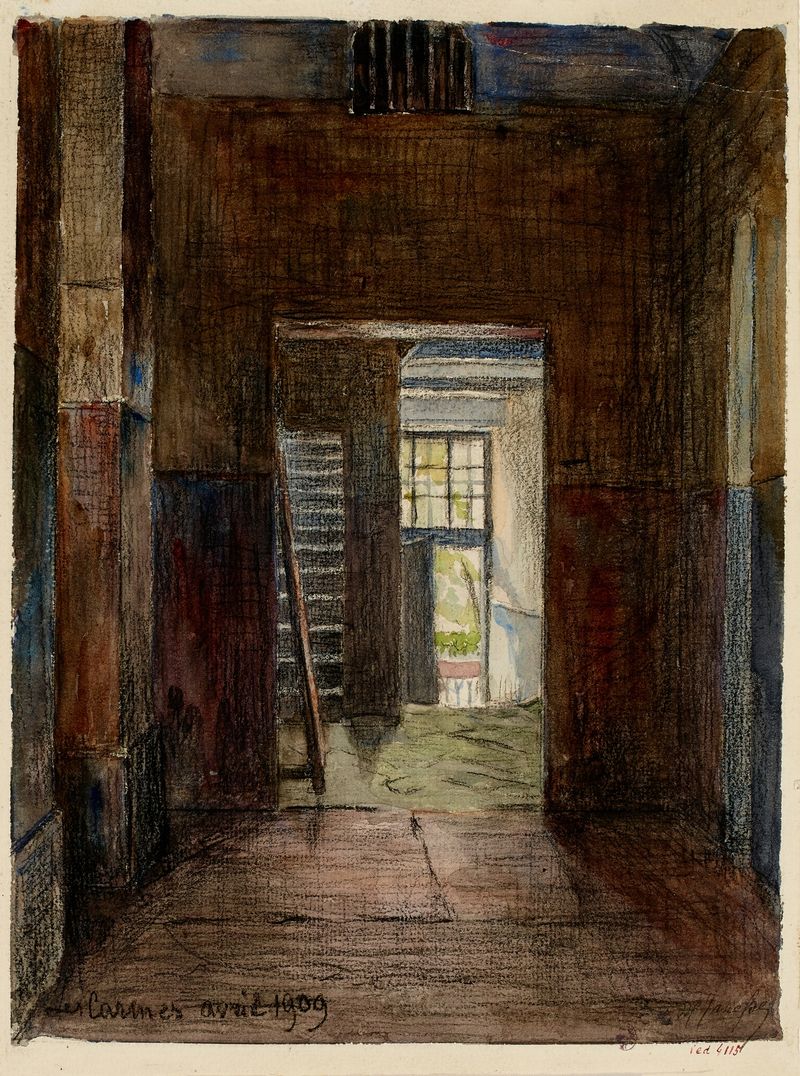
Intérieur du couvent des Carmes, rue de Vaugirard
Georges-Henri Manesse
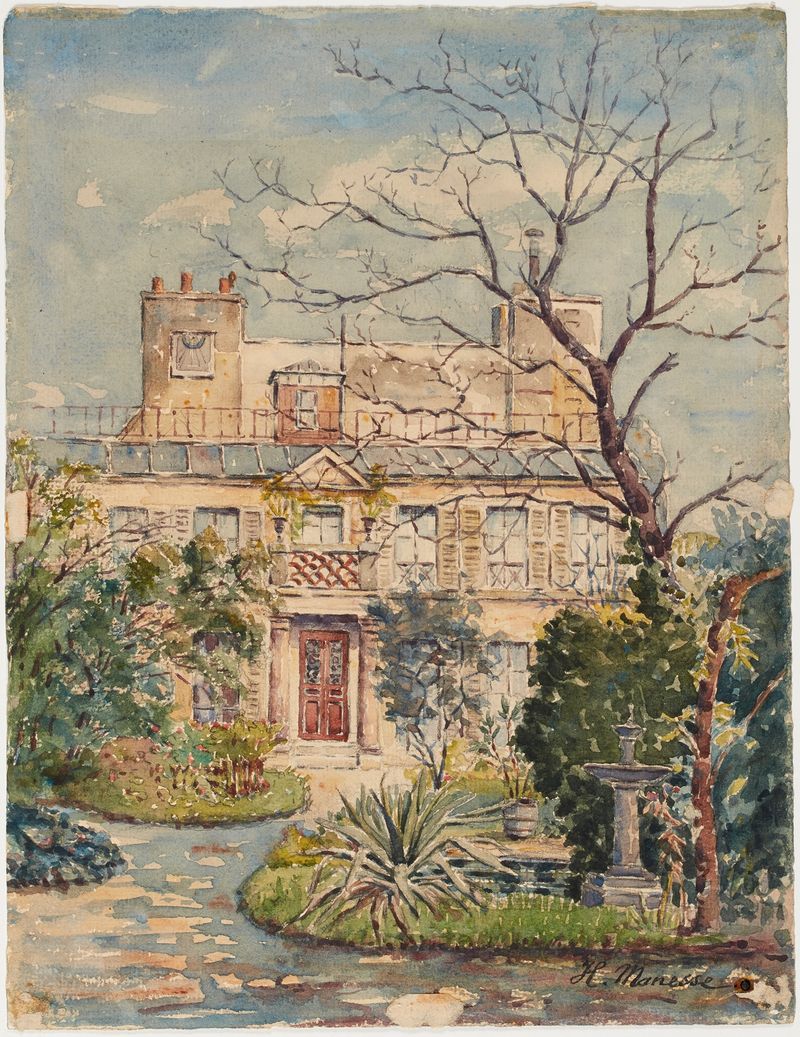
Maison de Victor Hugo, rue du Cherche-Midi
Georges-Henri Manesse
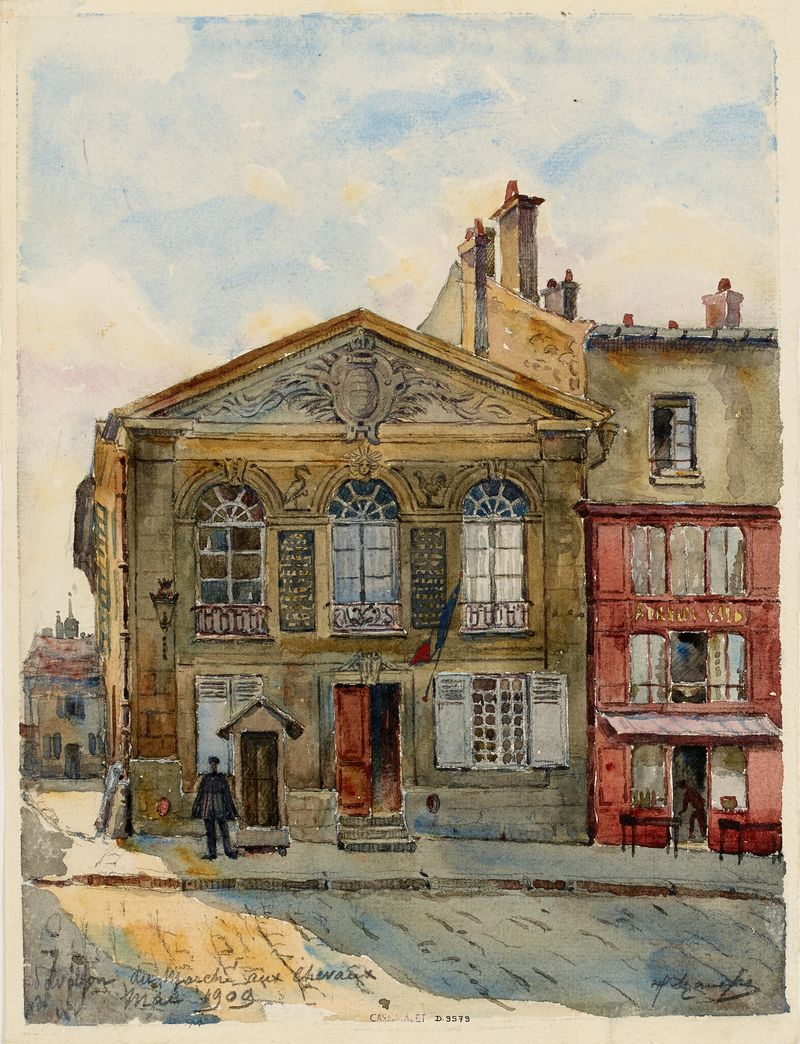
Le pavillon de police du Marché aux chevaux, rue Geoffroy Saint Hilaire
Georges-Henri Manesse

Passerelle des Arts
Georges-Henri Manesse

Vieille maison du XVè siècle, 6 rue Boutebrie
Georges-Henri Manesse
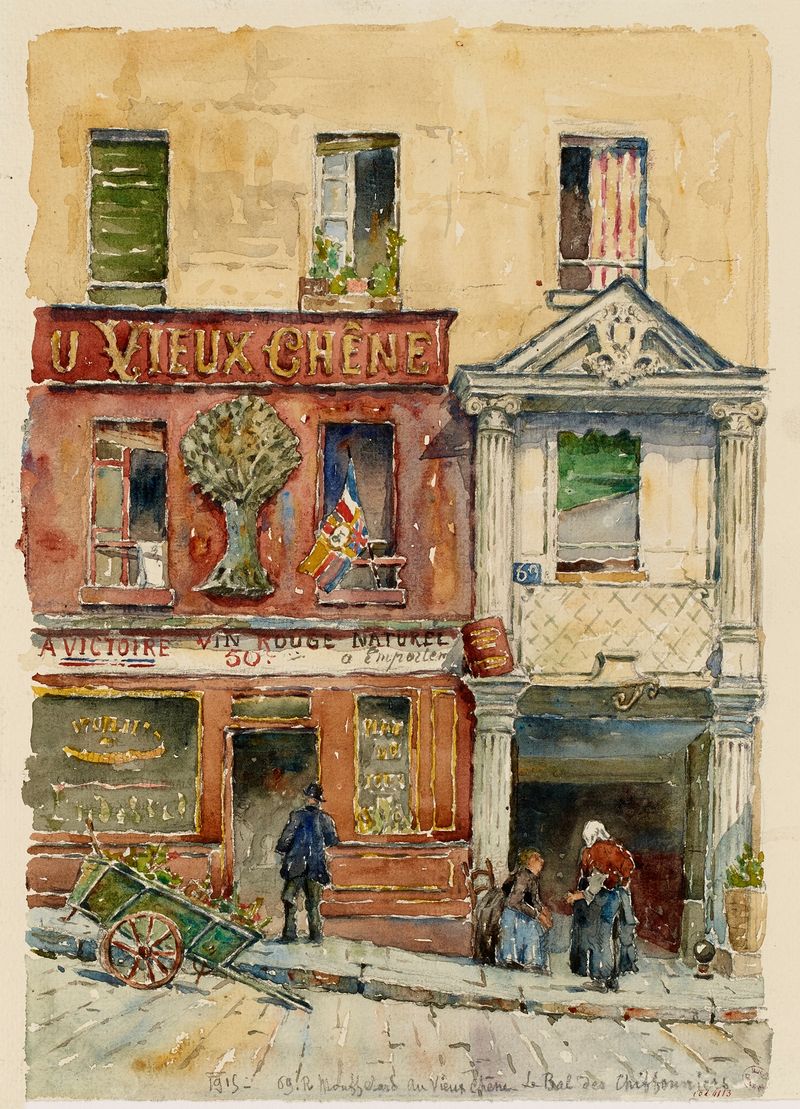
69, rue Mouffetard Boutique de vins à l’enseigne du Vieux chêne
Georges-Henri Manesse
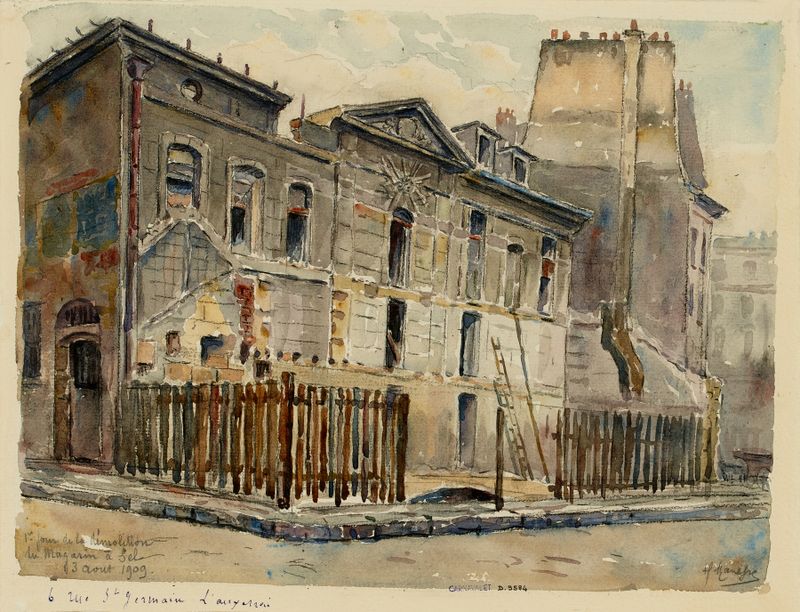
Premier jour de la démolition du magasin à sel, 6 rue Saint Germain de l’Auxerrois
Georges-Henri Manesse
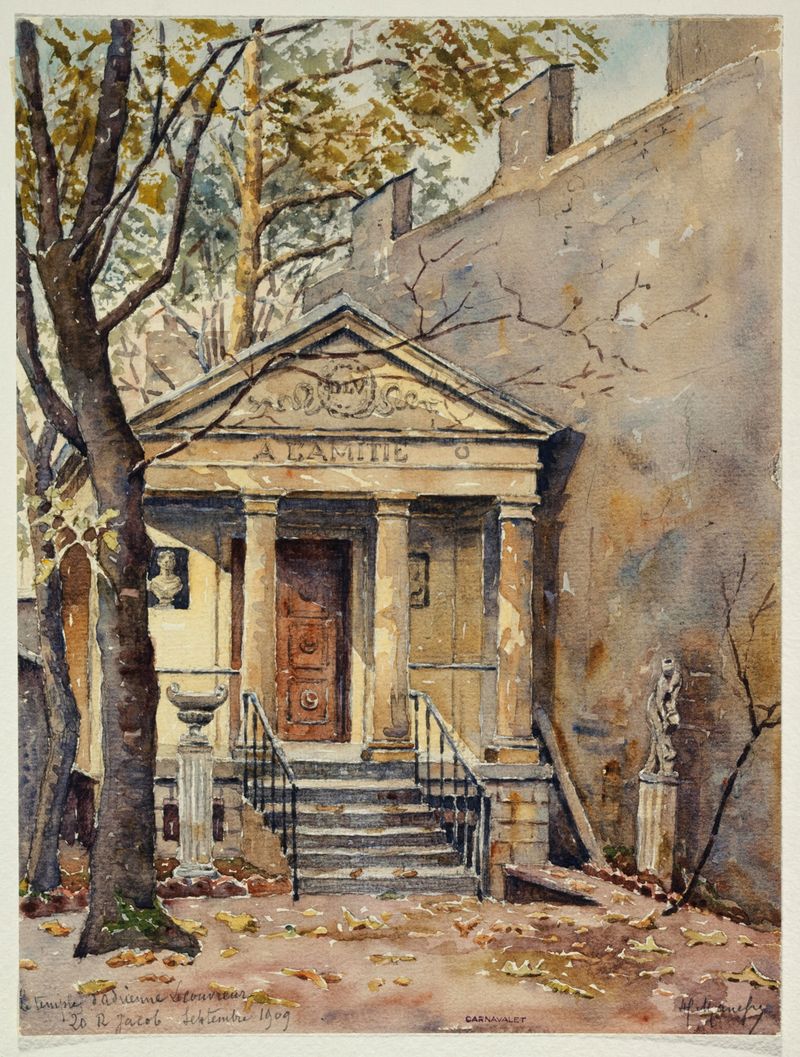
Temple de l’Amitié, 20 rue Jacob où habita Adrienne Lecouvreur
Georges-Henri Manesse

Maison de campagne de Jean-Jacques Rousseau, 20 quai de Passy
Georges-Henri Manesse





