
Le Plessis-Bas (Aisne) — History & Facts
In a world where beauty dances alongside brutality, the truth of existence often reveals itself in the subtlest moments of violence. Look to the center of the canvas, where the delicate interplay of light and shadow brings a quiet yet unsettling tension to the landscape. The strokes are gentle, almost tender, as they depict the lush greenery of Le Plessis-Bas. Yet, amidst this serene beauty, a dark undertone lurks, hinting at past conflicts that have shaped this land.
Notice how the vibrant greens and earthy browns are juxtaposed with ominous shadows that creep along the horizon, suggesting the weight of history resting heavily upon the scene. As you delve deeper, observe the figures in the distance, their presence an echo of lives lived and lost. The contrast between the tranquil setting and the isolation of the people evokes a haunting sense of despair. The meticulous detailing of the foliage draws the eye, while the obscured figures remind us of the violence that lies beneath the surface of everyday life, a reminder of humanity’s fragile balance with nature and each other. In 1860, during a time of political upheaval and societal change in France, the artist found himself at a crossroads, grappling with the dichotomy of beauty and suffering.
Working in a period marked by the rise of realism, he sought to capture not just the aesthetic qualities of the landscape but also the emotional depths that resonate within it. This painting stands as a testament to his ability to transform a simple scene into a profound commentary on the complexities of existence.
More Artworks by Victor Petit
Browse all →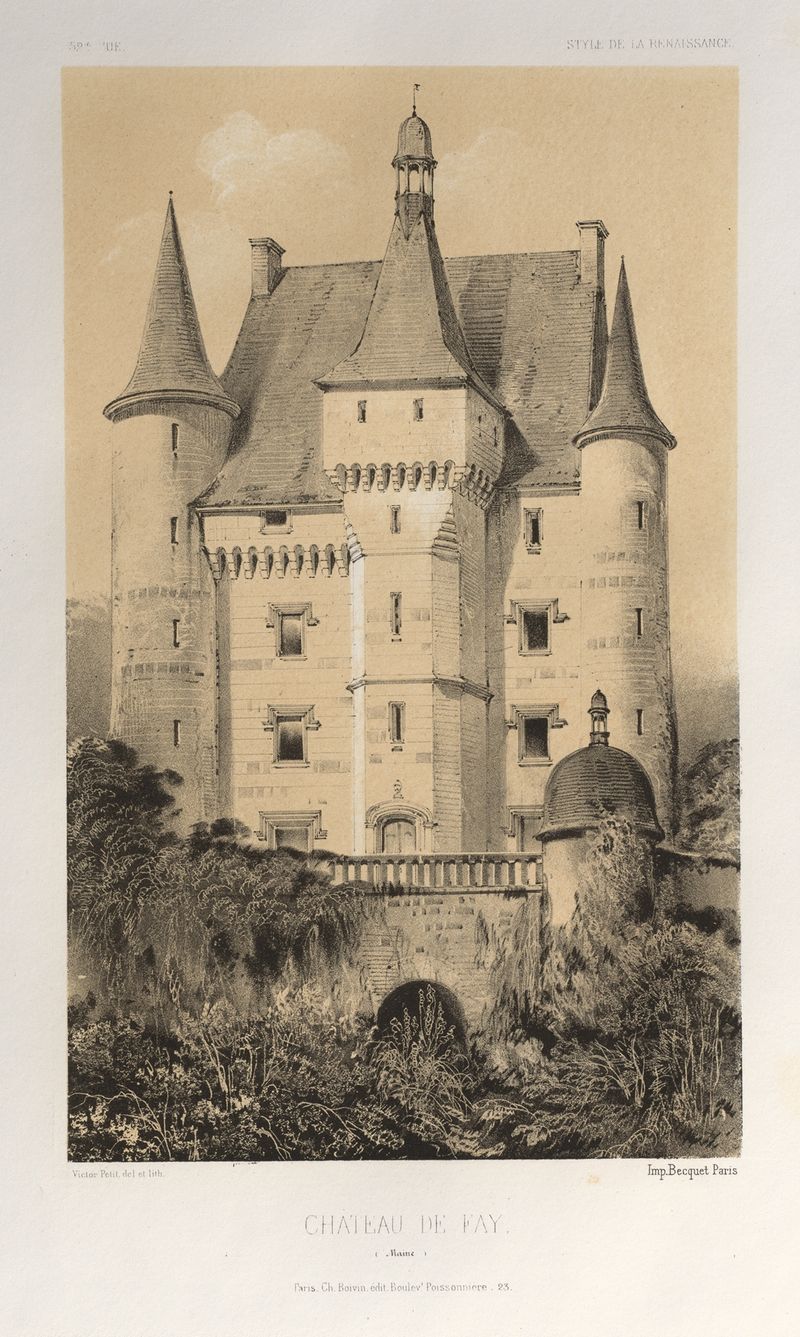
Château De Fay (Maine)
Victor Petit
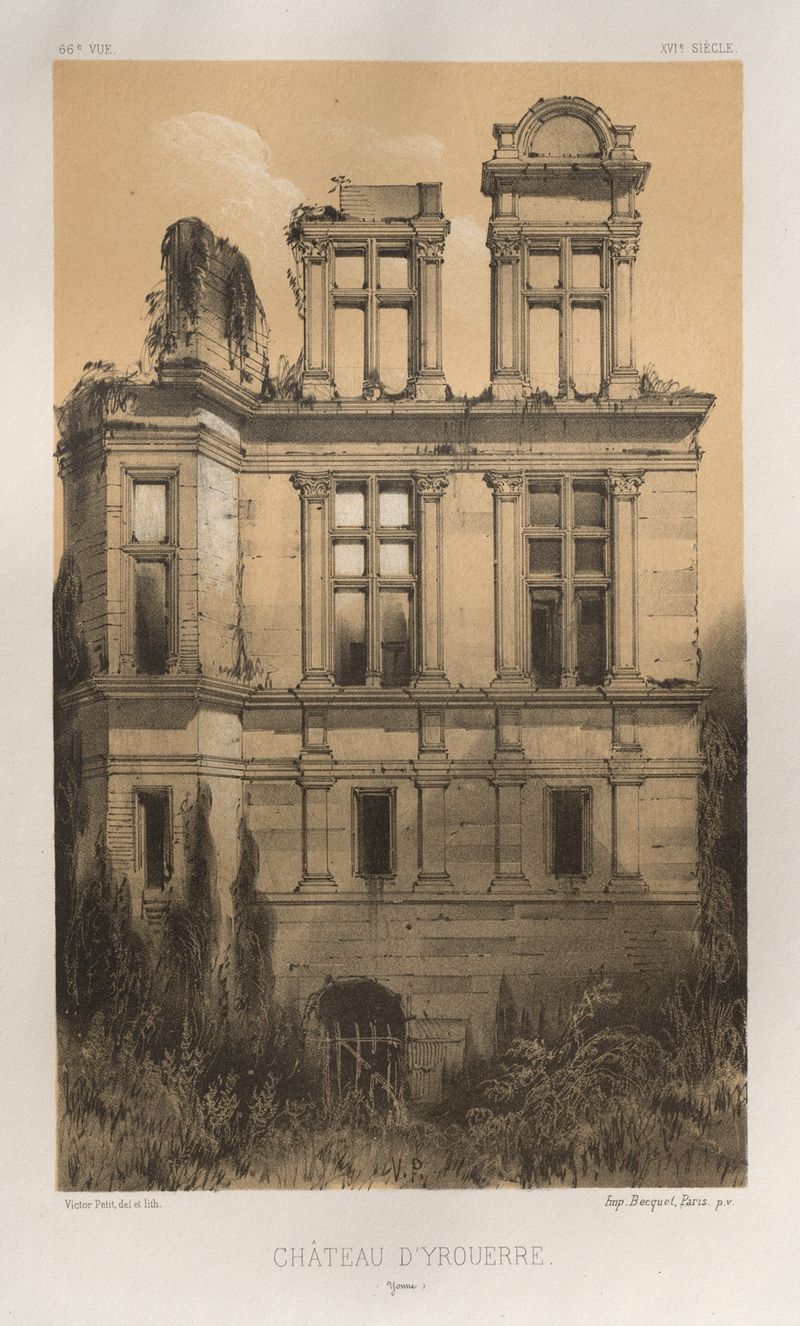
Château D’Yrouerre (Yonne)
Victor Petit
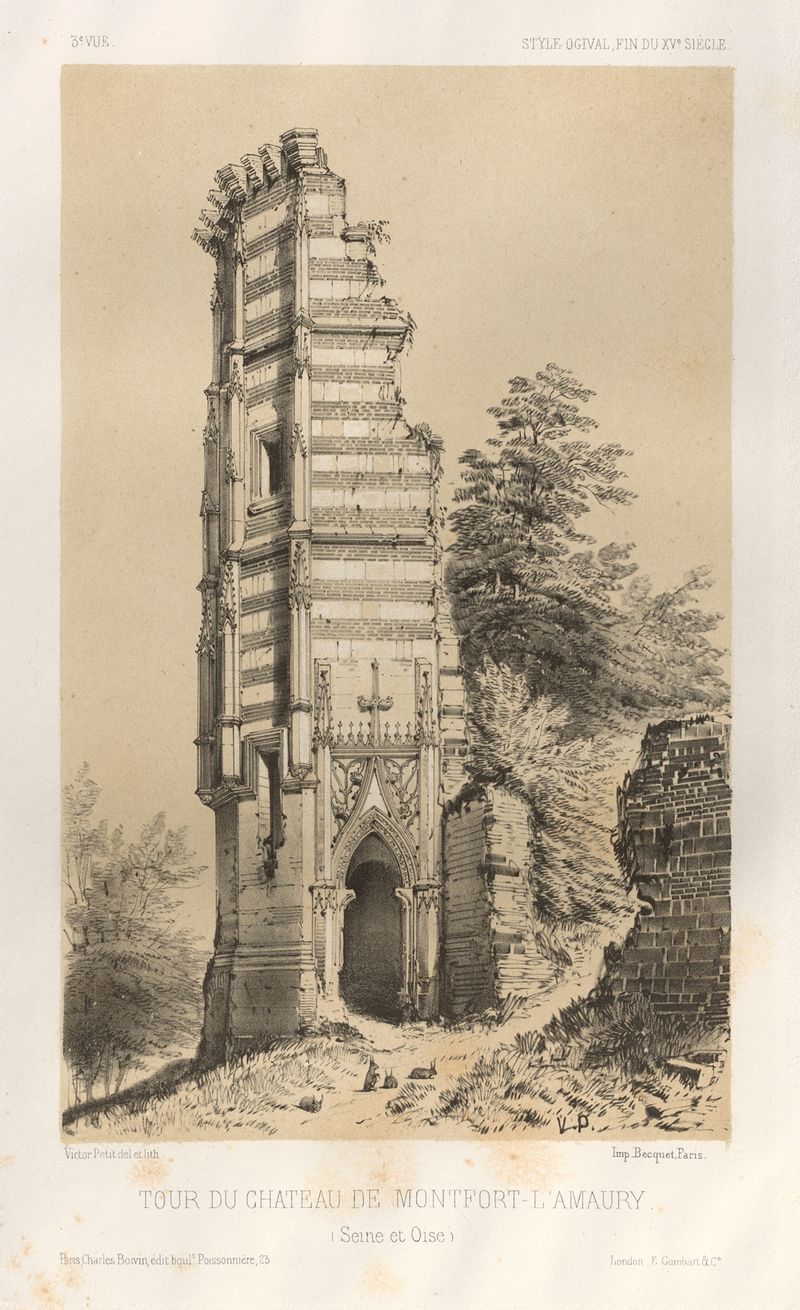
Tour du chateau de Montfort-l’Amaury (Seine-et-Oise)
Victor Petit

Tour Du Port De Marseille (Bouches Du Rhône)
Victor Petit
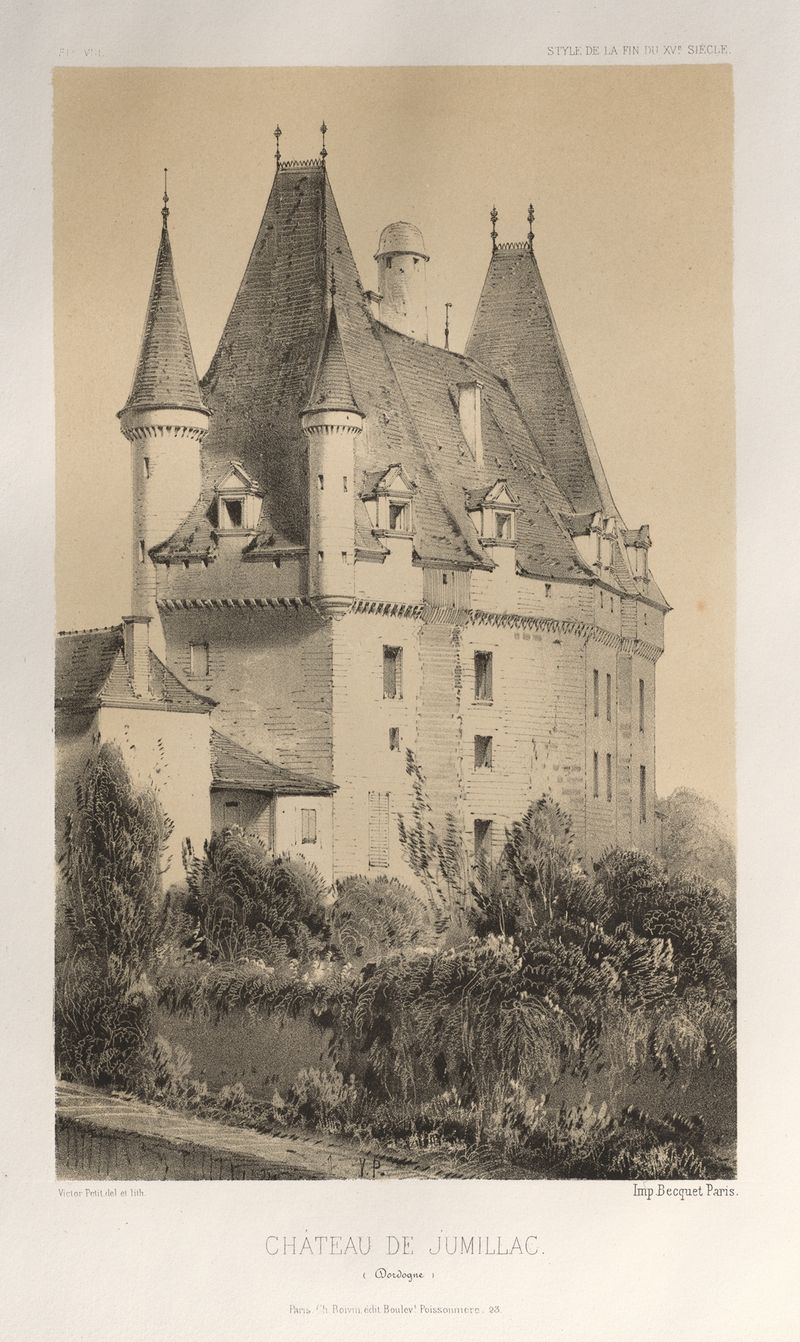
Château De Jumillac (Dordogne)
Victor Petit

Château de Tévray (Eure)
Victor Petit

Galerie Du Château De Jouancy (Saone et Loire)
Victor Petit

Château De Mello (Oise)
Victor Petit
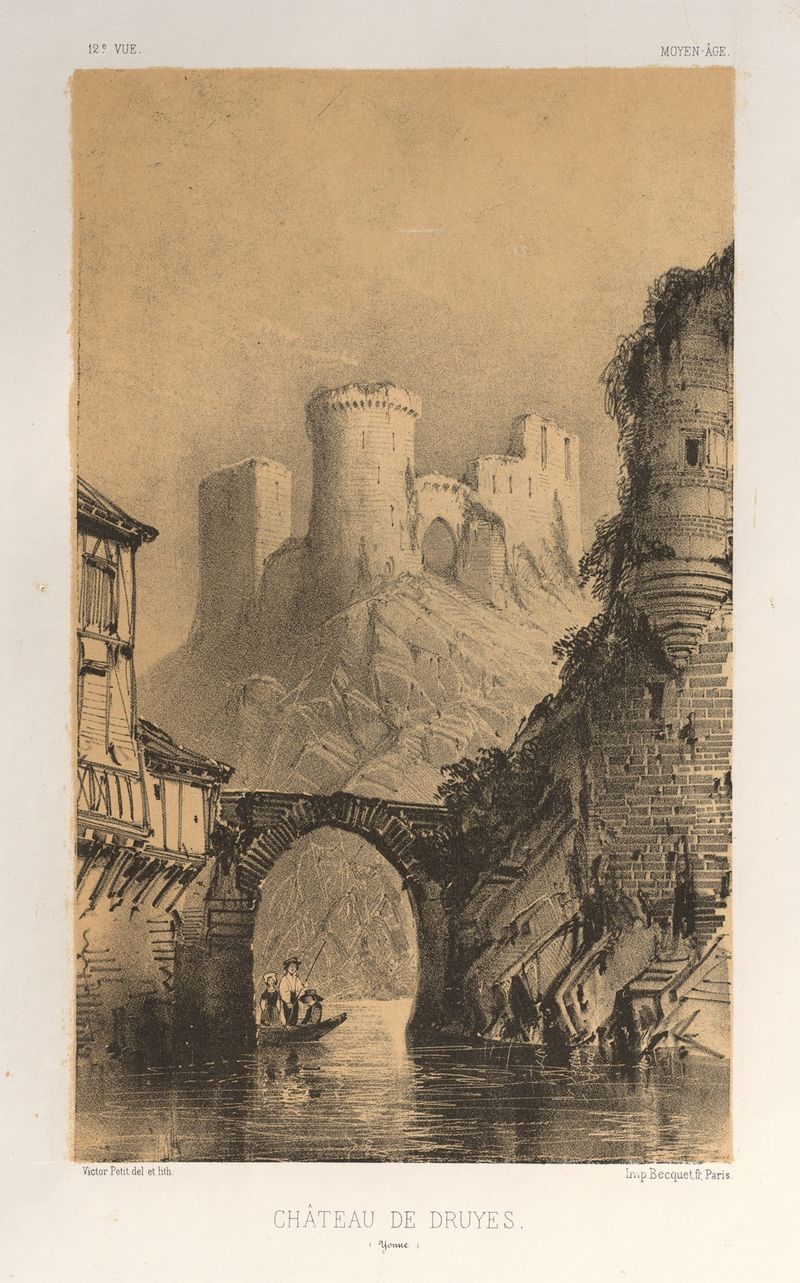
Chateau De Druyes (Yonne)
Victor Petit

Le ChasteLet-Neuf (Corrèze)
Victor Petit





