
Le Plessis-Dumée (Yonne) — History & Facts
Who listens when art speaks of silence? In the stillness of Le Plessis-Dumée (Yonne), solitude takes center stage, whispering the unvoiced narratives of existence. Look to the horizon, where the gentle undulation of the landscape meets the muted sky, a soft gray that envelops the scene in quietude. The trees stand like sentinels, their branches reaching out, yet seemingly unable to connect. Notice how the palette of earth tones—rich browns and muted greens—conveys a sense of melancholy, as if nature itself mourns the absence of vibrancy.
The brushwork is delicate, evoking a sense of softness that invites the viewer to step closer, almost feel the solitude that permeates the air. Within this landscape, contrasts emerge: the lushness of the foliage starkly juxtaposed with the barren stretch of land. This tension illustrates the coexistence of life and desolation; the trees are alive yet isolated, embodying a poignant struggle against loneliness. Each element, from the distant farmhouses to the river that threads through the scene, speaks to the human experience of seeking connection in a world that often feels detached. Created in 1860, Petit painted Le Plessis-Dumée (Yonne) while living in a time of profound change in France, where the transition from rural life to industrialization was beginning to transform landscapes and communities.
His work reflects not only his personal contemplations but also the broader artistic movements of the era, as Romanticism waned and Realism emerged, capturing the essence of human emotion against the backdrop of an evolving society.
More Artworks by Victor Petit
Browse all →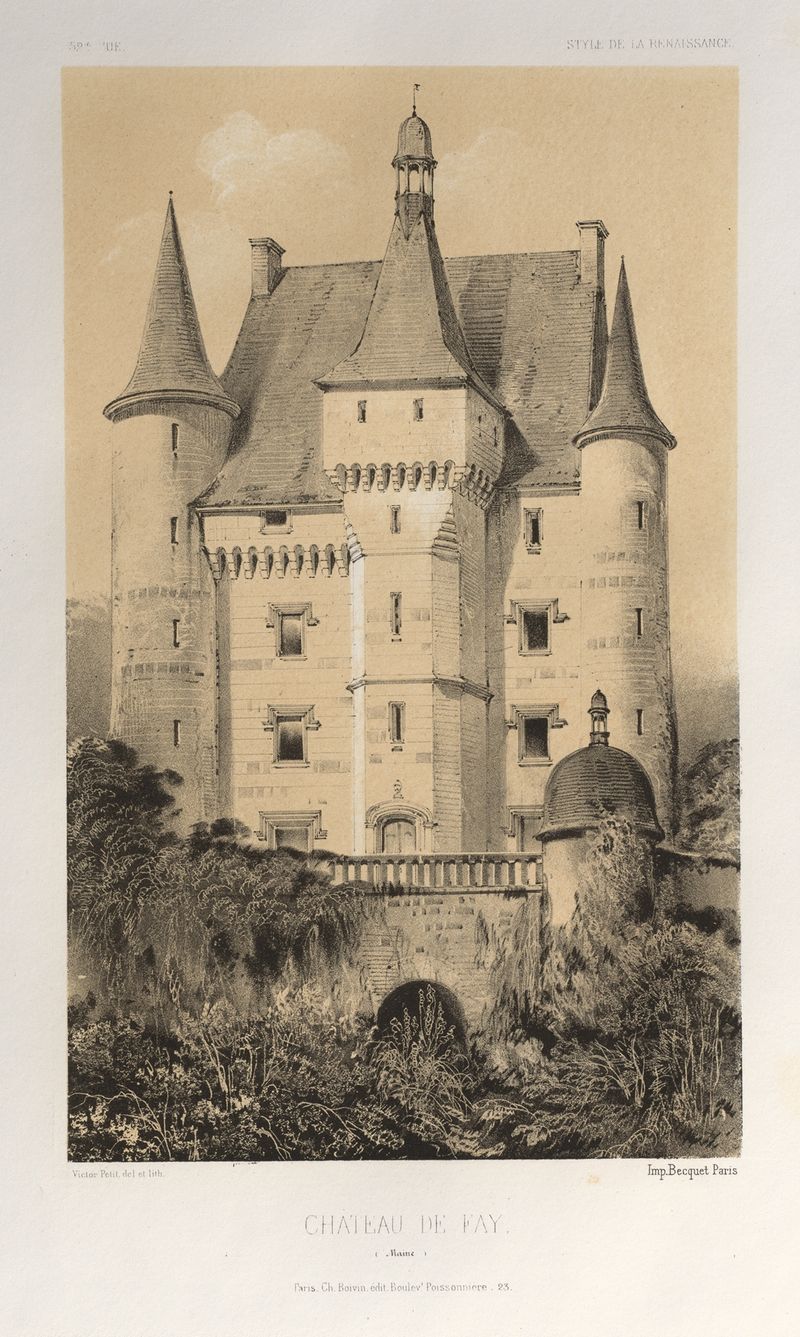
Château De Fay (Maine)
Victor Petit
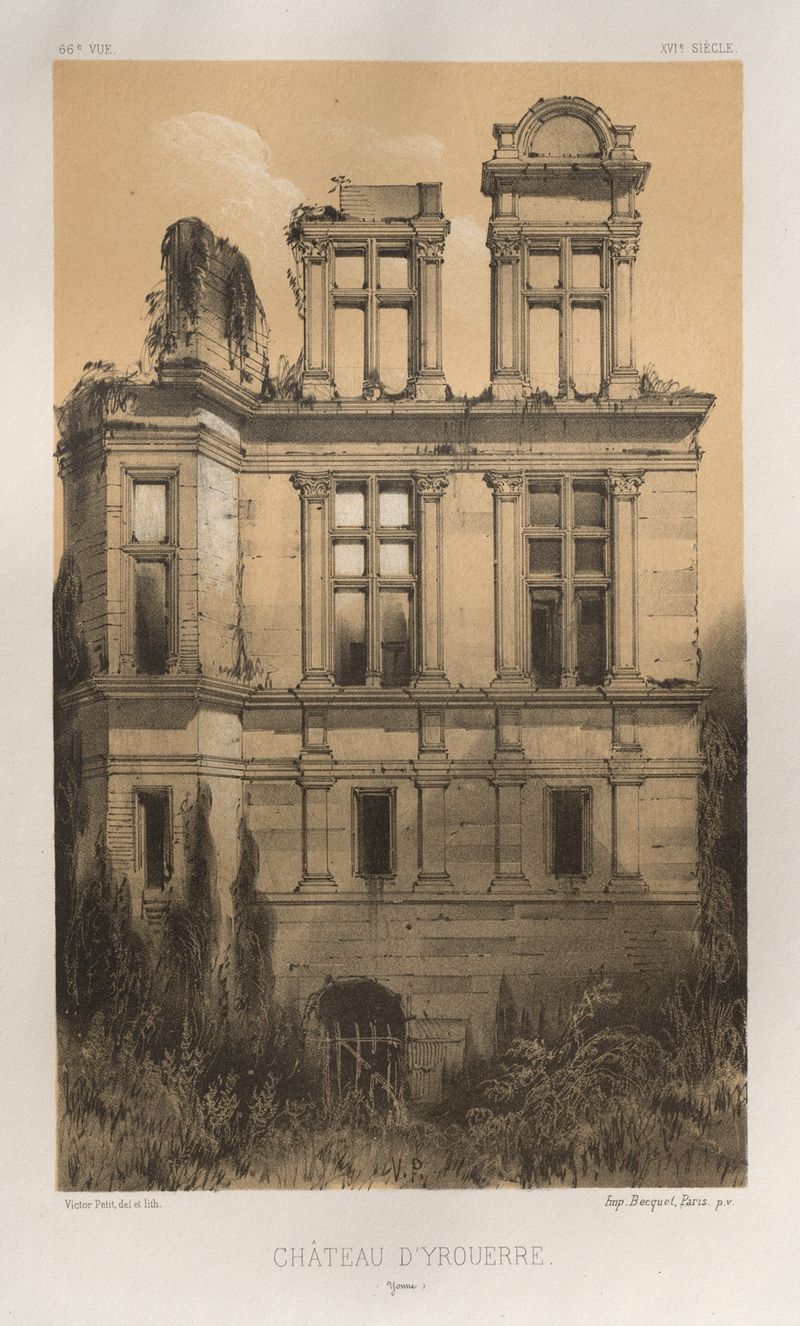
Château D’Yrouerre (Yonne)
Victor Petit
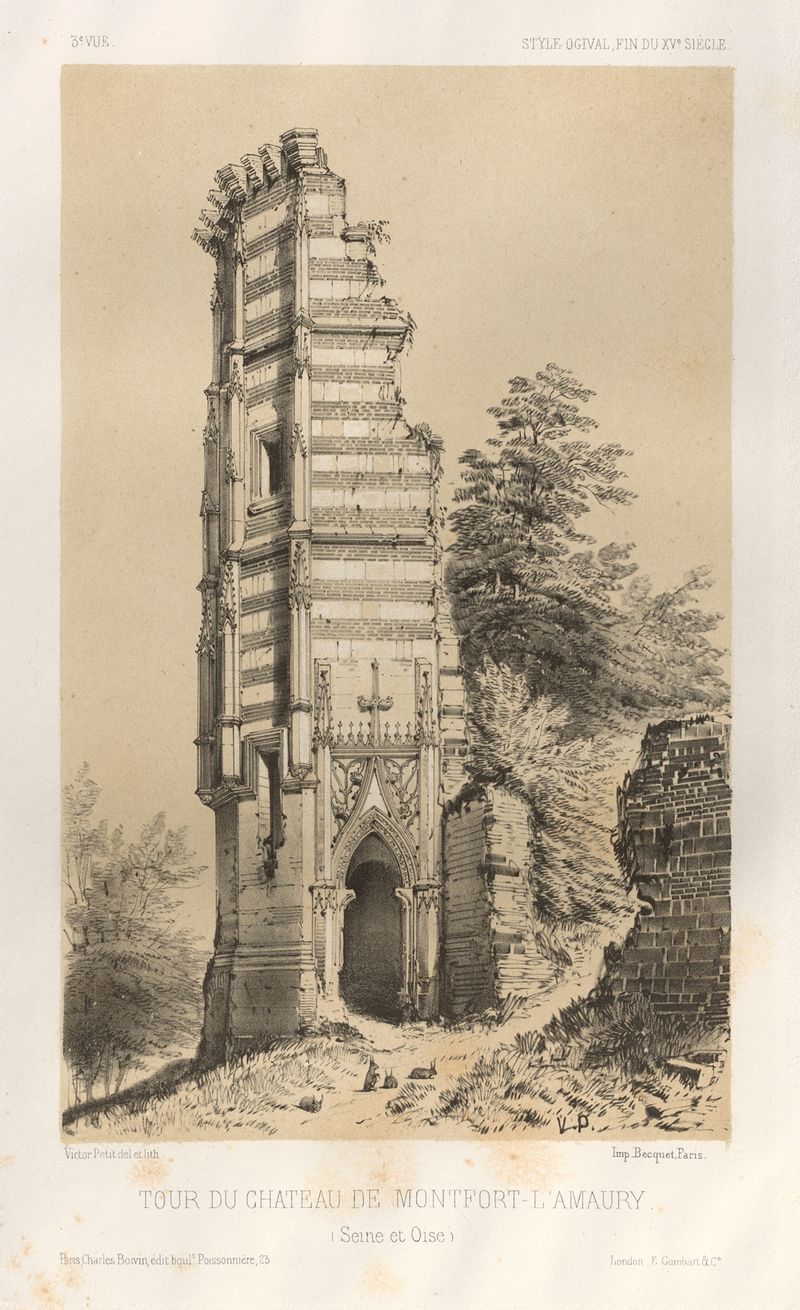
Tour du chateau de Montfort-l’Amaury (Seine-et-Oise)
Victor Petit

Tour Du Port De Marseille (Bouches Du Rhône)
Victor Petit
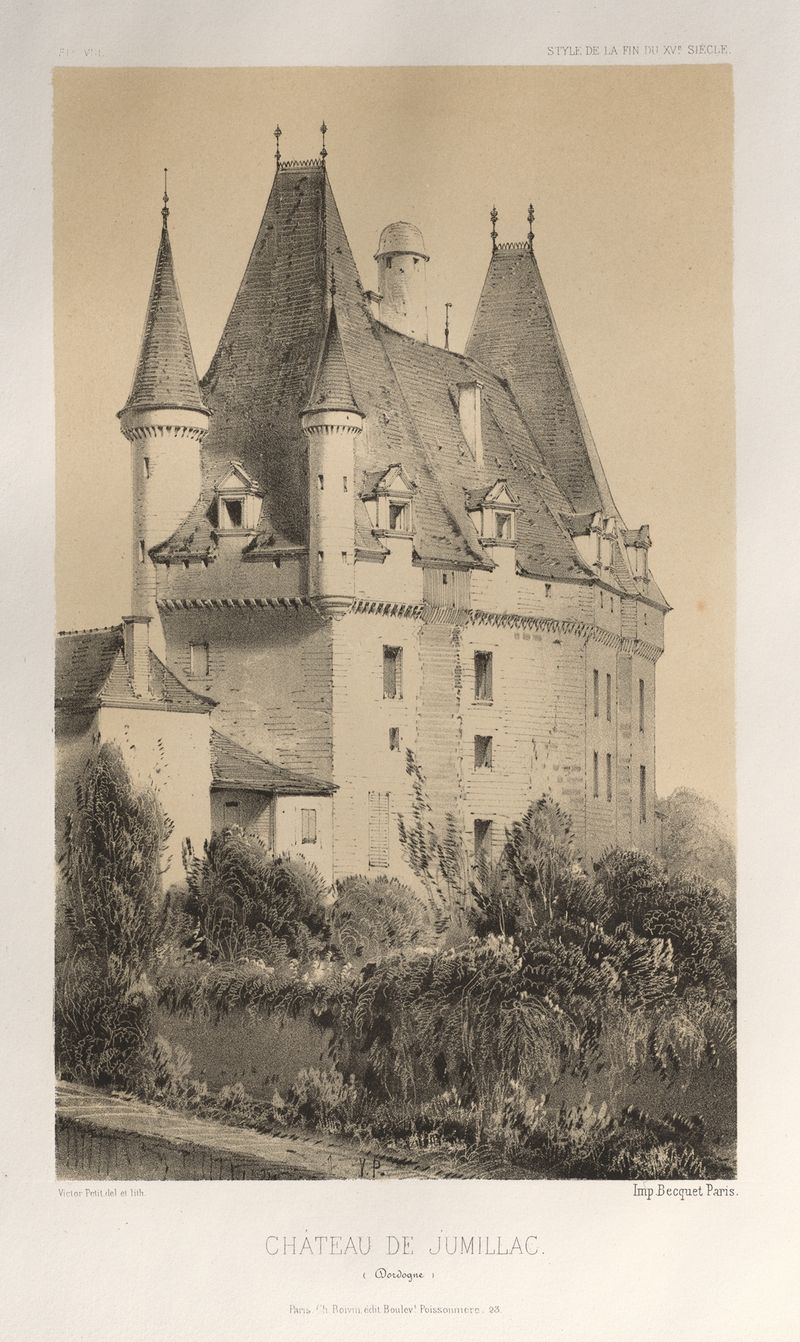
Château De Jumillac (Dordogne)
Victor Petit

Château de Tévray (Eure)
Victor Petit

Galerie Du Château De Jouancy (Saone et Loire)
Victor Petit

Château De Mello (Oise)
Victor Petit
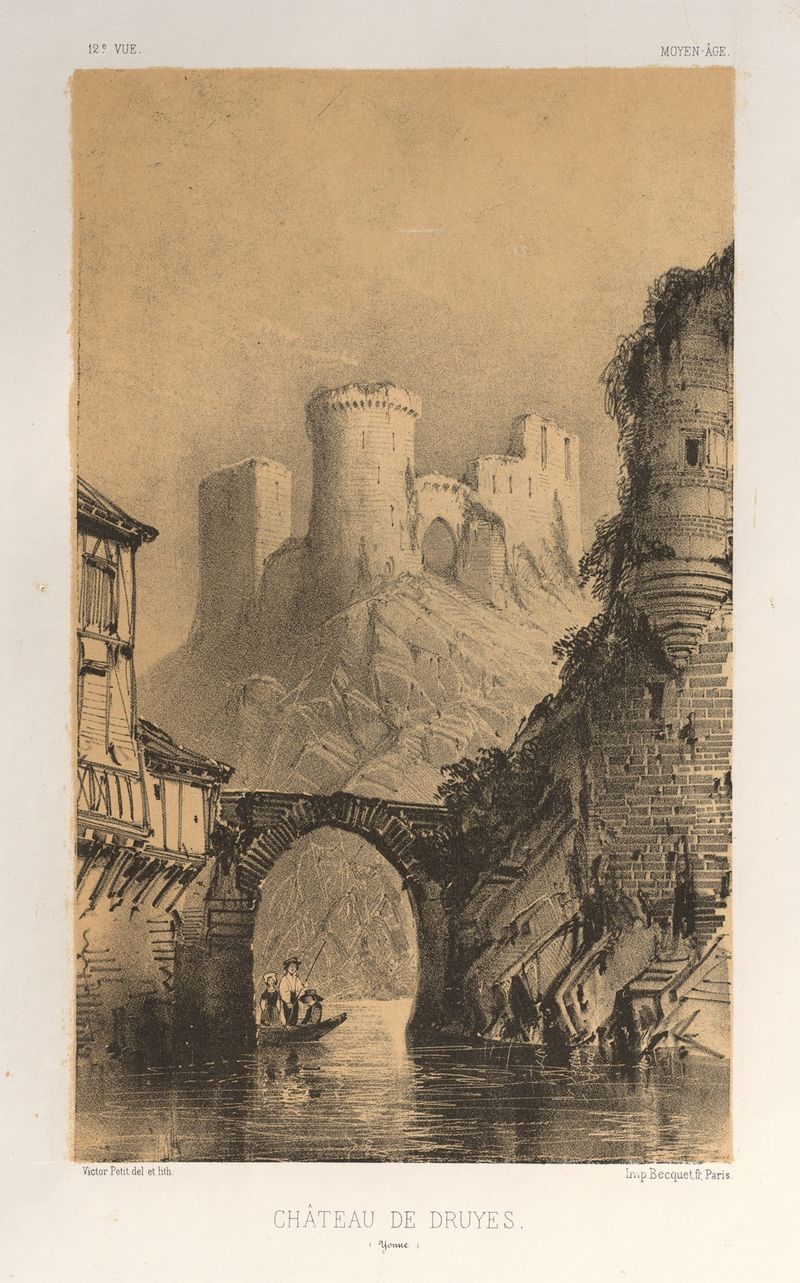
Chateau De Druyes (Yonne)
Victor Petit

Le ChasteLet-Neuf (Corrèze)
Victor Petit





