
Le Pont de St. Maurice — History & Facts
Could beauty survive in a century of chaos? In Le Pont de St. Maurice, the viewer is drawn first to the stark contrast between the rugged, weathered stone of the bridge and the delicate softness of the surrounding landscape. Look to the left where the gentle flow of the river reflects muted hues of blue and green, inviting a sense of tranquility amidst the ruggedness.
Notice how the artist masterfully employs chiaroscuro, with light casting shadows that enhance the textures of the bridge, almost whispering stories of its ancient past. The palette is both grounded and ethereal, with earthy tones that coexist harmoniously with splashes of vibrant foliage. Delve deeper into the painting's layers, and you uncover a narrative of decay and resilience. The bridge, a symbol of connection and passage, stands testament to the passage of time, its stones worn and chipped yet still steadfast.
The encroaching vegetation hints at nature’s reclamation of the space – a reminder of the impermanence of human endeavors. There’s a lingering tension between the manmade structure and the natural world, suggesting that while structures may succumb to decay, beauty persists in the delicate balance of life. Gabriel Lory the Younger created this work in 1811 while living in Switzerland, a country caught between the tumult of the Napoleonic Wars and the rise of Romanticism. This period was marked by a fascination with nature and an exploration of emotional depth in art.
Lory, influenced by this cultural shift, sought to capture not only the physical beauty of landscapes but also the underlying narratives of history and time. In Le Pont de St. Maurice, he encapsulates a moment that speaks to both the fragility and resilience of beauty in a world shaped by chaos.
More Artworks by Gabriel Lory the Younger
Browse all →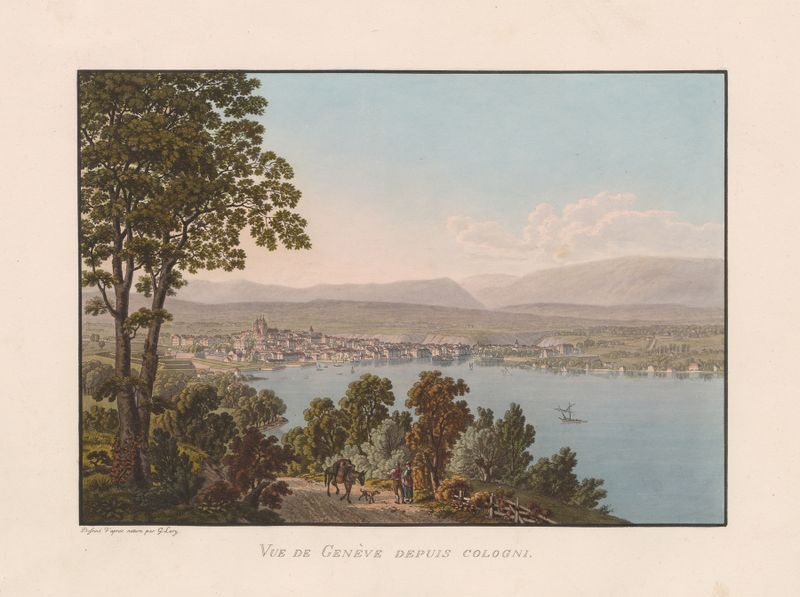
Vue de Genève depuis Cologni
Gabriel Lory the Younger
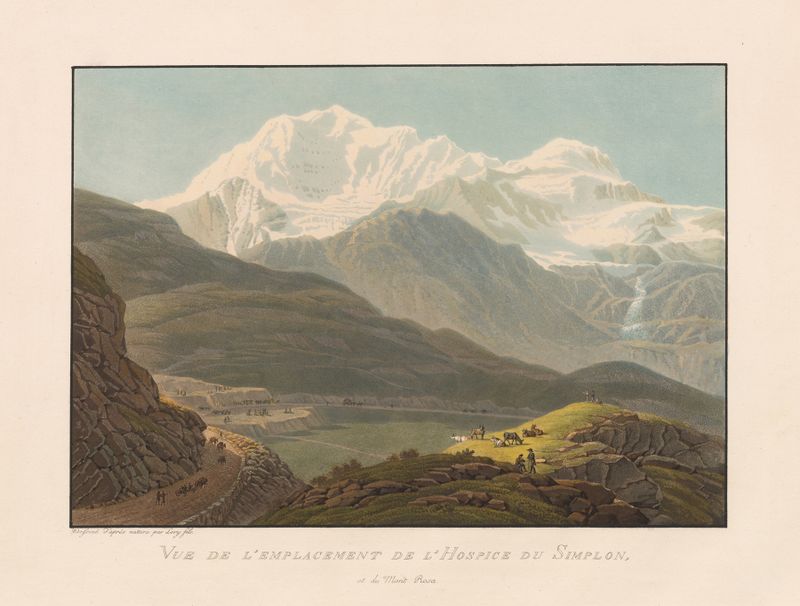
Vue de l’emplacement de l’Hospice du Simplon, et du Mont Rosa
Gabriel Lory the Younger
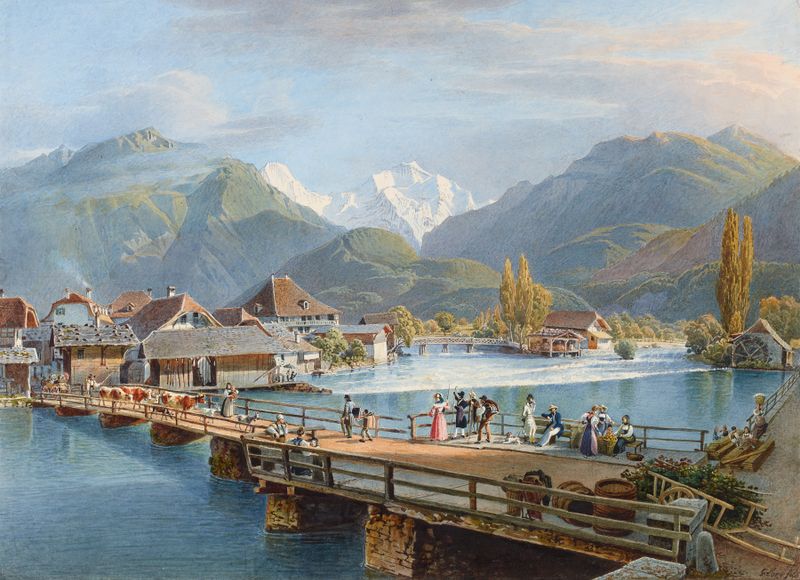
Unterseen mit Blick auf die Jungfrau
Gabriel Lory the Younger
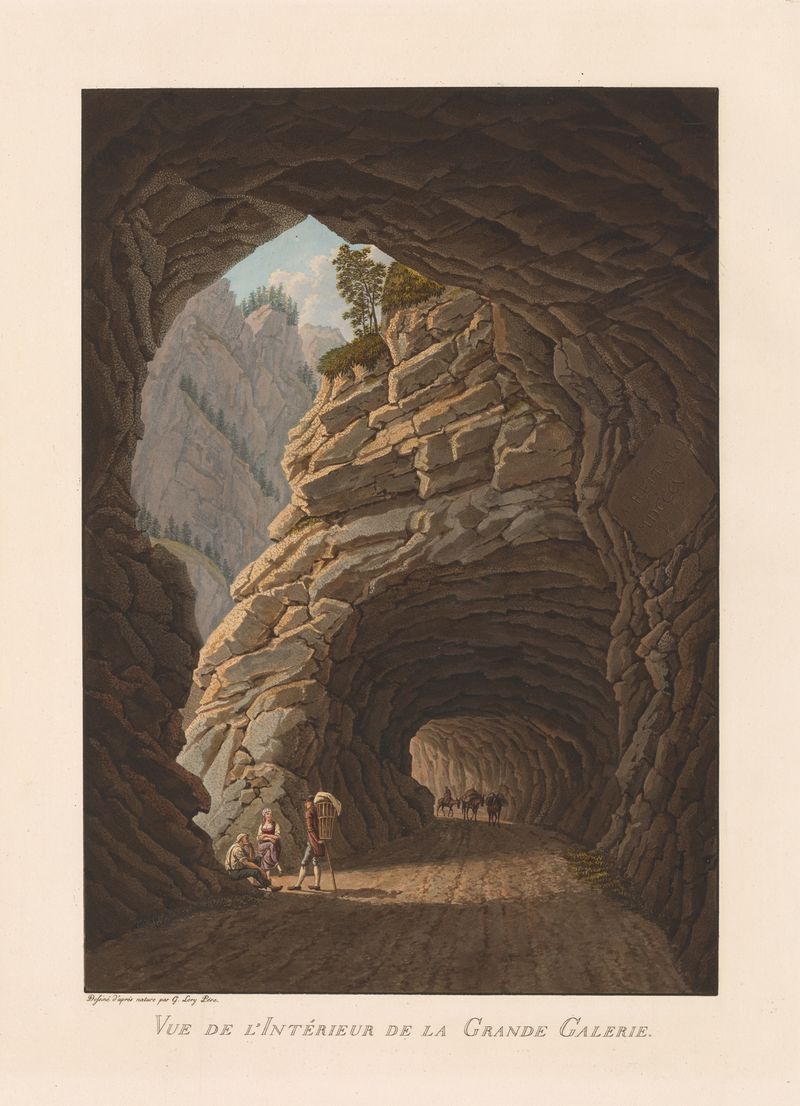
Vue de l’intérieur de la Grande Galerie
Gabriel Lory the Younger
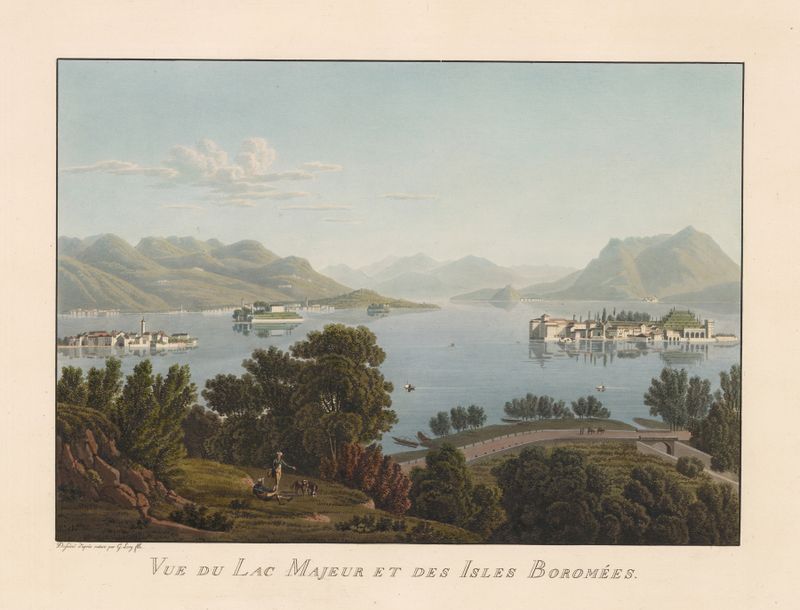
Vue du Lac Majeur et des Isles Boromées
Gabriel Lory the Younger
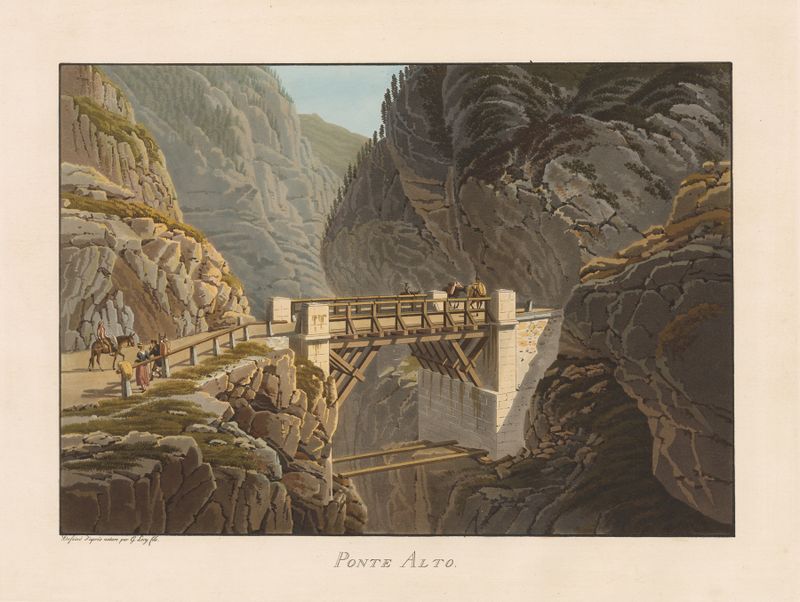
Ponte Alto
Gabriel Lory the Younger
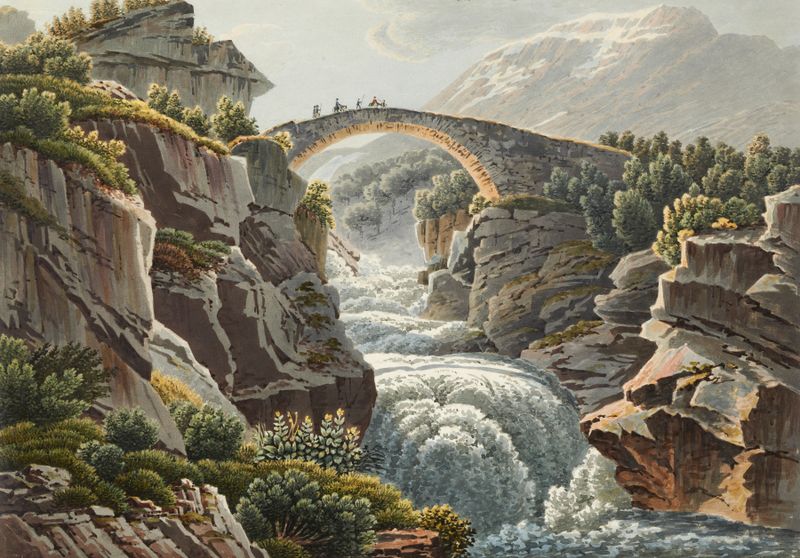
Pont sur l’Aar au passage du Grimsel
Gabriel Lory the Younger
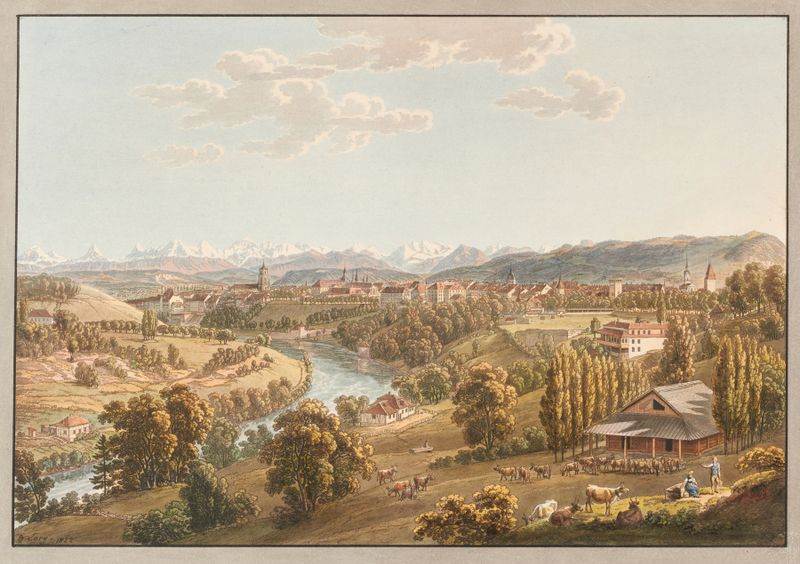
Vue de la ville de Berne
Gabriel Lory the Younger
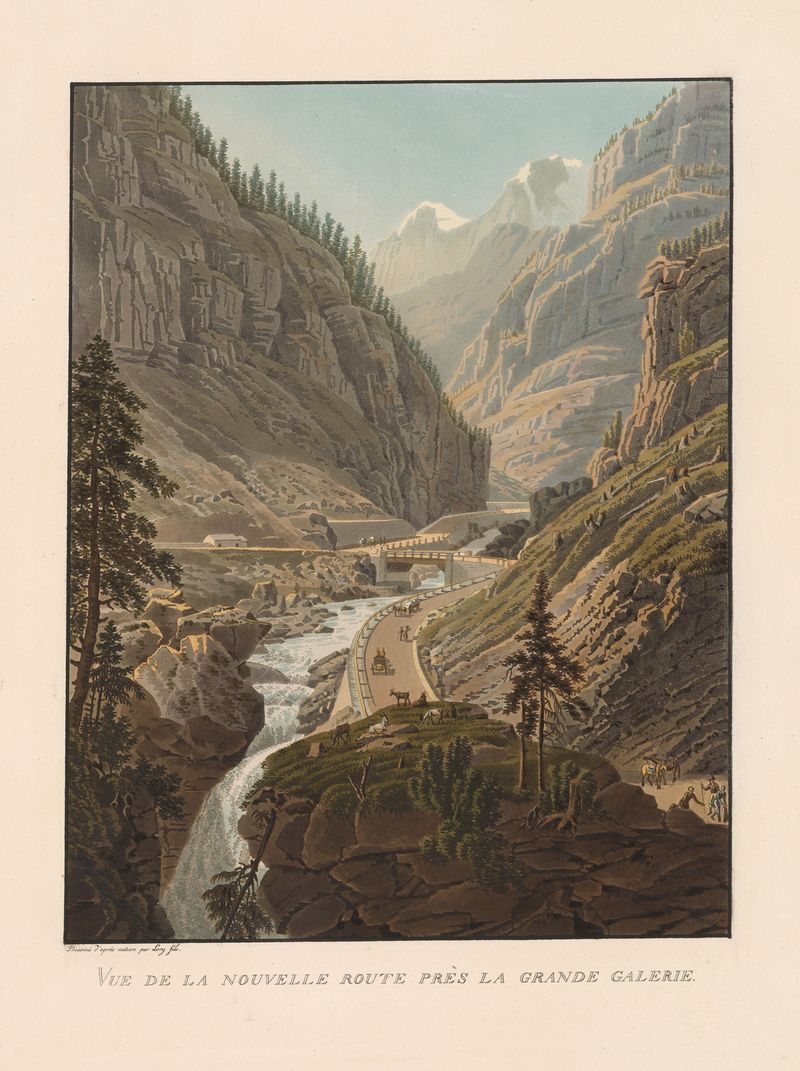
Vue de la nouvelle route près la Grande Galerie
Gabriel Lory the Younger
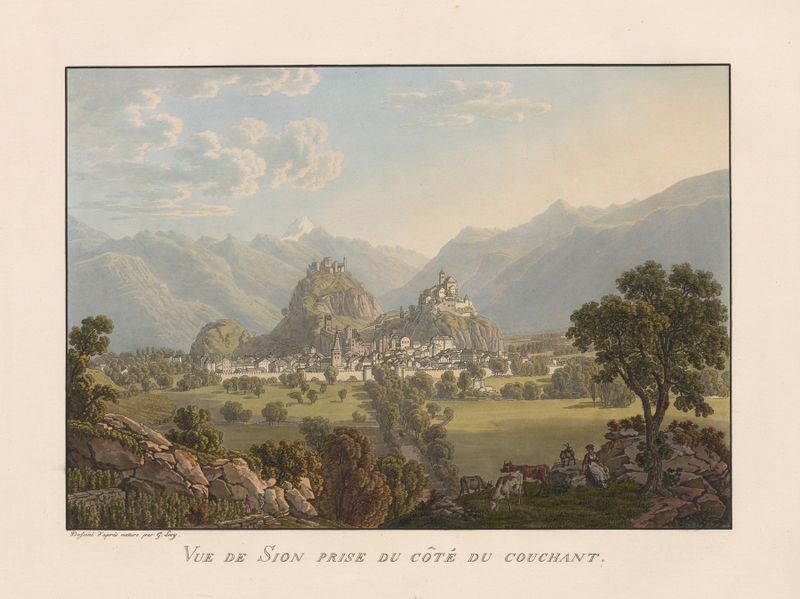
Vue de Sion prise du Côté du Couchant
Gabriel Lory the Younger





