
Vue de Genève depuis Cologni — History & Facts
Can paint confess what words never could? In Vue de Genève depuis Cologni, the essence of creation bursts forth, revealing a landscape that speaks of beauty and tranquility, inviting contemplation of the sublime. Look to the horizon where the soft blues of Lake Geneva meet the delicate strokes of the distant Alps. The composition leads the eye from the foreground, lush with verdant greenery, to the serene waters, shimmering under a gentle sun. Notice how Lory employs a palette of pastel colors, blending greens and blues with soft whites, creating an atmosphere of harmony and peace.
Each brushstroke reveals both precision and a tender affection for the subject, drawing us into an idyllic moment suspended in time. Yet, beneath the serene surface lies a contemplation of transient beauty. The vibrant life depicted in the foreground contrasts with the distant mountains, often associated with permanence. This interplay suggests a dialogue between the fleeting nature of human experience and the steadfastness of the natural world.
The scattered clouds reflect the light, acting as symbols of change—reminding us of the temporality of both life and art. Each element in the painting holds significance, embodying the artist's deep connection to the landscape of his homeland. In 1811, Gabriel Lory the Younger was painting in Switzerland, amidst a burgeoning Romantic movement. He was influenced by the picturesque beauty of his surroundings and the evolving appreciation for the natural world in art.
This period marked a shift toward expressing emotion and personal experience through landscapes, allowing Lory to capture not just a view, but a profound sense of place and identity, laying the groundwork for future explorers of light and nature.
More Artworks by Gabriel Lory the Younger
Browse all →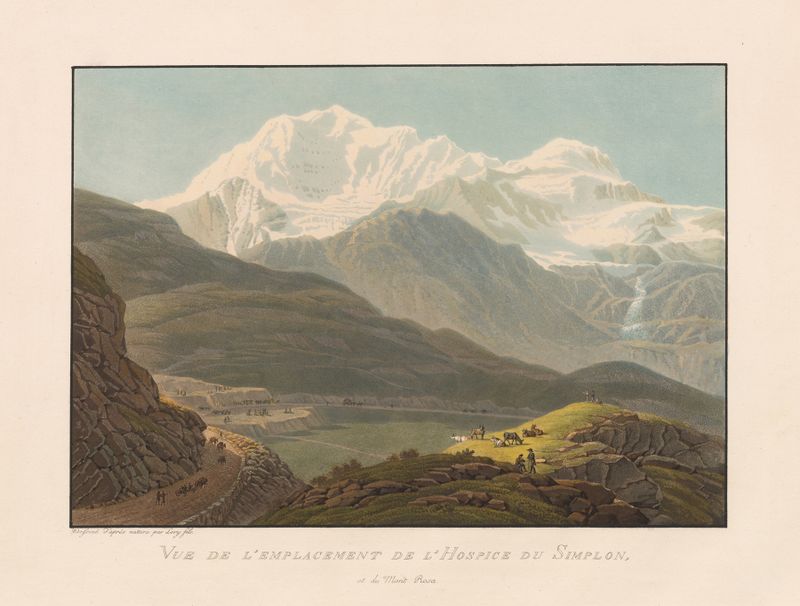
Vue de l’emplacement de l’Hospice du Simplon, et du Mont Rosa
Gabriel Lory the Younger
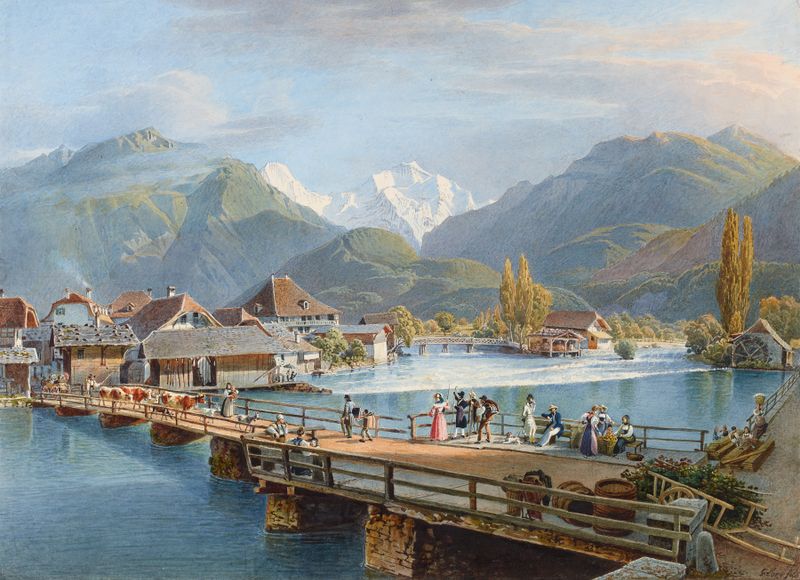
Unterseen mit Blick auf die Jungfrau
Gabriel Lory the Younger
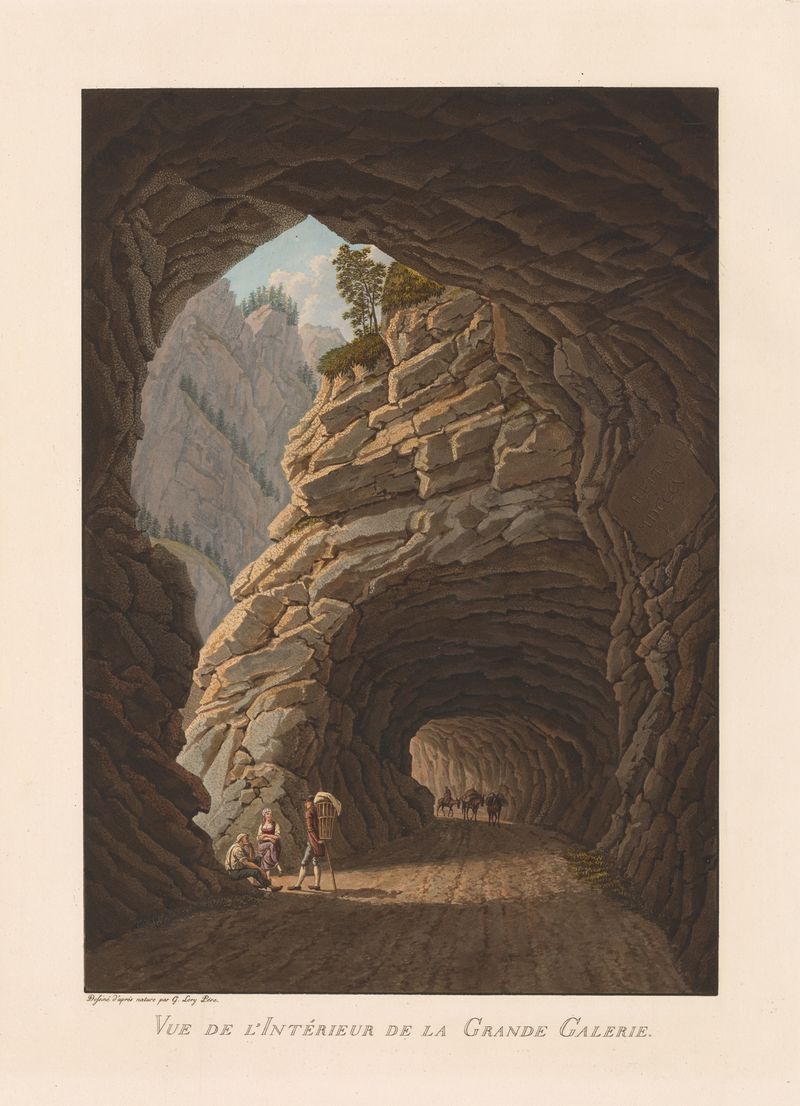
Vue de l’intérieur de la Grande Galerie
Gabriel Lory the Younger
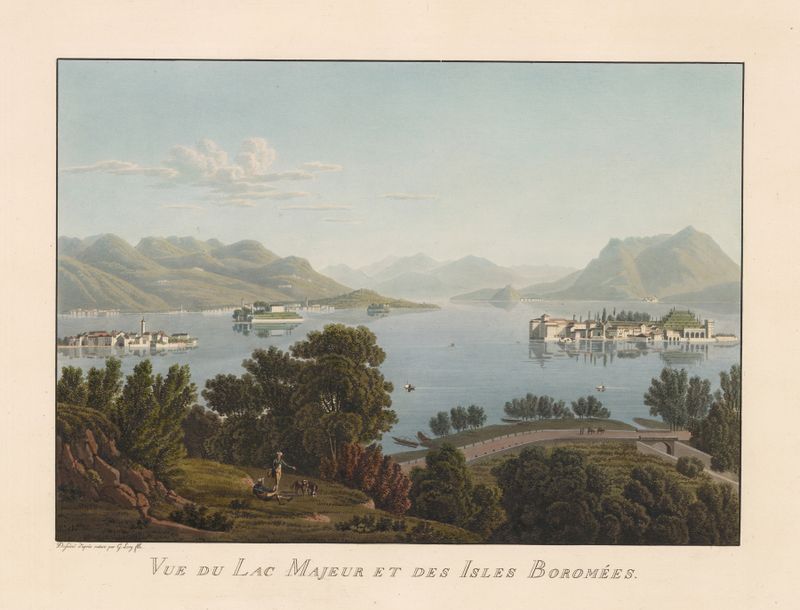
Vue du Lac Majeur et des Isles Boromées
Gabriel Lory the Younger
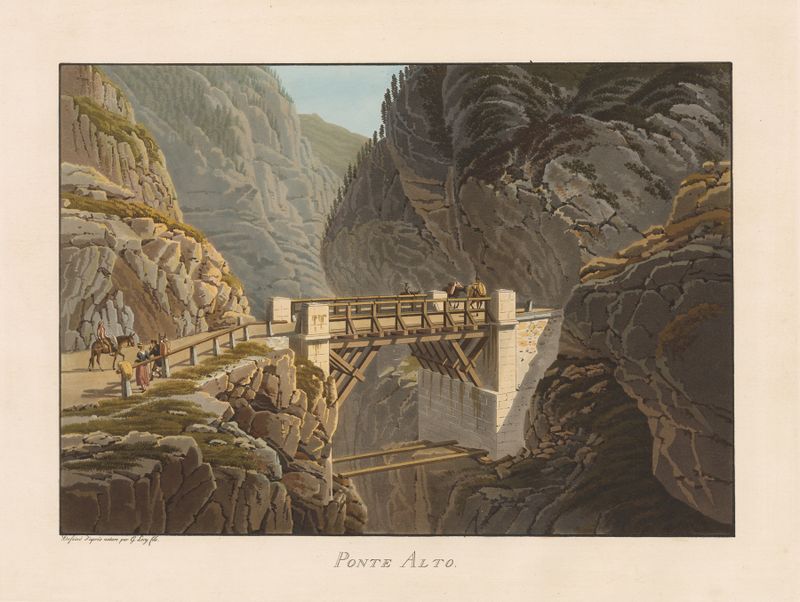
Ponte Alto
Gabriel Lory the Younger
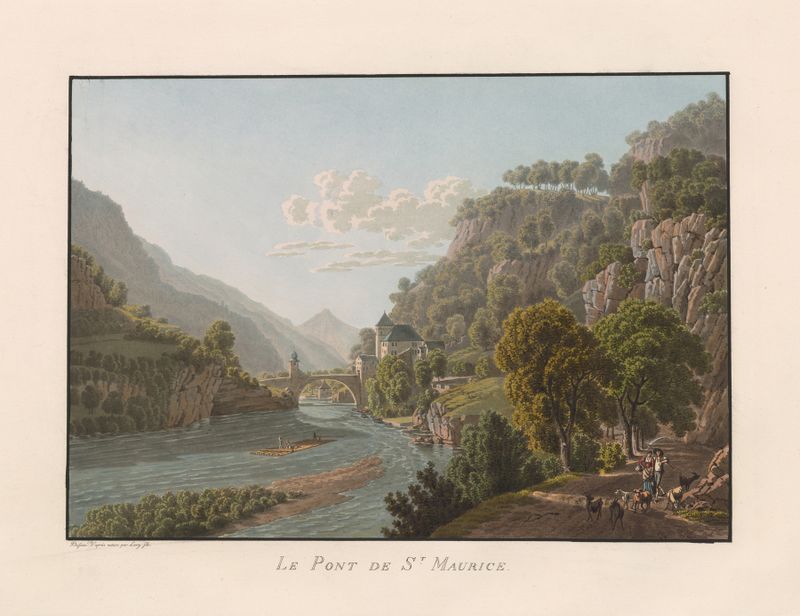
Le Pont de St. Maurice
Gabriel Lory the Younger
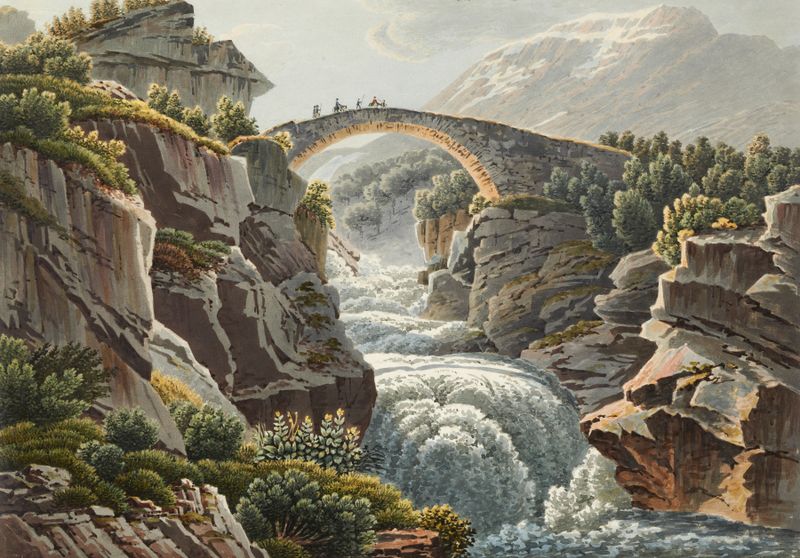
Pont sur l’Aar au passage du Grimsel
Gabriel Lory the Younger
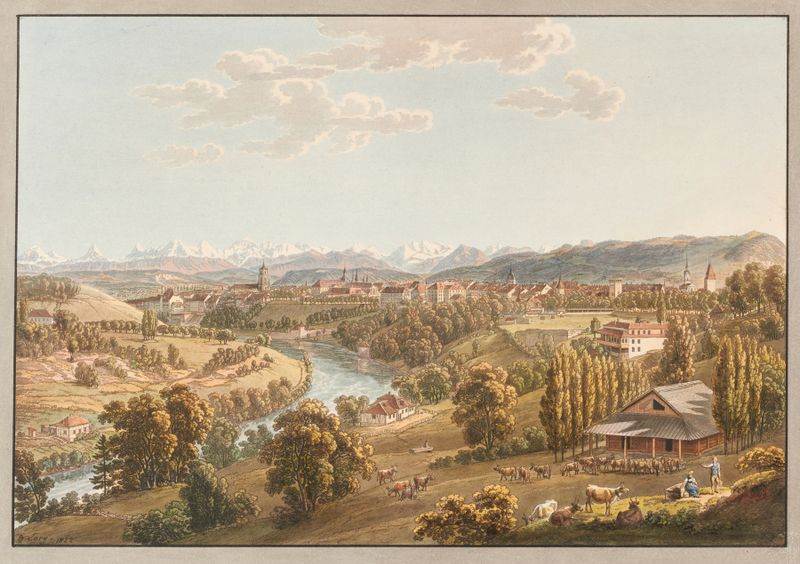
Vue de la ville de Berne
Gabriel Lory the Younger
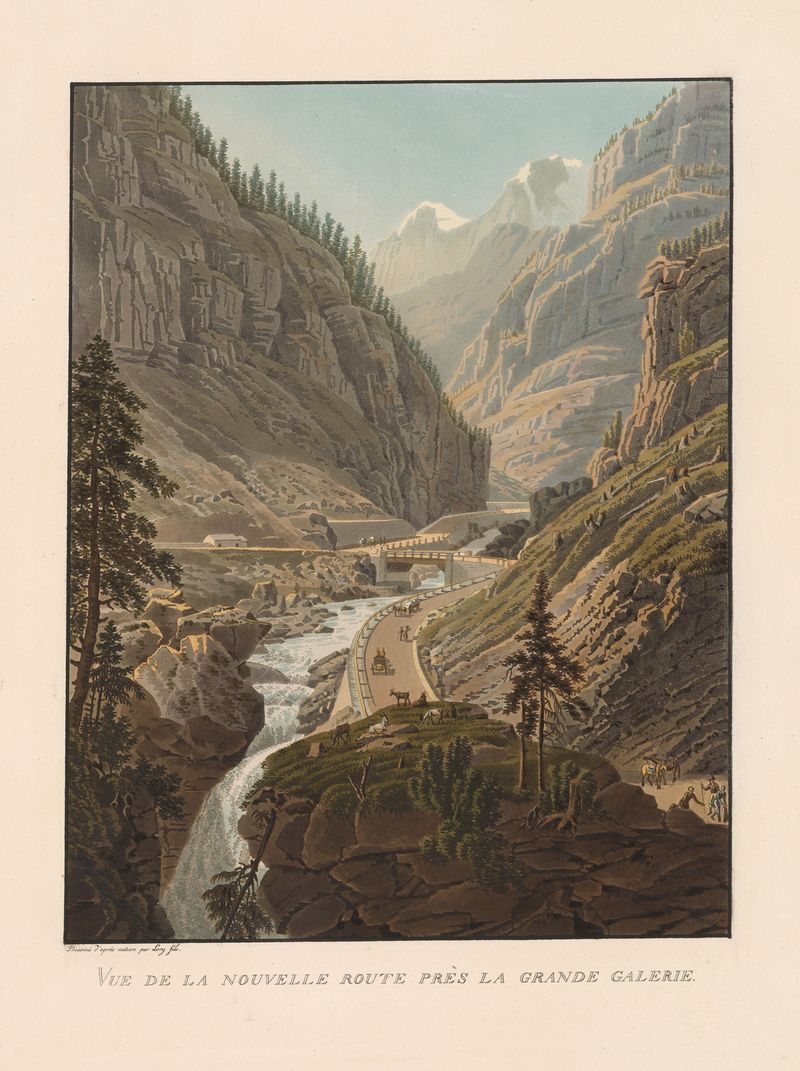
Vue de la nouvelle route près la Grande Galerie
Gabriel Lory the Younger
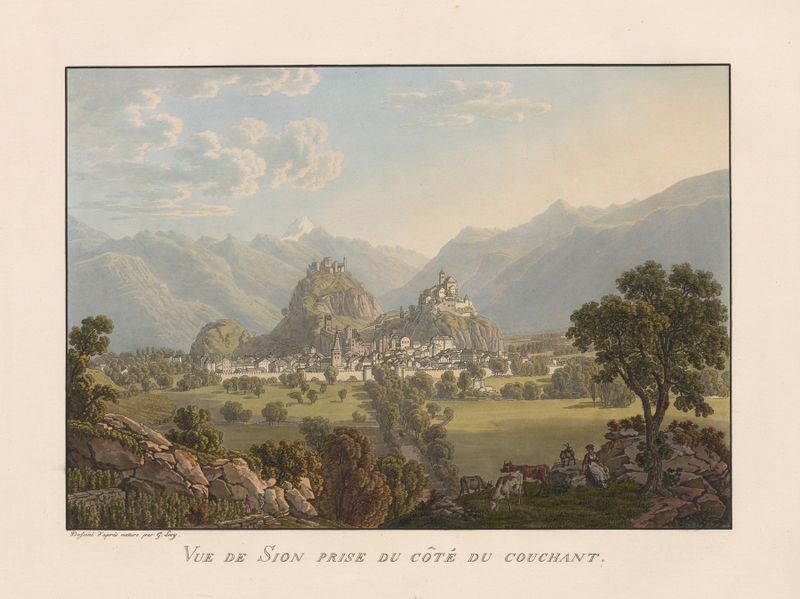
Vue de Sion prise du Côté du Couchant
Gabriel Lory the Younger





