
Vue du Lac Majeur et des Isles Boromées — History & Facts
Can paint confess what words never could? In the quiet serenity of Vue du Lac Majeur et des Isles Boromées, a sense of destiny unfolds upon the canvas, inviting viewers to ponder their place within the larger tapestry of nature. Look to the foreground where the gentle ripples of the lake are painted with delicate brushstrokes, reflecting the soft hues of twilight. The mountains rise majestically in the background, their peaks kissed by the last light of day. Notice how the lush greenery frames the water, guiding the eye upward towards the islands that seem almost suspended in time.
The harmonious palette of blues, greens, and soft earth tones evokes a peacefulness that draws you into the moment, while the careful play of light and shadow creates a sense of depth that renders the scene almost three-dimensional. Beyond its beauty lies a deeper narrative. The juxtaposition between the tranquil water and the looming mountains suggests a tension between serenity and the indomitable forces of nature. Each island, with its own unique silhouette, represents the dreams and aspirations that float just beyond reach, hinting at the journeys that lie ahead.
This landscape whispers of destiny, as if it holds secrets of those who once roamed its shores, forever intertwined with the passage of time. In 1811, Gabriel Lory the Younger painted this piece while residing in Switzerland, influenced by the Romantic movement’s emphasis on nature and emotion. This was a time when artists began to explore the interplay between man and the natural world, seeking to express profound feelings through their work. Lory’s focus on the sublime beauty of landscapes reflected not only his personal experience but also the broader artistic currents that shaped his era, bridging the gap between reality and emotion.
More Artworks by Gabriel Lory the Younger
Browse all →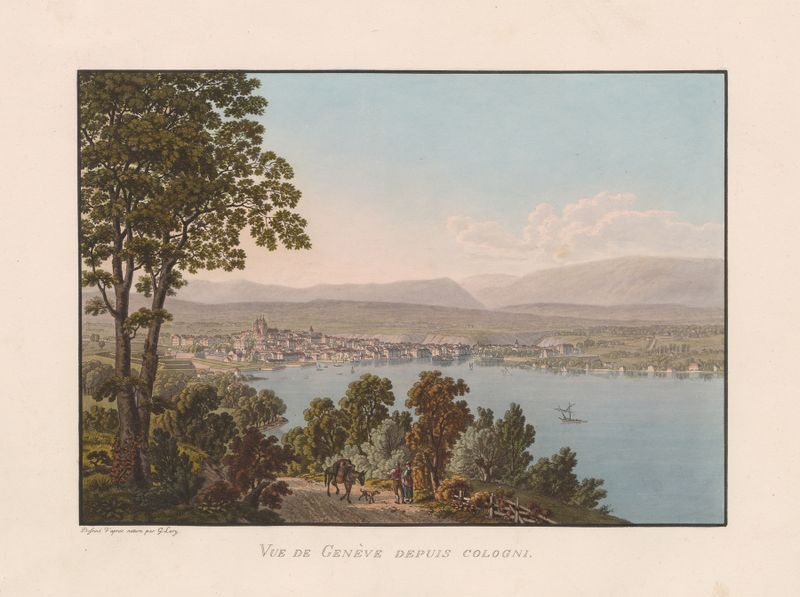
Vue de Genève depuis Cologni
Gabriel Lory the Younger
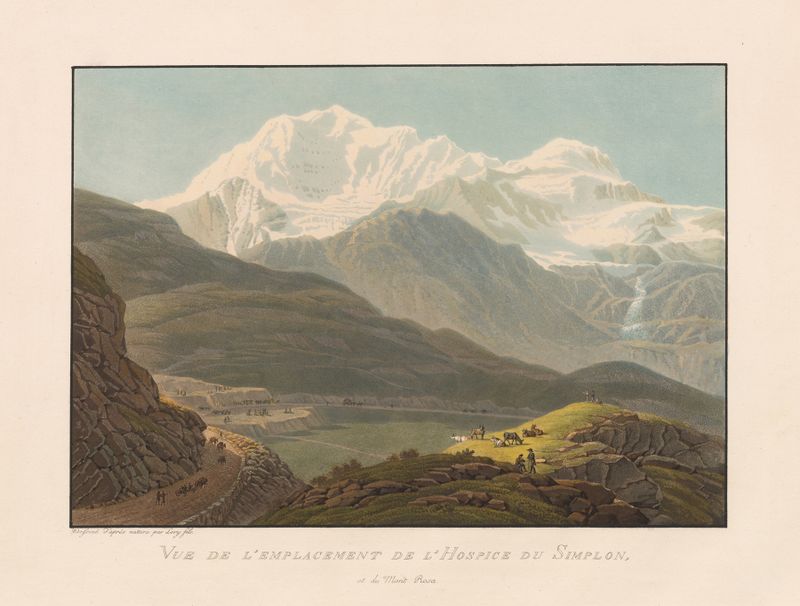
Vue de l’emplacement de l’Hospice du Simplon, et du Mont Rosa
Gabriel Lory the Younger
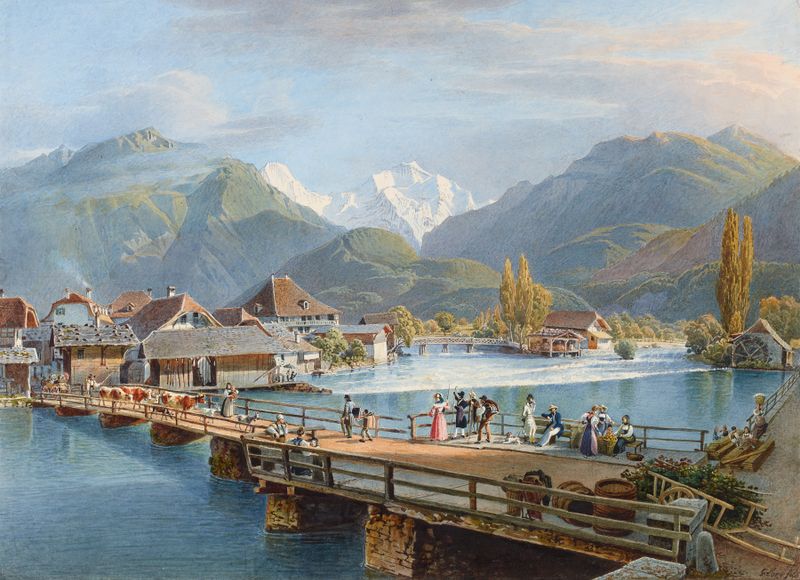
Unterseen mit Blick auf die Jungfrau
Gabriel Lory the Younger
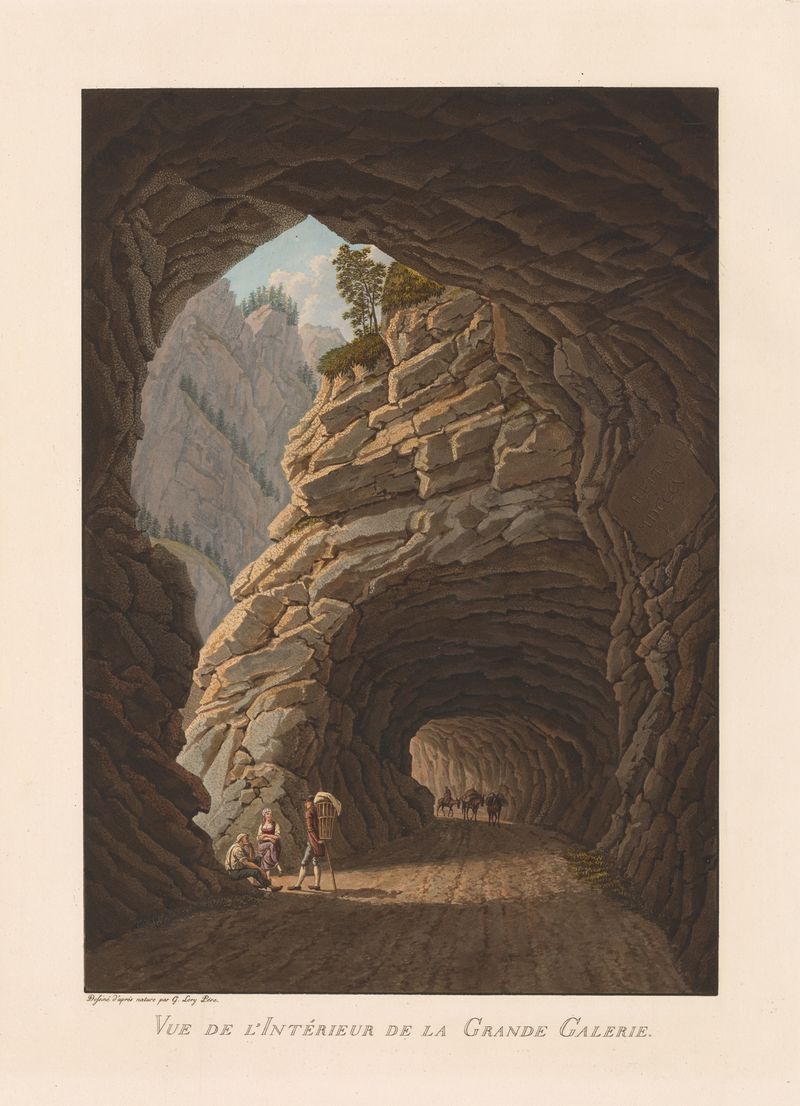
Vue de l’intérieur de la Grande Galerie
Gabriel Lory the Younger
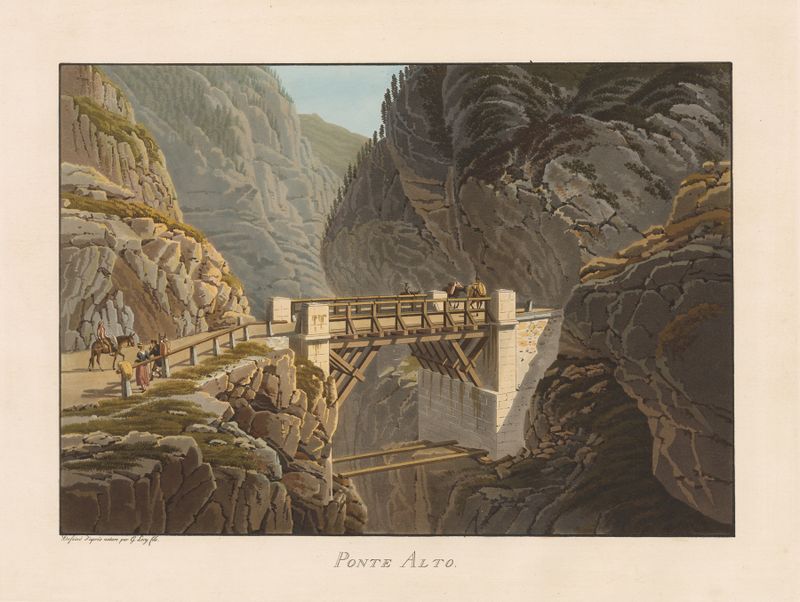
Ponte Alto
Gabriel Lory the Younger
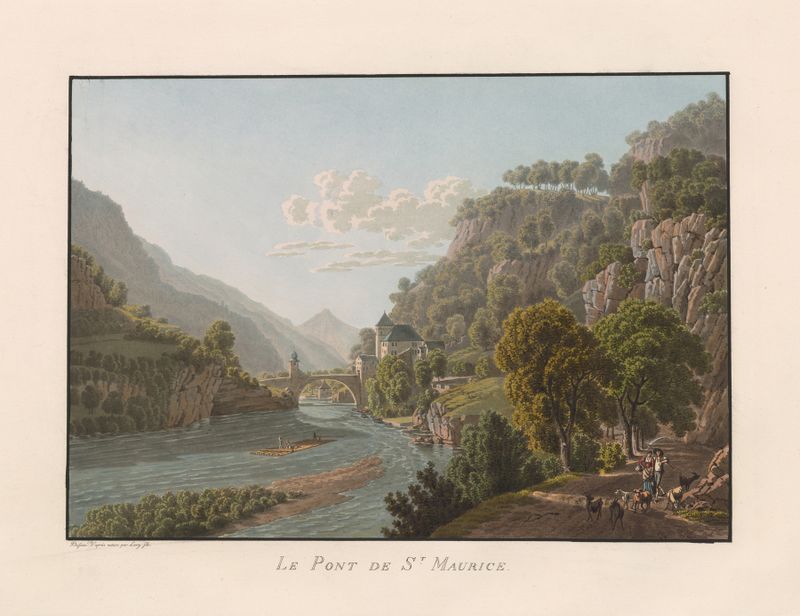
Le Pont de St. Maurice
Gabriel Lory the Younger
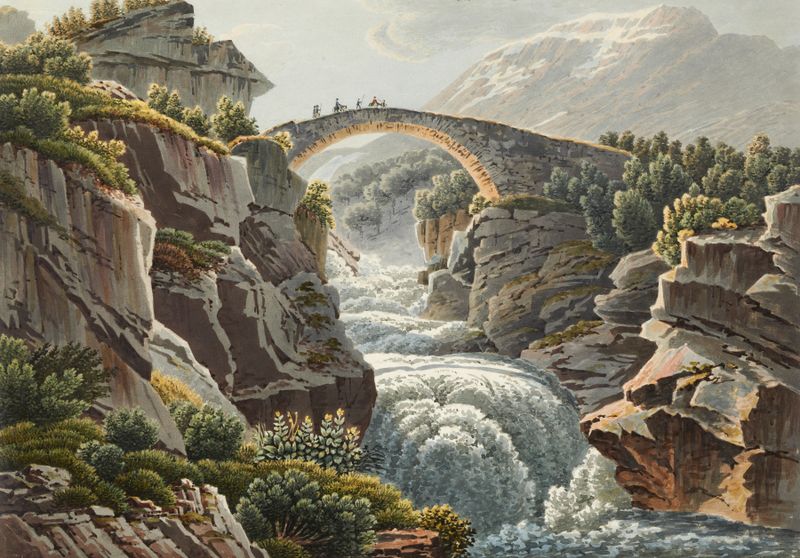
Pont sur l’Aar au passage du Grimsel
Gabriel Lory the Younger
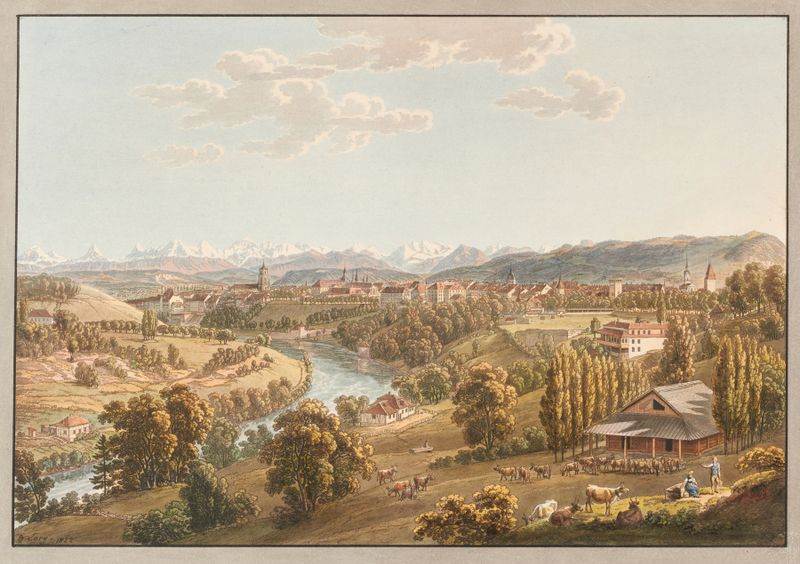
Vue de la ville de Berne
Gabriel Lory the Younger
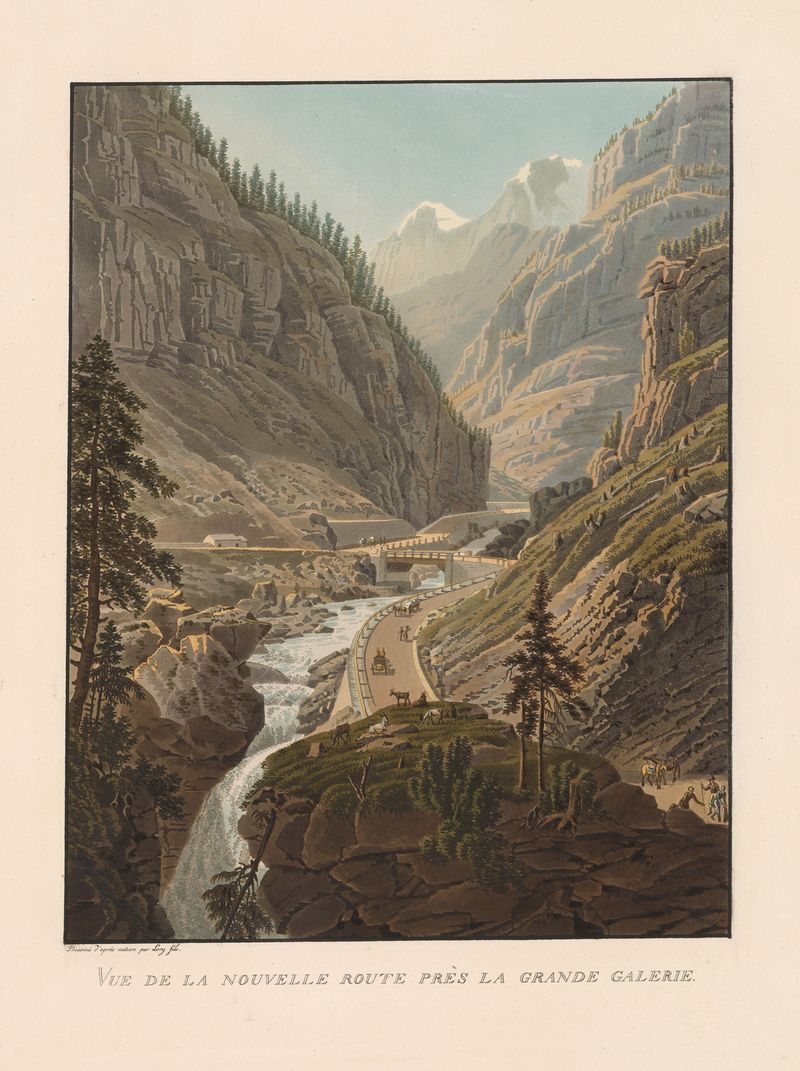
Vue de la nouvelle route près la Grande Galerie
Gabriel Lory the Younger
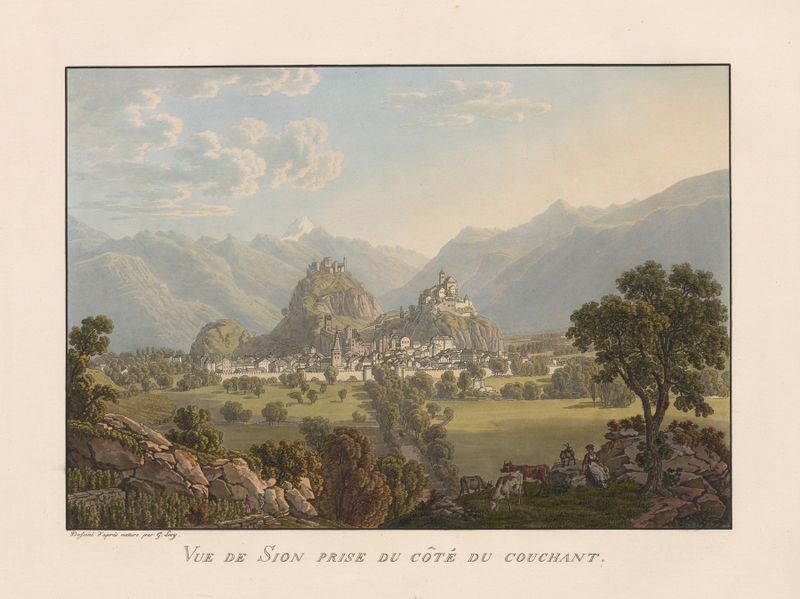
Vue de Sion prise du Côté du Couchant
Gabriel Lory the Younger





