
Vue de la ville de Berne — History & Facts
Can beauty exist without sorrow? In Vue de la ville de Berne, a poignant exploration of longing unfolds through the serene yet melancholic depiction of the Swiss city framed by the Alps. Look to the foreground, where delicate brushstrokes define the soft contours of Berne’s architecture. The buildings rise gracefully, their muted colors harmonizing with the surrounding landscape. Notice how the cool, shadowed blues contrast with warm sunlight dancing on the rooftops, capturing the transitional moment of dusk.
This interplay of light and shadow invites the viewer to experience the quiet stillness that envelops the scene, as if time has paused to reflect. Delve deeper into the painting, and you will uncover layers of emotional tension. The distant mountains loom, majestic yet isolating, embodying the yearning for connection that lingers in the air. The sparse human presence—perhaps a solitary figure in the distance—enhances the sense of solitude, evoking a bittersweet nostalgia for moments lost.
Each element, from the wispy clouds to the tranquil waters below, contributes to an atmosphere imbued with an almost palpable longing for what is beyond reach. During the years between 1915 and 1945, Gabriel Lory the Younger painted Vue de la ville de Berne amid profound global changes. As Europe grappled with the aftermath of war and the shifting dynamics of modernity, Lory sought solace in the beauty of his homeland. Working in a time when traditional art forms faced the challenge of emerging avant-garde movements, he remained steadfast in capturing the essence of landscapes, revealing the rich interplay of emotions that define the human experience.
More Artworks by Gabriel Lory the Younger
Browse all →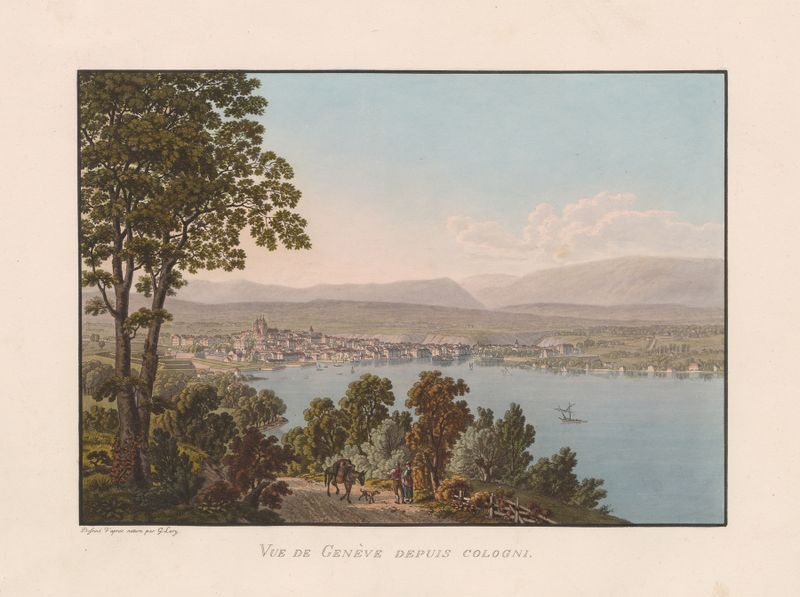
Vue de Genève depuis Cologni
Gabriel Lory the Younger
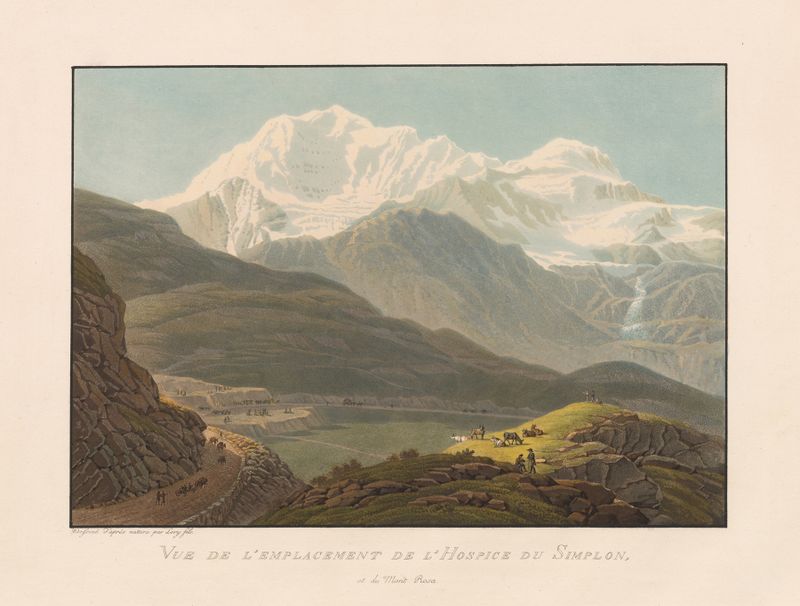
Vue de l’emplacement de l’Hospice du Simplon, et du Mont Rosa
Gabriel Lory the Younger
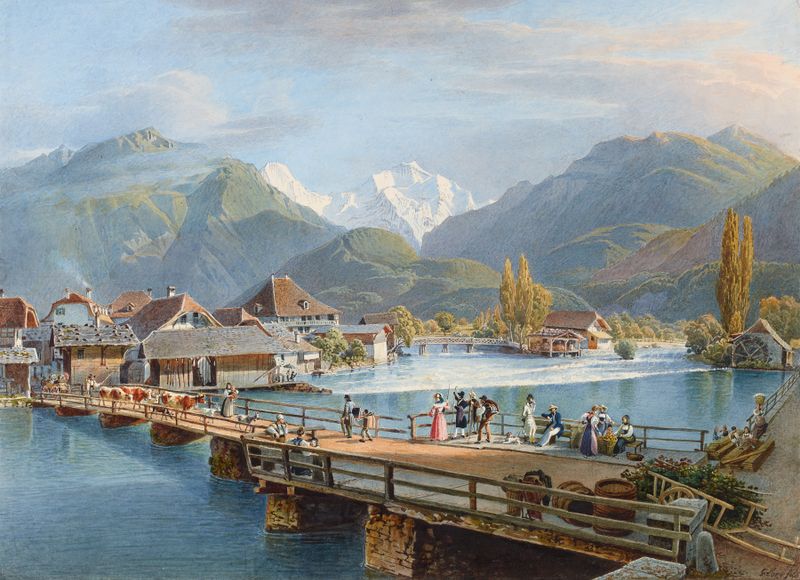
Unterseen mit Blick auf die Jungfrau
Gabriel Lory the Younger
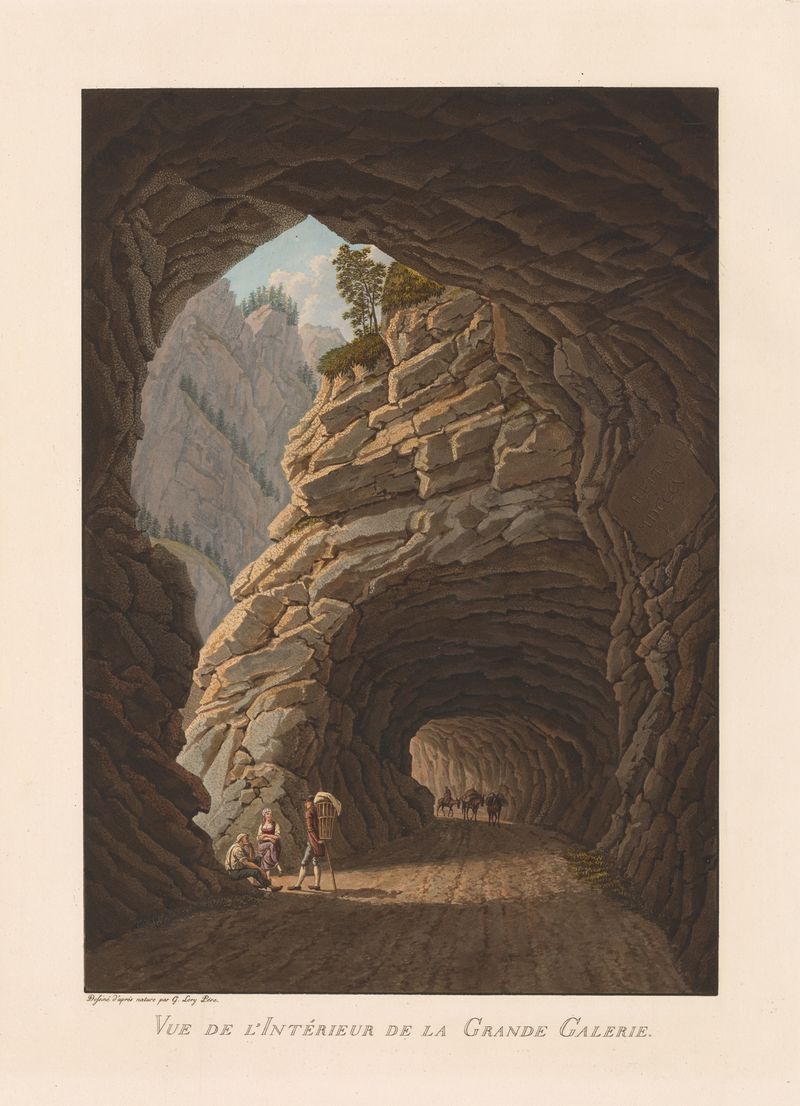
Vue de l’intérieur de la Grande Galerie
Gabriel Lory the Younger
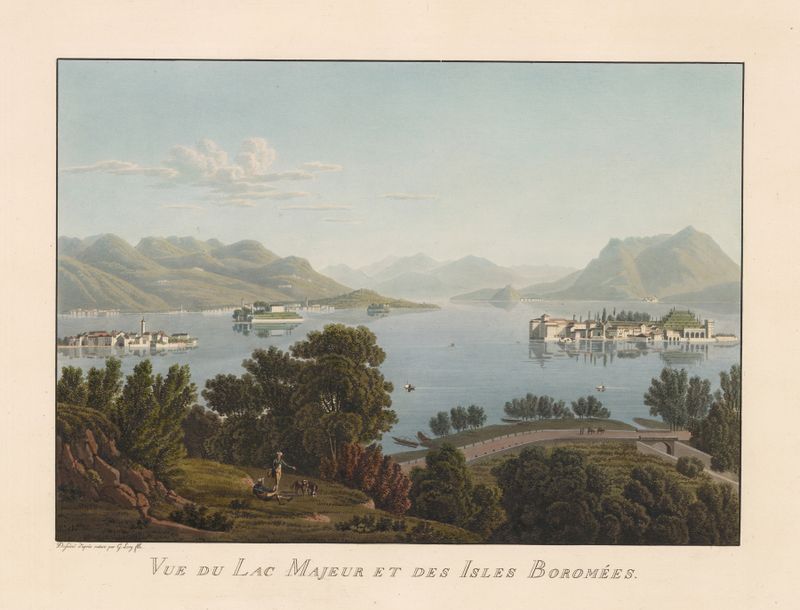
Vue du Lac Majeur et des Isles Boromées
Gabriel Lory the Younger
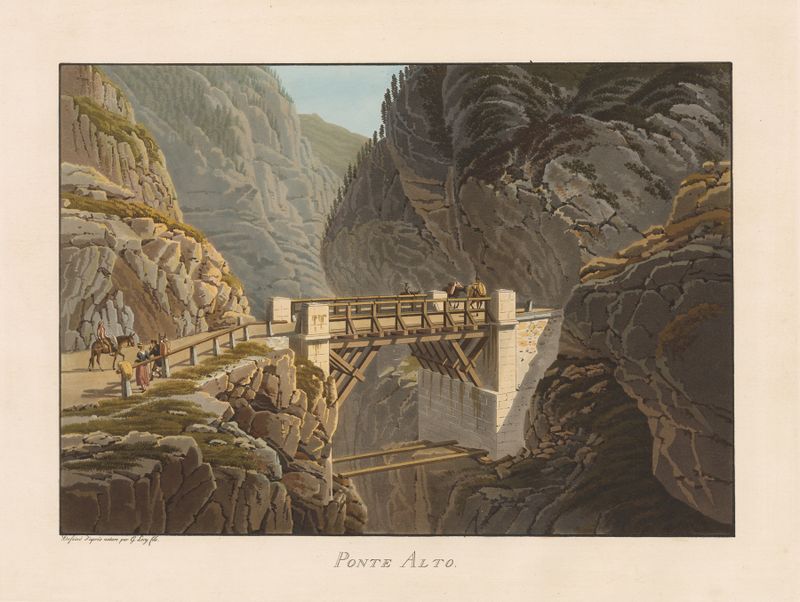
Ponte Alto
Gabriel Lory the Younger
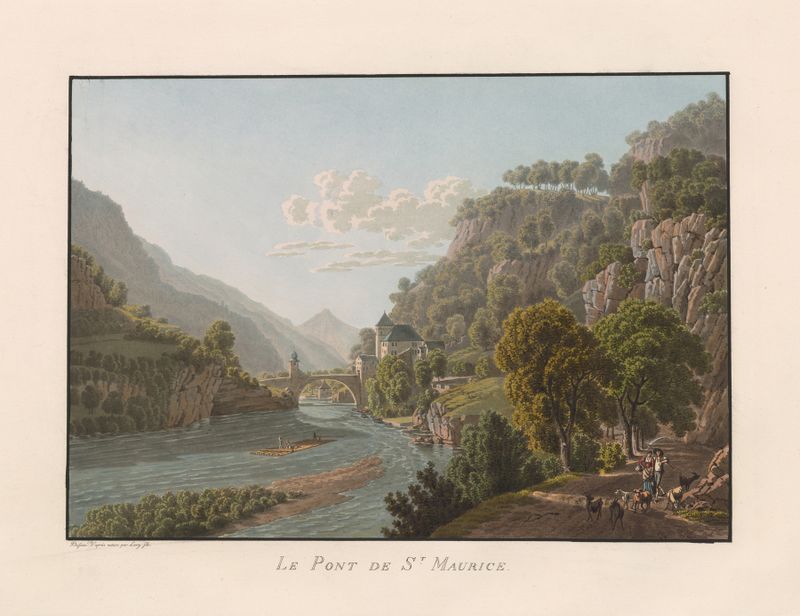
Le Pont de St. Maurice
Gabriel Lory the Younger
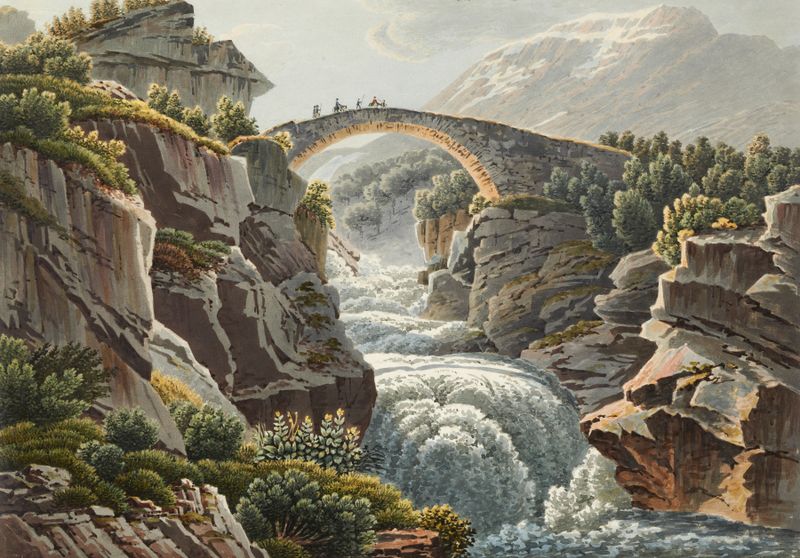
Pont sur l’Aar au passage du Grimsel
Gabriel Lory the Younger
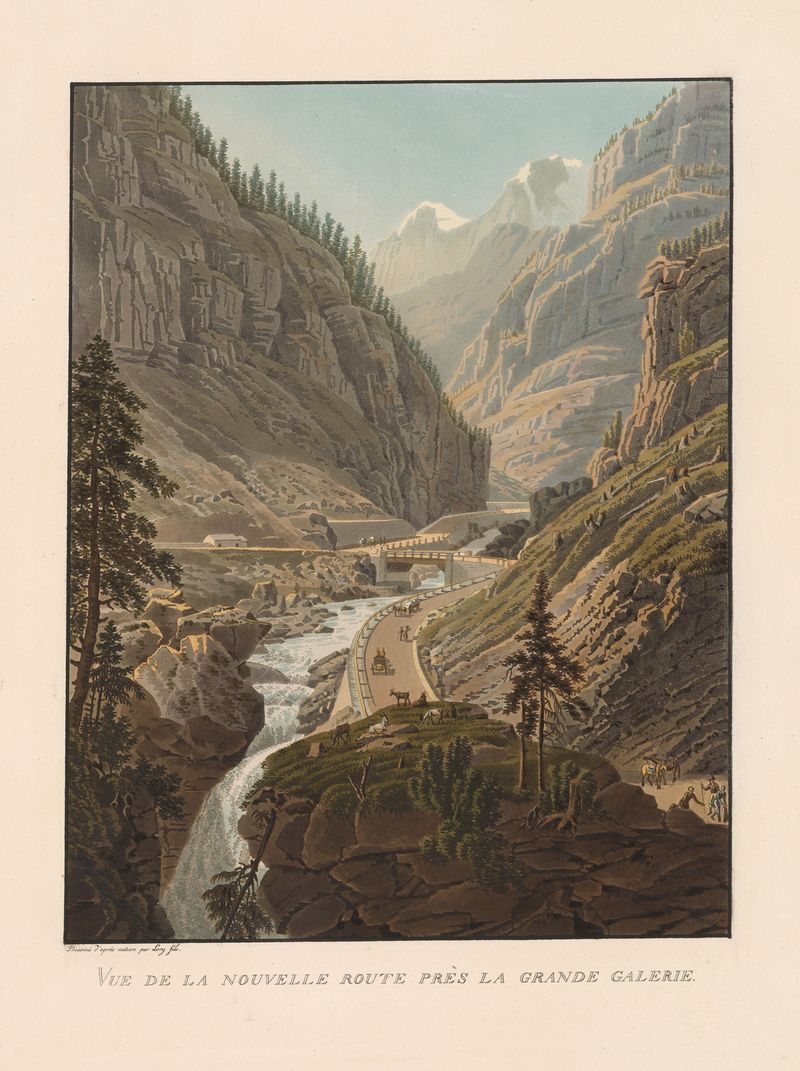
Vue de la nouvelle route près la Grande Galerie
Gabriel Lory the Younger
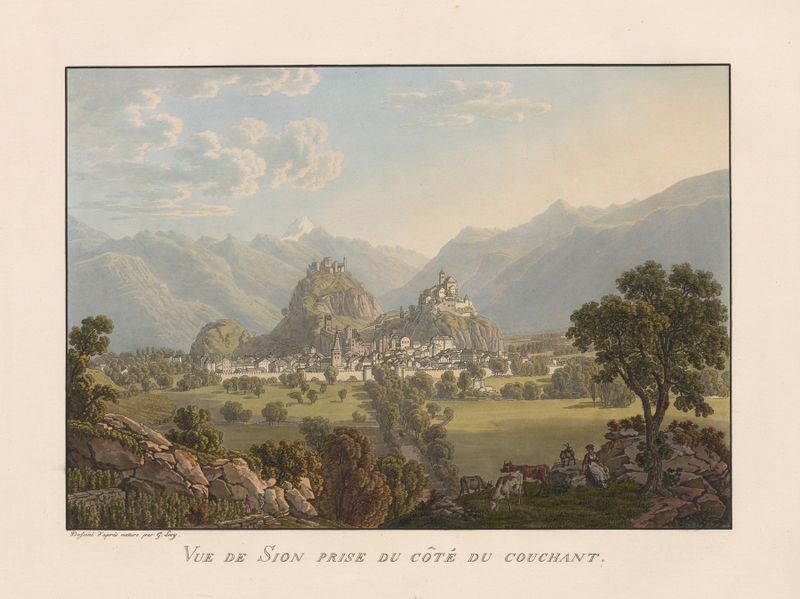
Vue de Sion prise du Côté du Couchant
Gabriel Lory the Younger





