
Le Pont Royal et le Pavillon de Flore — History & Facts
Where does light end, and longing begin? In Le Pont Royal et le Pavillon de Flore, the interplay of light and shadow evokes a profound sense of yearning, hinting at the fragility of human experience. Look to the left at the soft reflections glimmering on the water's surface, where the luminous hues dance in delicate synchronization with the muted tones of the bridge. The composition draws your gaze across the canvas, inviting you to traverse the scene alongside the boats and figures that inhabit it. Notice how Pissarro masterfully blends earthy greens with warm, golden yellows, creating a harmonious symphony while elevating the emotional landscape.
Each brushstroke feels like a whisper, capturing the stillness of the moment. Yet, beneath the serene façade lies an undercurrent of tension. The bridge, strong yet vulnerable, represents the connection between worlds—perhaps a metaphor for the fleeting nature of happiness. The figures, small and seemingly insignificant against the vastness of the scene, reflect humanity's longing for belonging amid the expanse of life.
The subtle use of light can be seen as a reminder of the inevitable passage of time, which often obscures joy with shadows of uncertainty. In 1903, during a period marked by significant artistic experimentation, Camille Pissarro painted this piece in Paris, where Impressionism was evolving into more nuanced expressions. This was a time when Pissarro faced personal challenges, including the loss of loved ones, and struggled with his place within the rapidly changing art scene. The work encapsulates a poignant moment in his life, where the interplay of light and fear serves not only as a reflection of his inner turmoil but also as a testament to the broader existential questions of his time.
More Artworks by Camille Pissarro
Browse all →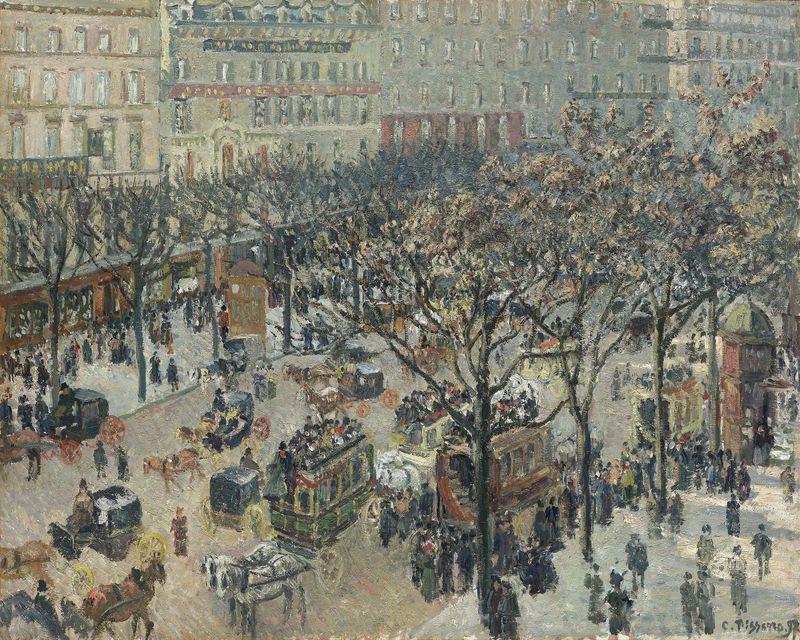
Boulevard des Italiens,Morning_Sunlight
Camille Pissarro
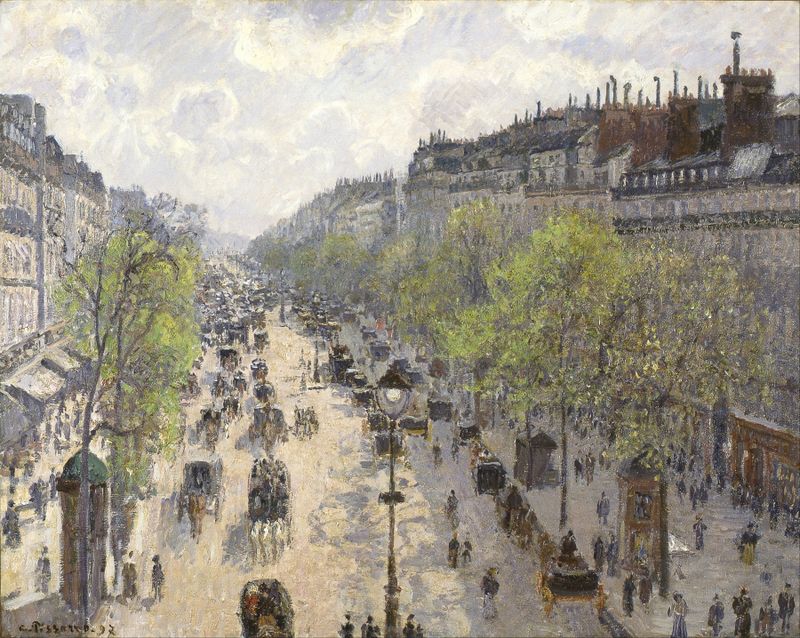
Boulevard Montmartre, Spring
Camille Pissarro
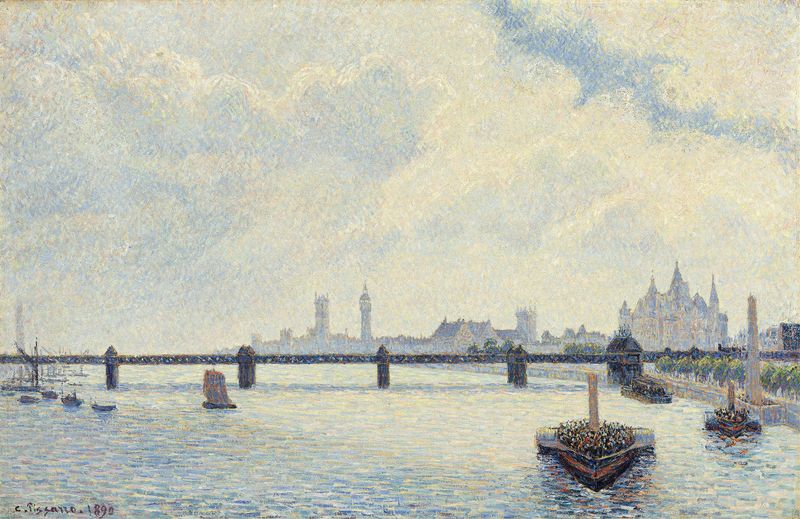
Charing Cross Bridge,London
Camille Pissarro
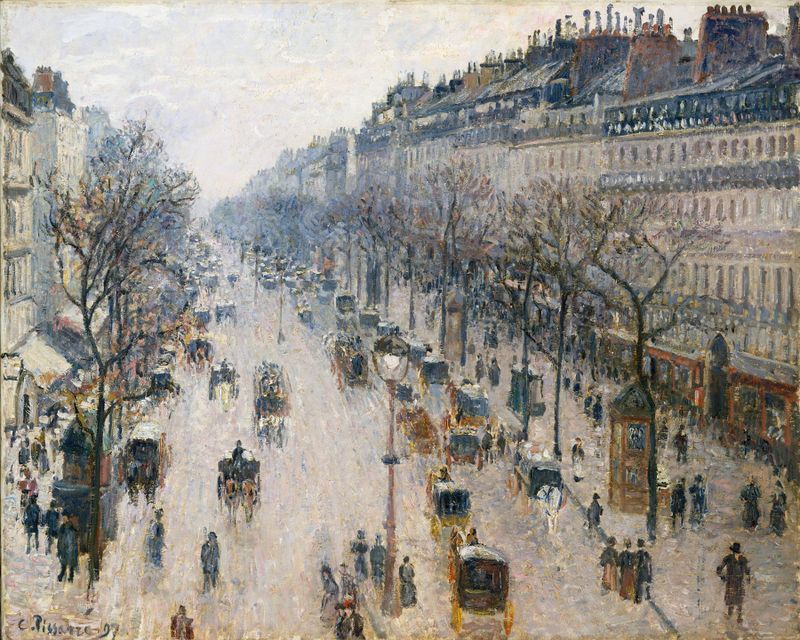
The Boulevard Montmartre on a Winter Morning
Camille Pissarro
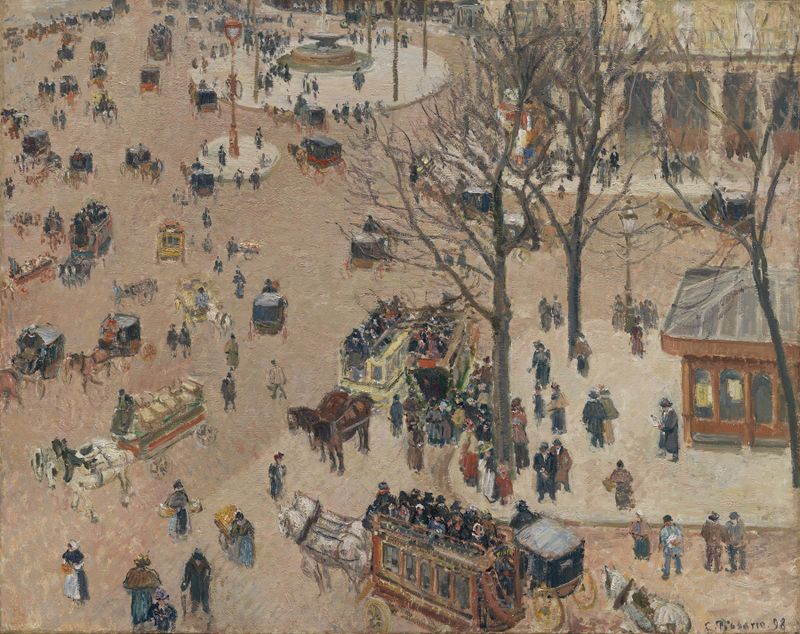
La Place du Théâtre Français
Camille Pissarro

Rue Saint-Lazare, Paris
Camille Pissarro
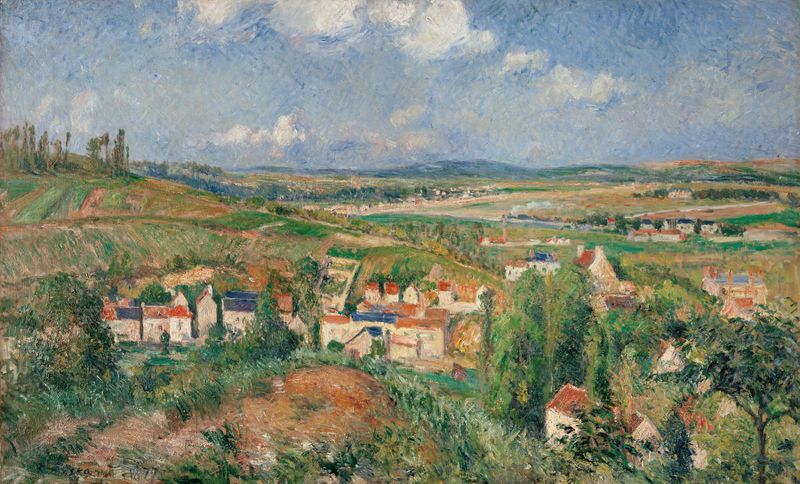
L’hermitage En Été, Pontoise
Camille Pissarro

Place du Theatre Francais,Fog Effect
Camille Pissarro
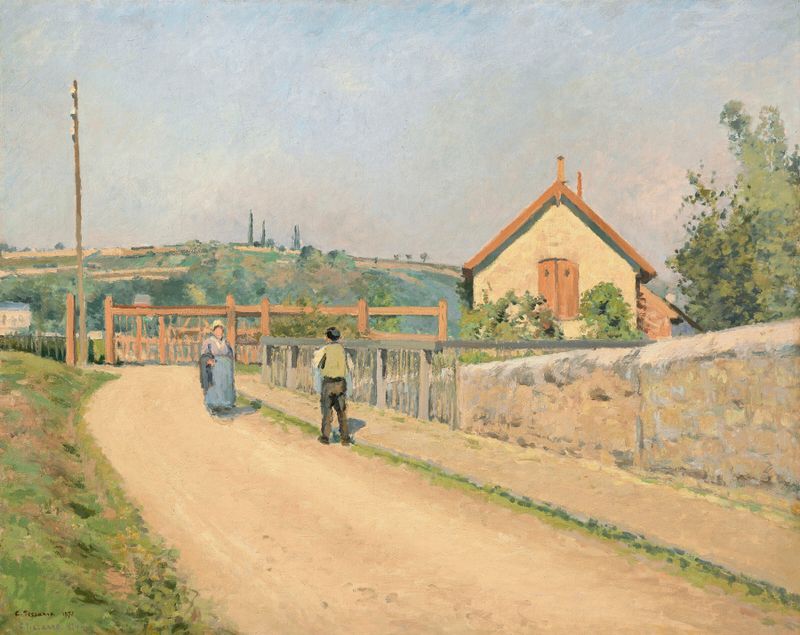
La barrière du chemin de fer, aux Pâtis près Pontoise
Camille Pissarro
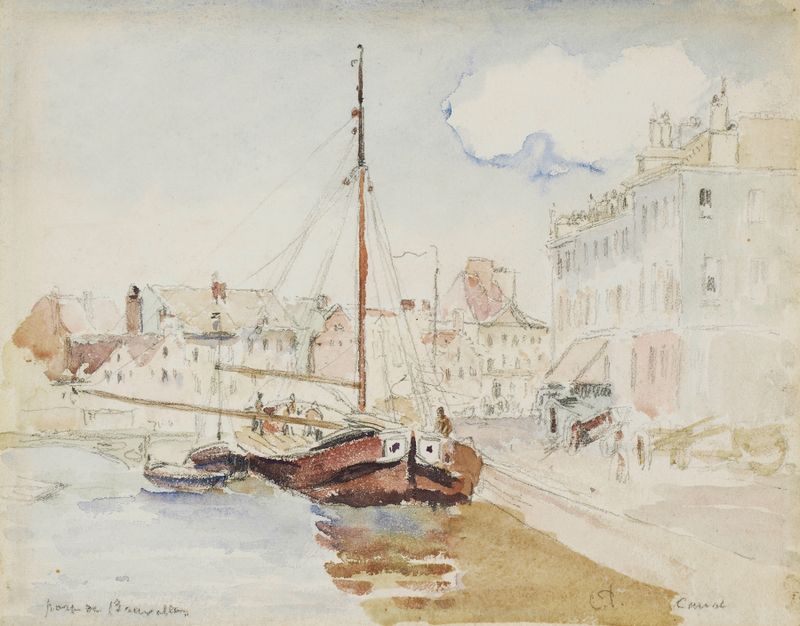
Port de Bruxelles
Camille Pissarro





