
Le pont, temps gris — History & Facts
This sentiment echoes through time, inviting us to linger on the edges of our own recollections and the impressions they leave behind. Begin by focusing on the gentle interplay of colors directly in the center. The bridge, a delicate arch of muted browns and grays, leads your gaze toward the distant horizon, where the sky softly melds into the water below. Notice how the artist’s technique of dabbing creates a textured surface, evoking the feeling of a fleeting moment suspended in memory, as if the scene could dissolve at any second.
The cool palette reinforces a sense of nostalgia, drawing viewers deeper into the past represented in this serene landscape. Hidden within the layers of paint are contrasts that speak to the tension between nature and human presence. The bridge stands as a symbol of connection, yet its solitude against the expansive backdrop evokes feelings of isolation. The fog that envelops the scene creates a veil between the viewer and the landscape, hinting at the ephemeral nature of memories — beautiful yet elusive.
Each brushstroke conveys a longing, a silent whisper of what once was, inviting contemplation of our own personal histories. During the period from 1920 to 1925, the artist worked in a time of post-war recovery, marked by significant shifts in art and society. Living in France, Henri Martin engaged with the evolving techniques of modernism while drawing from the impressionist tradition. The interplay of light and color in Le pont, temps gris reflects both the influences of his contemporaries and his own introspective exploration of memory and the passage of time.
More Artworks by Henri Martin
Browse all →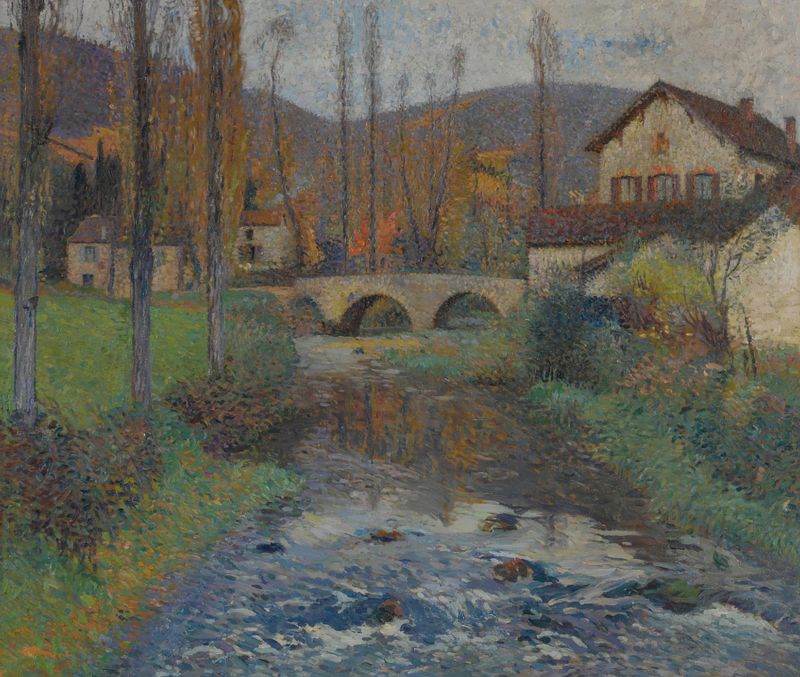
Le Pont du Labastide-du-Vert
Henri Martin

Le Pont de Labastide du Vert
Henri Martin

La Vallée Du Lot, Près De Saint-Cirq Lapopie
Henri Martin

Derniers Rayons, Une Ferme Dans Le Lot
Henri Martin

Vue de Labastide-du-Vert
Henri Martin
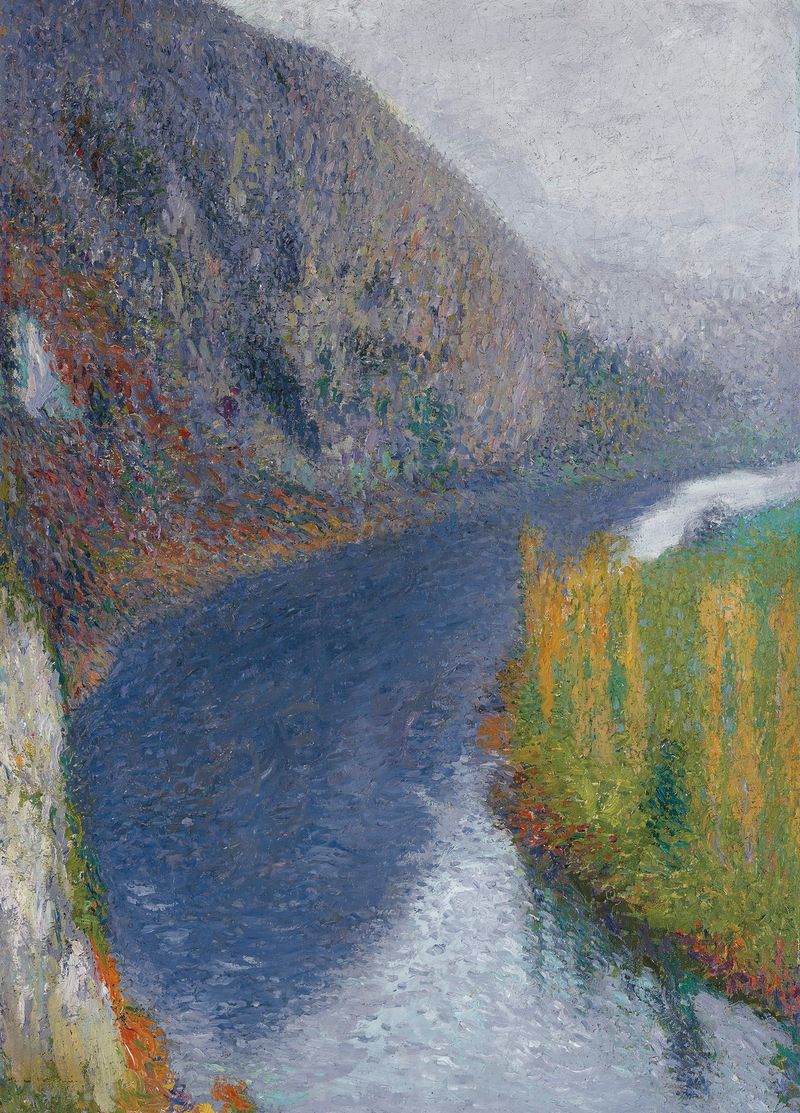
Le Lot au pied des falaises de St-Cirq-Lapopie
Henri Martin

Le lot aux pieds des falaises de Saint-Cirq-Lapopie
Henri Martin

L’église de Labastide-du-Vert avec le pont et la rivère, un soir d’automne
Henri Martin

Berger et ses moutons dans les causses
Henri Martin
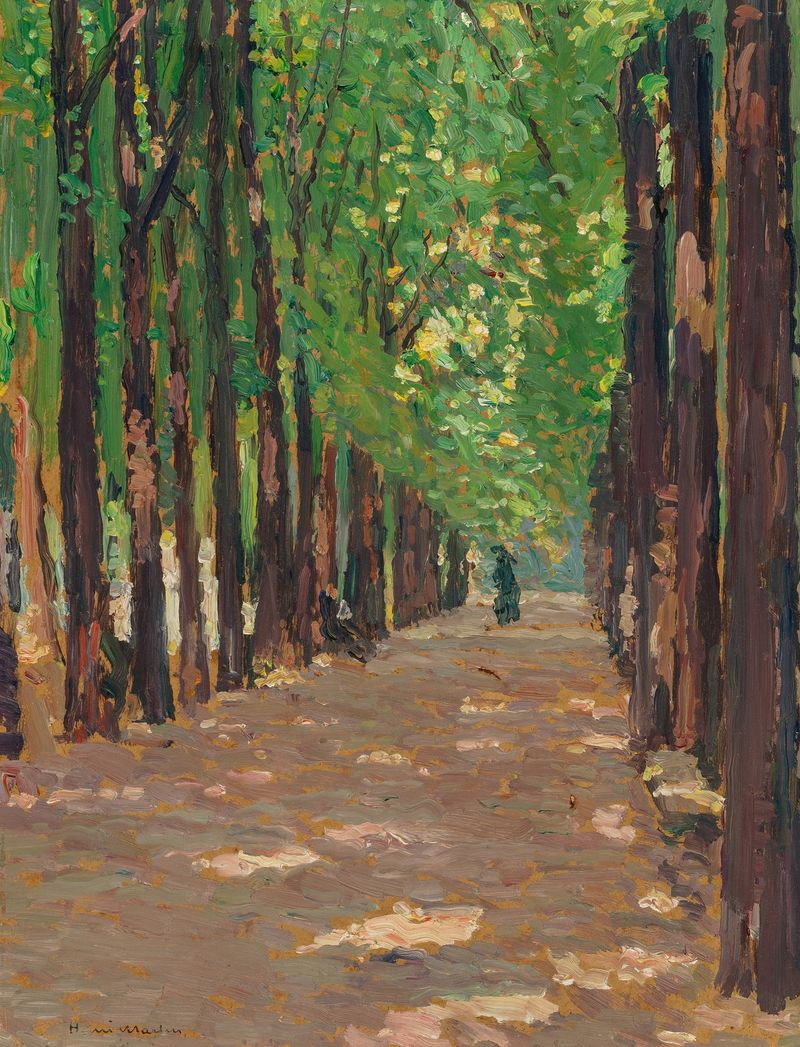
Une allée dans le Parc du Château de Versailles
Henri Martin





