
Le Puits — History & Facts
What if beauty was never meant to be finished? In Le Puits, the delicate interplay between nature and human craftsmanship whispers of hope, inviting contemplation on the incompleteness of existence. Focus on the intricate well, its stones weathered yet dignified, forming the centerpiece of the composition. Look closely at the play of light cascading through the foliage, casting dappled shadows on the surrounding terrain. Notice how the artist masterfully employs warm earth tones to evoke a sense of harmony and timelessness, while hints of blue in the sky suggest an ever-expanding horizon of possibility. The juxtaposition of the well’s solidity against the surrounding ephemeral nature captures a profound emotional tension.
This structure stands as a testament to human endeavor, yet the lush greenery surrounding it reminds us of nature’s resilience and transience. The viewer may sense that, while the well serves a purpose, it also symbolizes a deeper longing—the aspiration for connection and the endless quest for fulfillment. Hubert Robert painted Le Puits between 1763 and 1764 during a time of cultural flourishing in France, where the Rococo style was transitioning to Neoclassicism. Living in Paris, he was influenced by the Enlightenment, which emphasized reason, nature, and the human spirit.
This period shaped his artistic vision, encouraging him to explore the intersections between architectural forms and the beauty of the natural world, resulting in works rich in both detail and philosophical depth.
More Artworks by Hubert Robert
Browse all →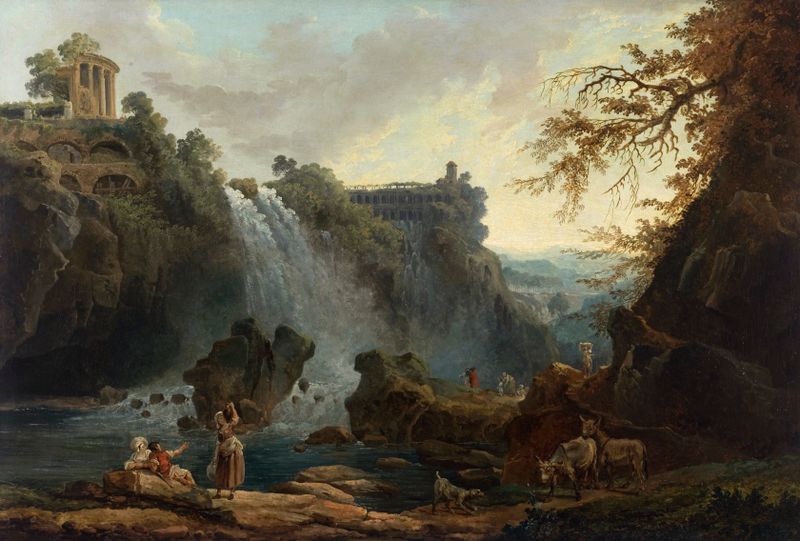
Les Cascatelles de Tivoli
Hubert Robert
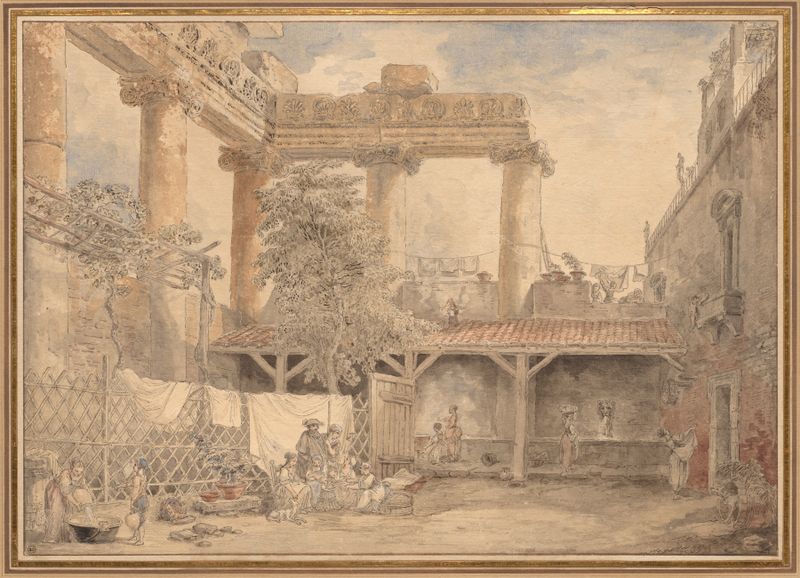
Roman Ruins, Villa Pamfili
Hubert Robert

The Rustic Bridge, Château de Méréville, France
Hubert Robert

The Portico of a Country Mansion
Hubert Robert

Architectural Capriccio
Hubert Robert

The Obelisk
Hubert Robert
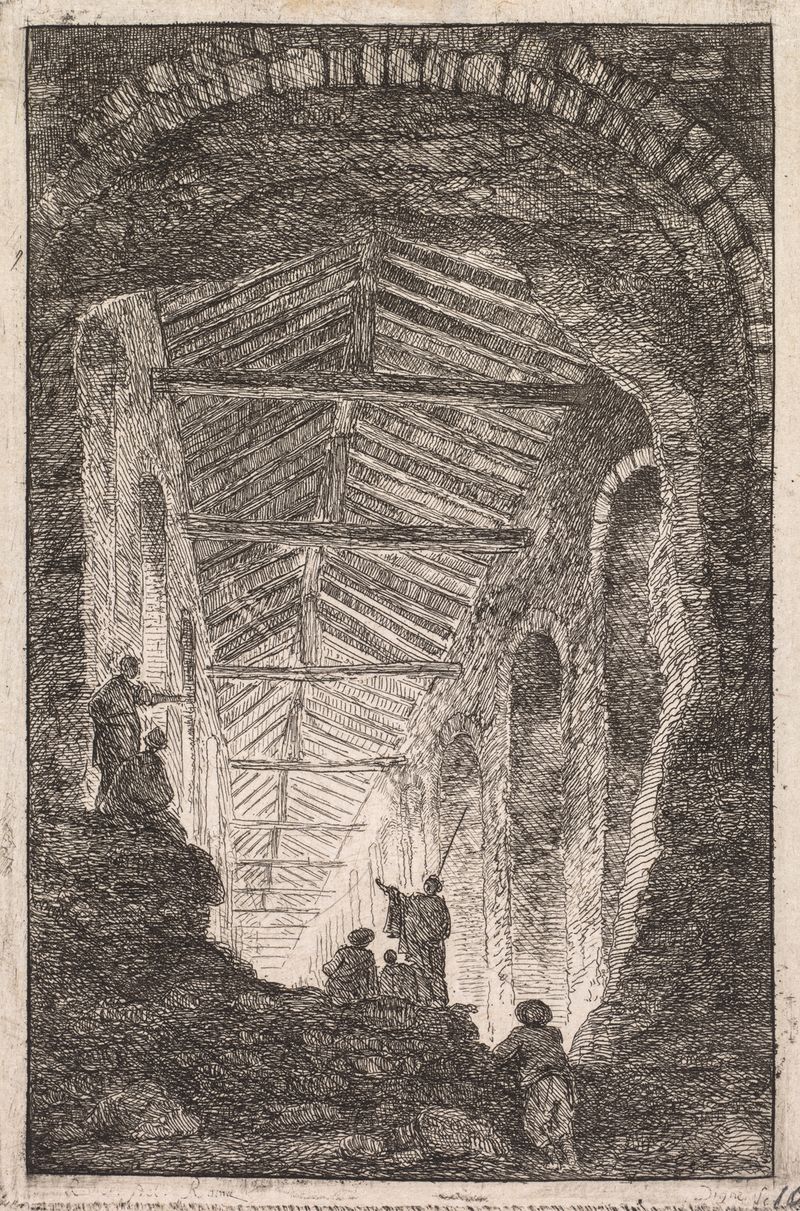
The Antique Gallery
Hubert Robert

L’incendie de l’Opéra, vu des jardins du Palais-Royal, le 8 juin 1781
Hubert Robert
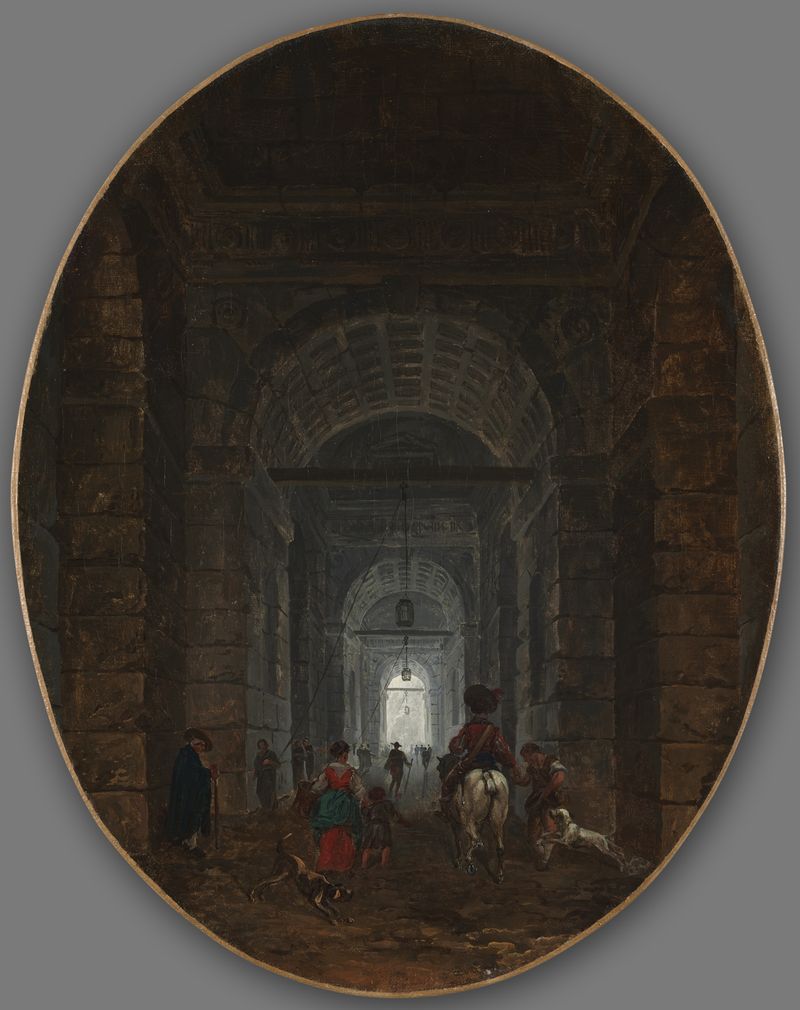
The Grotto of Posillipo
Hubert Robert

Architectural Capriccio with ruins of the Temple of Saturn and the Colosseum in the background
Hubert Robert





