
Le quai Saint-Jean à Marseille — History & Facts
Where does light end, and longing begin? In the delicate interplay of colors and shadows lies a haunting whisper of solitude, inviting us to explore the hidden depths of human emotion. Look to the horizon, where the warm oranges and soft blues of the sky dissolve into the water below, creating a shimmering path that seems to lead somewhere beyond the visible. The structures along the quay create a sense of enclosure, yet the vastness of the sea reminds us of emptiness, a juxtaposition of humanity against nature’s infinity. Notice how the light dances upon the gentle waves, reflecting an array of colors that breathe life into the scene, while the delicate brushwork captures the fleeting nature of this moment in time. The solitary figures on the quay evoke a poignant sense of loneliness, their distant postures and gazes directed towards the horizon hinting at unfulfilled desires or memories lost to time.
The grand architecture, standing tall yet silent, becomes a metaphor for the weight of existence—a reminder of both connection and isolation. Each element contributes to a narrative that speaks to the yearning for understanding in a world where beauty and desolation coexist. During the years 1890-1895, the artist worked in the vibrant coastal city of Marseille, enveloped in a cultural milieu alive with artistic exploration. Ziem, known for his evocative landscapes, was influenced by the Impressionist movement yet maintained his own unique style.
It was a period marked by personal reflection and a burgeoning appreciation for light in art, as he sought to capture not just the physical landscape, but the emotional terrain of his subjects.
More Artworks by Félix Ziem
Browse all →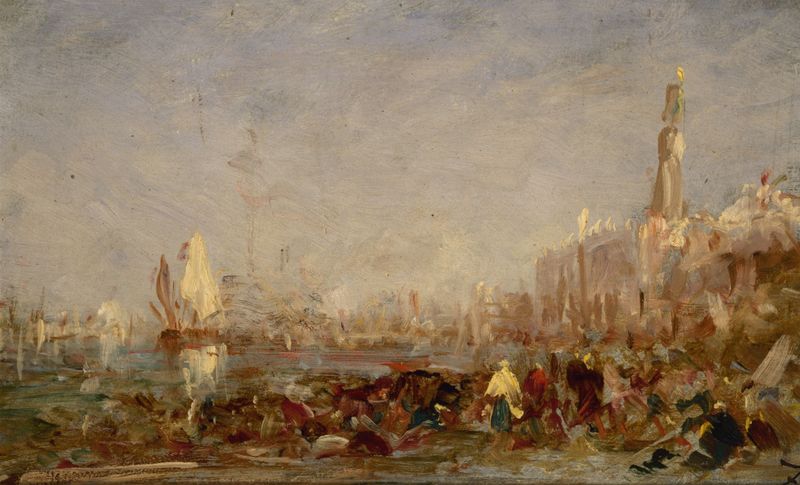
Venise
Félix Ziem
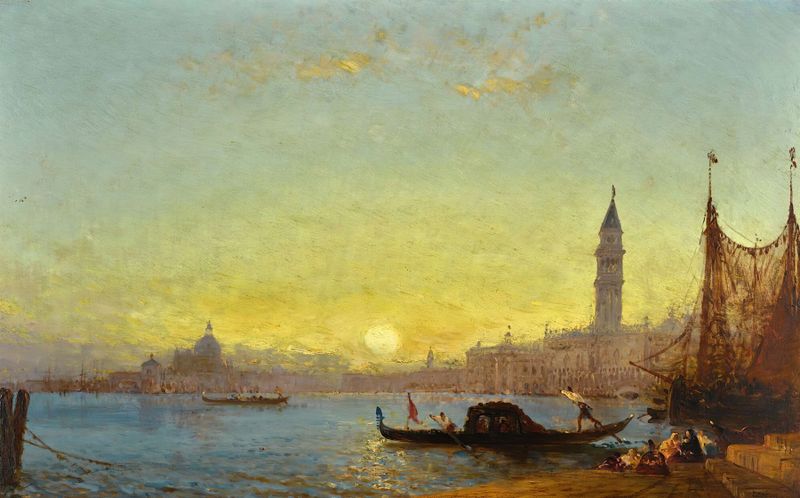
Coucher De Soleil À Venise
Félix Ziem
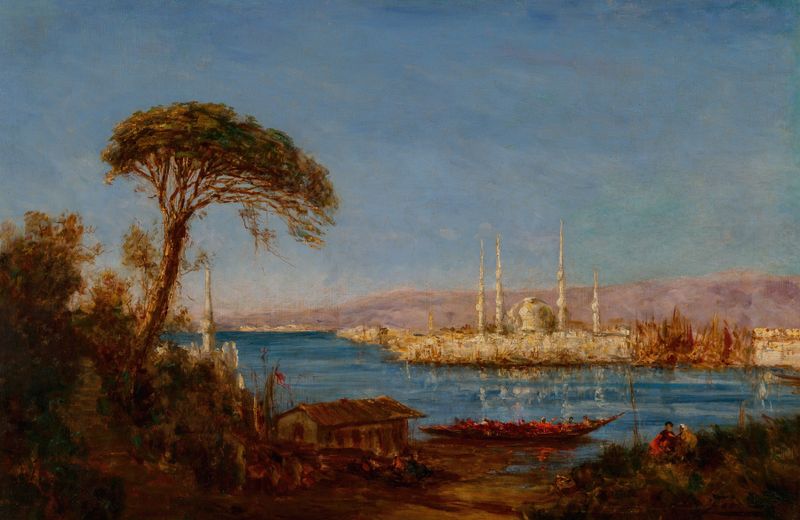
Constantinople
Félix Ziem
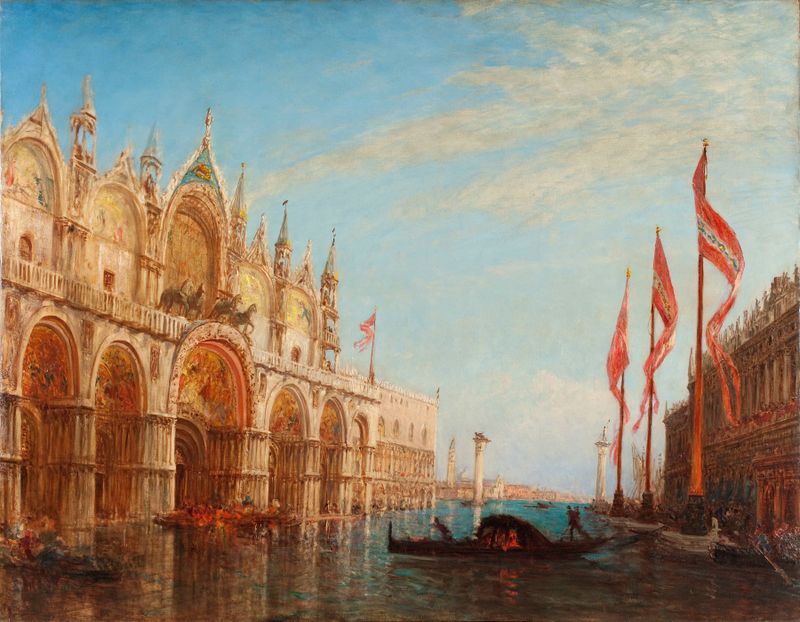
La place Saint-Marc, inondation de 1863
Félix Ziem
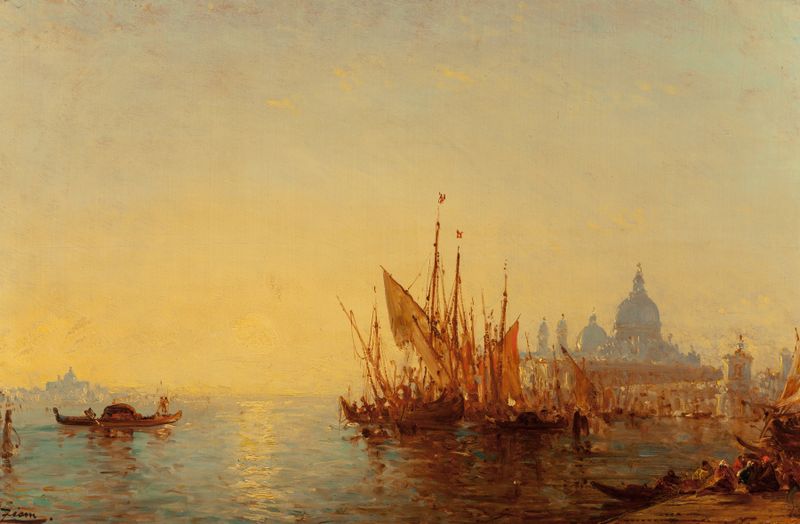
Bacino di San Marco
Félix Ziem
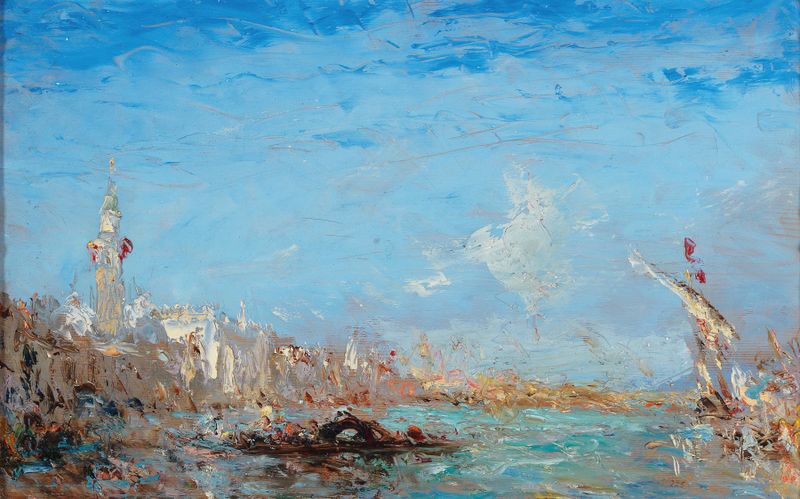
Canal Grande
Félix Ziem
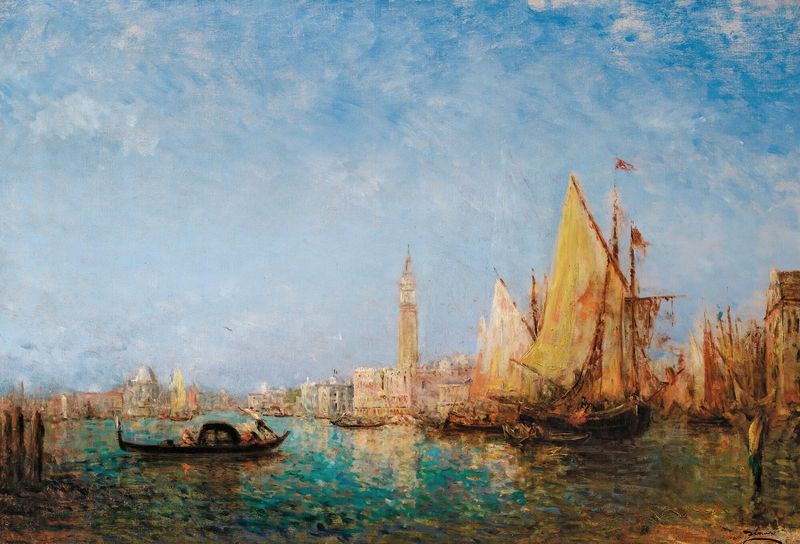
Le Palais Du Doge, Venise
Félix Ziem
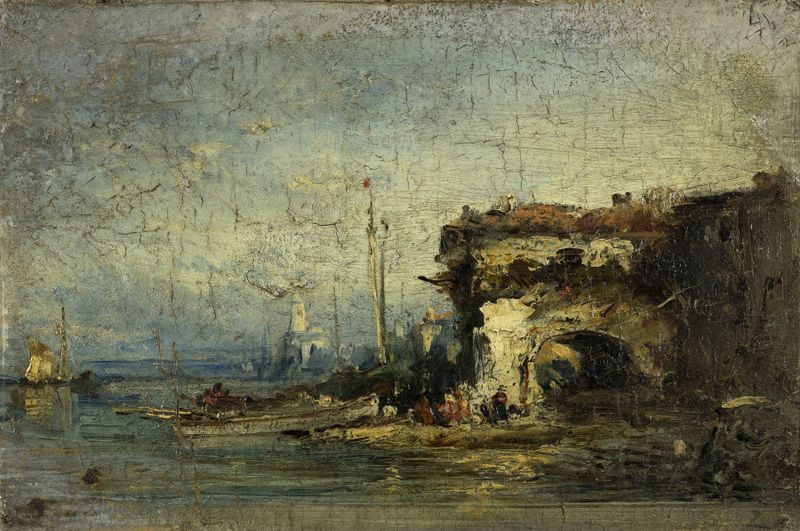
Vue d’Italie; la vieille porte
Félix Ziem
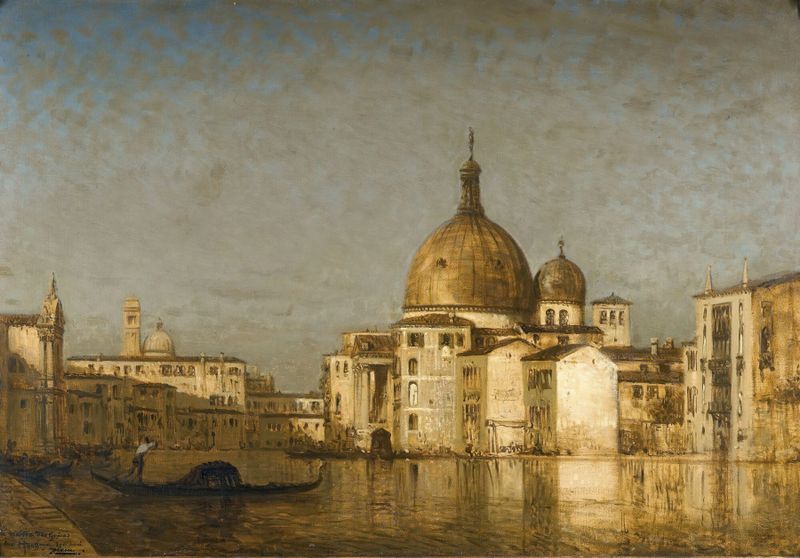
San Simeone Piccolo Au-Delà Du Grand Canal, Venis
Félix Ziem
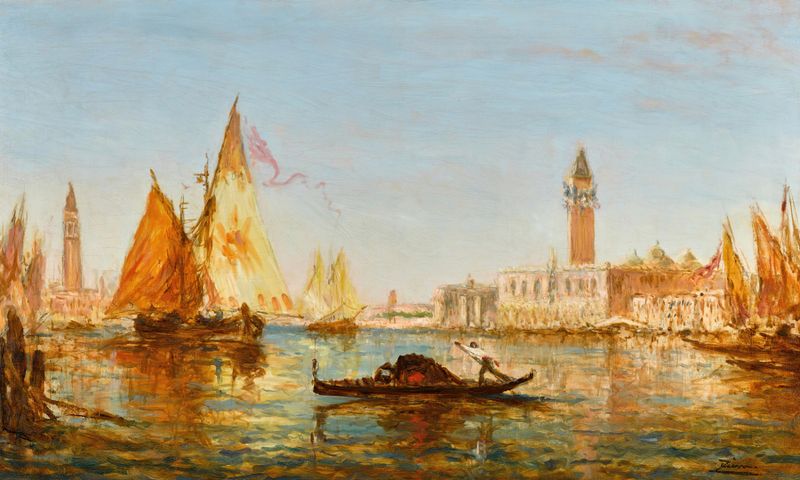
Venise, gondole et voiliers devant le Palais des doges et San Giorgio Maggiore
Félix Ziem





