
Le Ravin de la Folie, Crozant — History & Facts
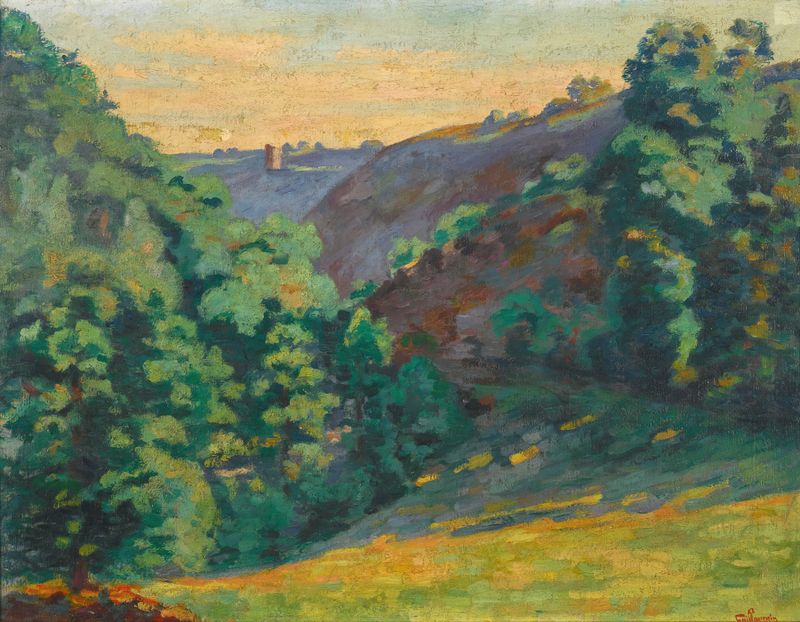
In Le Ravin de la Folie, a profound stillness envelops an earth-scarred landscape, where the weight of nature’s raw beauty mingles with an undercurrent of fear. The viewer is drawn into a hidden world, where the creased valleys and jagged cliffs seem to whisper secrets of despair and longing. Look to the left at the bold strokes of deep green and shadowy browns, where trees cling desperately to the edges of the ravine. The dynamic interplay of light and dark reveals Guillaumin's mastery of color, creating a textured tapestry that captures the rugged essence of the terrain.
Bolder dashes of yellow and orange punctuate the scene, suggesting the fleeting touch of sunlight struggling to penetrate the thick foliage, inviting contemplation on both nature's harshness and its beauty. Within this serene yet unsettling landscape, contrasts abound. The vibrant hues evoke vitality, yet the chasm beneath hints at a lurking danger — a metaphor for the unseen fears that lie beneath our perceptions. The tension between the comforting warmth of the sunlight and the ominous depths of the ravine stitches a complex emotional quilt, reflecting anxiety about existence and the unpredictable nature of life itself. In 1909, Guillaumin created this piece amid a growing recognition of his work within the Impressionist movement.
Living in France, he was influenced by the changing artistic landscape and the exploration of color and light as vehicles for deeper emotional expression. This painting emerged during a period of personal and societal introspection, mirroring the artist's complex relationship with his own fears and the world around him.
More Artworks by Armand Guillaumin
Browse all →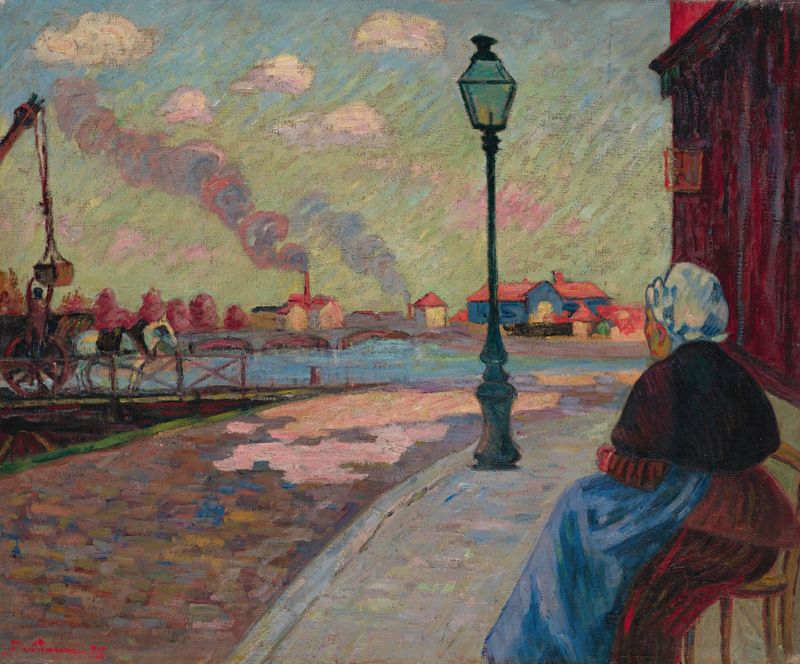
La Seine À Charenton
Armand Guillaumin
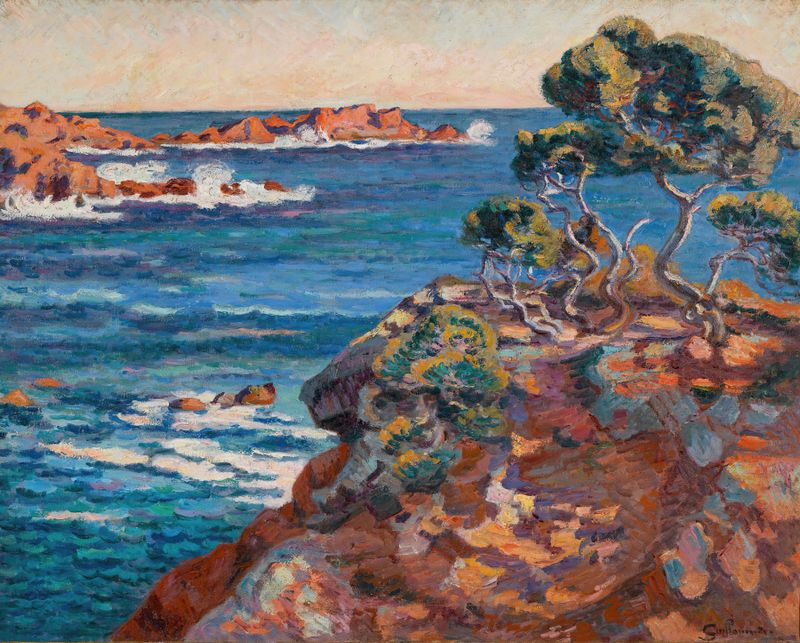
Bord De Mer À Agay
Armand Guillaumin
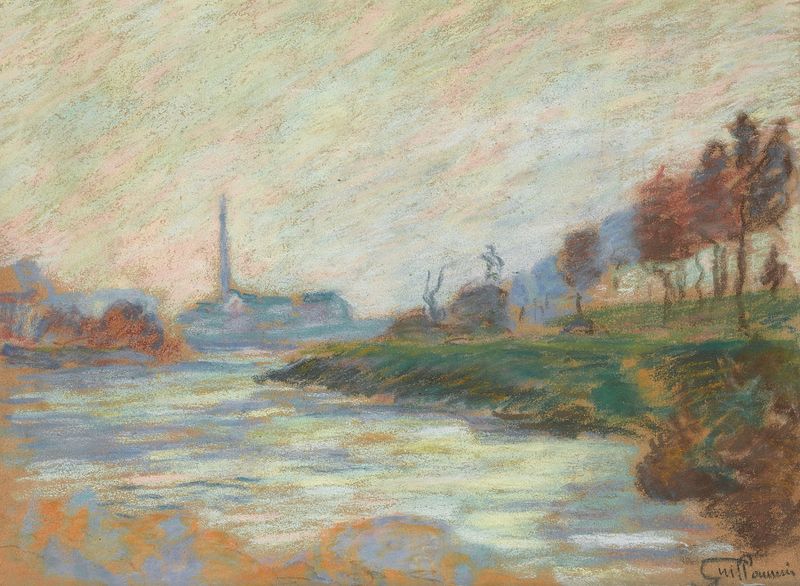
Confluent De La Marne Et De La Seine, Île De La France
Armand Guillaumin

Le Ravin de la folie, vue de Chateau Crozant
Armand Guillaumin
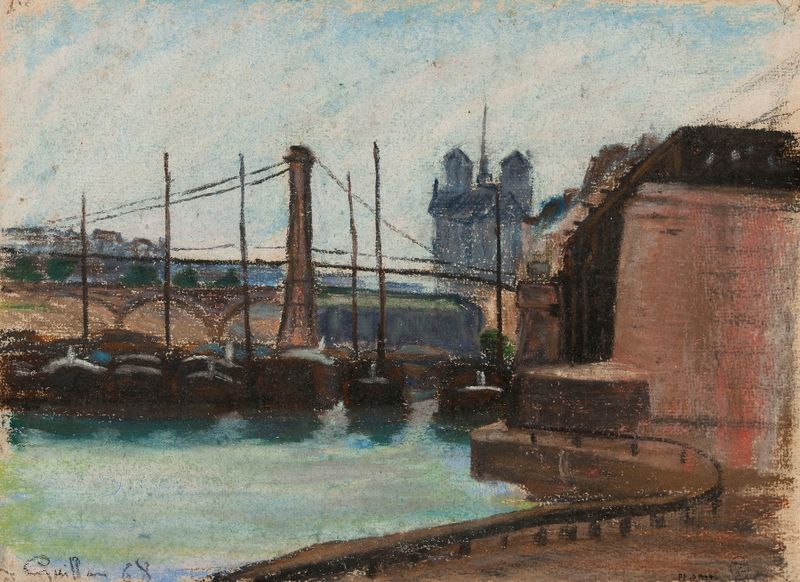
Le Pont d’Austerlitz
Armand Guillaumin

Paysage de Printemps
Armand Guillaumin
Crozant, Le Ravin De La Sedelle À La Folie
Armand Guillaumin
Paysage
Armand Guillaumin

La vallée de la creuse
Armand Guillaumin

L’Eglise Saint-Sulpice, Paris
Armand Guillaumin





