
Le triomphe de Saint Georges Majeur — History & Facts
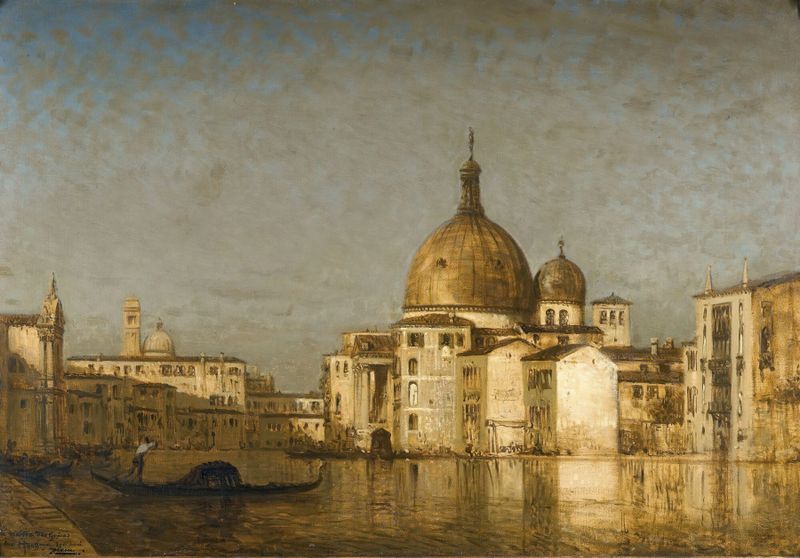
Is this a mirror — or a memory? In the luminous depths of this artwork, one can sense the gentle embrace of innocence, radiating through the serene landscape and the ethereal architecture that stands sentinel at the water's edge. Look to the center, where the majestic structure rises, its stones kissed by the soft light that dances across the canvas. The vibrant blues and greens blend harmoniously, creating a tranquil yet intoxicating atmosphere. Notice how the delicate brushwork captures the fluidity of the water, reflecting not just the physical structure but the soul of the scene itself.
The colors are rich yet subtle, inviting the viewer into a world where time seems to pause. As you explore the edges of the painting, contemplate the contrasting elements at play. The calm water and the grandeur of architecture evoke a juxtaposition between permanence and transience, while the gentle hues suggest a dreamlike quality. Each stroke bears witness to a tale of innocence, perhaps a nostalgic longing for a simpler time, where the heart finds peace amidst the chaos of the world. During the period when this piece was created, the artist was immersed in the vibrant art scene of Paris.
The late 19th century saw a burgeoning interest in the interplay between light and shadow, as well as a growing fascination with the sublime beauty of landscapes. Ziem was recognized for his ability to meld realism with romanticism, making this work a reflection of both personal sentiments and broader artistic trends of the time.
More Artworks by Félix Ziem
Browse all →
Venise
Félix Ziem
Coucher De Soleil À Venise
Félix Ziem
Constantinople
Félix Ziem
La place Saint-Marc, inondation de 1863
Félix Ziem
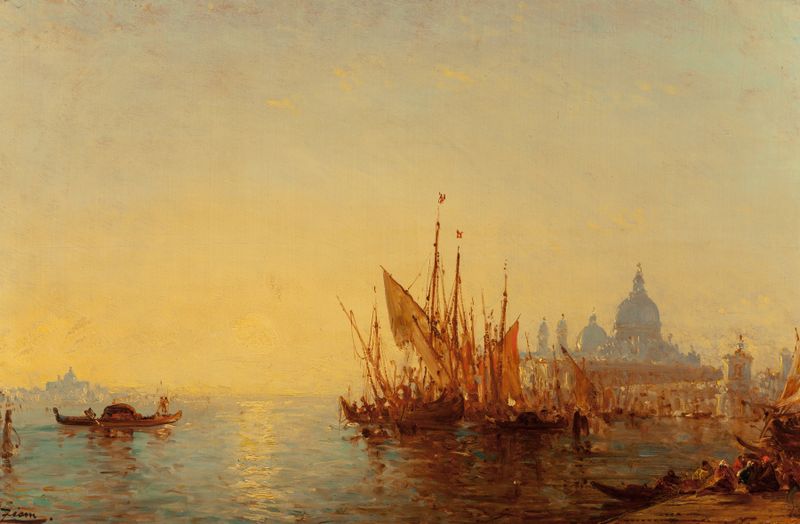
Bacino di San Marco
Félix Ziem
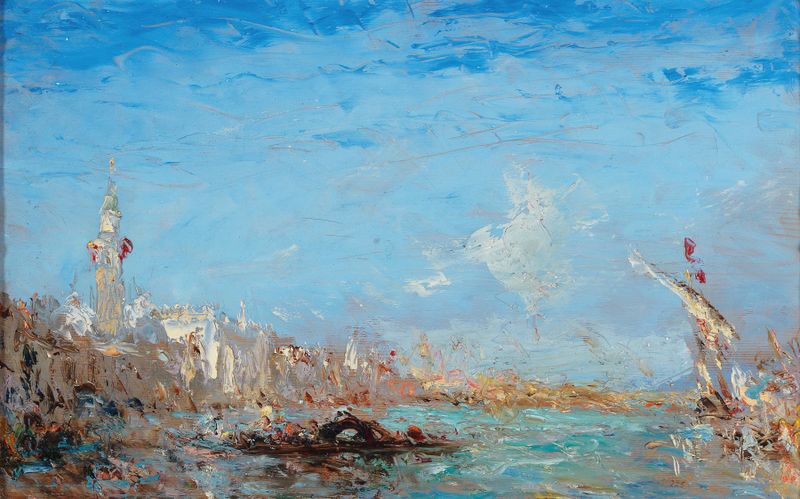
Canal Grande
Félix Ziem
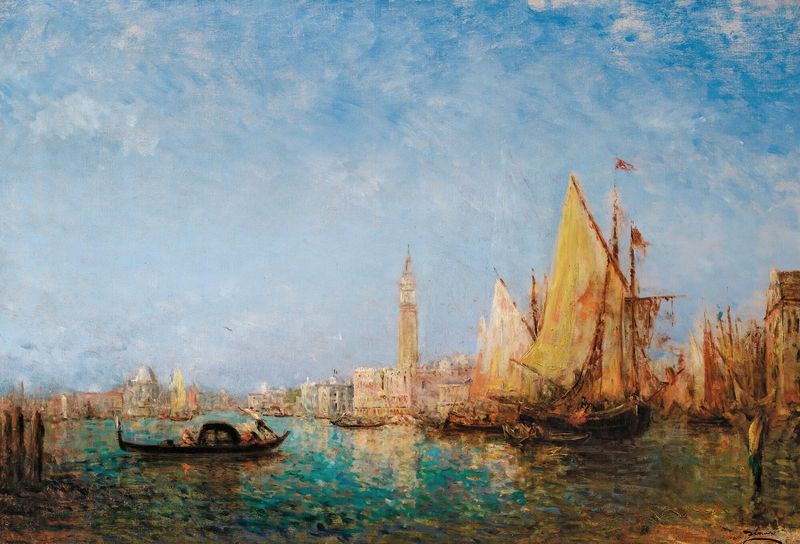
Le Palais Du Doge, Venise
Félix Ziem
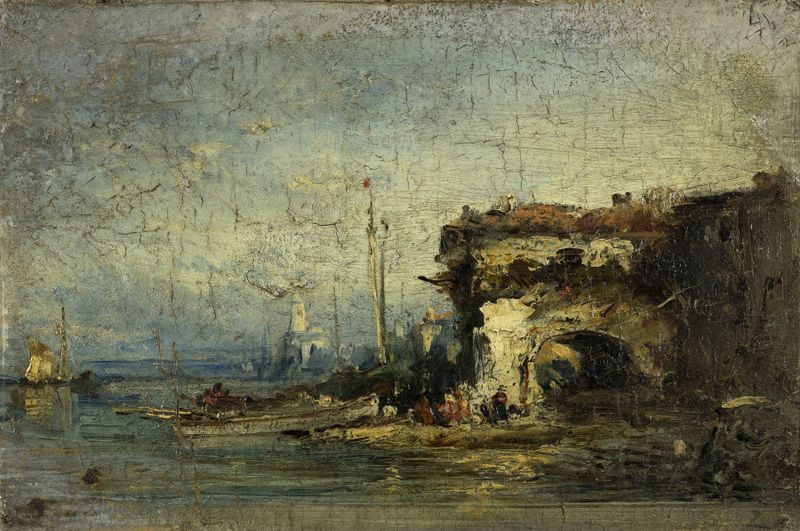
Vue d’Italie; la vieille porte
Félix Ziem
San Simeone Piccolo Au-Delà Du Grand Canal, Venis
Félix Ziem
Venise, gondole et voiliers devant le Palais des doges et San Giorgio Maggiore
Félix Ziem





