Le Tréport — History & Facts
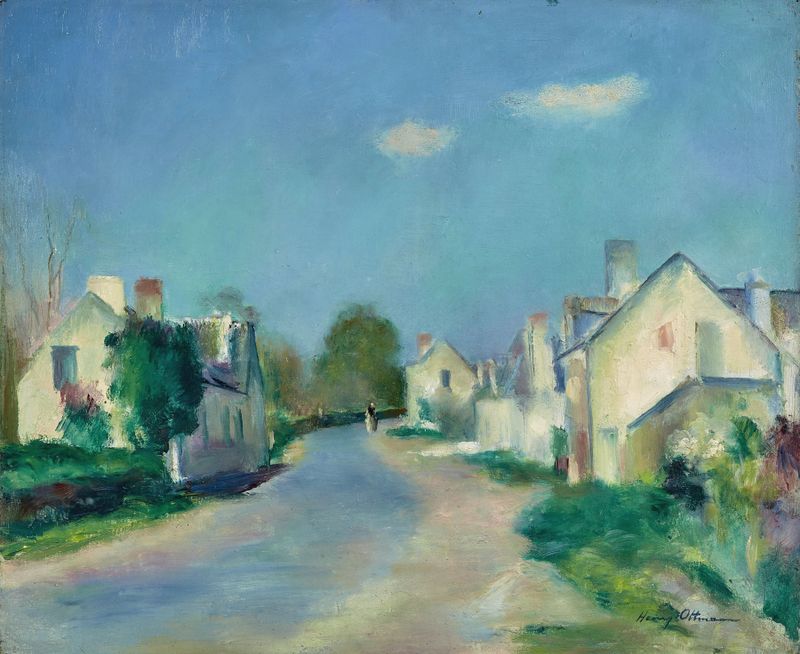
This duality of desire—yearning for tranquility amidst tumult—echoes through the strokes of the canvas. Each color choice is a testament to the yearning for connection, capturing the viewer in a tapestry of emotional resonance. To appreciate the artwork fully, look to the swirling shades of blue and green that seem to dance along the horizon. These hues interplay with dashes of white, suggesting the frothy embrace of waves crashing against coastal cliffs.
Notice how Ottmann blends the colors, creating a sense of movement that pulls the eye into the depths of the scene. The brushwork is both spontaneous and deliberate, a harmonious balance that invites introspection while capturing the viewer’s attention. Hidden within this picturesque view lies a tension between serenity and turmoil. The rugged cliffs stand stoically against the ebb and flow of the sea, symbolizing the struggle between desire and reality.
In the foreground, small figures dot the shoreline, their presence both grounding the scene and reinforcing the theme of longing, as if they are in search of something just beyond reach. The composition encapsulates nature's relentless pull, a reminder of humanity's frail hopes against vastness. Henri Ottmann painted this piece during the early 20th century, a time when Impressionism was evolving and artists were exploring new interpretations of light and movement. Working primarily in France, Ottmann was part of a generation keenly attuned to the nuances of emotion that landscapes could convey.
Amidst the backdrop of artistic experimentation, Le Tréport reflects a keen desire to connect the viewer with nature’s rhythm, revealing the depths of longing that define the human experience.