Discover insights about this artwork
Le vase bleu sombre — History & Facts
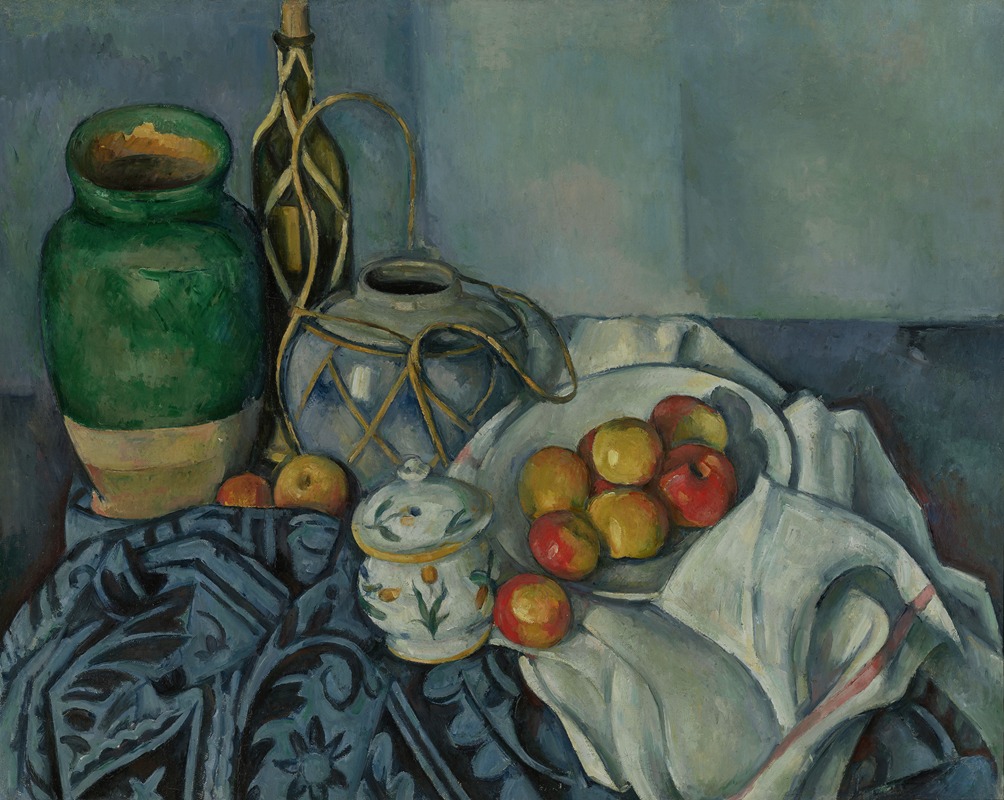
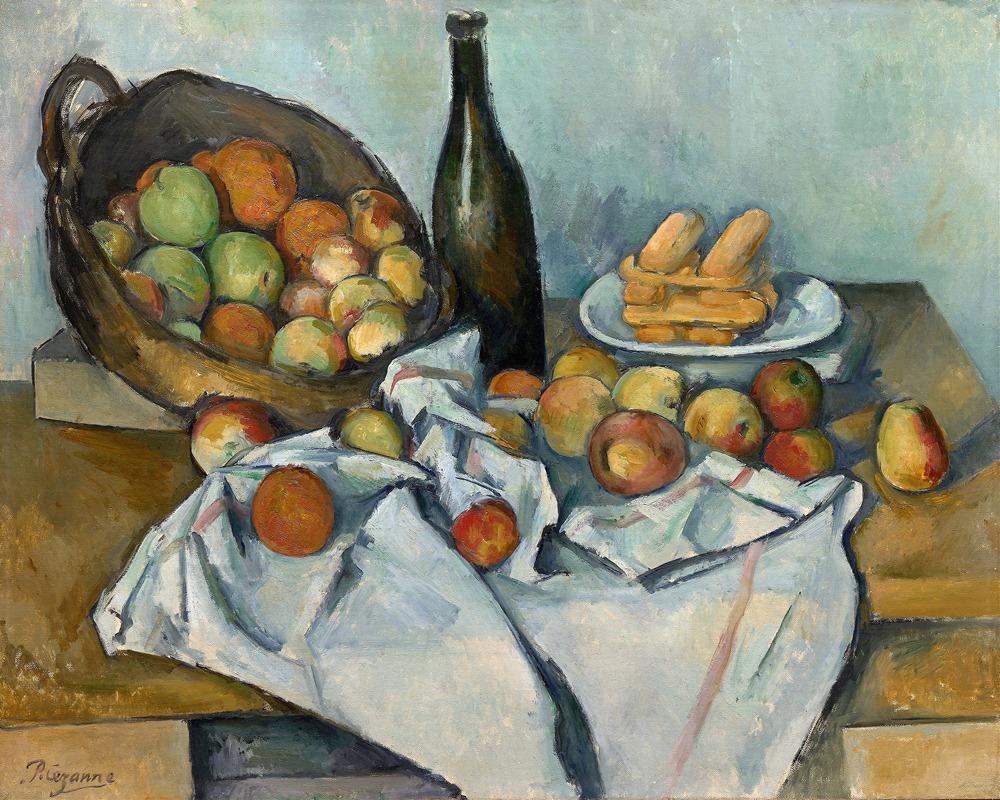
In Le vase bleu sombre, we see a striking dark blue vase that dominates the composition. The vase is set against a muted background, allowing its color to stand out. Surrounding the vase are various fruits, rendered in warm tones that contrast with the cool blue.
The overall arrangement is balanced yet dynamic, typical of Cézanne's still life works. Cézanne's technique is evident in the brushwork and the way he layers colors. The thick application of paint gives the vase a three-dimensional quality, while the fruits are depicted with a softer touch. The use of light and shadow adds depth to the composition, creating a sense of volume.
This painting exemplifies Cézanne's departure from traditional still life, focusing on form and color. Le vase bleu sombre is a notable example of Cézanne's exploration of still life during the Post-Impressionist period. Cézanne aimed to break away from the conventions of representation, emphasizing geometric forms and the interplay of color. Interestingly, this work reflects his interest in how objects relate to one another in space.
It is a testament to his influence on modern art, paving the way for future movements.
More Artworks by Paul Cézanne
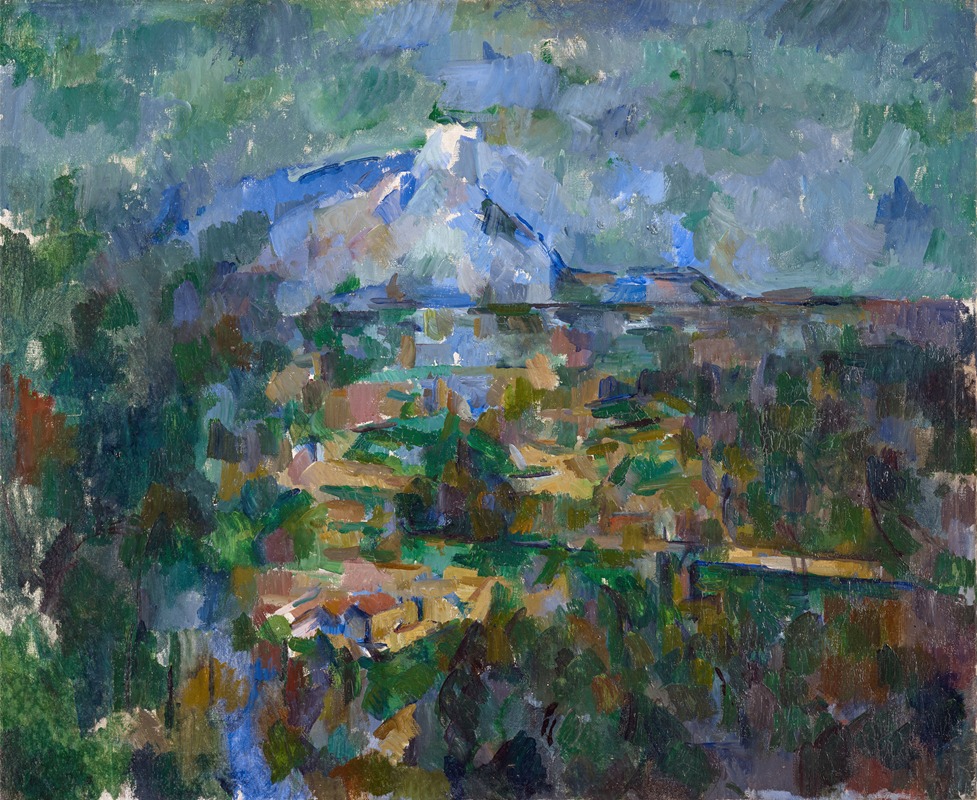
The Mont Sainte-Victoire Seen From Les Lauves
Paul Cézanne
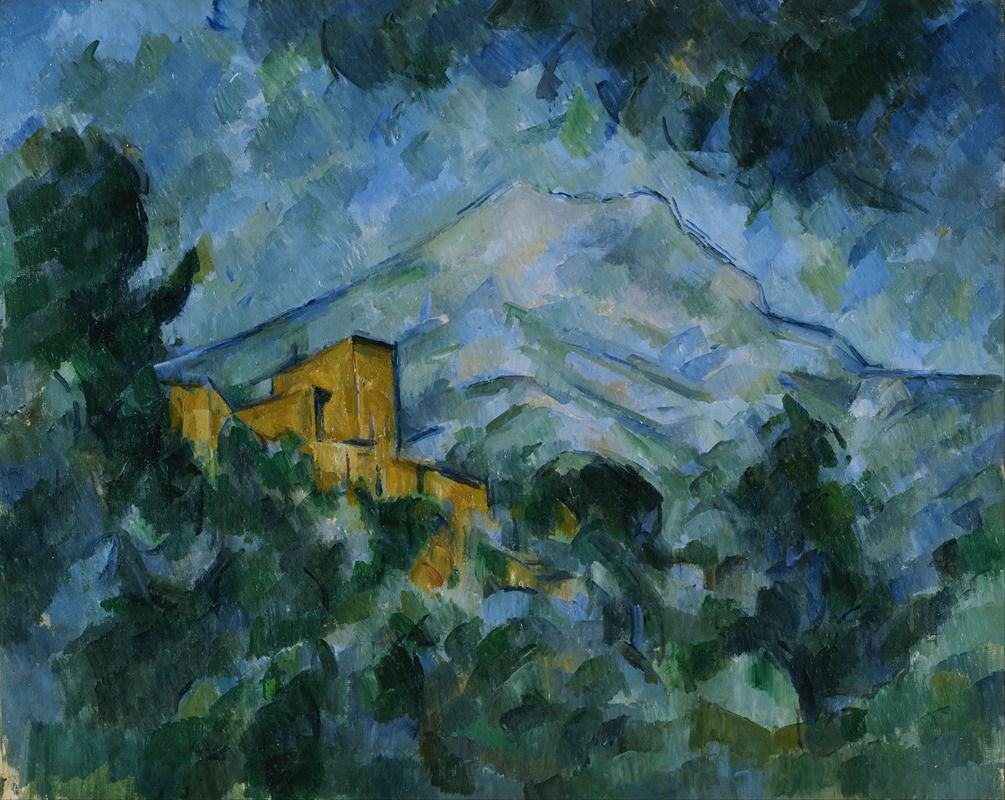
Mont Sainte-Victoire and Château Noir
Paul Cézanne
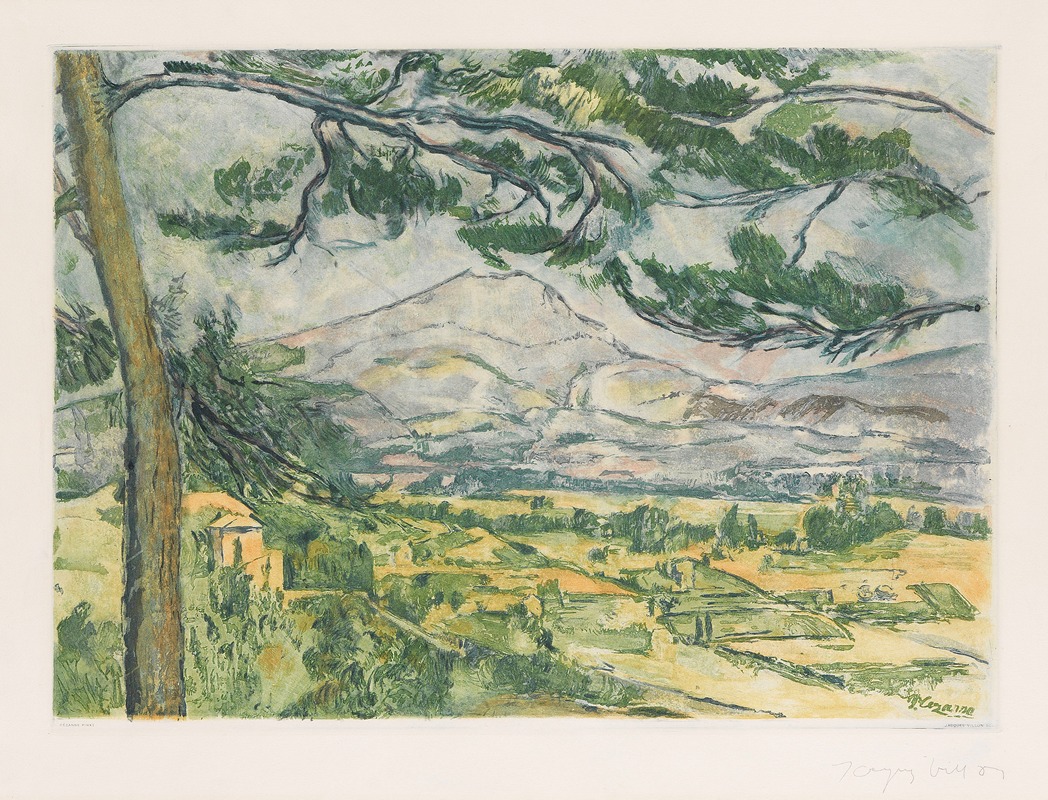
La Montagne Sainte-Victoire
Paul Cézanne
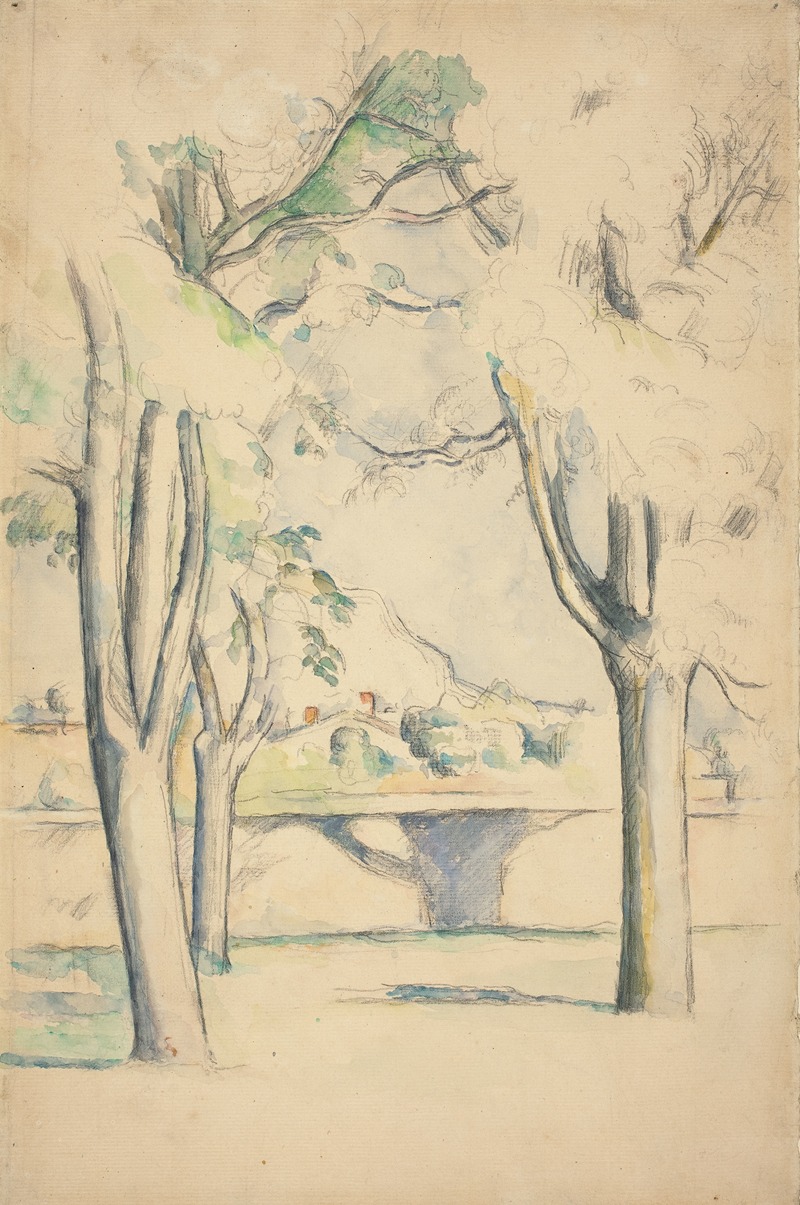
Mont Sainte-Victoire Seen beyond the Wall of the Jas de Bouffan
Paul Cézanne
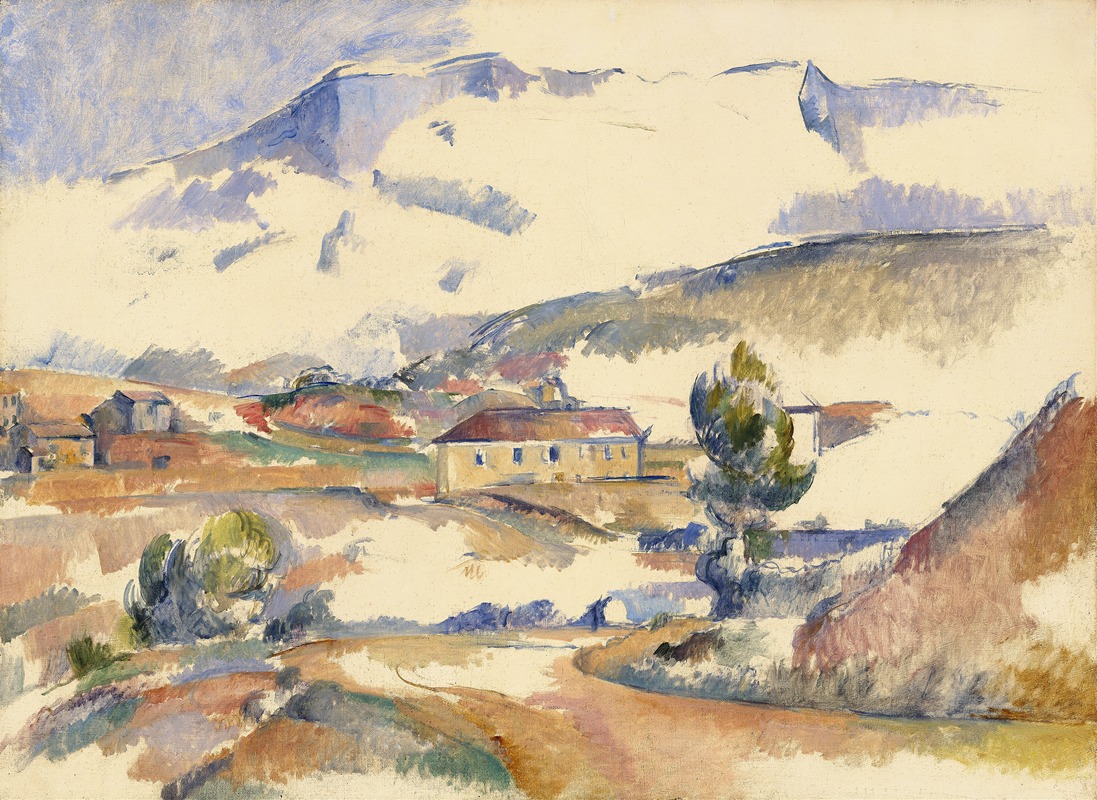
Montagne Sainte-Victoire,from near Gardanne
Paul Cézanne
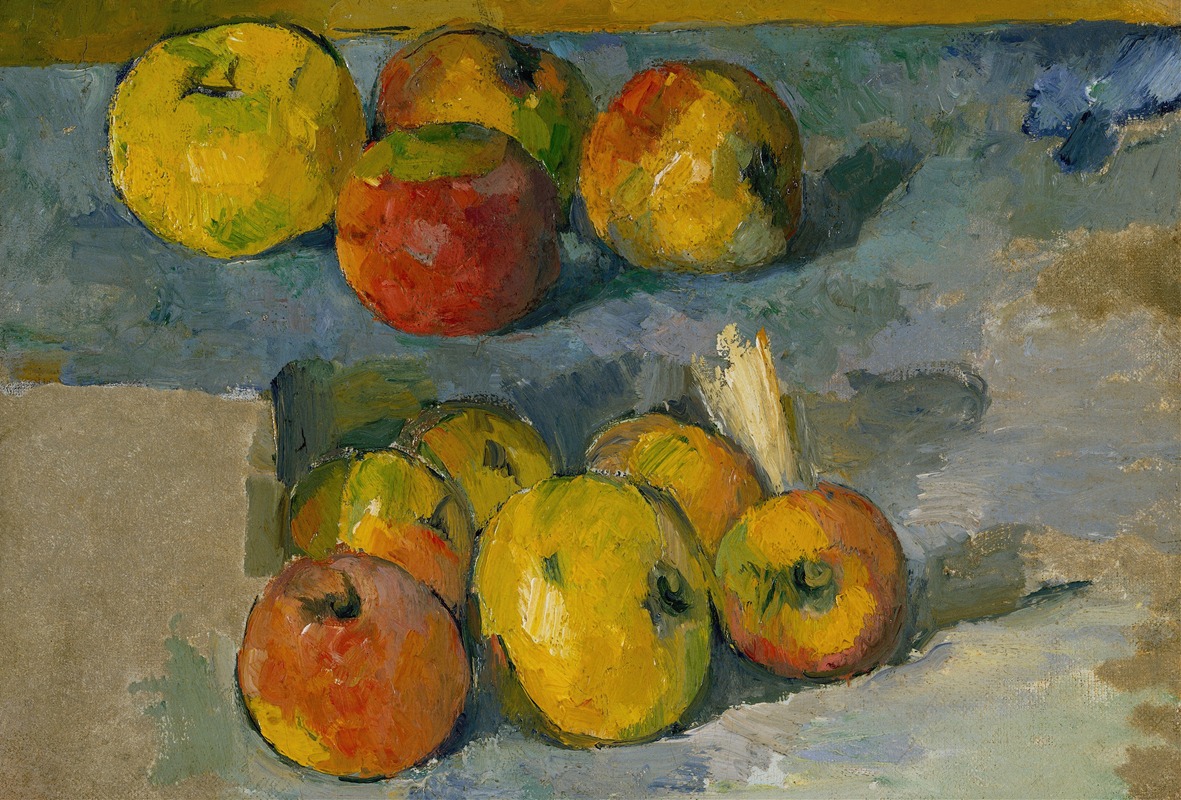
Apples
Paul Cézanne
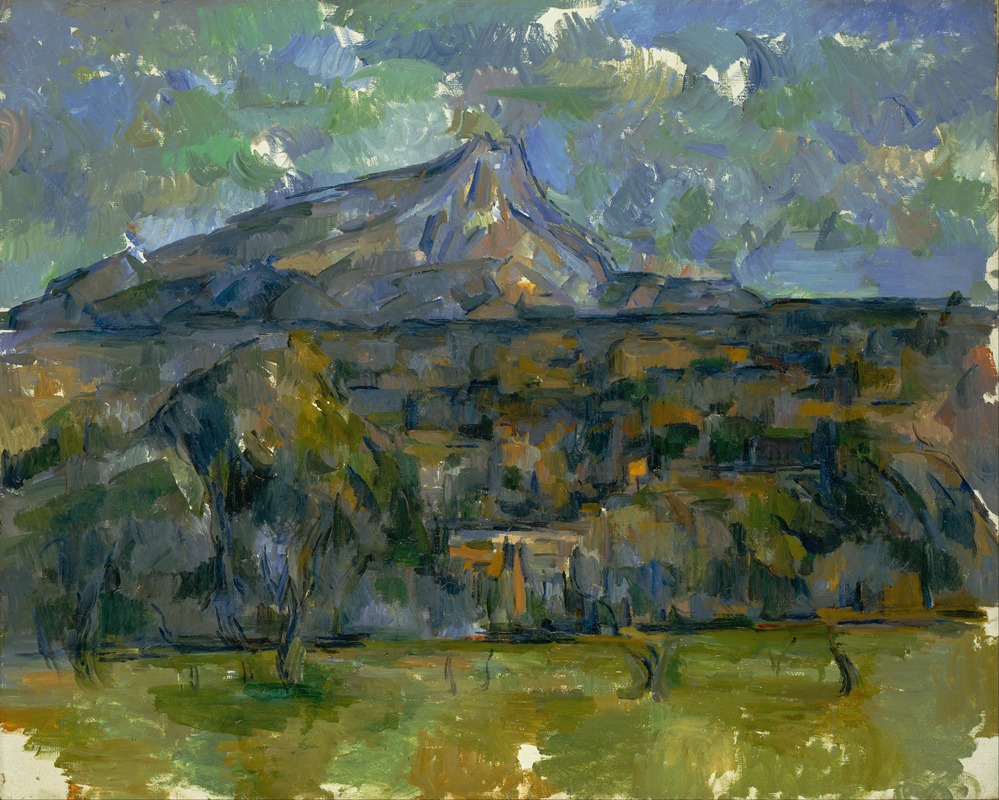
Mont Sainte-Victoire
Paul Cézanne
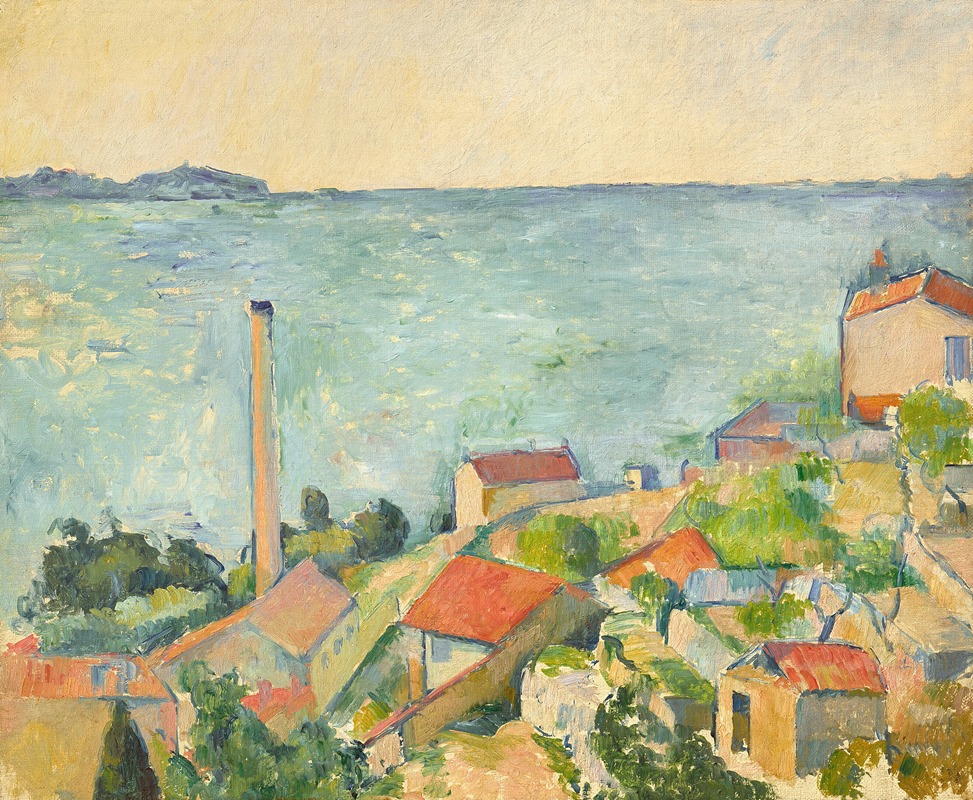
La mer à l’Estaque
Paul Cézanne
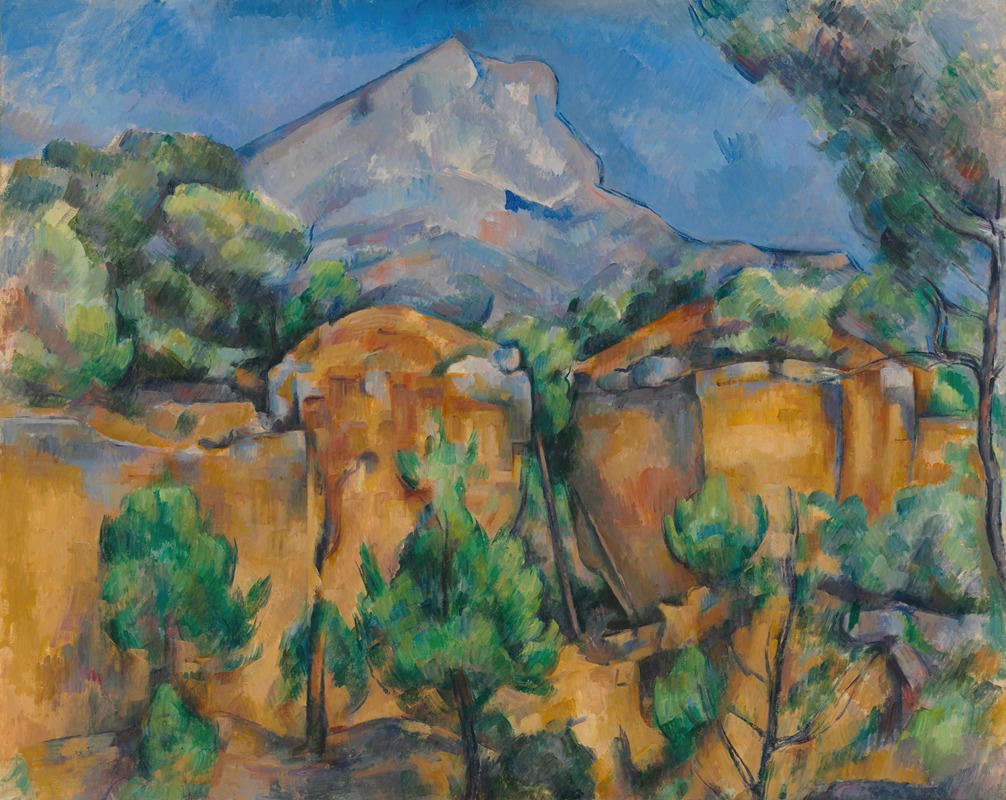
La Montagne Sainte-Victoire vue de la carrière Bibémus
Paul Cézanne
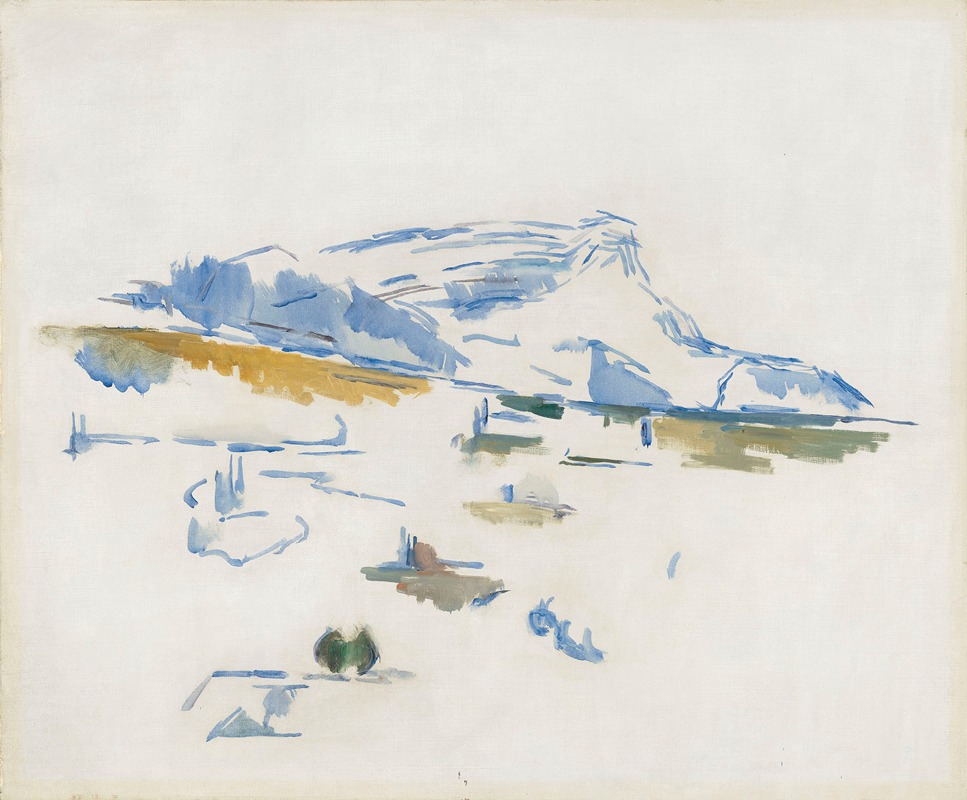
La Montagne Sainte-Victoire vue des Lauves
Paul Cézanne