
Le village à travers les arbres — History & Facts
This sentiment resonates deeply when gazing upon the landscape work of the era, where every rural scene is steeped in the quiet revolution of life itself. In this moment, a village emerges from a tapestry of foliage, capturing not just a place but the essence of an age transforming before our eyes. Look to the left at the vibrant greens that frame the canvas, pulling your gaze inward toward the quaint structures nestled among trees. Notice how the interplay of light dances across the rooftops, each stroke revealing textures and depth.
The delicate brushwork conveys a sense of movement, as if the viewer can feel a gentle breeze rustling through the leaves. The palette—soft earth tones against hints of azure—invites a sense of harmony, drawing you deeper into the tranquil scenery. Yet beneath this serene beauty lies a poignant contrast. The village, seemingly untouched, exists amidst the upheaval of modernization and industrialization.
The trees stand like silent sentinels, witnesses to the slow encroachment of change, reflecting a tension between tradition and progress. Each element in the composition subtly speaks of resilience and nostalgia, evoking the emotional weight of a community on the brink of transformation. Created in 1869, this piece emerged during a pivotal time for its creator, who was deeply engaged in the Impressionist movement. Pissarro worked in the rural landscapes of France, seeking to capture the reality of village life amid an evolving society.
The shift from historical methods to a more modern approach in art mirrored the social changes around him, as he endeavored to document both the idyllic and the inevitable changes reshaping his world.
More Artworks by Camille Pissarro
Browse all →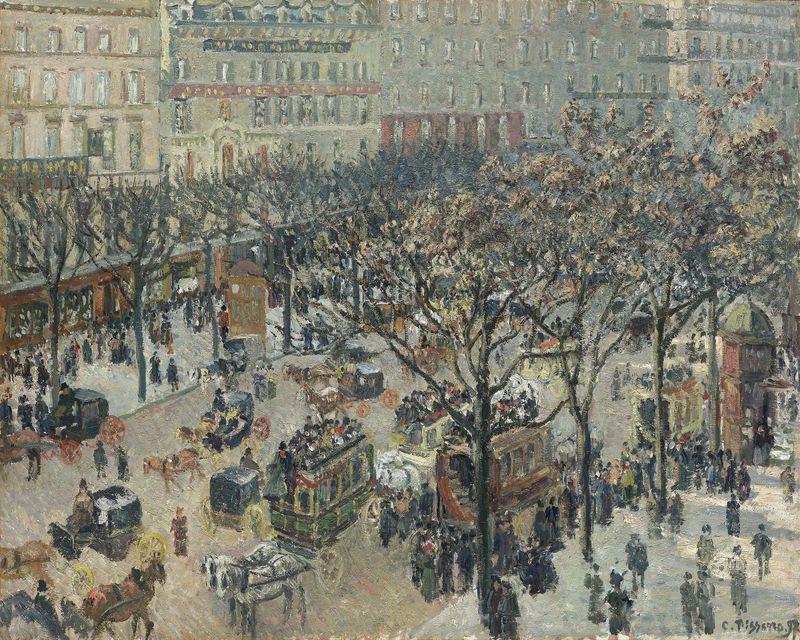
Boulevard des Italiens,Morning_Sunlight
Camille Pissarro
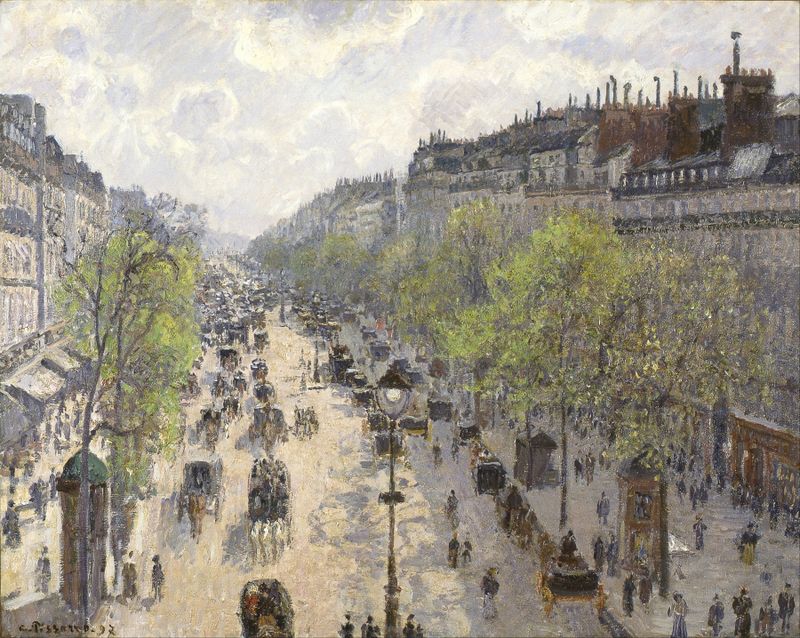
Boulevard Montmartre, Spring
Camille Pissarro
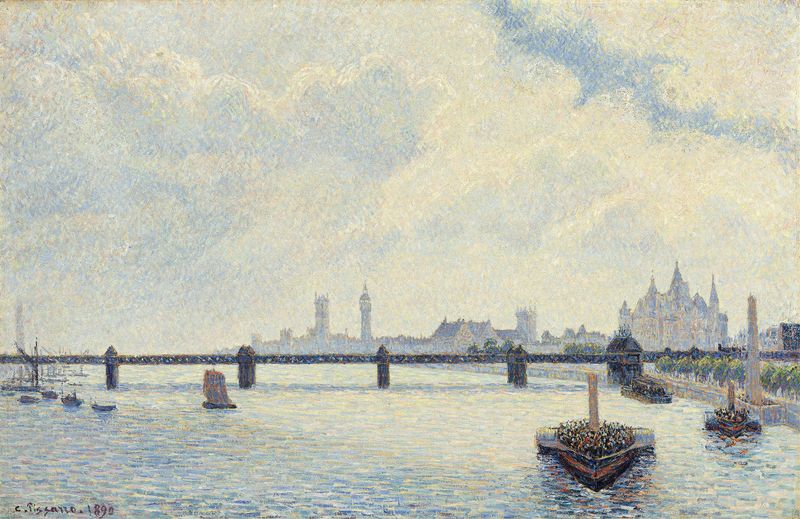
Charing Cross Bridge,London
Camille Pissarro
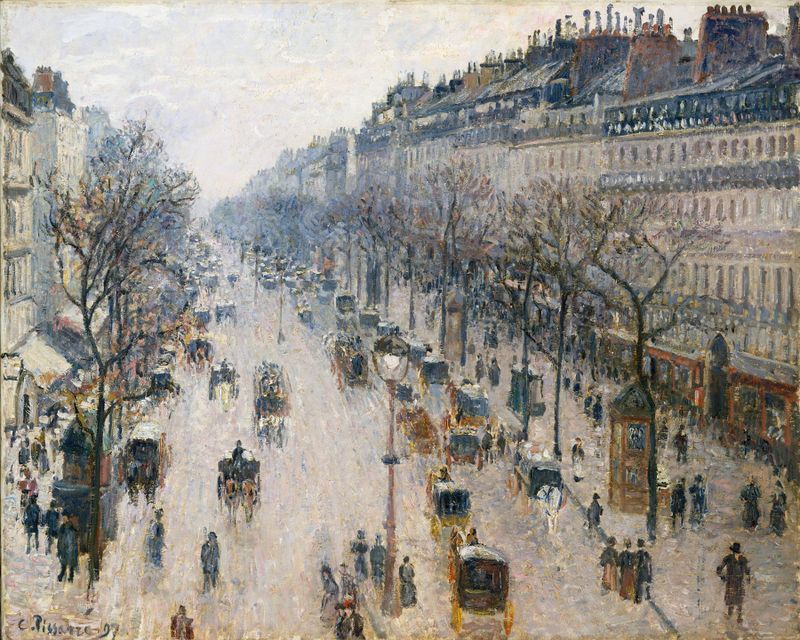
The Boulevard Montmartre on a Winter Morning
Camille Pissarro
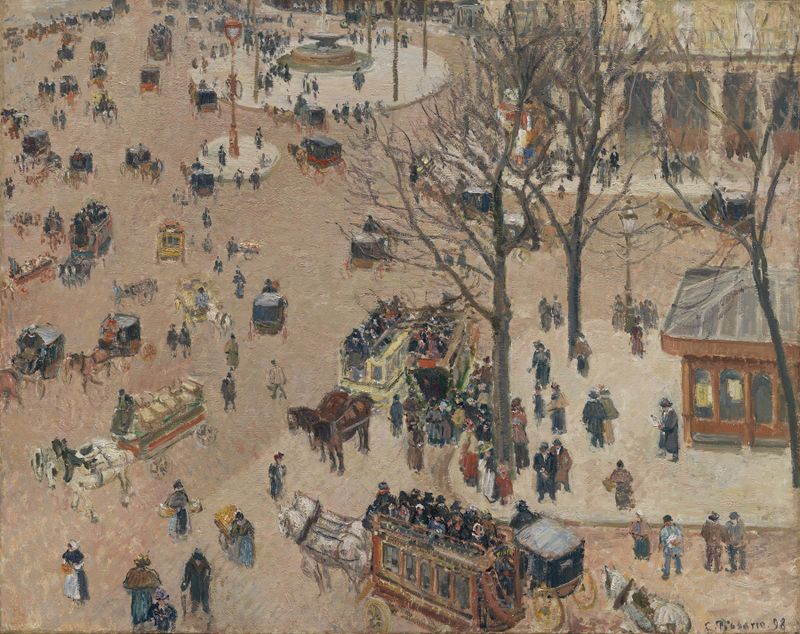
La Place du Théâtre Français
Camille Pissarro

Rue Saint-Lazare, Paris
Camille Pissarro
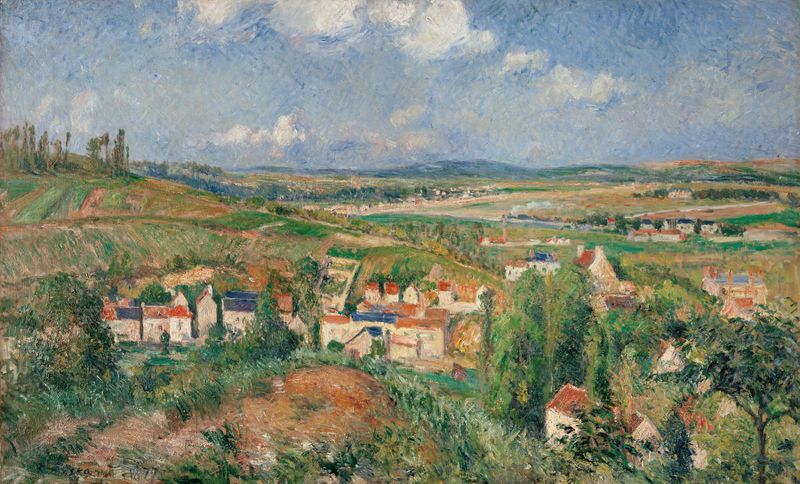
L’hermitage En Été, Pontoise
Camille Pissarro

Place du Theatre Francais,Fog Effect
Camille Pissarro
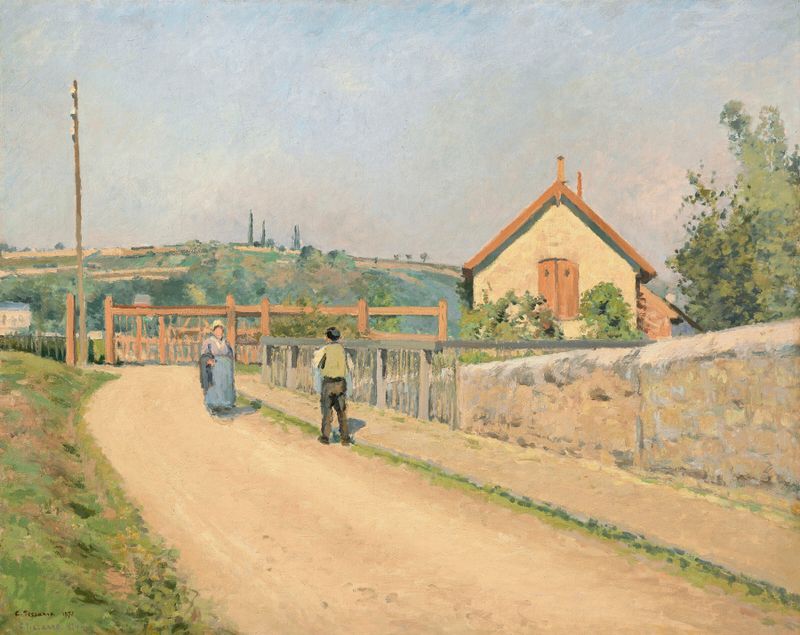
La barrière du chemin de fer, aux Pâtis près Pontoise
Camille Pissarro
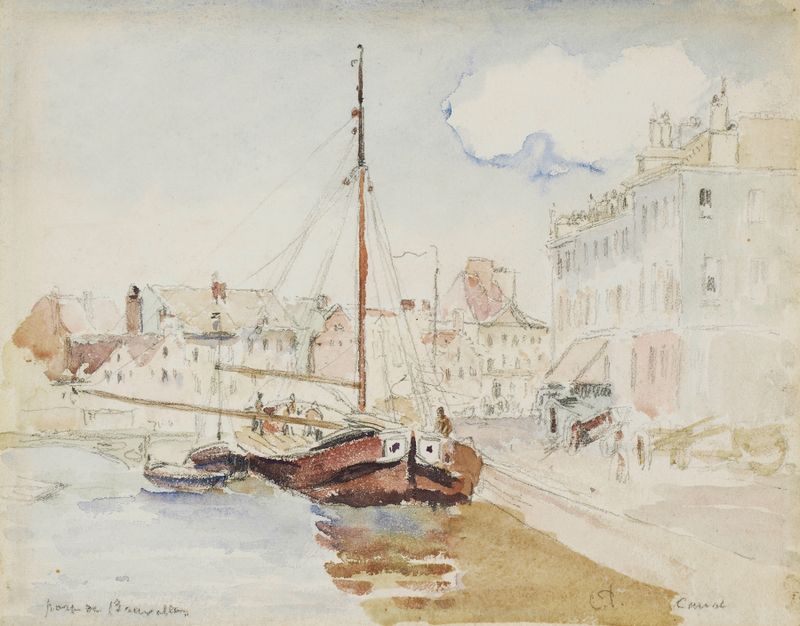
Port de Bruxelles
Camille Pissarro





