Leda en de zwaan — History & Facts
Can beauty exist without sorrow? In Leda en de zwaan, a haunting duality unfolds, inviting viewers to reflect on the complexities of desire and obsession. Look to the center; there, Leda’s form is entwined with the swan, a striking contrast between her delicate figure and the powerful creature. The artist employs a soft palette with muted earth tones, allowing gentle highlights to caress Leda’s skin, while shadowy depths accentuate the swan's imposing wing and regal stature. This dynamic interplay of light and shadow creates a palpable tension, as if the viewer is caught in a moment both tender and foreboding. Delve deeper into the composition, and you’ll notice the hesitant grasp of Leda's hand, a symbol of her internal conflict between fear and intrigue.
The distant landscape hints at an idyllic world, yet it is marred by the drama of her embrace, suggesting that beauty often emerges from darker origins. The swan’s penetrating gaze seems not only to seduce but to ensnare, reflecting the boundaries between passion and peril. In this subtle dance of gestures, the underlying obsession becomes clear—an intoxicating lure that is as captivating as it is dangerous. Hans Sebald Beham painted this work in 1548 while working in Nuremberg, during a period when Northern Mannerism was beginning to flourish.
Influenced by the classical themes of mythology, the artist’s focus on emotional depth and psychological complexity was part of a broader transition in art, where themes of human experience were explored with greater intensity.
More Artworks by Hans Sebald Beham
Browse all →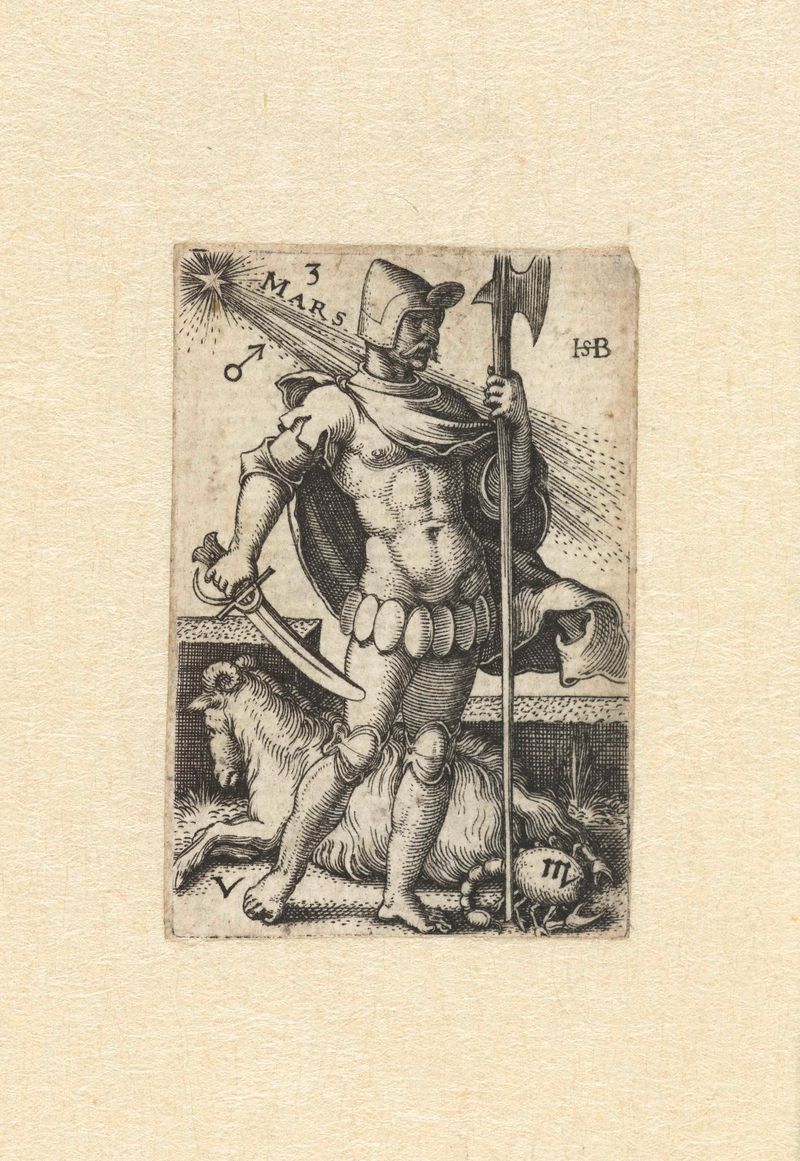
Mars met sterrenbeelden Ram en Schorpioen
Hans Sebald Beham

Achilles in gevecht met Hector
Hans Sebald Beham
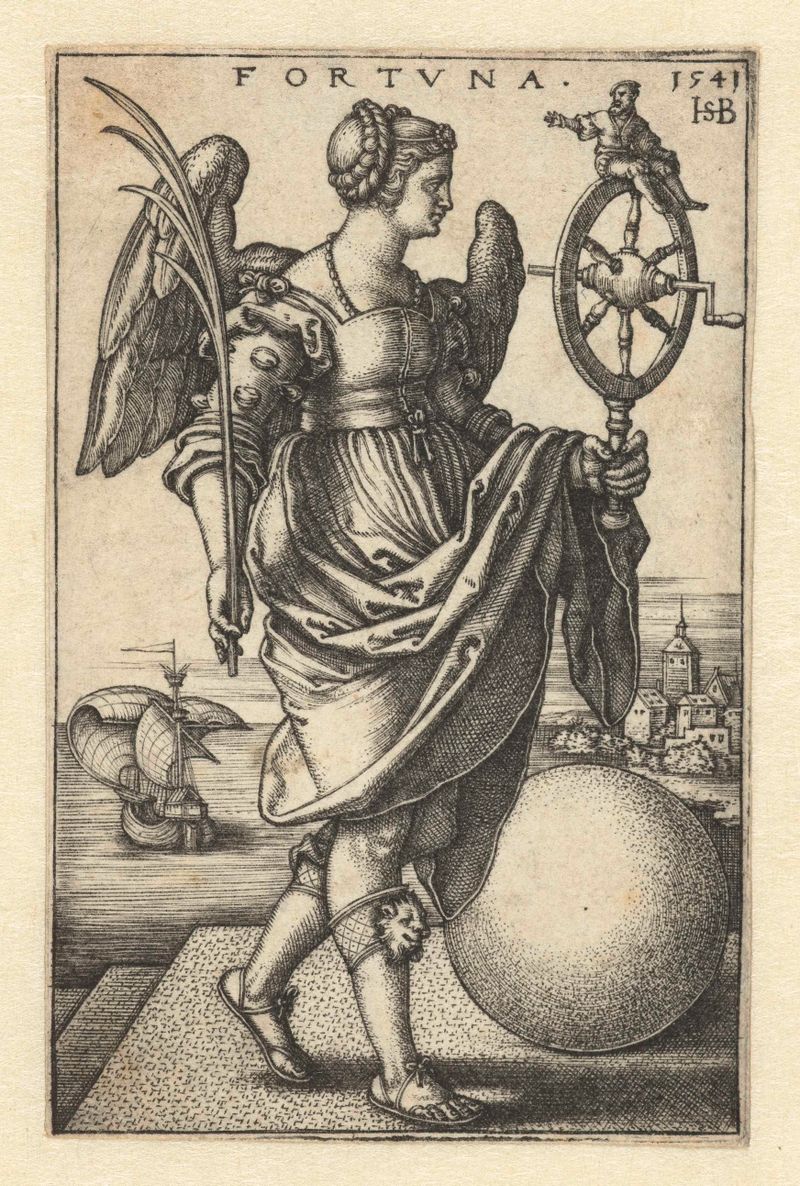
Fortuna
Hans Sebald Beham

Hercules worstelt met Antaeus
Hans Sebald Beham

Twee muzikanten met schalmey en doedelzak
Hans Sebald Beham

Voorzichtigheid (Prudentia)
Hans Sebald Beham

Hercules in gevecht met de Trojanen
Hans Sebald Beham
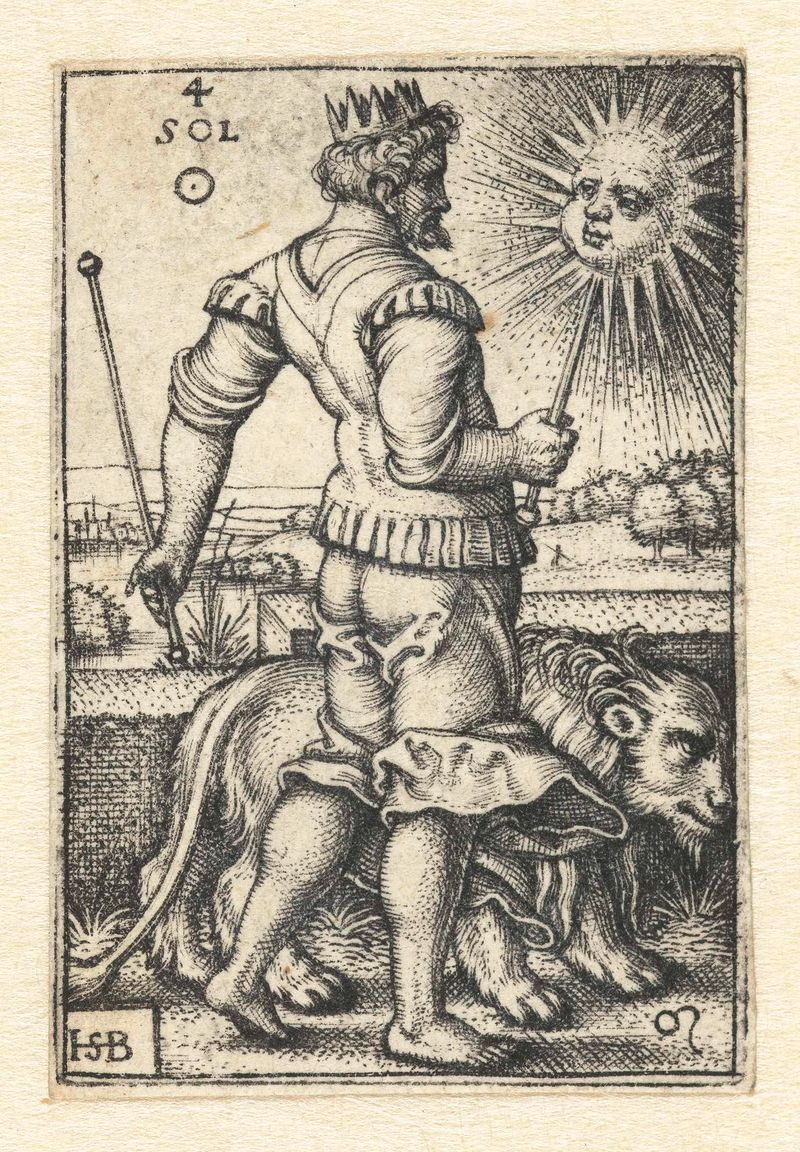
Apollo (Sol) met sterrenbeeld Leeuw
Hans Sebald Beham
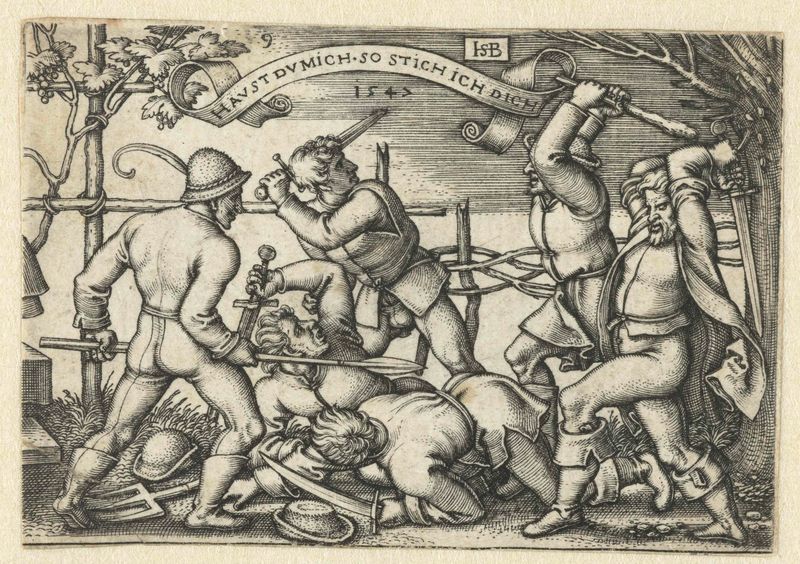
Vechtende boeren met zwaarden
Hans Sebald Beham
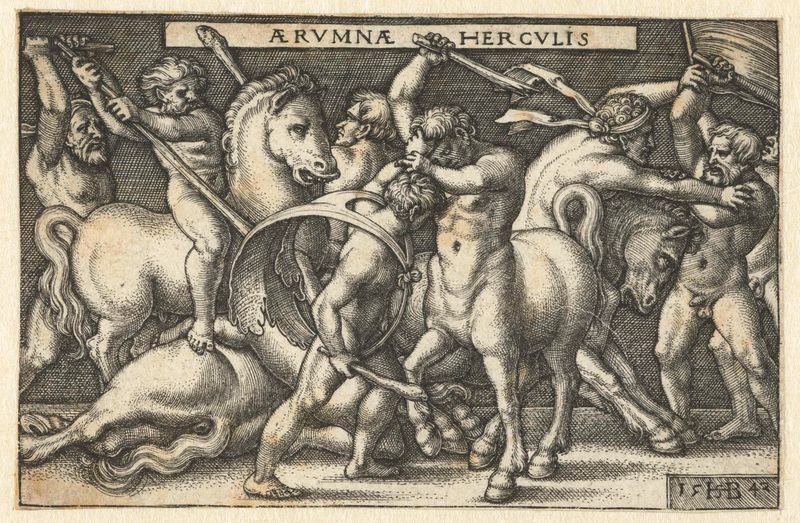
Hercules in gevecht met centaurs
Hans Sebald Beham