
Left Bank, Meuse — History & Facts
Can beauty exist without sorrow? The tranquil riverbank before us whispers of peace, yet beneath its calm surface lies an emotional depth that invites reflection. Look closely at the gentle curves of the Meuse as it meanders through the landscape. The soft greens of the foliage blend seamlessly with the warm, golden hues of a setting sun, casting a serene glow over the scene. Notice how the artist employs delicate brushstrokes to capture the shimmering water, creating a sense of movement that contrasts with the stillness of the trees lining the bank.
The composition draws your eye to a solitary figure, perhaps a wanderer lost in thought, embodying the quiet contemplation of nature’s beauty. Yet, amid this idyllic landscape, tension exists. The muted colors evoke a sense of nostalgia, suggesting the passage of time and hinting at fleeting moments of happiness. The lone figure’s posture speaks of introspection, possibly reflecting the weight of unexpressed emotions.
This interplay of serenity and longing creates a poignant reminder of life's dualities, where moments of peace are often tinged with an undercurrent of sorrow. George Arnald painted this work between 1818 and 1828, a time marked by personal turmoil and artistic exploration. Living in France during a period of significant social change, he sought refuge in nature, creating landscapes that captured both beauty and emotional depth. His commitment to conveying the subtleties of light and atmosphere positioned him uniquely within the Romantic movement, a time when artists were drawn to the complexities of human experience reflected in the natural world.
More Artworks by George Arnald
Browse all →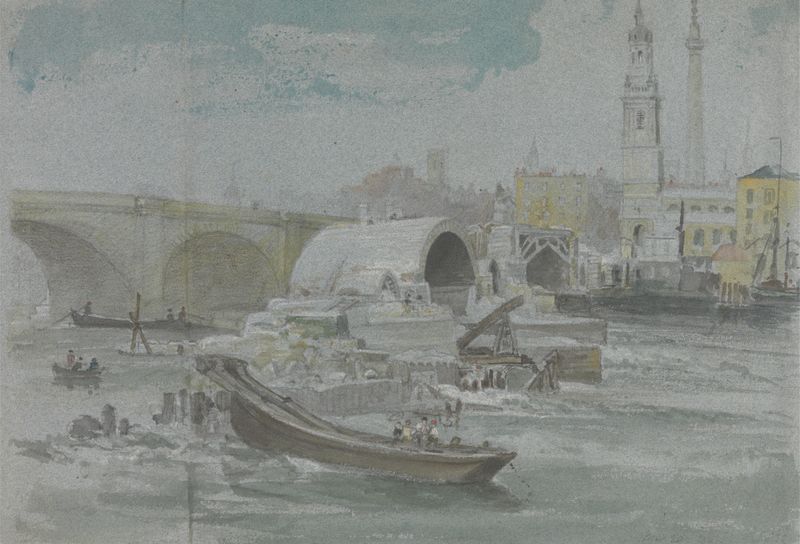
The Demolition of Old London Bridge
George Arnald
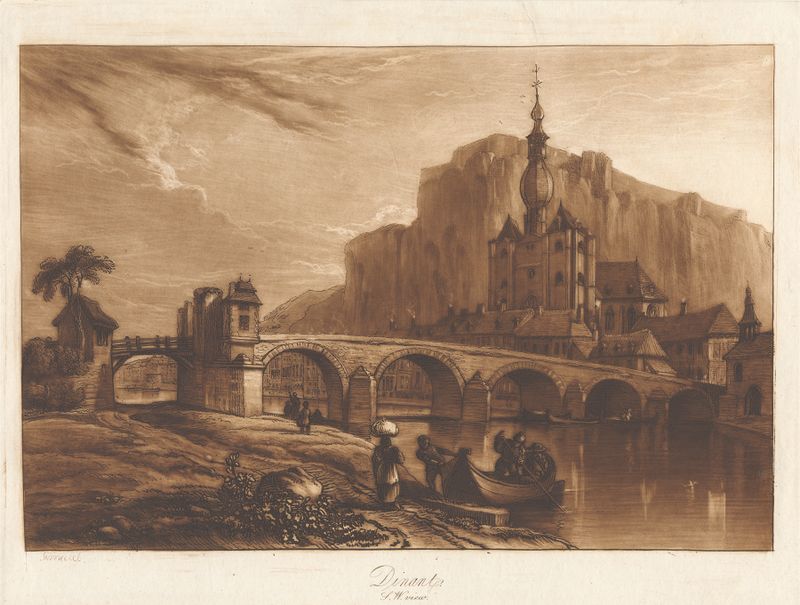
Dinant, No. 1: Southwest View
George Arnald
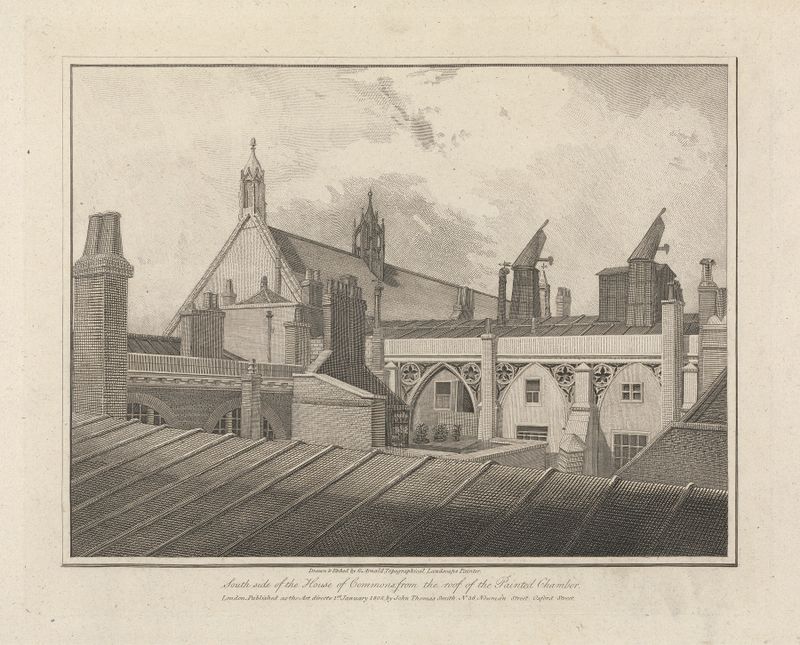
South Side of the House of Commons, from the Roof of the Painted Chamber
George Arnald
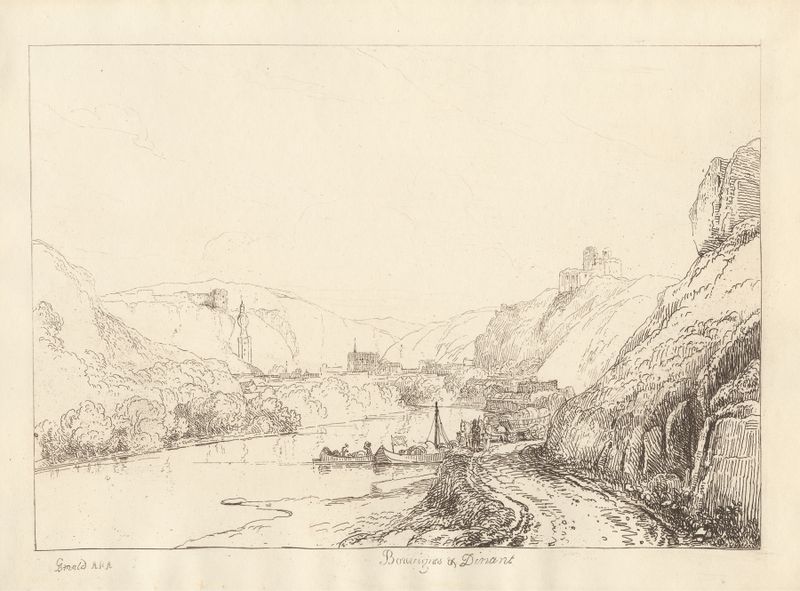
Bouvignes and Dinant
George Arnald
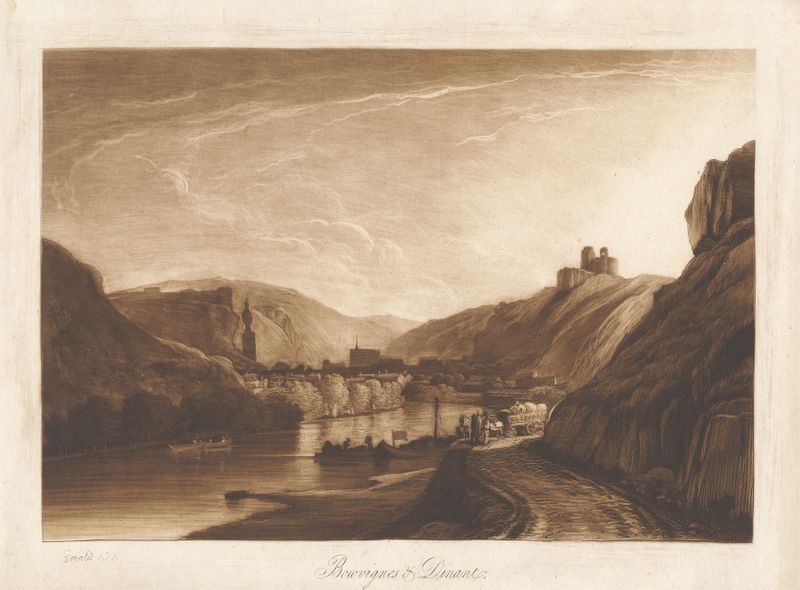
Bouvignes and Dinant
George Arnald

Dinant, No. 1: Southwest View
George Arnald
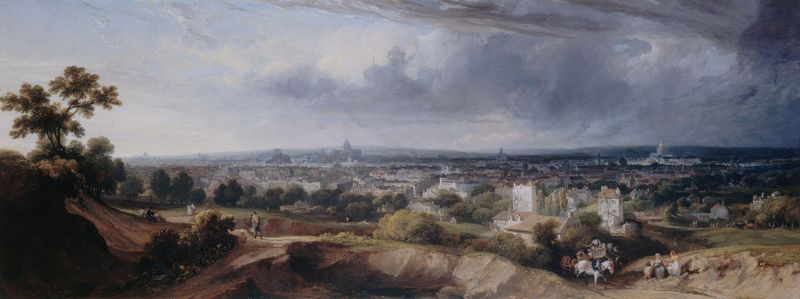
Paris, vu des hauteurs de Montmartre
George Arnald
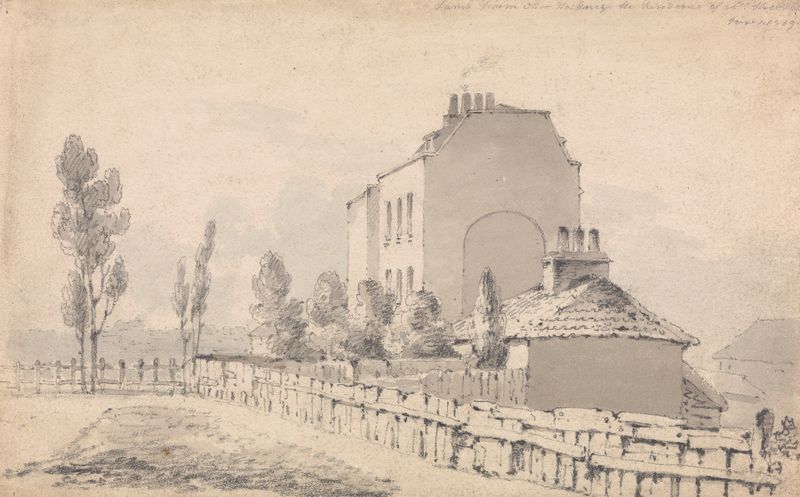
Lamb Farm near Hackney, the Residence of Hick: Richmond Road
George Arnald

Left Bank, Meuse
George Arnald
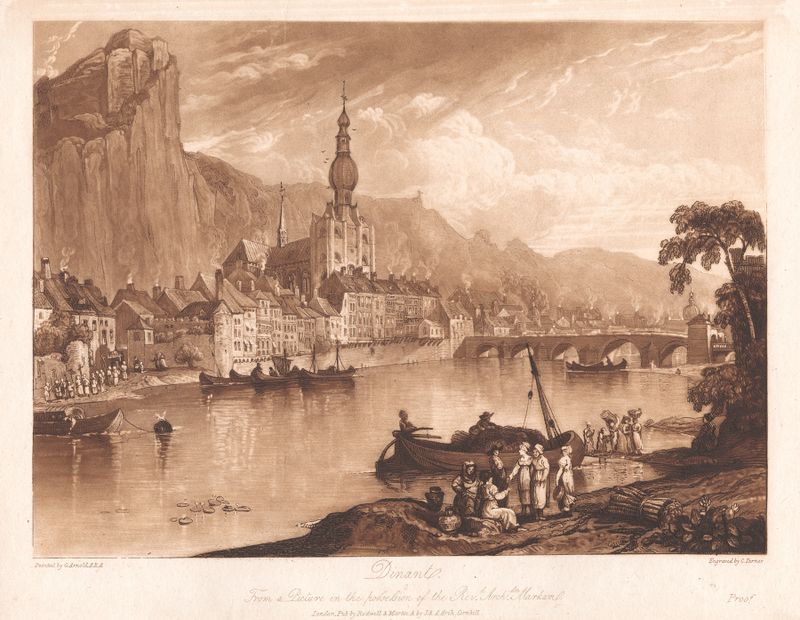
Dinant
George Arnald





