
L’embouchure Du Bosphore — History & Facts
In the dance between nature and time, decay breathes imagination into life, revealing beauty amid destruction. Look to the foreground, where the gentle lapping of the Bosphorus merges with the crumbling remnants of architecture, amplifying the sense of transience. Notice how the artist employs a palette of muted blues and earthy browns, allowing the fading light to create a soft glow that bathes the ancient structures. The delicate brushwork invites the viewer to peer into the intricate interplay of water and stone, revealing the texture of time’s passage across the landscape. The juxtaposition of the vibrant life in the water against the decay of manmade structures speaks to the relentless march of nature.
The small boats dotting the scene serve as symbols of resilience, navigating through a world that is both beautiful and fleeting. A subtle tension emerges between the vitality of the present and the inevitable decay of the past, evoking an emotional response to both loss and continuity. During the late 19th century, Félix Ziem painted this work amid a burgeoning interest in depicting landscapes infused with light and atmosphere. It reflects his time spent in Venice and Istanbul, cities at the crossroads of history, where ancient remnants coexist with the vibrancy of daily life.
Art movements were shifting, and his work helped lay the foundation for later explorations of light and color, capturing the essence of a world in transition.
More Artworks by Félix Ziem
Browse all →
Venise
Félix Ziem
Coucher De Soleil À Venise
Félix Ziem
Constantinople
Félix Ziem
La place Saint-Marc, inondation de 1863
Félix Ziem
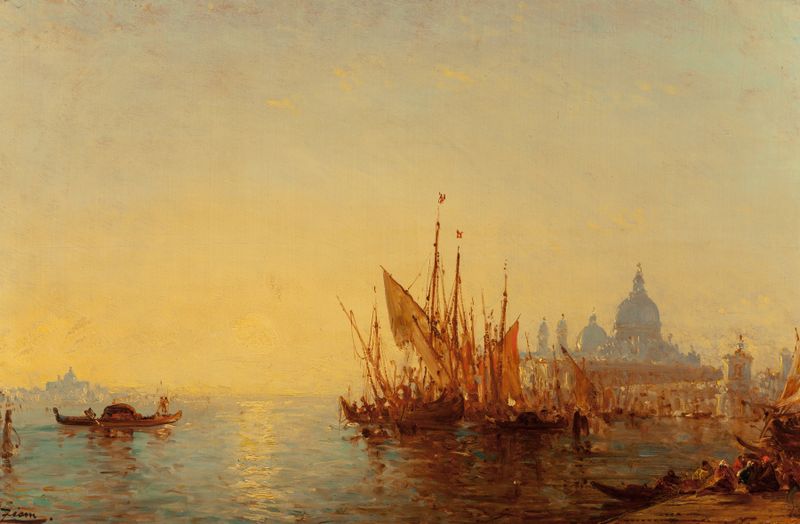
Bacino di San Marco
Félix Ziem
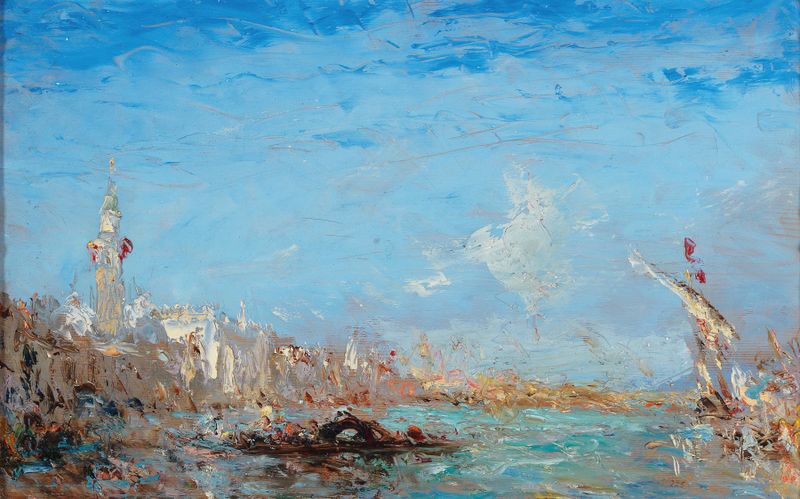
Canal Grande
Félix Ziem
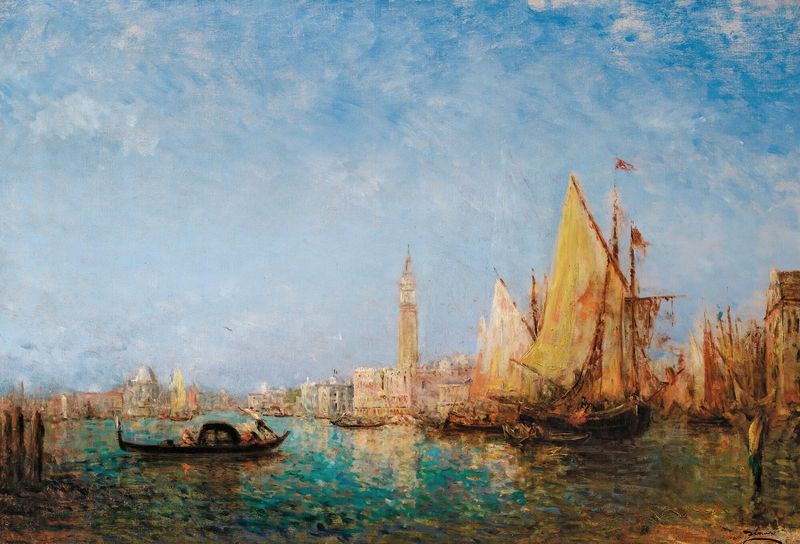
Le Palais Du Doge, Venise
Félix Ziem
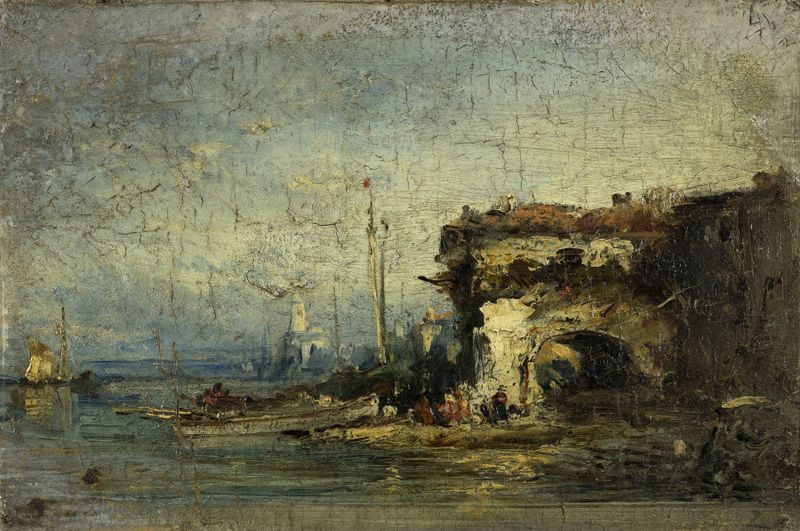
Vue d’Italie; la vieille porte
Félix Ziem
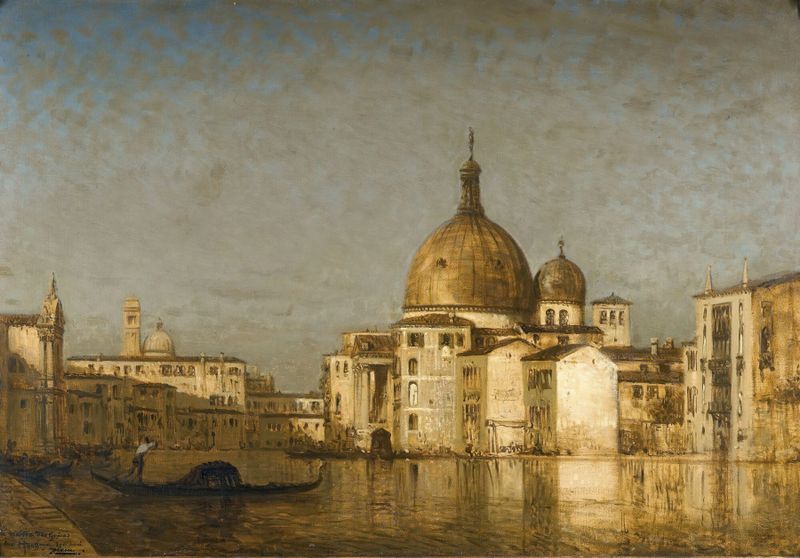
San Simeone Piccolo Au-Delà Du Grand Canal, Venis
Félix Ziem
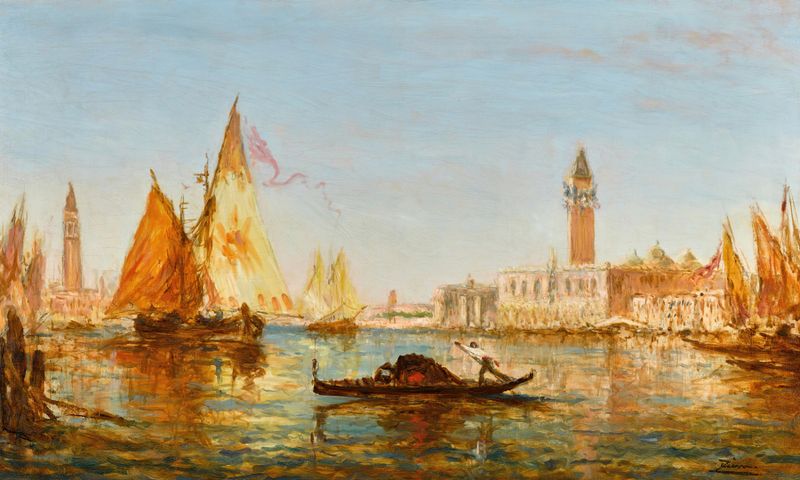
Venise, gondole et voiliers devant le Palais des doges et San Giorgio Maggiore
Félix Ziem





