
Leonidas At Thermopylae — History & Facts
In Leonidas At Thermopylae, Jacques Louis David presents a dramatic scene filled with tension. The painting features Leonidas, the Spartan king, surrounded by his warriors, all in various poses of defiance. The color palette is dominated by deep reds and earthy tones, emphasizing the gravity of the moment.
The figures are muscular and heroic, embodying the ideals of strength and sacrifice. The painting is executed in oil on canvas, showcasing David's skill in rendering human anatomy and emotion. The composition is carefully arranged, with a triangular formation of figures that draws the viewer's eye to Leonidas at the center. The use of light and shadow enhances the three-dimensionality of the figures, creating a sense of depth.
David's attention to detail is evident in the textures of the clothing and the expressions on the faces. Jacques Louis David was a leading figure in the Neoclassical movement, which sought to revive the classical ideals of ancient Greece and Rome. Leonidas At Thermopylae was painted in 1814, during a time of political turmoil in France, reflecting themes of heroism and sacrifice. An interesting fact about this work is that it was inspired by the historical battle of Thermopylae, where Leonidas and his men made a legendary stand against overwhelming odds.
This painting remains a powerful symbol of courage and patriotism.
More Artworks by Jacques Louis David
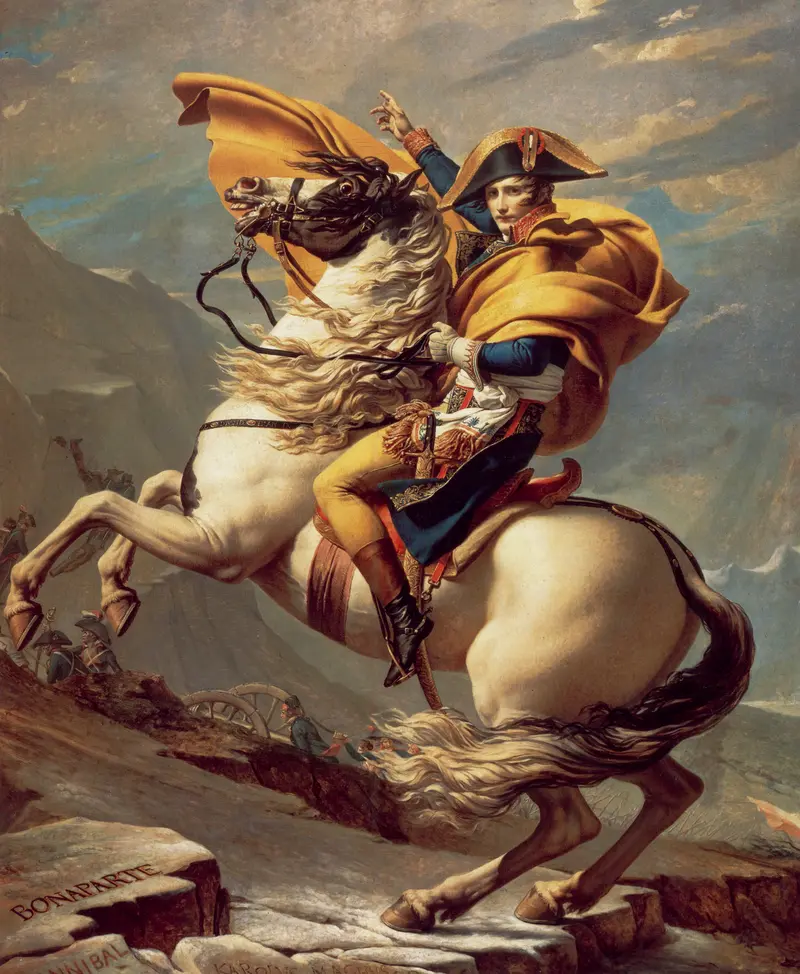
Napoleon Crossing the Alps
Jacques Louis David
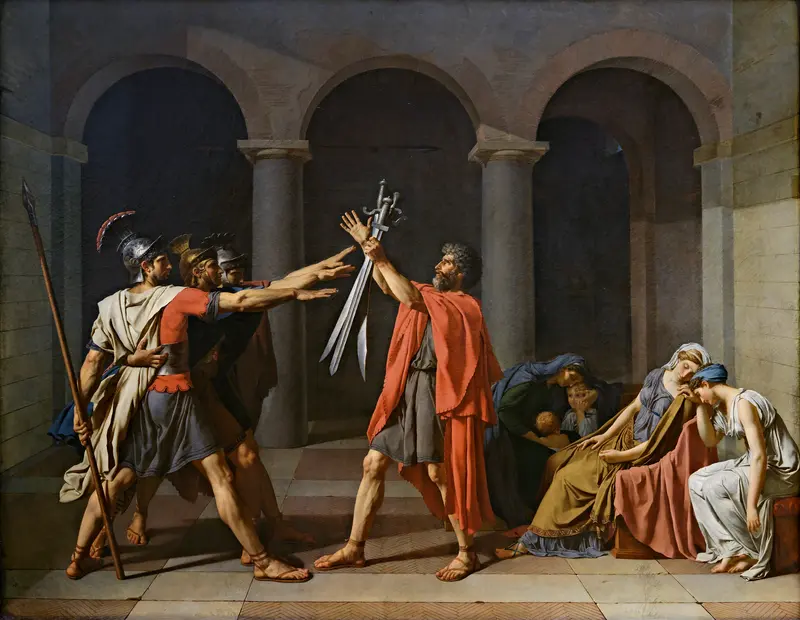
Oath Of The Horatii
Jacques Louis David

The Death of Marat
Jacques Louis David
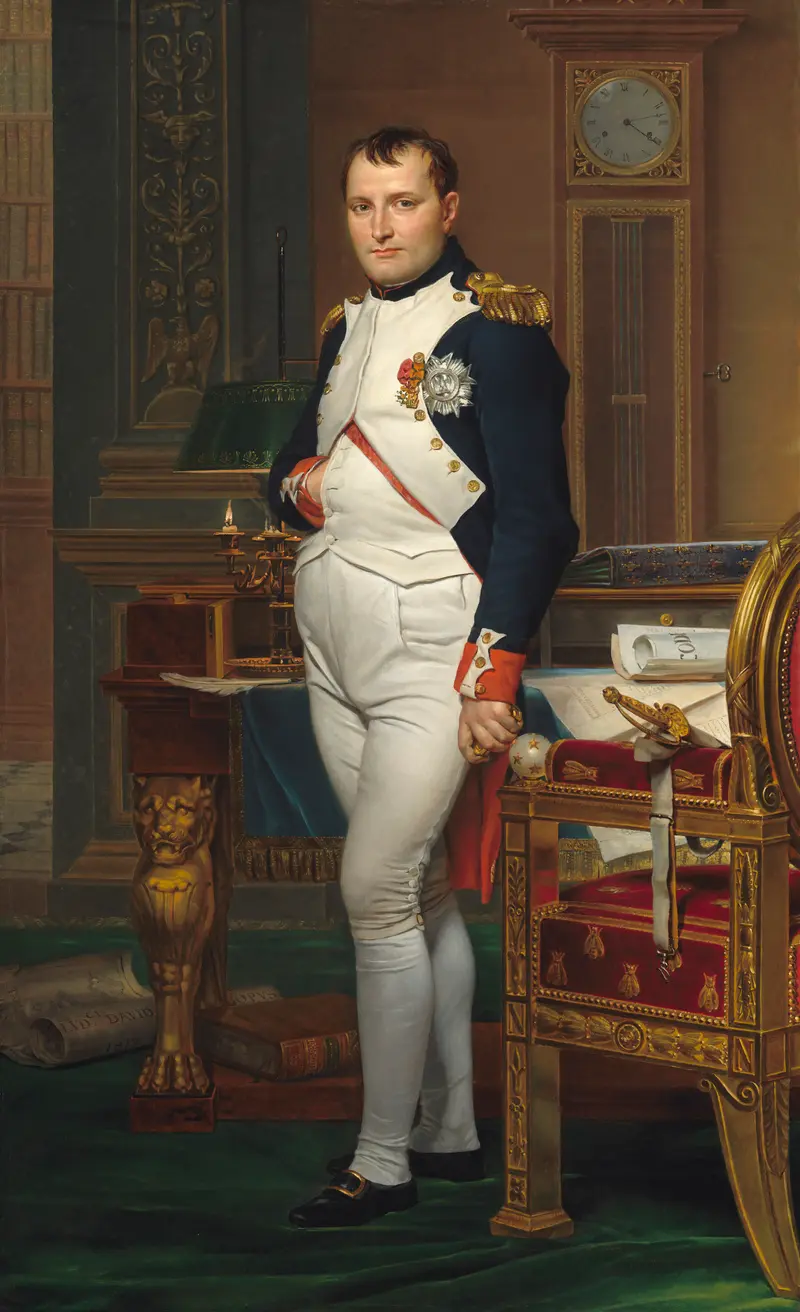
The Emperor Napoleon in His Study at the Tuileries
Jacques Louis David
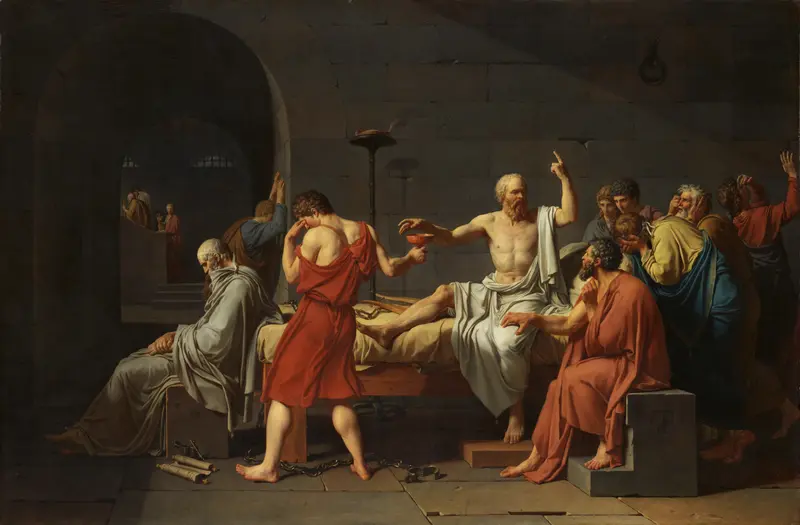
The Death of Socrates
Jacques Louis David
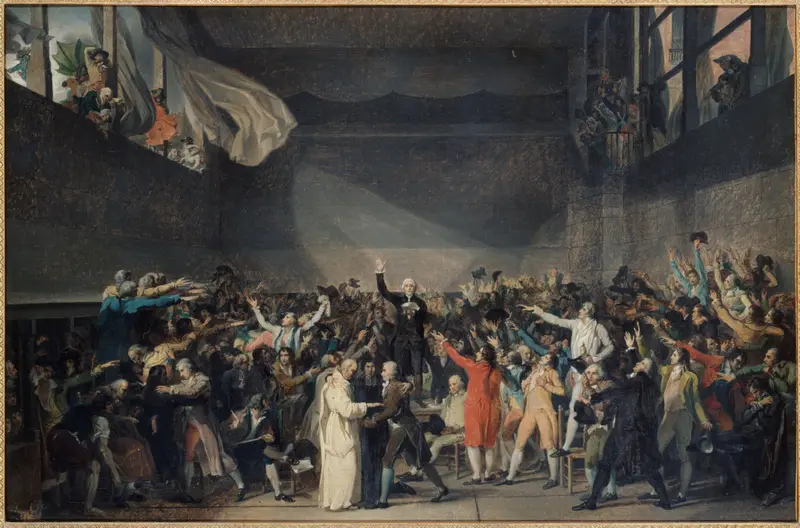
Serment Du Jeu De Paume, Le 20 Juin
Jacques Louis David
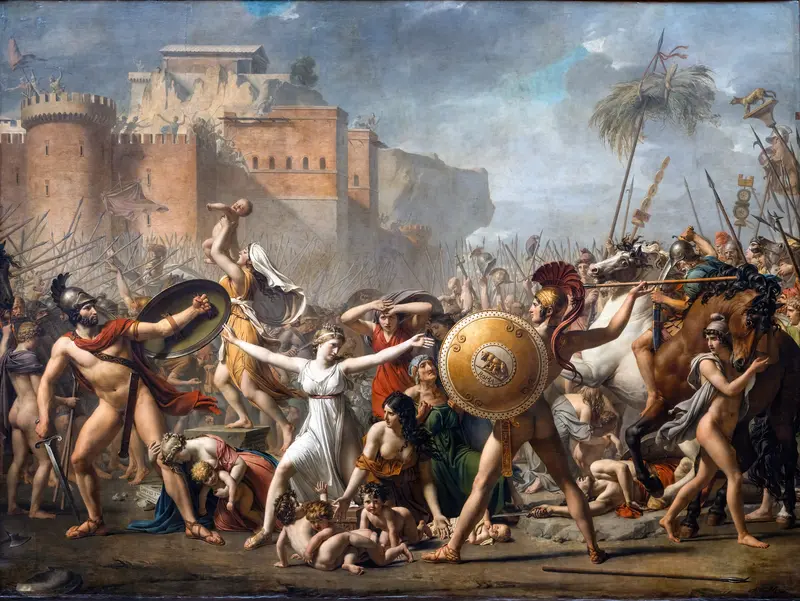
The Intervention Of The Sabine Women
Jacques Louis David

Antoine Laurent Lavoisier (1743–1794) and Marie Anne Lavoisier (Marie Anne Pierrette Paulze, 1758–1836)
Jacques Louis David
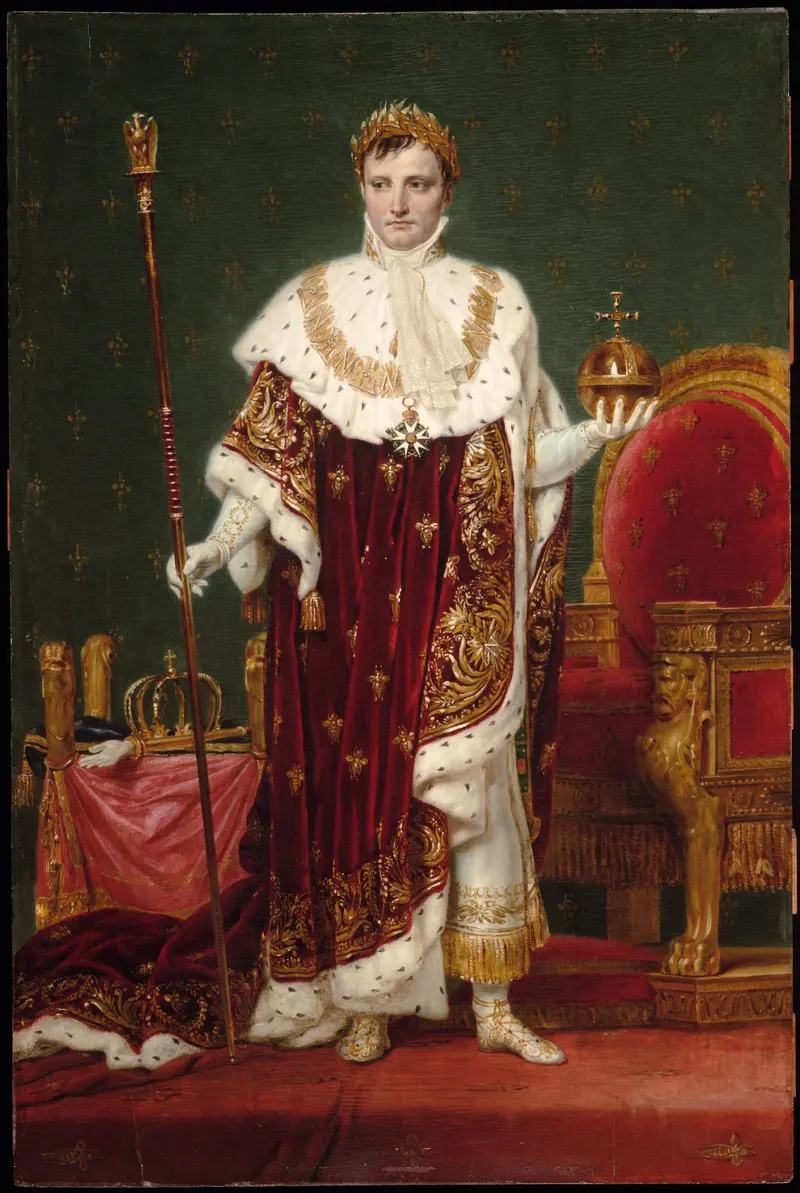
Emperor Napoleon I (1769-1821)
Jacques Louis David
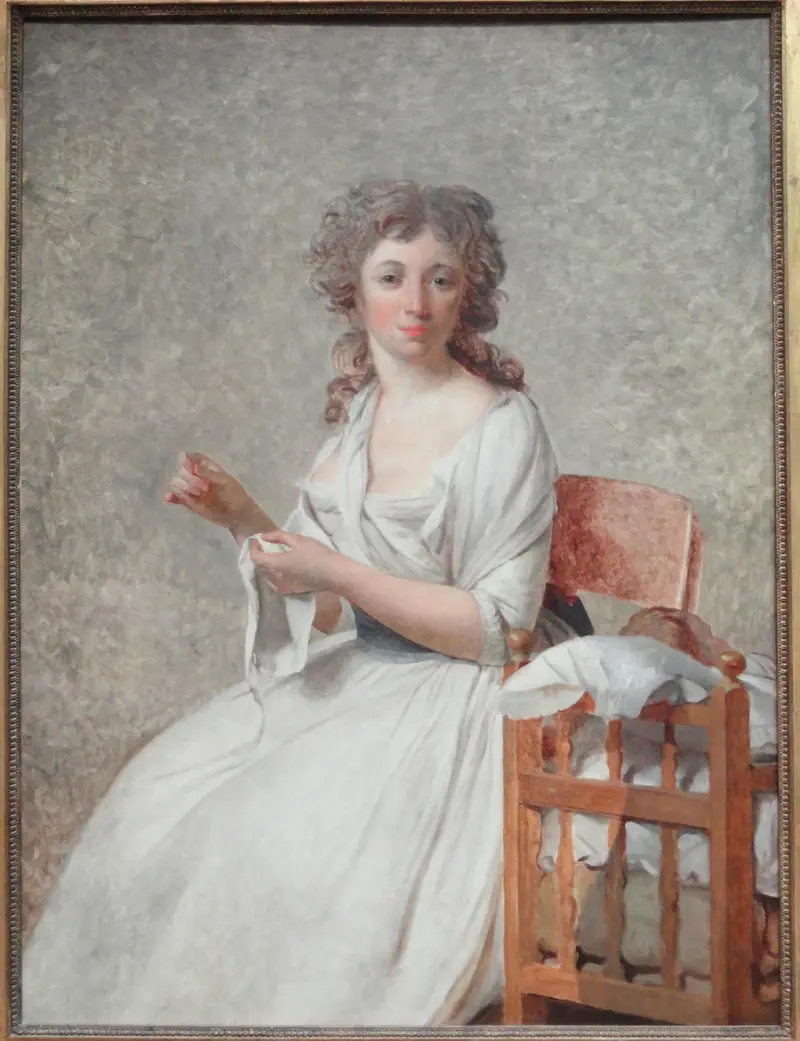
Madame de Pastoret and Her Son
Jacques Louis David





