
Léopold Zborowski — History & Facts
When Amedeo Modigliani painted Léopold Zborowski in 1916, he was capturing not just a friend and supporter, but the man who would become his most important patron. Zborowski, a Polish poet and art dealer, was instrumental in sustaining Modigliani through the lean years of the First World War, often providing him with money, materials, and encouragement. Their partnership was so close that Modigliani painted Zborowski multiple times, but this portrait stands out for the intimacy and quiet dignity it confers on its sitter.
The painting is a testament to the trust and mutual respect between artist and subject at a moment when both were struggling for recognition in Paris. In this portrait, Zborowski sits upright, his hands folded in his lap, his gaze steady but inward. Modigliani’s signature elongation of the face and neck is present, but here it seems to emphasize the sitter’s introspection rather than mere stylization. The muted palette and simplified background direct all attention to Zborowski’s thoughtful expression and elegant posture.
Unlike the flamboyant, decorative portraits of Kees van Dongen or the psychological intensity of Chaim Soutine, Modigliani’s approach is restrained, almost meditative, focusing on the inner life of his subject rather than external trappings. The subtle modeling of the face, with its almond eyes and gentle shadows, invites the viewer to contemplate the quiet strength of the man who helped shape Modigliani’s career. The precise medium of Léopold Zborowski is not always listed, but Modigliani most often worked in oil on canvas during this period. The painting remained in Zborowski’s possession for some years, a cherished memento of their friendship, before passing through several private collections.
Today, it stands as a key example of Modigliani’s mature portraiture, created during his most productive years in Montparnasse. The work’s journey reflects the shifting fortunes of both artist and dealer, and its survival is a reminder of the personal bonds that underpinned the Parisian avant-garde during the turbulence of the early twentieth century.
More Artworks by Amedeo Modigliani
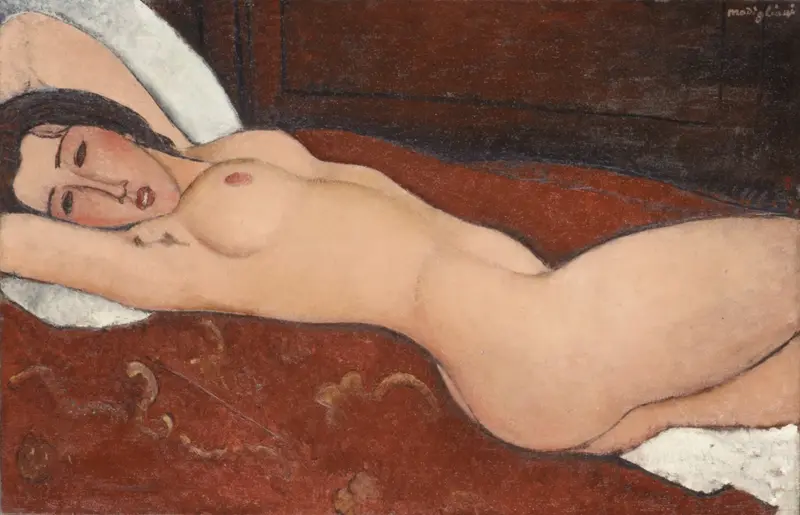
Reclining Nude
Amedeo Modigliani

Portrait Of Jeanne Hébuterne
Amedeo Modigliani

Jeanne Hébuterne
Amedeo Modigliani
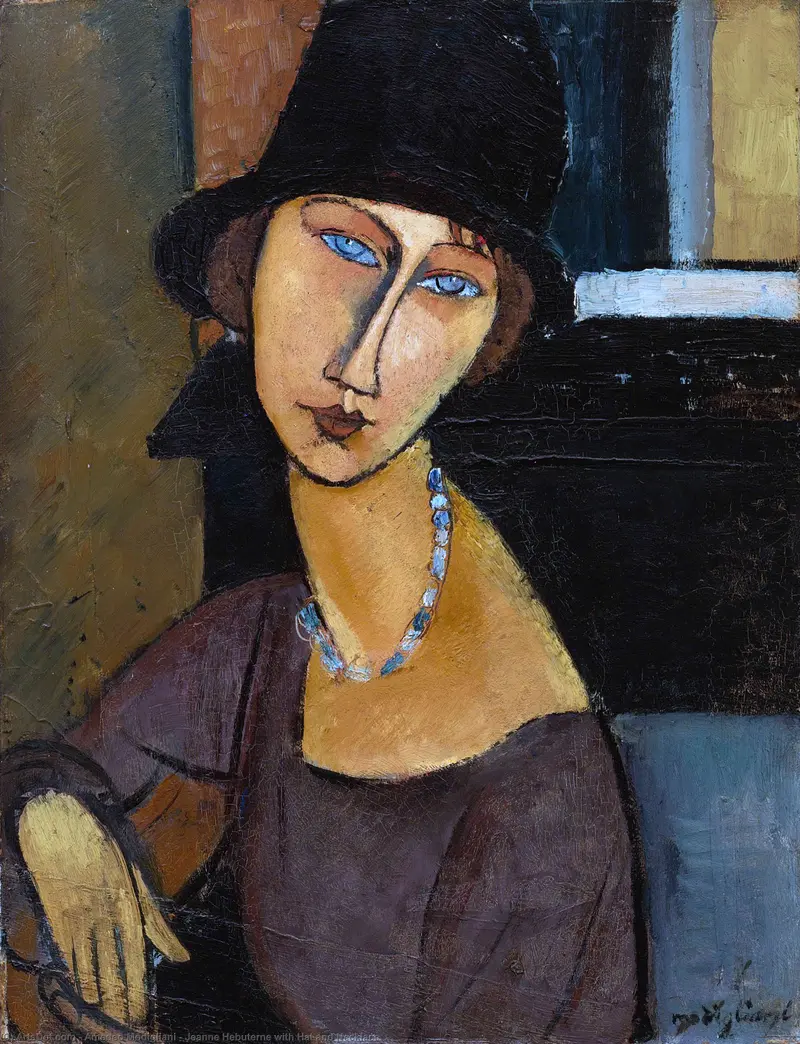
Jeanne Hébuterne with Hat and Necklace
Amedeo Modigliani
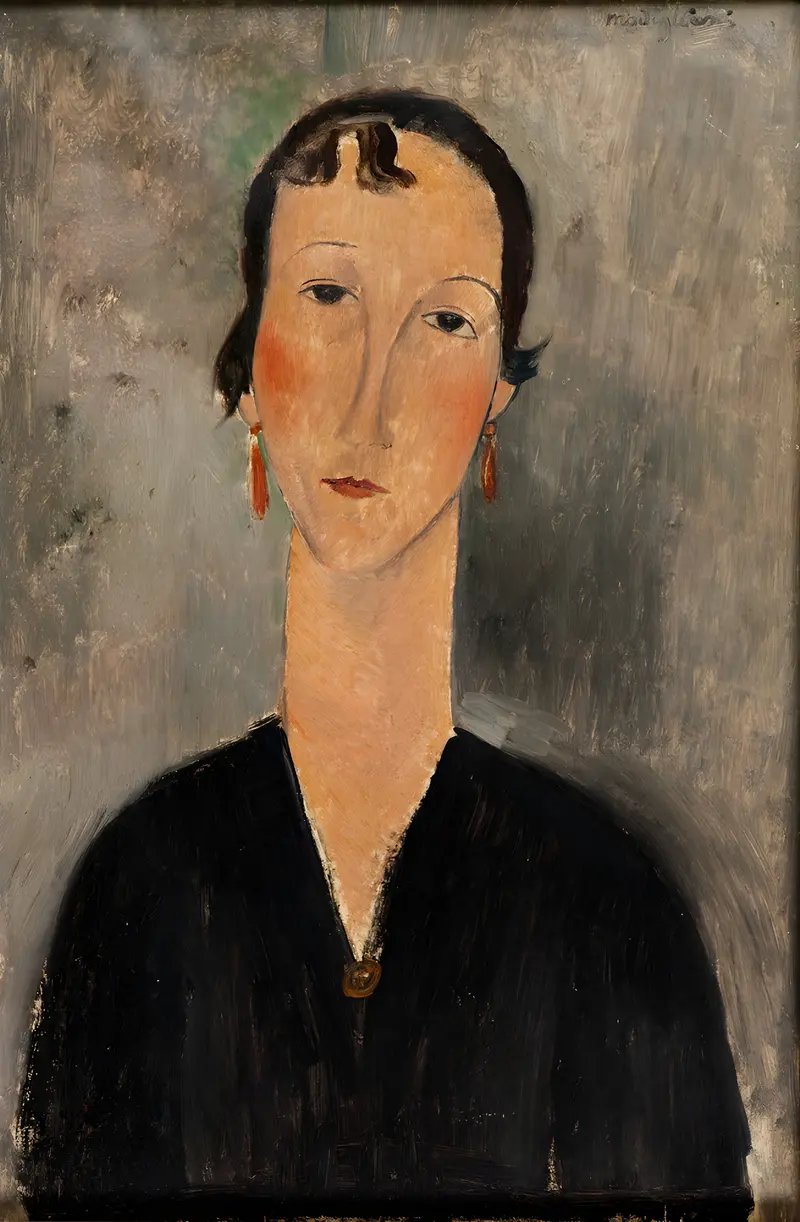
Femme aux boucles d'oreilles
Amedeo Modigliani
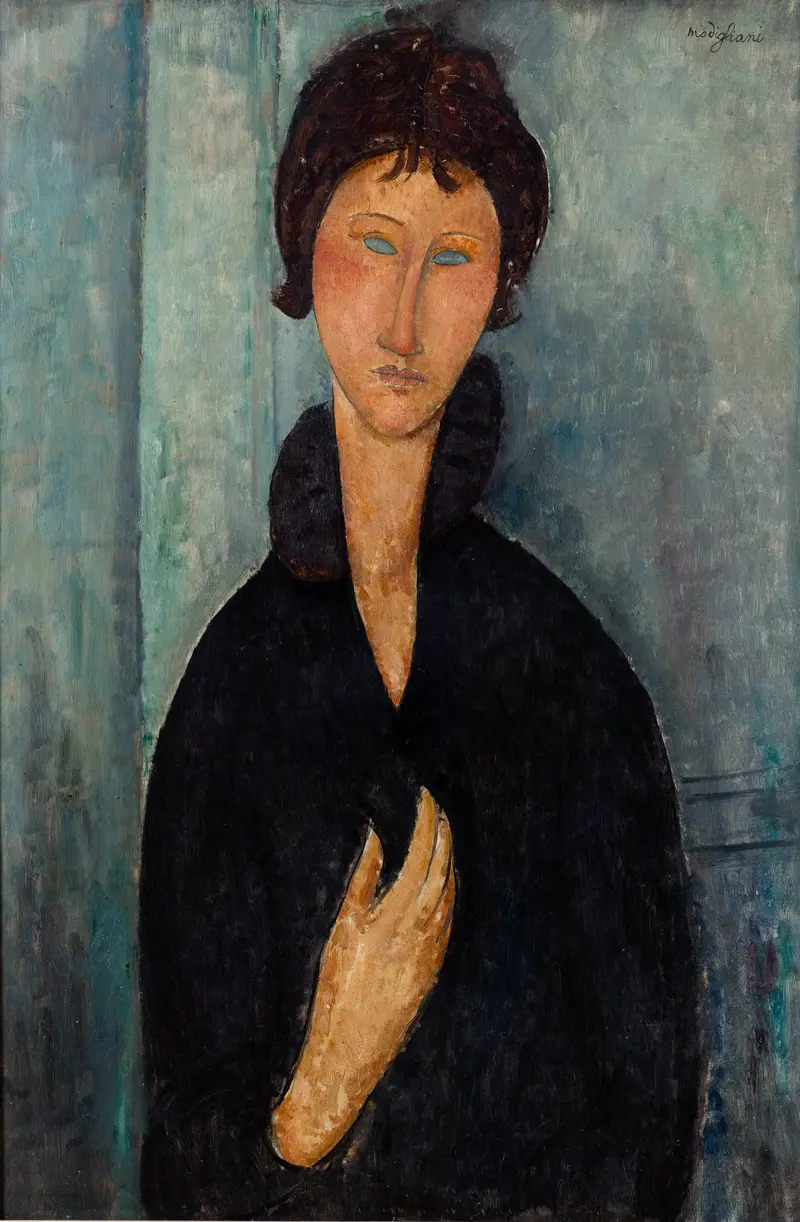
Femme aux yeux bleus
Amedeo Modigliani
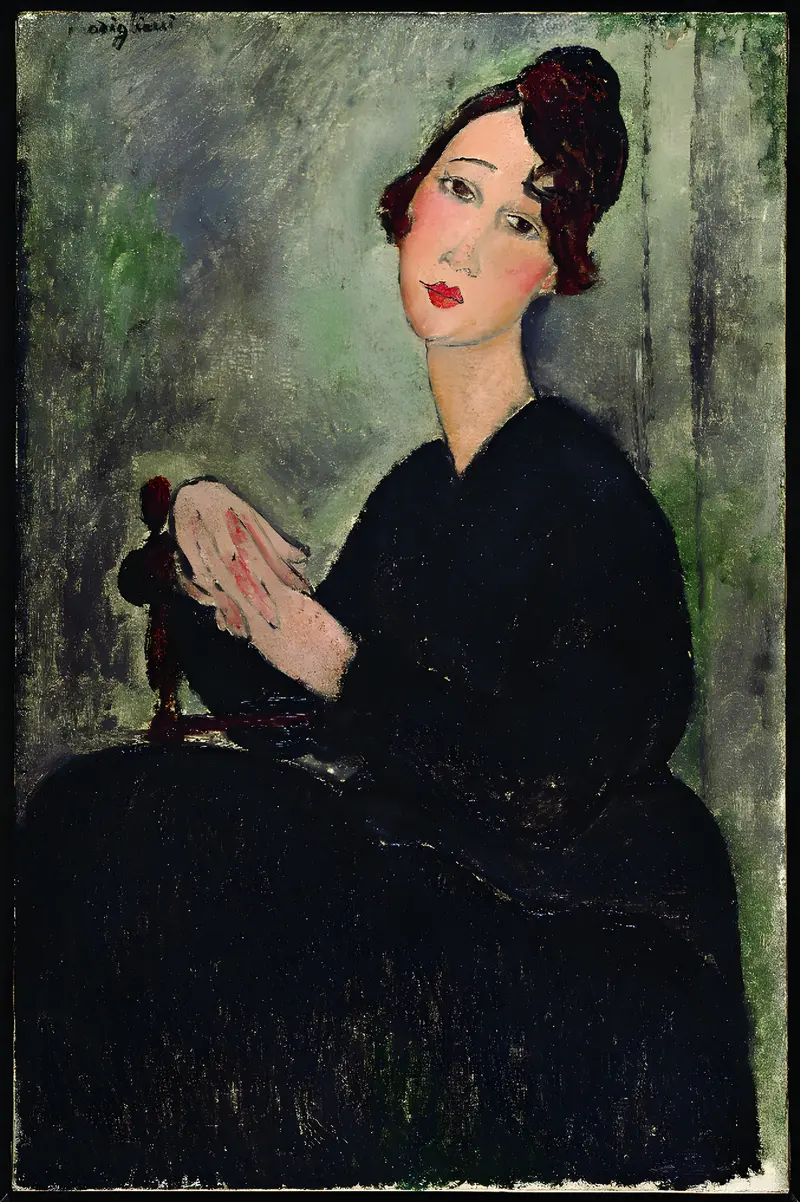
Portrait of Dedie
Amedeo Modigliani
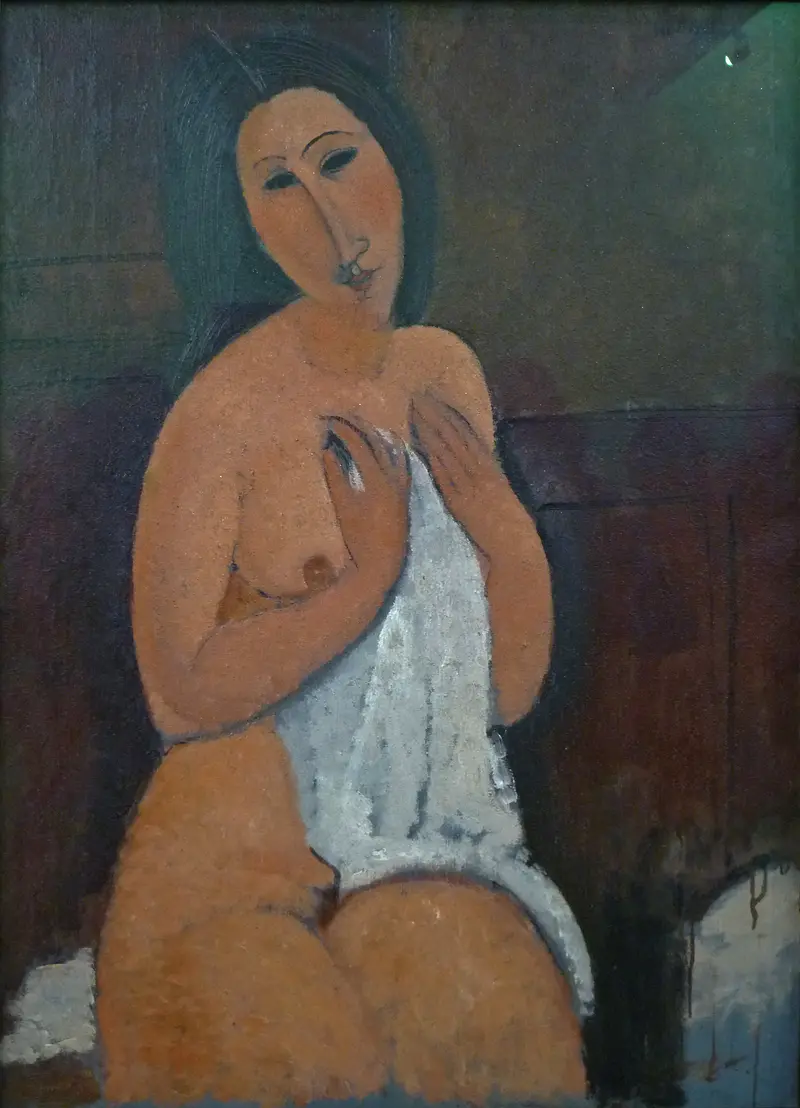
Seated nude with shirt
Amedeo Modigliani
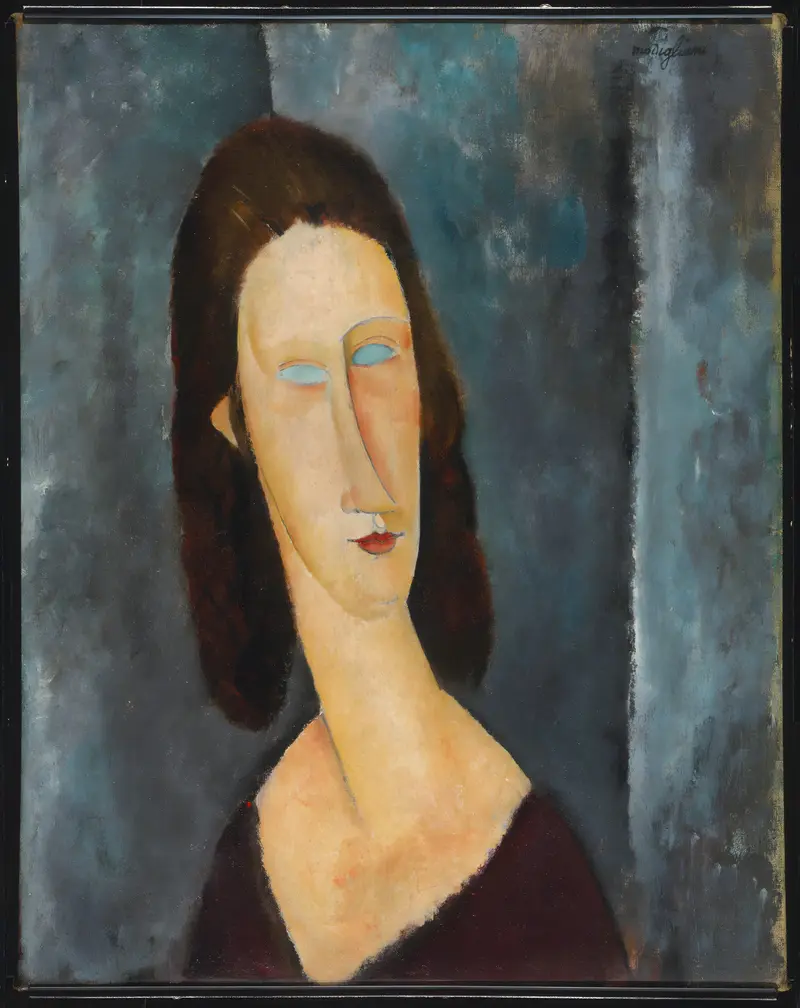
Blue Eyes (Portrait of Madame Jeanne Hébuterne)
Amedeo Modigliani
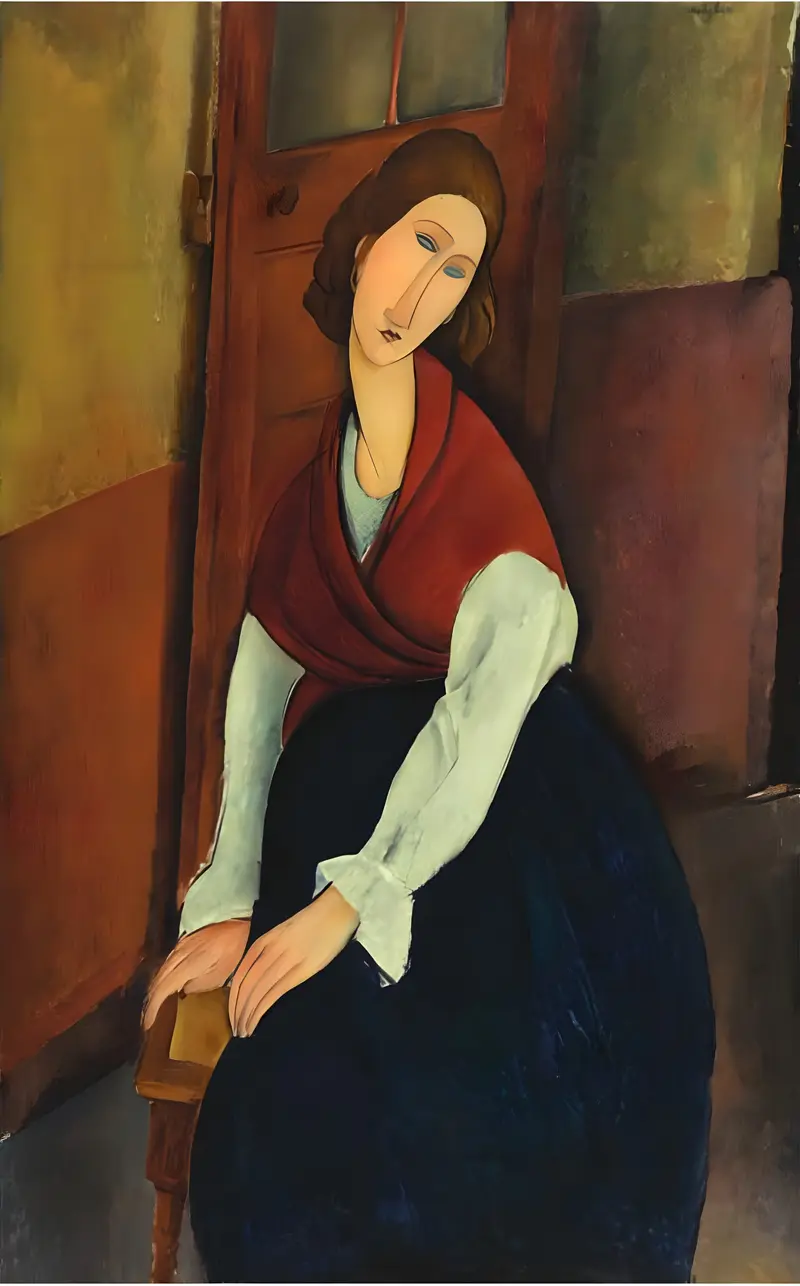
Jeanne Hebuterne in Red Shawl
Amedeo Modigliani





