Les Angles I — History & Facts
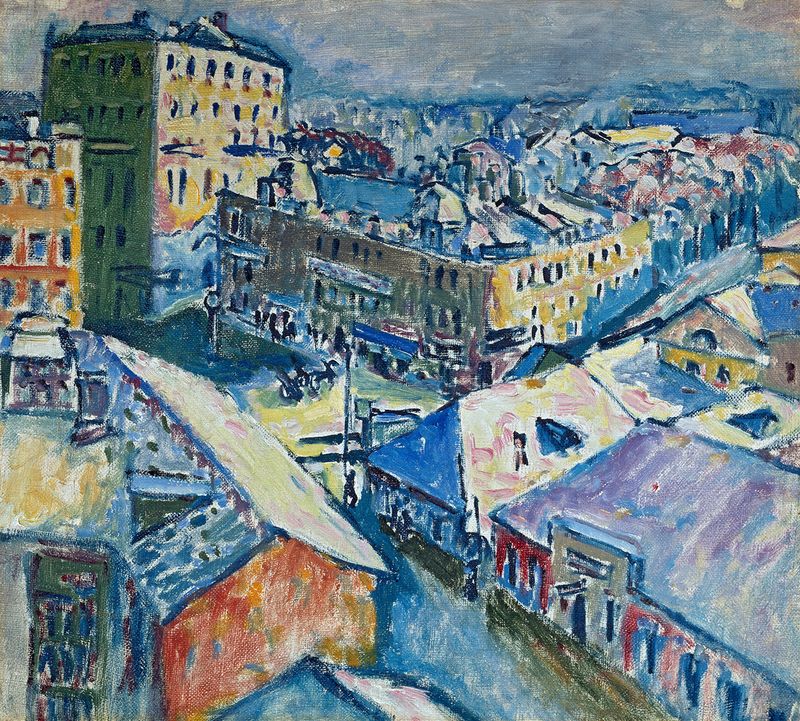
When did color learn to lie? In a world where hues convey not just reality but the essence of the divine, our perceptions waver, challenging the very nature of truth. Focus first on the deep blues and radiant whites that dominate the canvas, creating a celestial atmosphere. Look closely at the swirling patterns; they seem to beckon the viewer into an ethereal realm, where the horizon blurs, and the distinction between earth and sky disintegrates. Each brushstroke contributes to an almost spiritual dance, inviting contemplation and awe, while the composition teeters on the edge of abstraction, drawing you deeper into this otherworldly space. Within the layers of color, multiple interpretations arise.
The juxtaposition of the serene blues with fleeting flashes of light suggests a divine presence, hinting at both tranquility and tumult. Notice how the light spills across the surface, creating an illusion of movement that speaks to the transient nature of existence. Here, color transcends mere representation; it whispers of a reality that is both tangible and elusive, evoking both wonder and reverence. In 1912, Schelfhout was immersed in the modernist movement, navigating the complexities of a rapidly changing world.
Living in Belgium during this period, he sought to capture the essence of spirituality through abstraction, finding inspiration in nature and the divine. The exploration of color in Les Angles I reflects not only his artistic evolution but also the broader dialogue within the art community, where the boundaries of reality were continuously being challenged and redefined.
More Artworks by Lodewijk Schelfhout
Browse all →
Hollands landschap met boerderij en weiland
Lodewijk Schelfhout
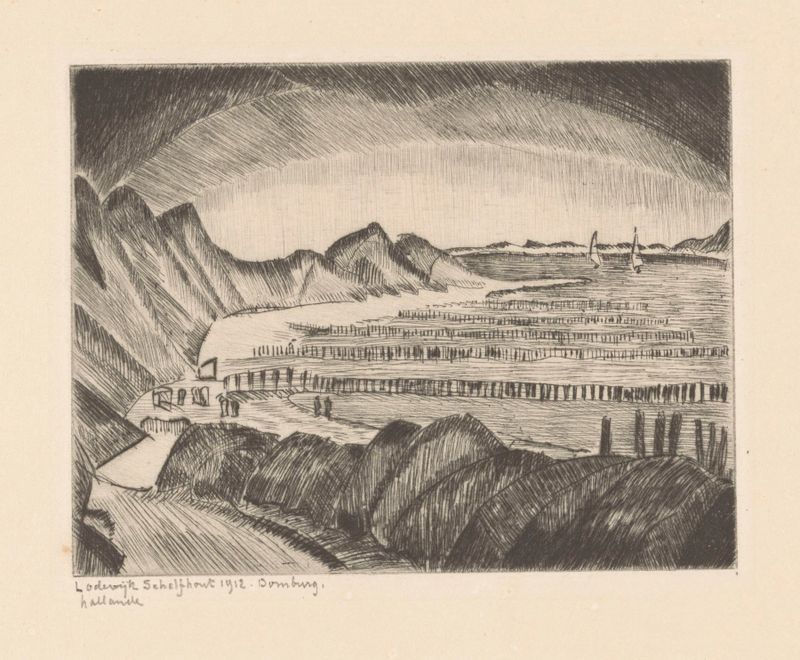
Strand van Domburg Plage de Dombourg
Lodewijk Schelfhout
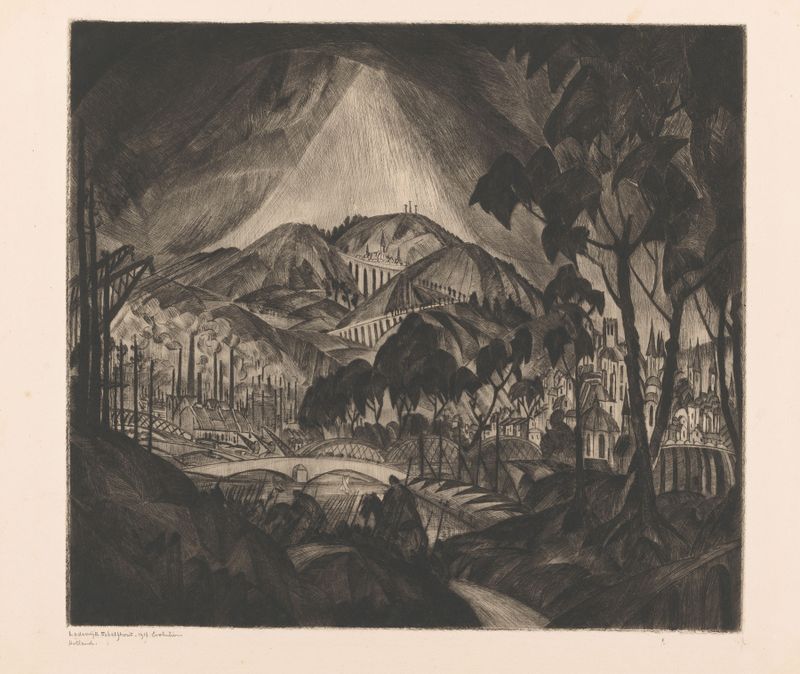
Heuvellandschap met industrie
Lodewijk Schelfhout
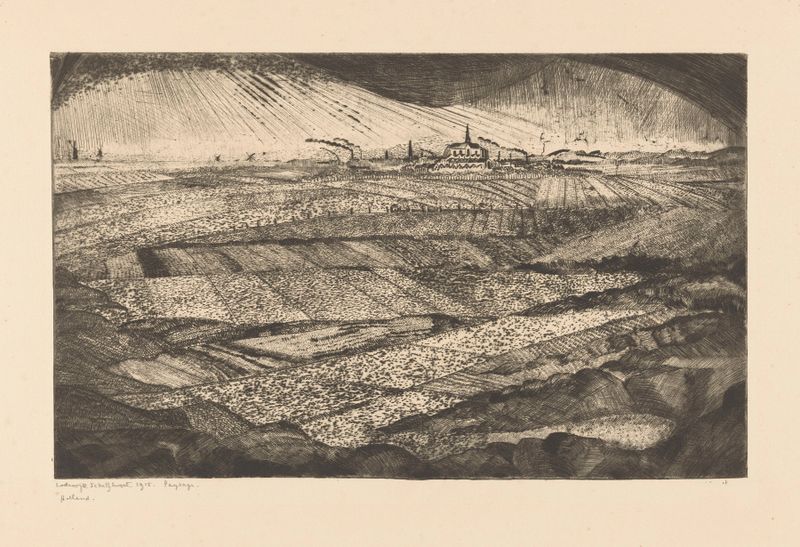
Paysage
Lodewijk Schelfhout
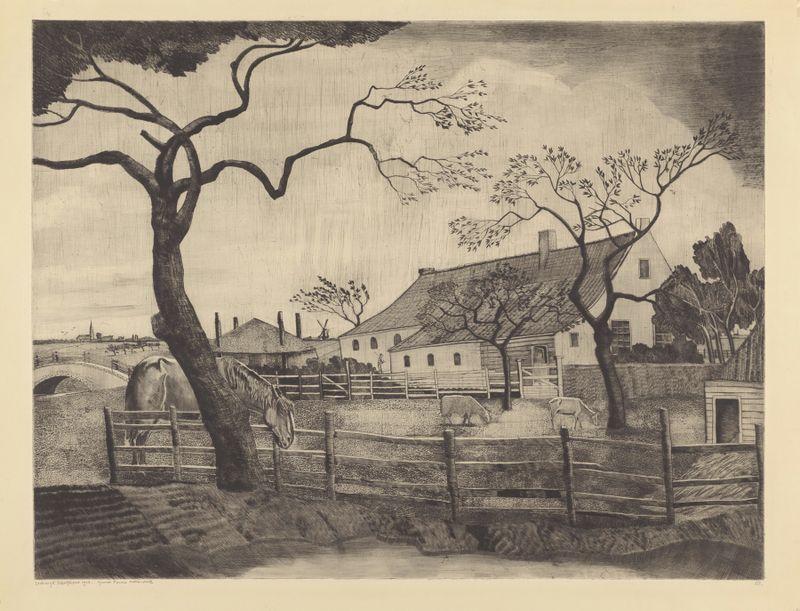
Boerderij met vee in Holland
Lodewijk Schelfhout
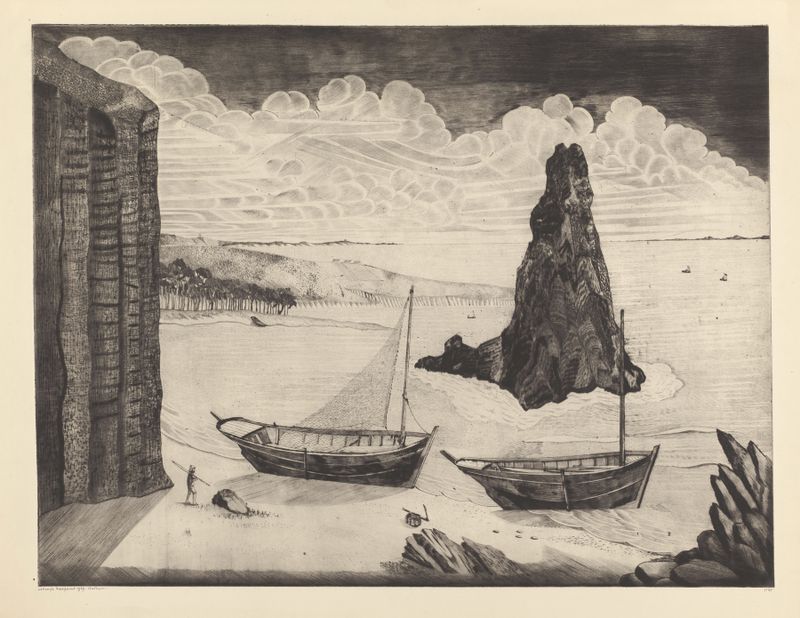
Twee afgemeerde schepen op een strand
Lodewijk Schelfhout
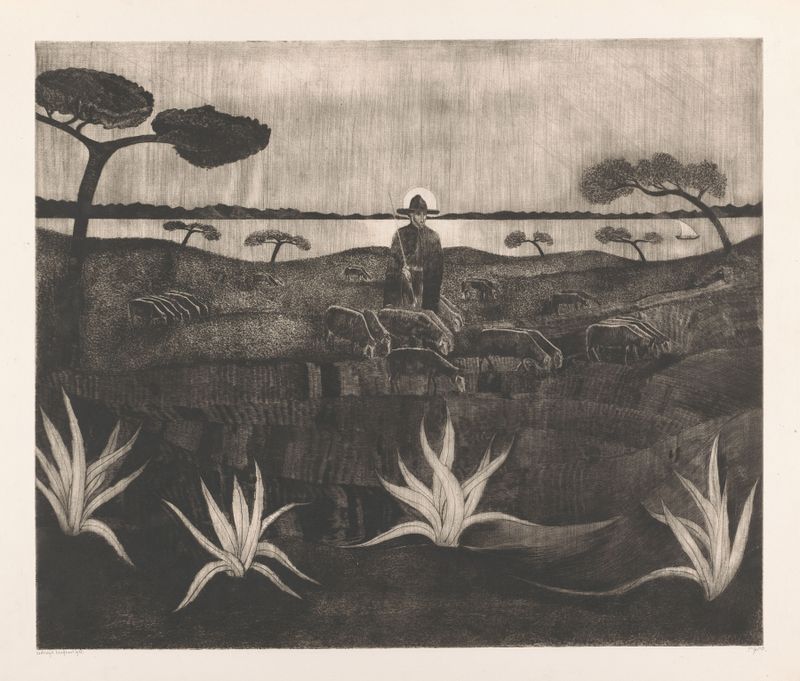
Herder met een kudde schapen in een heuvellandschap
Lodewijk Schelfhout
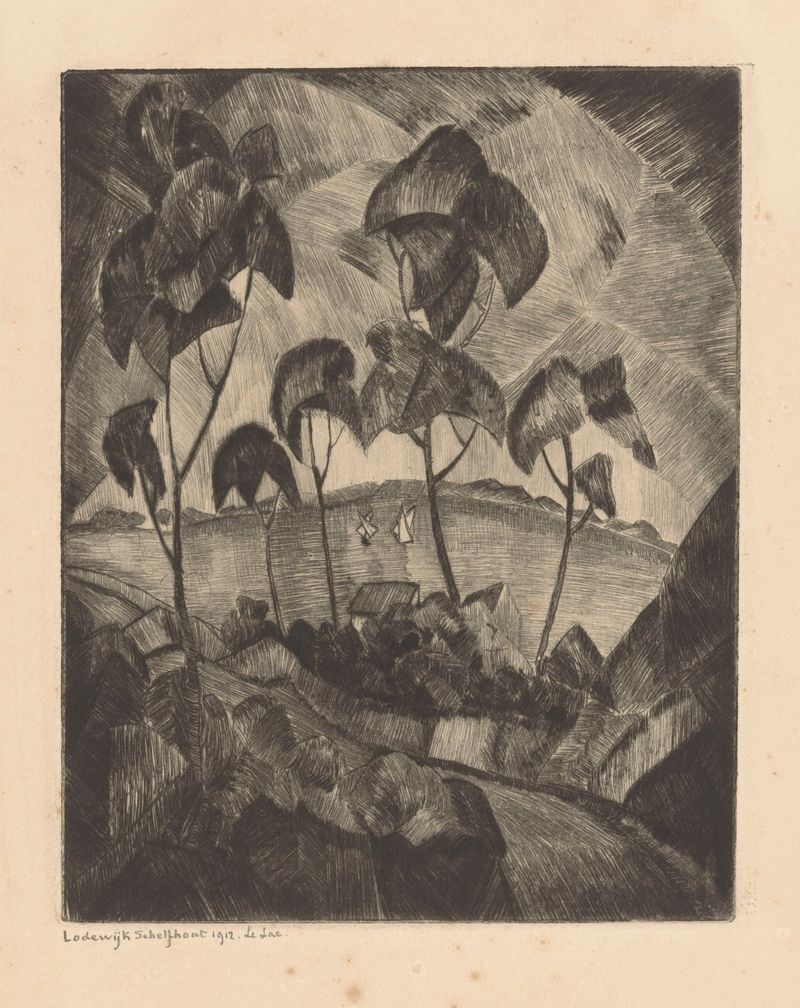
Meer in een heuvellandschap Le Lac
Lodewijk Schelfhout

Heuvellandschap met sparren
Lodewijk Schelfhout

Berglandschap met aquaduct L’Aqueduc
Lodewijk Schelfhout