
Les Baux-de-Provence — History & Facts
When did color learn to lie? The vibrant hues of the landscape beckon, yet within their allure lies an ache of longing—a yearning for what once was or might never be. Focus your gaze on the sweeping brushstrokes that define the rugged cliffs, painted with an audacious palette of ochres and greens. Notice how the light dances across the slopes, creating an interplay of shadow and brilliance that draws the eye deeper into the scene. The horizon whispers promises of distant journeys and untold stories, while the foreground, alive with texture, invites you to explore its hidden secrets. Yet amid this resplendence, there is a palpable tension.
The stark contrasts between the earthy tones and the cerulean sky reflect the dichotomy of hope and despair. Each stroke conveys a silent narrative, suggesting that beauty can often mask a deeper sorrow. The craggy formations, both formidable and inviting, evoke the heart’s duality—a desire for connection juxtaposed against the isolation of existence. Created in a time when the artist was seeking to capture the essence of place and emotion, this work reflects a moment unbound by specific dates.
Lismann’s exploration of color and form aligned with the wider movements of romanticism, where landscapes served not just as settings but as emotional canvases. This painting encapsulates a fleeting glimpse into his world, offering both an escape and an invitation to introspection.
More Artworks by Hermann Lismann
Browse all →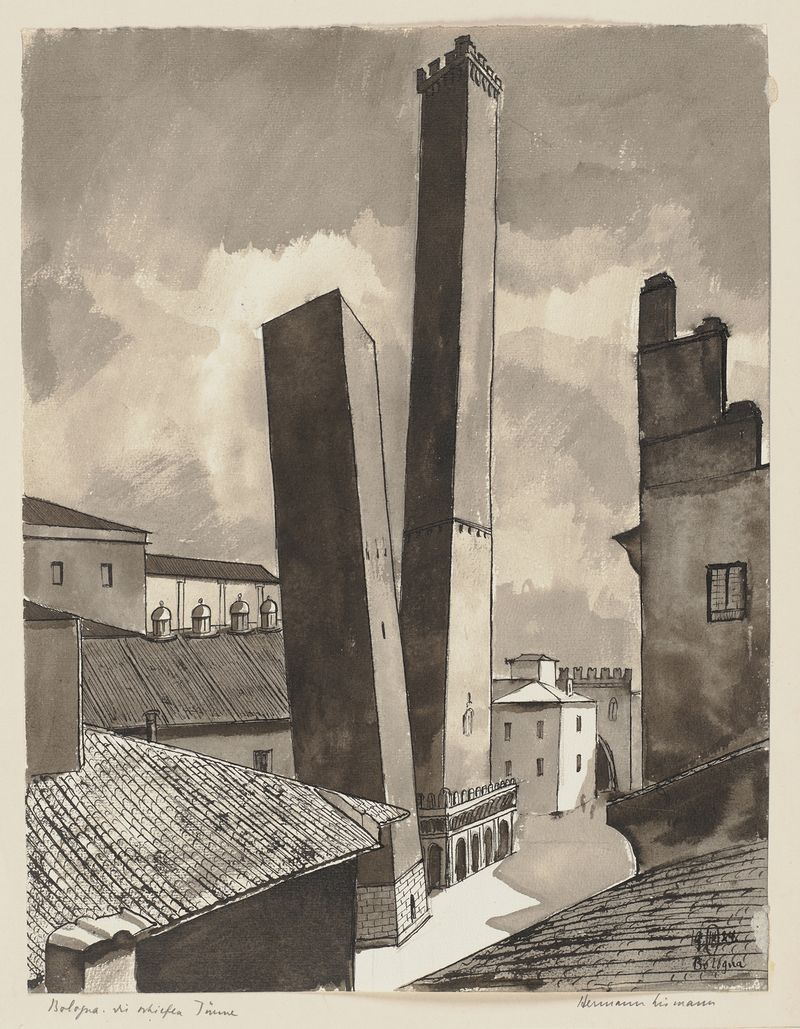
Die beiden Türme Garisenda und Asinelli in Bologna
Hermann Lismann
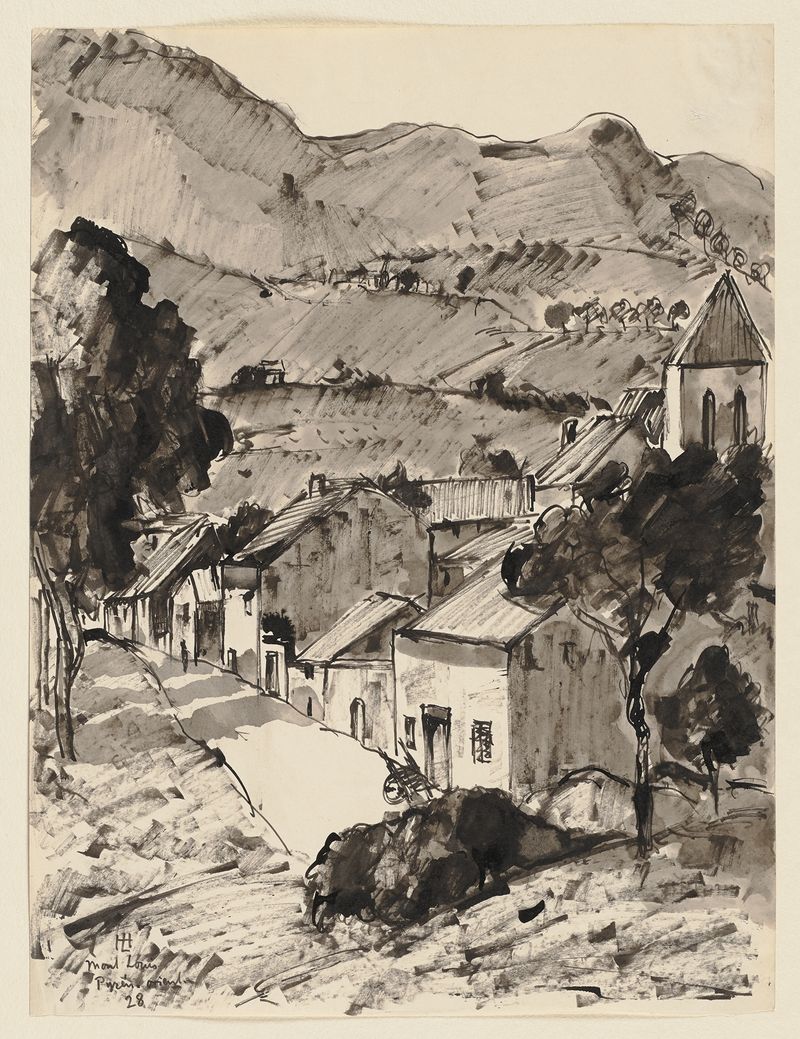
Mont-Louis
Hermann Lismann
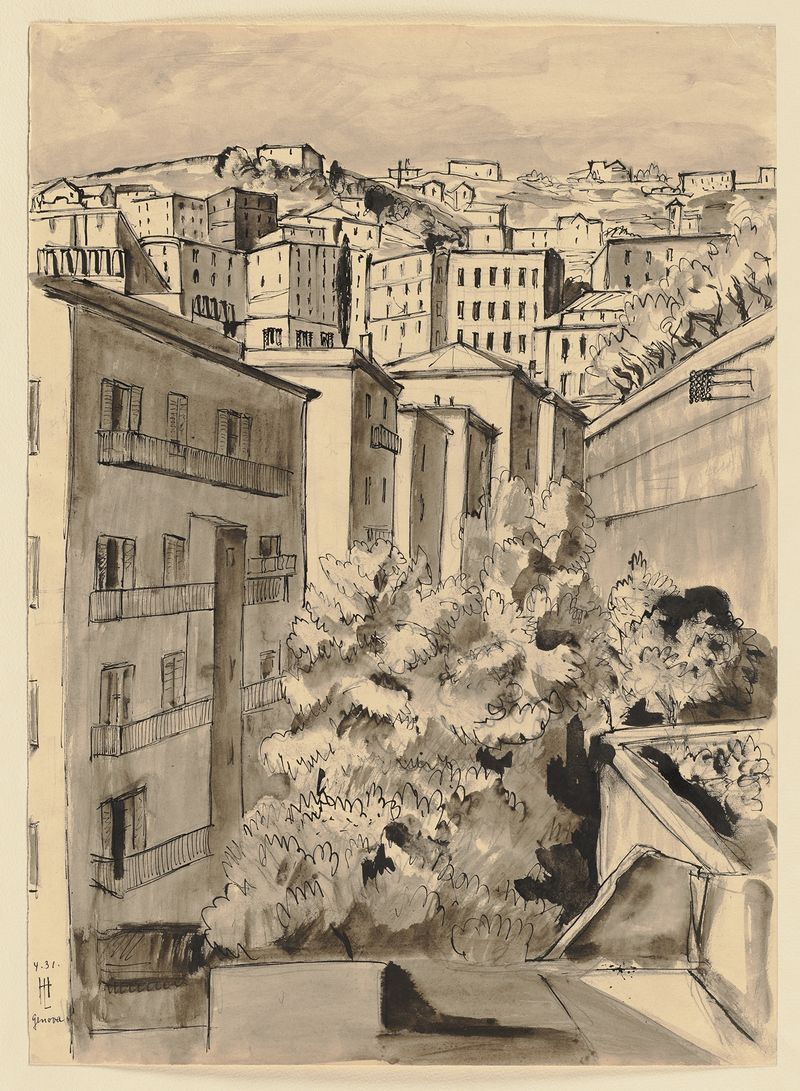
View of Genoa
Hermann Lismann
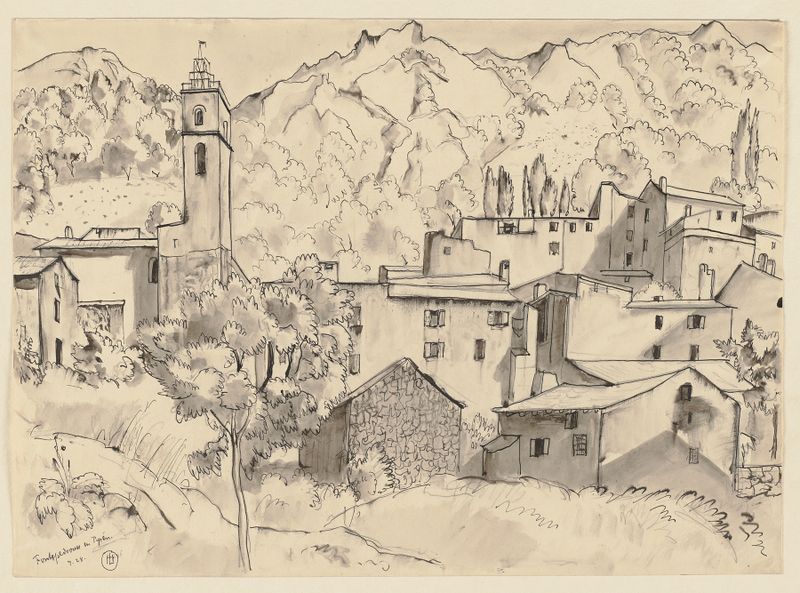
Fontpédrouse en Pyrénées
Hermann Lismann
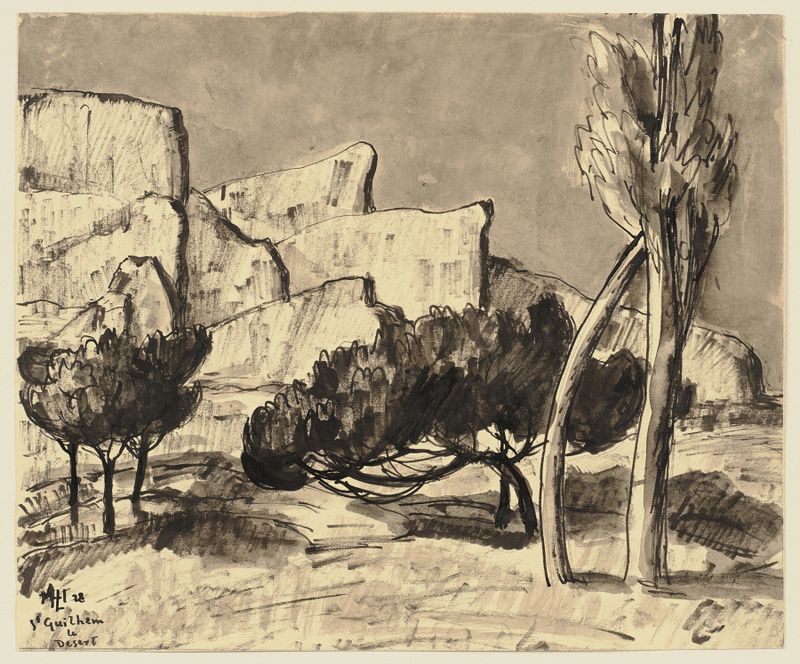
Saint-Guilhem-le-Désert
Hermann Lismann
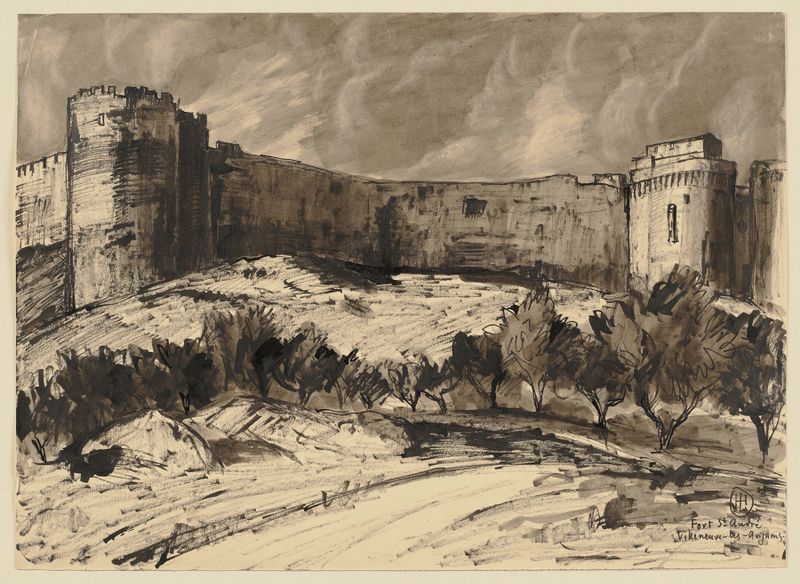
Fort Saint-André in Villeneuve-les-Avignon
Hermann Lismann
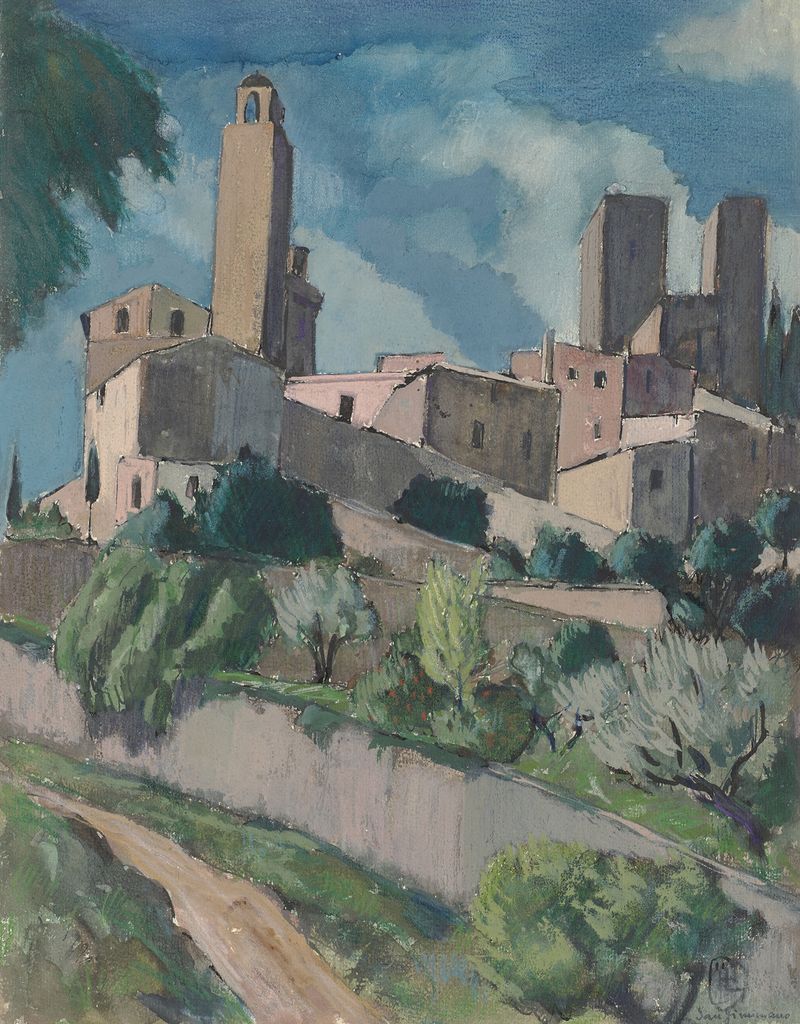
San Gimignano
Hermann Lismann
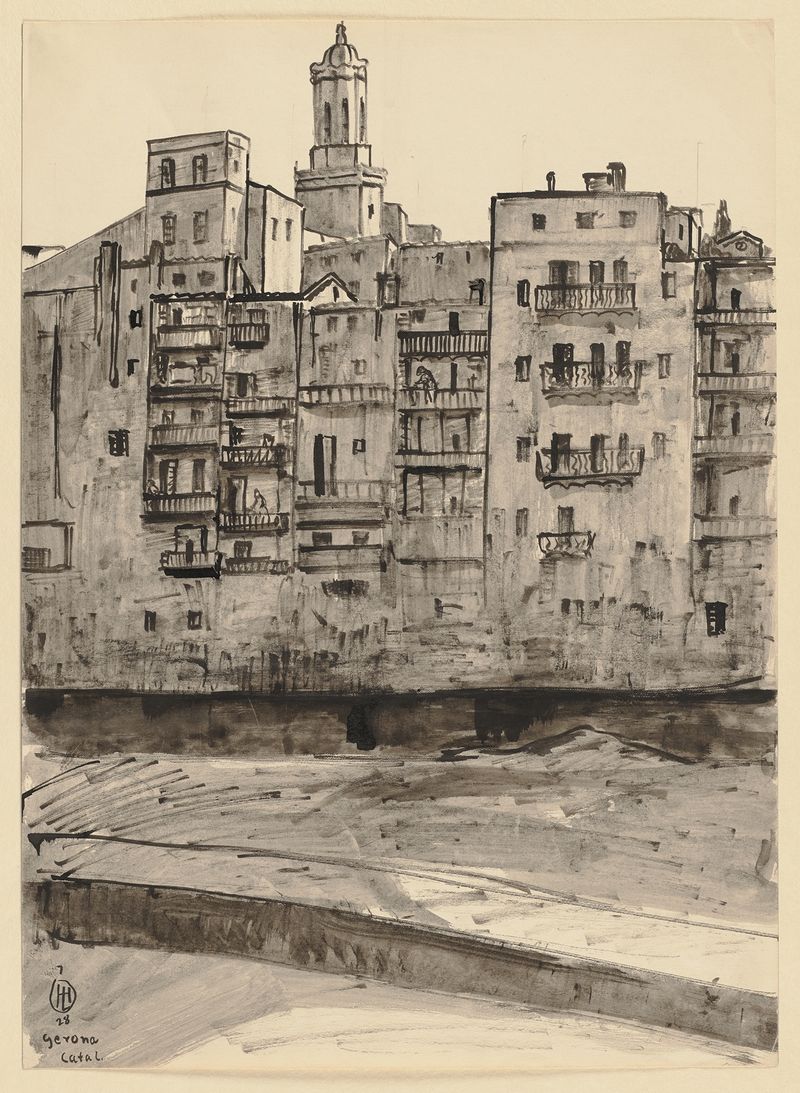
Girona vom Fluss aus gesehen, im Hintergrund der Turm der Kathedrale
Hermann Lismann
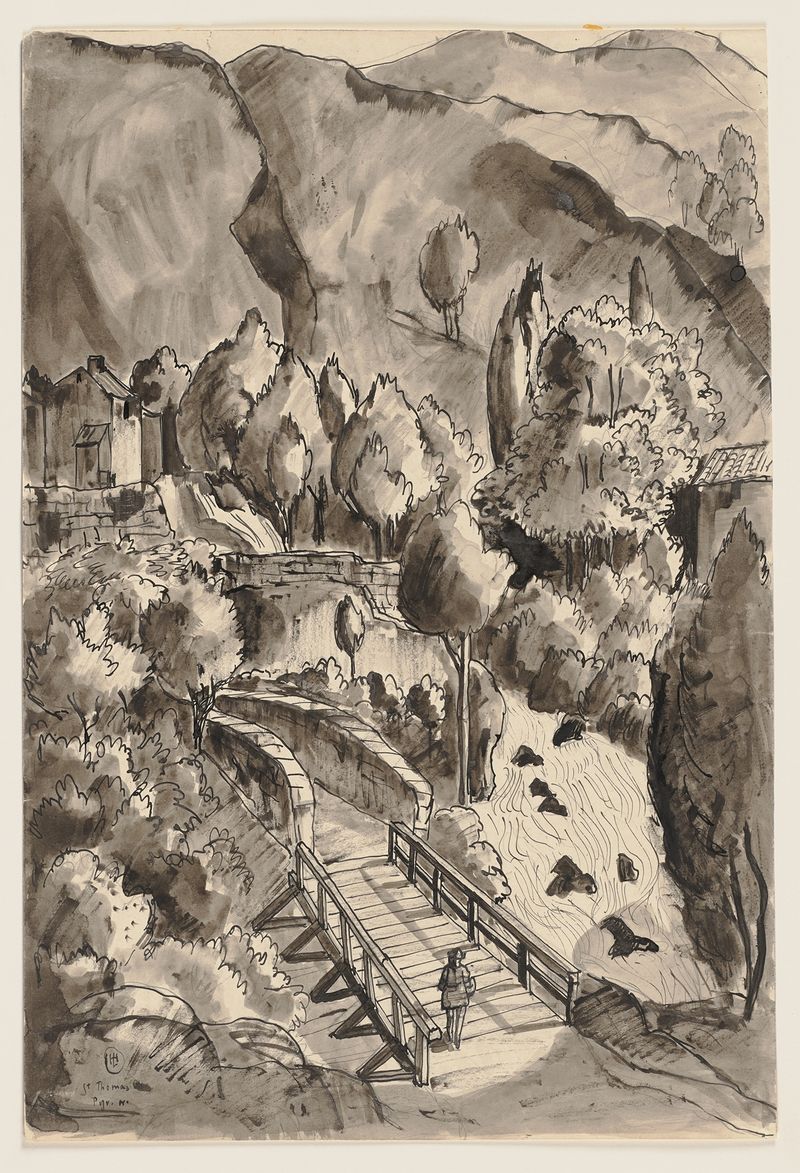
Saint Thomas, Pyrénées
Hermann Lismann
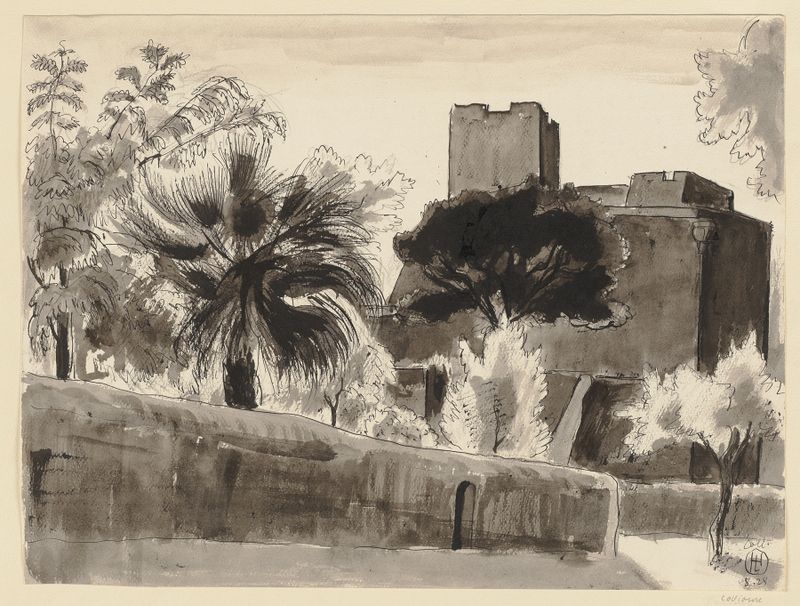
Collioure
Hermann Lismann





